

BINUS University continued to promote environmental sustainability in 2025 through initiatives that encourage responsible plastic use, material reuse, and community participation in waste management. These efforts complement the university’s institutional commitment under Rector’s Circular Letter No. 1564A/REK/IX/2023, “Gerakan Ramah Lingkungan: Pengurangan Plastik dan Barang Sekali Pakai,” which encourages the university community to reduce dependence on single-use plastics and adopt reusable alternatives.
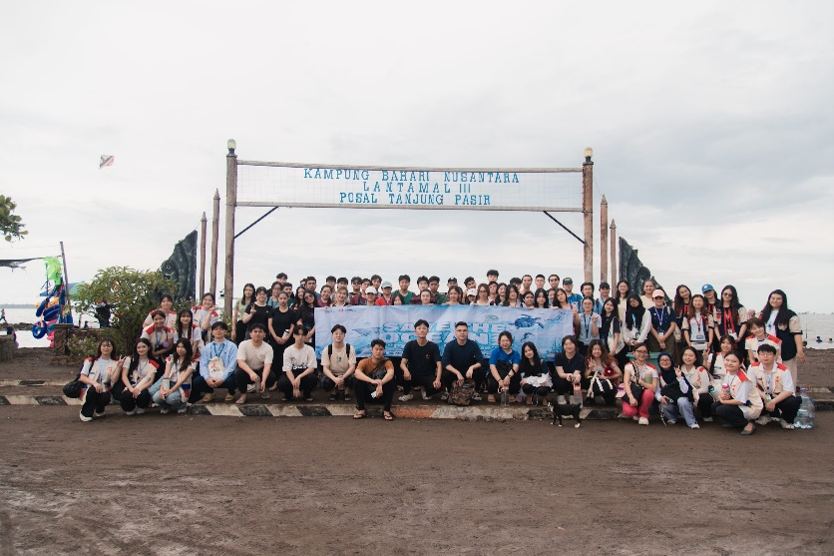
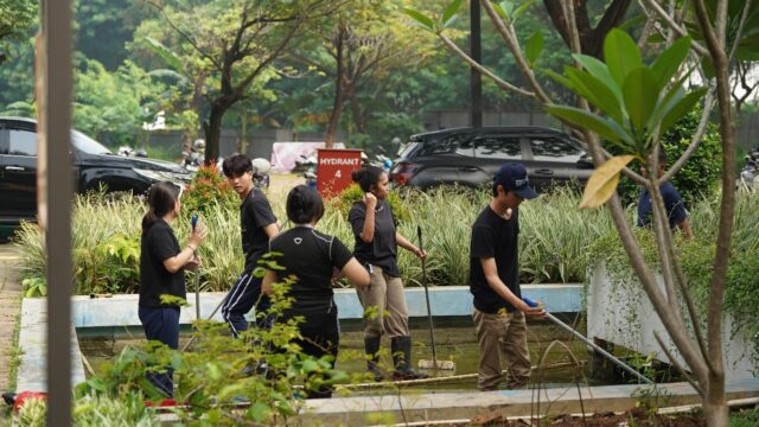
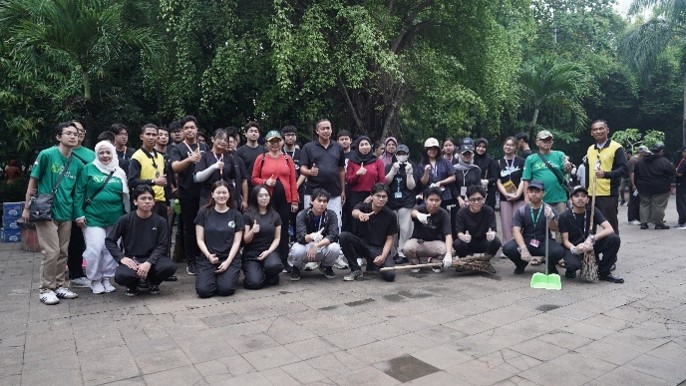
One of the university’s environmental initiatives in 2025 was Plogging BINUS 2025, which combined physical activity with environmental action by encouraging participants to collect waste while jogging. The activity raised awareness of plastic pollution and promoted the responsible handling and reuse of collected materials. By engaging participants in practical environmental action, the initiative encouraged greater awareness of the importance of preventing plastic waste from accumulating in the environment.
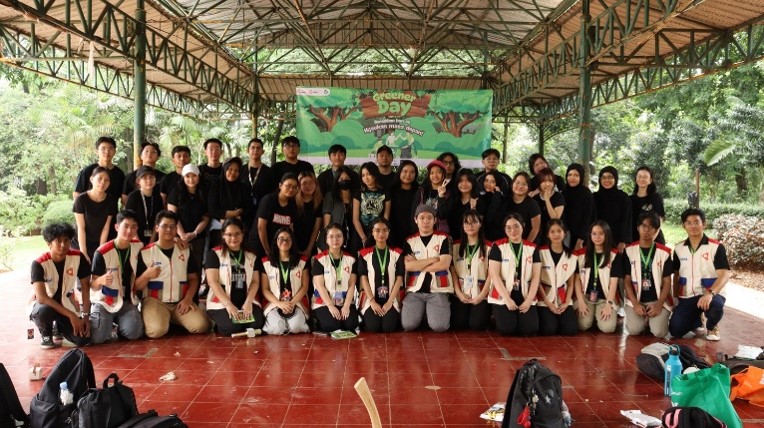
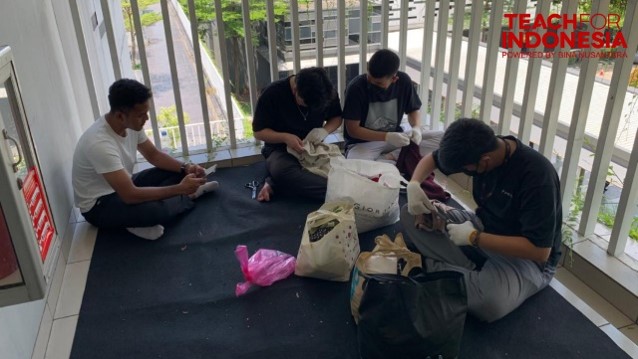
Another initiative was Greener Day 2025, organized through Teach For Indonesia. The activity demonstrated how used plastic bottles could be repurposed into functional plant pots. This hands-on approach encouraged participants to extend the useful life of plastic materials rather than immediately discarding them, reinforcing the importance of reuse as part of responsible material management.
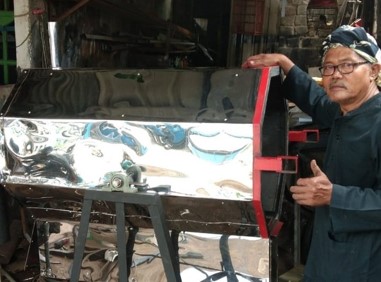
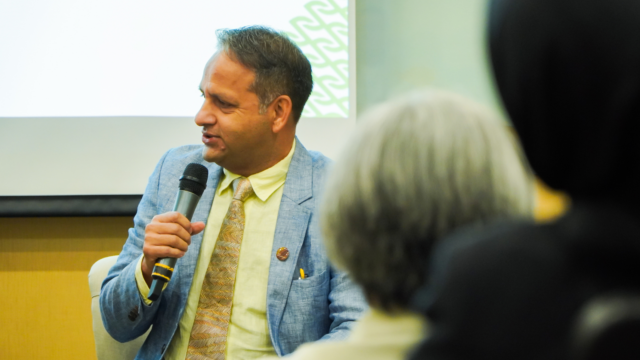
BINUS University also contributed to community-based waste management through Taruma Agni, a pyrolysis-based waste-processing technology developed collaboratively by three BINUS Online lecturers and the M-SAT Appropriate Technology Service Center in Tanah Sareal, Bogor. The initiative applies technology to process household waste at the neighborhood level, helping reduce waste volumes sent to landfills and promoting a circular approach to waste management. Supported by a community service grant, the project demonstrates how BINUS academic expertise can be applied to address environmental challenges in surrounding communities. Although Taruma Agni focuses on processing existing waste rather than directly preventing plastic consumption, it complements the university’s broader efforts to address plastic pollution and improve waste management.
Together, these 2025 initiatives demonstrate BINUS University’s commitment to promoting environmental awareness, encouraging material reuse, and supporting practical solutions to waste-related challenges. Combined with its institutional plastic reduction policy, these activities contribute to a broader sustainability approach that encourages responsible consumption and helps address plastic pollution. Further evidence of reductions in plastic purchases or consumption across university operations would strengthen the demonstration of measurable progress in minimizing plastic use.