


AI-Based Feedback for Academic Writing: Opportunities and Challenges for EFL Learners
Source: https://irisagent.com/blog/the-power-of-feedback-loops-in-ai-learning-from-mistakes/
Artificial intelligence has grown quickly, and it has changed many parts of education. One of the biggest changes has been in the area of academic writing. For people who are learning English as a foreign language (EFL), AI-based feedback tools offer new chances to improve their grammar, vocabulary, coherence, and academic conventions. These tools, which include automated grammar checkers, AI-powered writing assistants, and large language models, give learners instant, personalized feedback that is meant to help them write better. But even though AI-based feedback has its benefits, there are many educational, ethical, and cognitive issues that come up when it is used. The rapid growth of AI technology doesn’t mean that writing will automatically get better without careful guidance and critical thinking. Academic writing isn’t just about using correct grammar. It also requires deep thought, making arguments, organizing ideas logically, and using credible sources. So, teachers, researchers, and learners who want to get the most out of AI feedback while minimizing risks need to know about both the benefits and the problems it can cause.
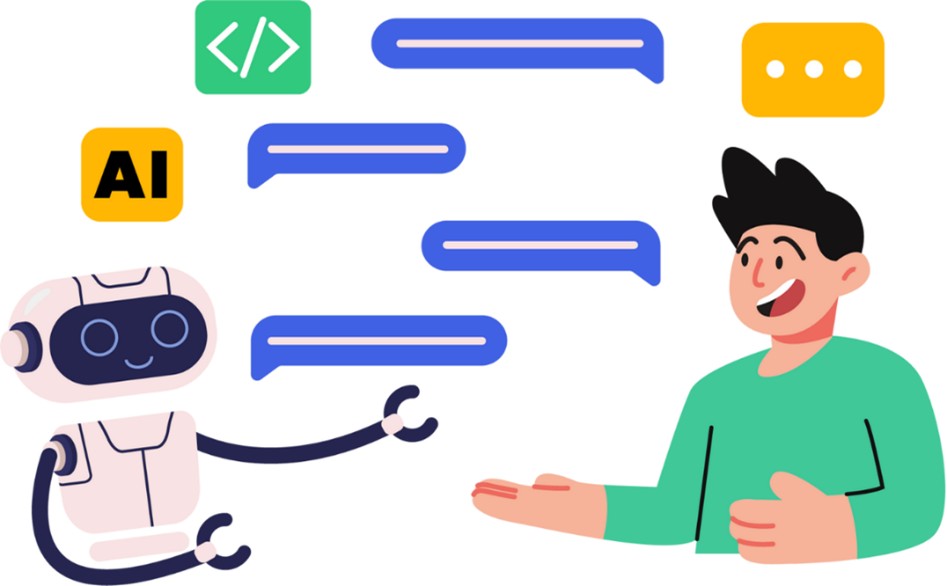
One of the best things about AI-based feedback for teaching academic writing is that it makes it easier for everyone to get. Feedback on writing has always depended a lot on teachers, who don’t have a lot of time or energy. Learners in big classes often have to wait days or weeks for corrections, and even then, the feedback might not be very helpful or complete because the teacher is busy. AI, on the other hand, gives answers right away. Learners can upload their writing and get feedback in seconds, which makes the learning process faster. This accessibility encourages self-directed learning for EFL learners who need to practice all the time. They can change their writing in real time, write multiple drafts, and feel more confident as they see small improvements. Feedback is no longer just for classrooms because there are so many free or cheap AI tools. Learners can practice academic writing whenever and wherever they want, which helps them learn for life, not just in school.
AI-based feedback is not only easy to get, but it also lets you customize it a lot. AI tools often give specific suggestions based on the context of the sentence or document, which is different from traditional feedback, which is general and sometimes vague. For example, a feedback system might find problems with coherence and suggest better linking devices or paragraph transitions. Some tools find weak thesis statements and suggest ways to make the argument stronger. Personalized help is very helpful for EFL learners who have trouble with abstract academic rules. It helps them figure out what part of their writing needs work, like grammar, vocabulary, organization, or academic tone. This focused method helps learners learn on their own by letting them keep track of their progress, see where they make mistakes, and slowly improve their writing skills. Personalized feedback is like a scaffold that helps language development in a real way when used regularly.
AI-based feedback in academic writing has some problems, even though these opportunities are exciting. Overreliance is one of the biggest worries. Many learners don’t question suggestions because AI tools look smart and trustworthy. They might change whole sentences without thinking about why the suggestion is better or if it fits what they meant to say. This passive acceptance makes it harder to think critically and engage your mind, both of which are important for writing well in school. Instead of learning how to write better, learners might only focus on “fixing” mistakes so that AI evaluators can give them perfect scores. In extreme cases, relying on AI can make everyone’s writing style the same, which means that their unique voice and expression are lost. Academic writing necessitates originality in thought and argumentation, rather than mere linguistic accuracy, and an overreliance on AI jeopardizes academic integrity and intellectual development.
Another problem is that AI-generated feedback may not be correct or useful. AI tools are good at suggesting grammar and vocabulary, but they still don’t understand things like context, rhetorical purpose, cultural differences, and writing rules that are specific to a certain field. If learners agree to changes in style that aren’t necessary, some academic arguments may be less strong. If the AI doesn’t get the context right, it might suggest changes that change the meaning or make the facts wrong. Also, a lot of tools are trained mostly on English texts from Western academic traditions, which means they may not fully fit with the different ways of speaking that are common in different cultures. When AI suggestions go against cultural identity and local academic norms, EFL learners may get confused. Learners may not be able to tell the difference between helpful suggestions and bad ones if they don’t learn how to critically evaluate feedback.
Another important issue is the chance of cheating in school. Some AI writing tools not only give feedback, but they also make content, summaries, and paraphrases. These features can be helpful for coming up with new ideas and making changes, but they can also make it easier for people to use them in an unethical way. Learners might use AI to write papers, paragraphs, or literature reviews instead of learning how to do it themselves. Learners who aren’t very good at something may be more likely to give in to this temptation because they think AI will help them do better. Besides plagiarism, learners who blindly use paraphrasing tools may break citation rules or change the meaning of the source. Teachers are finding it harder and harder to tell the difference between AI-generated writing, check its authenticity, and uphold academic honesty while still giving all learners a fair chance to learn.
Pedagogical integration is important to get the most out of AI-based feedback while lowering risks. AI should not take the place of teachers; instead, it should work with them to make teaching better. Teachers can use AI feedback activities in the classroom. For instance, learners can look at AI suggestions, compare them to feedback from their peers and the teacher, and choose the best revision. Teachers can make sure that AI helps learners learn more deeply instead of just correcting mistakes by encouraging them to think about why they did something and how they can improve. Teachers can also teach learners how to use AI in a responsible way by making sure that they check suggestions before using them, make sure that they are consistent with meaning, keep ownership of their ideas, and give proper credit when AI is used to create content. Learners can learn how to use technology and think ethically in academic writing settings with structured help.
AI-based feedback can also help people write more interactively. Teachers can create revision cycles that include feedback from AI, peers, and teachers. For instance, learners might start by getting AI feedback on their grammar and vocabulary, then trade drafts with classmates to see how well their arguments flow and how persuasive they are, and finally get feedback from their teacher on the depth of their content and the quality of their research. AI makes it easier for teachers to do their jobs by dividing up feedback roles in a smart way. This lets them focus on higher-order writing elements. This model of collaboration creates a balanced environment where technology improves human interaction instead of replacing it.
There is a lot of potential for AI to improve academic writing in the future. As models get better, feedback should go beyond grammar and vocabulary to include more complex parts of text, like logic, quality of evidence, voice consistency, and synthesis of knowledge. Tools might one day be able to find bias, unsupported claims, or wrong citations. If these improvements are made with openness, data privacy, and cultural sensitivity in mind, the next generation of AI can help EFL learners in a more complete way. But writing development must always be guided by people. Communication is a social act that needs empathy, awareness of the situation, and creativity—things that AI, no matter how advanced, can’t fully copy.
In conclusion, AI-based feedback offers unparalleled opportunities for EFL learners by delivering accessible, timely, and personalized guidance that fosters autonomy, enhances motivation, and facilitates ongoing improvement in academic writing. It makes it safe to try new things and builds confidence while lowering the usual barriers to giving and getting feedback. But the problems are just as big. To avoid bad things happening, we need to deal with overreliance, uncritical acceptance, inaccuracies, cultural mismatches, and risks to academic integrity. The key to successful implementation is how well technology, pedagogy, and critical thinking work together. AI should not be seen as a way to replace learning, but rather as a way to help people learn. When teachers, learners, and schools take a responsible and strategic approach, AI-based feedback can be a powerful tool for improving academic writing skills. It can help learners grow cognitively instead of stunting their growth, and it can strengthen their identity instead of replacing it. With careful use, AI can help create a future where EFL learners not only improve their writing skills but also gain the confidence and independence to communicate as scholars and global citizens.

Comments :