



Self-learning for Language Mastery
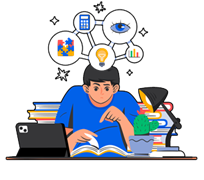
Source: https://hscollp.in/the-power-of-self-learning-a-key-to-success-in-a-competitive-world/
Everyone is connected now, so being able to speak a foreign language isn’t just a nice-to-have skill; it’s necessary for school, work, and personal growth. There is still value in traditional classroom teaching, but more and more students are realizing how useful and adaptable it can be to learn on their own. In self-learning, people set their own goals, make their own study plans, and choose their own resources, rather than having teachers constantly watch over them. This type of learning is also known as autonomous or independent learning. When it comes to learning a language, learning on your own can be both freeing and hard. It gives them the freedom to learn at their own pace and in a way that suits them. When you master a language, you are very good at all of its parts, like reading, writing, speaking, and listening. It also means understanding the culture in which the language is used.
Today, it’s more important than ever to be able to speak more than one language. This is because of globalization, working from home, and working with people from other countries. When it comes to jobs, people who can speak more than one language have more options. Travelers and culture lovers also have more meaningful experiences when they go abroad. Self-learning is an option for people who can’t go to classes or who want to learn a language faster than what is possible in a class. Some people like to study on their own because they can pick and choose how fast, what, and how they learn. The teacher has to deal with a lot of different types of students, so they often use the “one size fits all” method. On the other hand, people who learn on their own can focus on the skills they need the most, such as pronunciation, grammar, or vocabulary. Psychological research on schools has shown that giving students more freedom makes them more motivated and helps them remember what they learn. When students decide what and how they study, they are more likely to keep going even when things get tough. They also learn more. This day and age has also made learning materials easier to find than ever. Free video lessons, language exchange sites, and chatbots powered by AI can help people who want to learn a language on their own make immersive language environments at home. You can still use the immersion method, which is one of the best ways to learn a language, even if you don’t go to a country where people speak that language.
The best way to learn a language on your own is to make goals that are clear, attainable, and easy to track. It’s simple to get lost and lose your drive if you don’t have a plan. “I want to reach B2 level in French within 12 months so I can work in a French-speaking environment” is a better goal than “I want to learn French.” You should break your big goal down into smaller ones after you’ve made it. In the first month, you might learn 500 basic words. In the third month, you might finish a course on basic grammar. And by the sixth month, you might be able to hold a basic conversation. In a study plan, there should be a mix of listening, speaking, reading, and writing. One possible weekly plan would be to listen to podcasts three times a week, speak with a language partner twice a week, read a short article every day, and write a paragraph every other day. This makes sure that no skill is missed and that all the steps have been taken.
People used to learn on their own, but now technology has made it possible for people to learn with others. These apps help you learn a language by making lessons more fun by turning them into games: Duolingo, Memrise, and Babbel. On some sites, like Italki, Preply, and Tandem, language learners can talk to native speakers to improve their English. Tools with AI, like ChatGPT, can act out real conversations, fix grammar mistakes, and break down hard-to-understand language rules into simple terms. Students can also get better at being correct by using online dictionaries, apps that help them pronounce words, and grammar checkers. There are thousands of free tutorials on YouTube and other video sites. Streaming services have movies and TV shows from other countries with subtitles, which makes it feel like you’re really there. It can also help to use social media sites. When people learn a language, they can find slang, cultural references, and trends by following influencers, bloggers, and content creators who write in that language.
Being around people who speak a language all the time is one of the fastest ways to learn it, but when you travel, this isn’t always possible. Self-learners can make their homes more immersive, which is good news. Put labels on things around the house with their foreign names and only watch or listen to media in that language for certain amounts of time. You can also change the settings on your phone or computer to the target language. To get used to how a native speaker talks, you could watch news shows, listen to music, or read posts on social media in the language you want to learn.
There are good and bad things about self-learning to master a language. Students may lose motivation and have trouble with self-discipline if they don’t have anyone to hold them accountable. This won’t stop you if you join online study groups, share progress on social media, or meet with a language partner or tutor regularly to be held accountable.
Mistakes can also become permanent, which means that people keep making the same ones without fixing them. Students should ask teachers, language exchange partners, or native speakers for help to avoid this. Another way to find grammar and pronunciation mistakes you might not notice right away is to record and listen to your own speech.
Finding a balance between skills that help you understand (like reading and listening) and skills that help you do things (like writing and speaking) is another issue. A lot of people who learn on their own find it easier to read or watch something than to make something. Try to speak and write every day, even if you’re just starting out. This will help you feel better about yourself and remember things.
You need to know more than just the words and rules of a language to really master it. It’s also important to know about the people who speak it and their traditions and social norms. It’s hard to fully understand idioms, jokes, and levels of politeness if you don’t know about the culture. People who want to learn a language on their own should actively seek out cultural materials. For example, they could watch local TV shows, read books, learn about traditions, and keep up with news from the countries where the target language is spoken. You can avoid misunderstandings and love the language even more by talking about culture with people who speak it as their first language. They need to find unbiased ways to check their progress. You can take tests like the TOEFL, IELTS, or TOEIC, or you can just keep track of your own progress, like being able to talk for 15 minutes without switching to your first language. There are digital tools and language logs that can help you keep going because they can show you how much better you’re getting. Often, you need both internal and external rewards to keep yourself going. Because they enjoy it, people are naturally driven to learn. Extrinsic motivation comes from things like plans to travel, job openings, or school goals. Over time, you can stay motivated by giving yourself treats like buying a new book or watching a favorite movie in the target language when you reach your goals.
You have to keep learning a language after the first time you hear it. People who speak a language as their first language still pick up new words and phrases over time. A mindset of “lifelong learning” keeps people open to new challenges and chances. To do this, you should review old materials to help you remember what you’ve learned, try new ways to learn, and look for new ways to use the language. Setbacks are normal for people who want to keep learning. When you hit a plateau, it may look like you’re not moving forward. As you learn a language, they happen a lot. Good self-learners don’t give up when they reach a plateau. Instead, they see it as a sign that they need to change their plans, like working on weaker skills or using harder materials.
A great way to learn a language that puts you in charge of the process is to learn it on your own. People can get really good at something without going to school for it if they set clear goals, use technology, make environments that are immersive, and get involved with cultural contexts. Keeping yourself motivated, fixing mistakes, and finding the right balance of skills are all problems that can be fixed by planning ahead, taking responsibility, and making a promise to always get better. Self-learning is a useful, adaptable, and enjoyable way to pick up a language in a world where talking to others from different cultures connects people and gives them many chances. On the way, you may need to be disciplined, creative, and tough, but the benefits—fluency, cultural connection, and personal growth—are well worth it. To learn a language on your own, you need to know more than just words and grammar. You also need to know how to learn.

Comments :