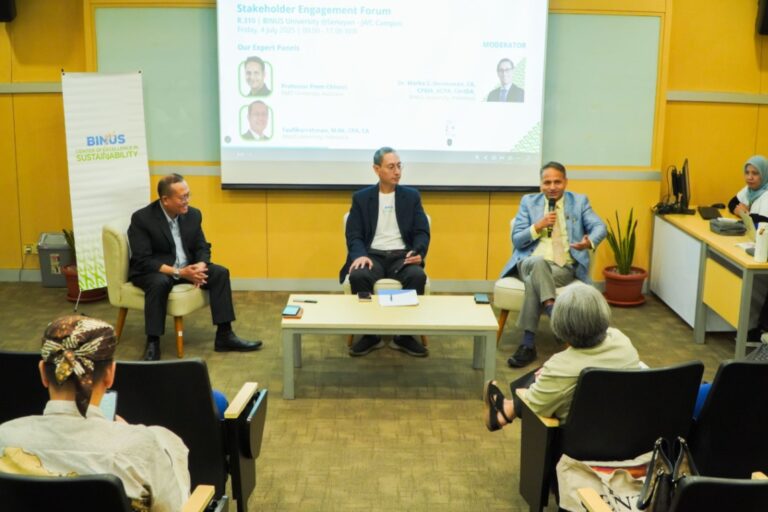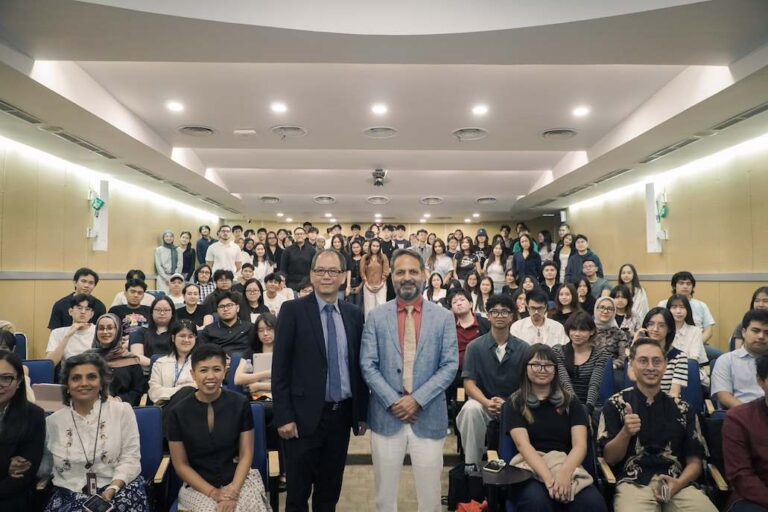









BINUS University collaborates with non-governmental organisations (NGOs) and non-profit organisations to address social, educational, and environmental challenges through student volunteering programmes, research collaborations, and the development and delivery of educational resources. In 2025, these collaborations connected students, academics, NGO partners, and communities through social innovation initiatives, sustainability research, community engagement, and educational programmes.
1. Student Volunteering Programmes
BINUS University facilitates student engagement with NGOs through programmes that encourage active participation in addressing community needs. One example is the BBS Social Innovation Camp, conducted in collaboration with Indorelawan, ISCO Foundation, Kelasekitar, and Komunitas Jendela Jakarta. Through this initiative, students worked with NGO partners to identify community needs and challenges and develop proposed interventions using the Design Thinking approach. The programme provided students with practical experience in social innovation and community engagement while supporting NGO-led community development initiatives.

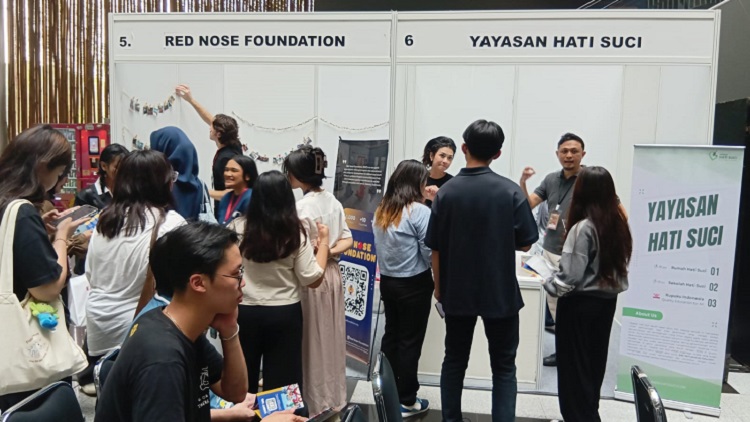
Another example is the Empowering Expo: Gen Z for Impact, held on 29–31 October 2025 at BINUS @Alam Sutera. Organised through Teach For Indonesia (TFI) and the Student Support Office (SSO) BINUS @Alam Sutera, the event brought students together with six NGO participants: Yayasan Hati Suci, Red Nose Foundation, Yayasan Teman Baik, Bagi Dunia, PKBM Ekatapadi, and Global Peace Foundation. Through exhibition booths and direct discussions with NGO representatives, students learned about social programmes and explored opportunities for collaboration, volunteering, and internships. The event provided a platform for students to engage with organisations working in education, humanitarian support, and community development.
2. Research Programmes
BINUS University also engages in research activities involving researchers affiliated with non-profit research institutions to generate knowledge relevant to sustainability and responsible business practices. One example is the 2025 research article entitled The Impact of ESG Factors on Investment Decisions: Exploring the Interplay between Sustainability Reporting, Corporate Governance, and Financial Performance, published in the Journal of Ecohumanism.
The publication includes researchers affiliated with BINUS University and Indonesia Palm Oil Strategic Studies (IPOSS), an organisation involved in palm oil research and policy studies. The research examines environmental, social, and governance (ESG) factors, sustainability reporting, corporate governance, and financial performance. Its findings contribute to discussions on sustainable business practices, corporate accountability, and responsible investment.
3. Development and Delivery of Educational Resources
BINUS University collaborates with NGOs to support educational access and improve learning opportunities for underserved communities. In 2025, BINUS worked with the ISCO Foundation through a community engagement programme supporting children from urban poor communities. The collaboration included assistance, training, and evaluation for ISCO’s learning programmes, helping strengthen the delivery of educational support through learning centres and develop children’s academic and non-academic skills.

BINUS University also collaborated with Yayasan Buddha Tzu Chi through an Environmental Education and Waste-Sorting Programme held on 7 February 2025. Involving Teach For Indonesia, Tzu Chi, and the BINUS Student Support Office, the programme combined student engagement with educational activities on waste management, waste sorting, and the environmental impacts of waste. Through practical learning and community participation, the initiative helped raise environmental awareness and encourage responsible waste-management practices.
These initiatives demonstrate BINUS University’s engagement with NGOs and non-profit organisations through student volunteering, research activities, and educational programmes. By connecting academic expertise and student participation with the work of external organisations, BINUS supports community development, knowledge sharing, educational access, and environmental awareness.