





PARTNERSHIPS FOR THE GOALS
Strengthen the means of implementation and revitalize the Global Partnership for Sustainable Development.
554
ACTION GOALS
573
PUBLICATIONS

EXPERTS

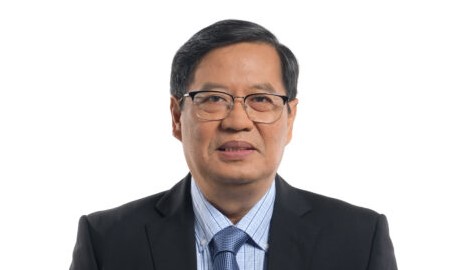
Prof. Dr. Tirta Nugraha Mursitama, Ph.D.
Related Goals
17
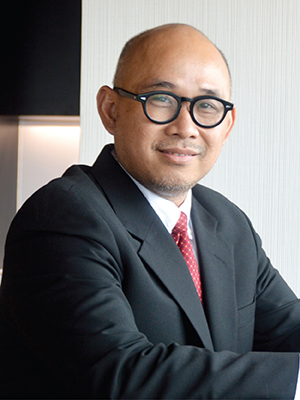
Johan, S.Kom., M.M., CDMS
Related Goals
17
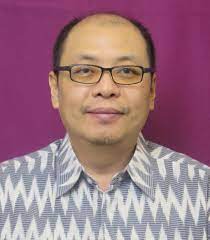
Dr. Ir. Yohannes Kurniawan, S.Kom., S.E., MMSI.
Related Goals
17
Dr. Elidjen, S.Kom., MInfoCommTech., CIP, CKM
Related Goals
17
Prof. Dr. Ir. Harjanto Prabowo, M.M.
Related Goals
17
Dr. Nelly, S. Kom., M.M., CSCA,
Related Goals
17
Ubaidillah Nugraha, M.Ec., M.P.M.
Related Goals
Dr. Suryadiputra Liawatimena, S.Kom., Pgdip.App.Sci.
Related Goals
Dr. Ridho Bramulya Ikhsan, S.E., M.M
Related Goals


BINUS University, through international collaboration and research, actively reviews comparative approaches and contributes to the development of international best practices in tackling the Sustainable Development Goals (SDGs).

In 2024, BINUS engaged in several impactful international initiatives aimed at addressing real-world SDG challenges across education, climate action, sustainable urban development, and engineering innovation. These efforts focused not only on theoretical frameworks, but also on practical implementation, community impact, and policy-relevant solutions—all through global academic partnerships.

1. Enhancing Faculty Capacity through Global SDG Pedagogy (June 2024)
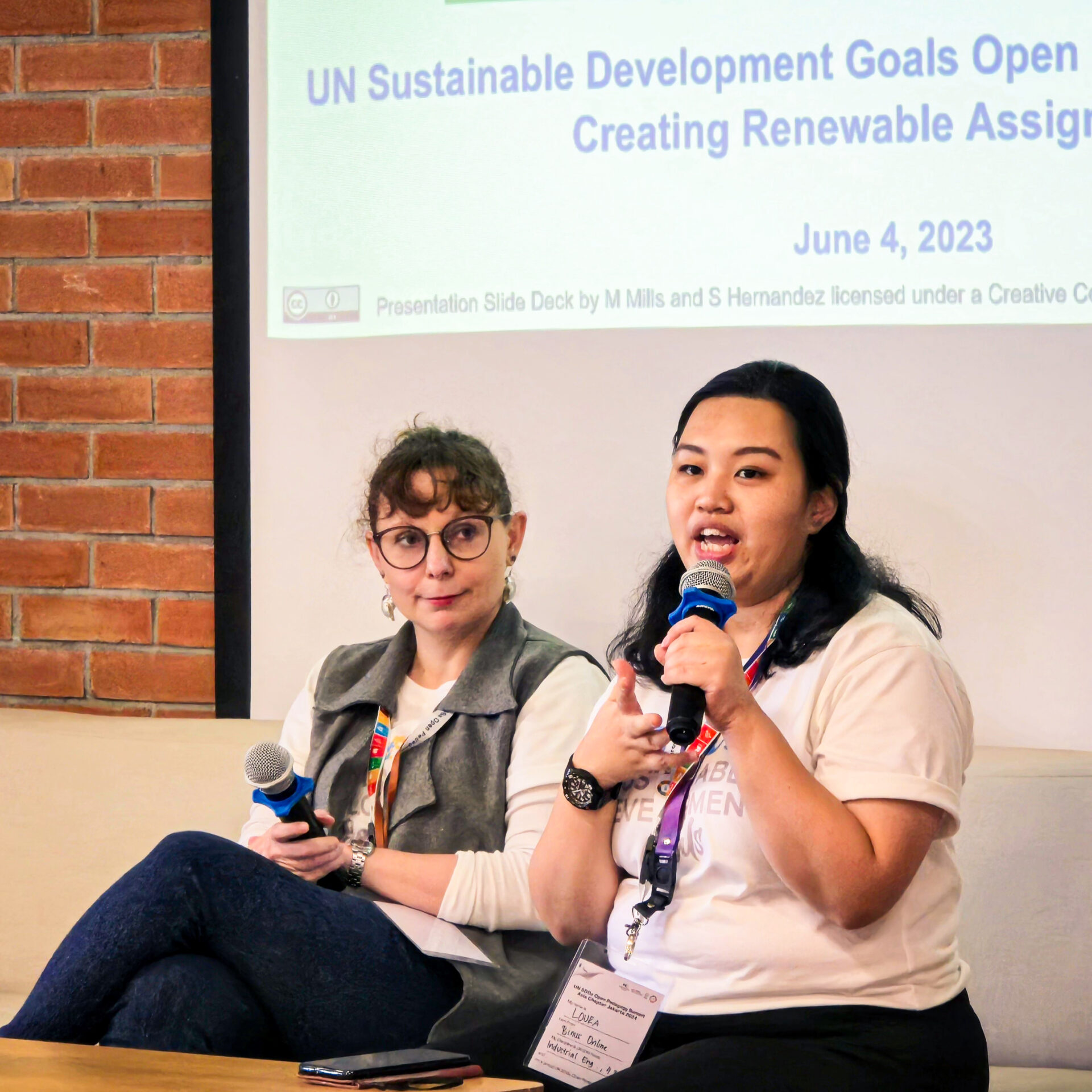
BINUS co-hosted the UN SDGs Open Pedagogy Summit – Asia Chapter with Montgomery College (USA) and other members of the Passage to ASEAN (P2A) and Nusantara Higher Education Network (NUNI). This initiative tackled SDG challenges by equipping educators across Asia and the U.S. with innovative teaching strategies that integrate real-world SDG issues—such as poverty, inequality, waste management, and access to education—into student-centered assignments. These assignments encouraged students to collect local data, propose community-based solutions, and reflect on global comparisons, fostering a deeper understanding of how different countries address SDG-related problems.
2. Advancing Best Practices through International Conferences
Through ICEED 2024 and ICEZ 2024, BINUS facilitated academic dialogue and cross-country comparison on critical SDG domains:

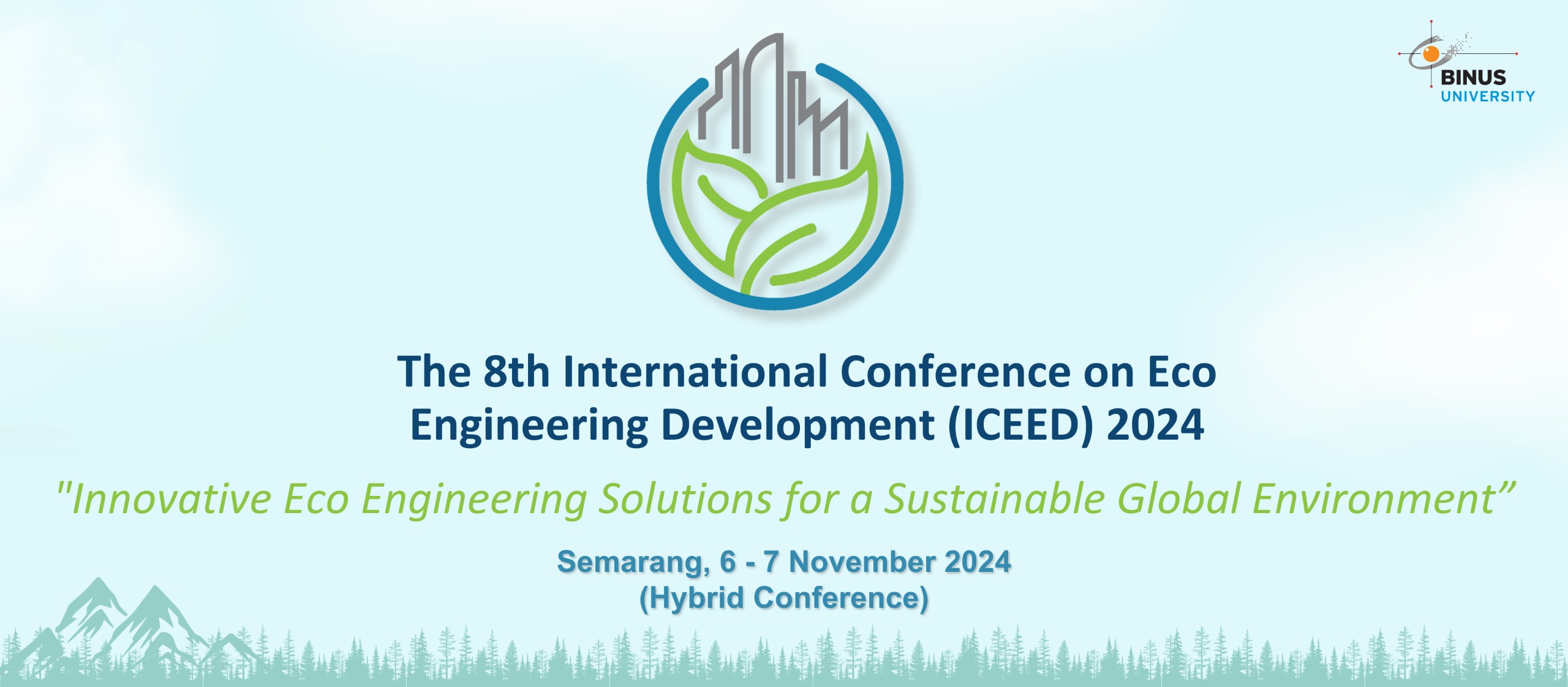
  • ICEED 2024 addressed challenges in climate resilience, renewable energy, and eco-engineering. Researchers from different countries shared solutions for sustainable infrastructure and environmental technology.

  • ICEZ 2024 focused on sustainable city development, green technology, and digital innovation. Case studies and data presented at the conference enabled institutions to benchmark practices, identify gaps, and refine strategies for urban sustainability.

These conferences did not just share knowledge—they actively tackled SDG problems by proposing measurable strategies, innovative designs, and data-backed policy recommendations.

3. Recognition for International Research Collaboration (BRIN, 2024)
In recognition of its strong global research networks, BINUS was named one of Indonesia’s top institutions for international collaboration by BRIN. This distinction reflected BINUS’s high number of international co-authored publications on topics related to sustainability, environmental resilience, and social development—directly contributing to comparative analysis and best practice development in SDG implementation.

BINUS University’s international initiatives go beyond academic exchange—they serve as collaborative efforts to directly tackle global SDG challenges through data-driven research, education reform, policy-relevant findings, and actionable solutions. From climate resilience and green innovation to education access and community empowerment, BINUS is actively shaping best practices that respond to SDG priorities both in Indonesia and globally.
BINUS University actively participates in international collaboration related to data gathering and measurement for the Sustainable Development Goals (SDGs). In 2024, this was demonstrated through several initiatives involving global academic networks, applied research, and education-based data practices.

UN SDGs Open Pedagogy Summit – Asia Chapter (2024)
In June 2024, BINUS co-hosted the UN SDGs Open Pedagogy Summit – Asia Chapter in collaboration with Montgomery College (USA), along with academic partners from the Passage to ASEAN (P2A) and the Nusantara Higher Education Network (NUNI). This international summit focused on integrating SDG themes into higher education teaching and learning.

As a key outcome, participating faculty—including those from BINUS—developed and shared classroom-based assignments that engaged students in collecting and analyzing local data related to sustainability challenges, such as social inequality, community health, waste management, and access to education. These assignments were designed not only to deepen student understanding of the SDGs, but also to generate grassroots-level data across different regions and countries.

This approach enabled BINUS and its international partners to gather and compare educational outcomes and community-level insights across diverse socio-economic contexts. The summit served as a model of how higher education institutions can contribute to SDG data collection in a participatory, scalable, and collaborative way—especially in the domain of SDG 4 (Quality Education) and SDG 17 (Partnerships for the Goals).

ICEED 2024

Held under the theme “Green and Sustainable Engineering for Climate Resilience,” ICEED 2024 brought together researchers, engineers, and academics from various countries to discuss innovations in sustainable engineering, renewable energy, environmental management, and infrastructure design. BINUS University participated as both a co-organizer and contributor, presenting peer-reviewed research that included empirical data and engineering-based solutions for climate adaptation and sustainable resource use.

The conference facilitated the exchange of data-driven research, technical findings, and methodologies that contribute to global knowledge in sustainable engineering—directly supporting the international community’s efforts to track progress and develop solutions aligned with the SDGs.

Call for Papers | Morressier

ICEZ 2024

In parallel, BINUS also played an active role in ICEZ 2024, which carried the theme “Empowering Digital Innovation and Green Technology for Sustainable Cities.” This conference focused on smart city development, environmental technologies, digital infrastructure, and green innovation. It was attended by international experts, researchers, and institutions who shared case studies, frameworks, and datasets that reflect current progress toward building sustainable and livable urban environments.

BINUS contributed through collaborative research presentations and publications, particularly in areas such as smart energy systems, waste management innovation, and urban digital transformation. The conference served as a platform for data sharing and benchmarking urban sustainability efforts across different countries.

Pada kesempatan kali ini saya diundang mewakili Wayang Plastik untuk terlibat sebagai Keynote Speaker ICEZ 2024. Storytelling Through Waste for a Sustainable Future atau Bertutur melalui limbah untuk masa depan yang berkelanjutan.

Both conferences served as platforms for international collaboration, where BINUS University contributed through research presentations, joint publications, and academic networking. These activities involved the exchange of data, methodologies, and findings that support global efforts in measuring and monitoring progress toward the SDGs.

These efforts also demonstrate BINUS’s dedication to being part of a global academic community that plays a role in informing policy, guiding innovation, and fostering sustainable development through research-based evidence.

BINUS University has further solidified its position as an active contributor to SDG policy development at both the national and regional levels. The university’s involvement spans from contributing expert input to national planning discussions to implementing field-based programs that align closely with global sustainable development frameworks.

1. Supporting National Policy with BAPPENAS and BRIN

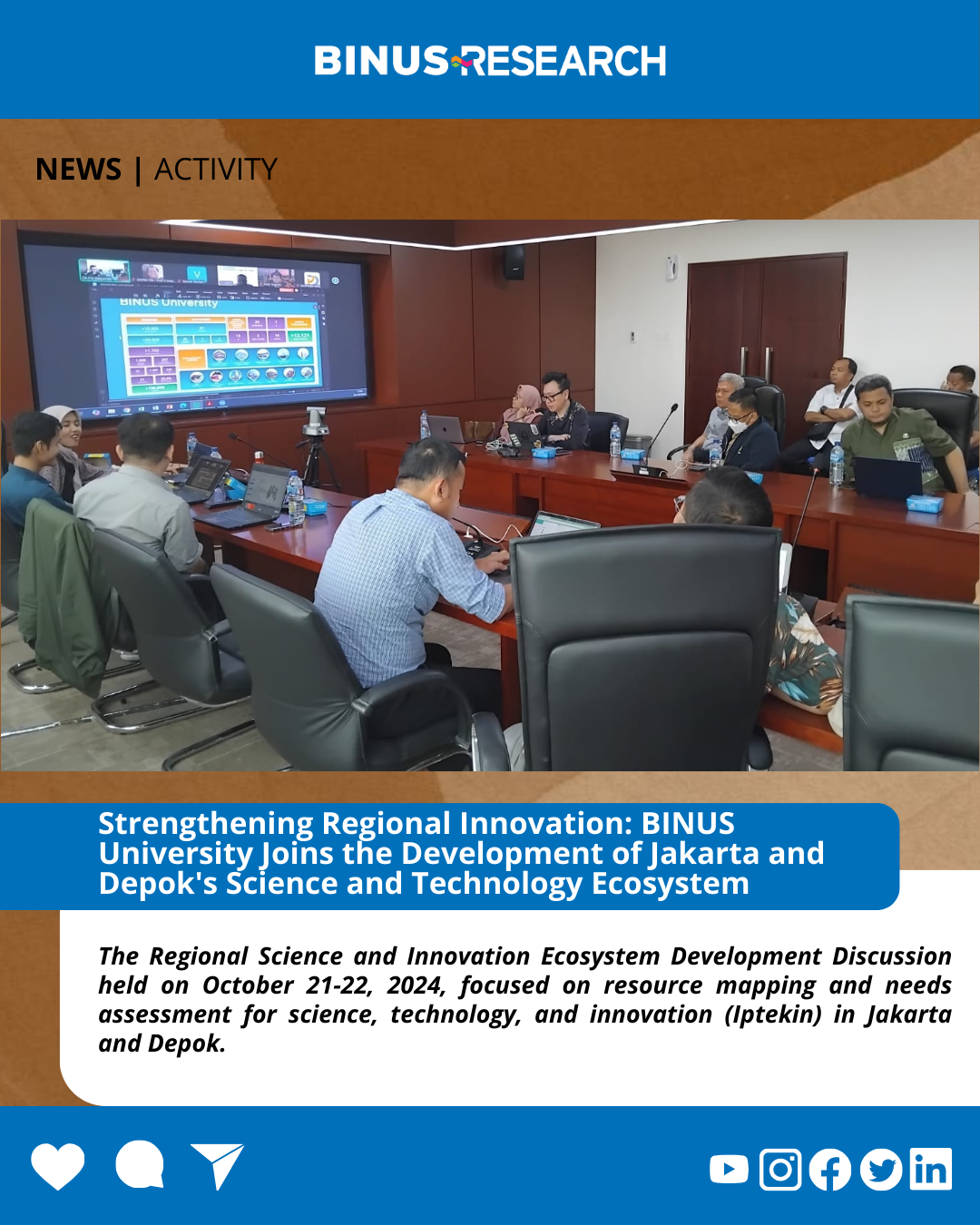
One of the most notable engagements took place in collaboration with the Ministry of National Development Planning (BAPPENAS) and the National Research and Innovation Agency (BRIN). BINUS was invited to participate in a national-level forum aimed at strengthening the regional science, technology, and innovation ecosystem in Jakarta and Depok.

In this forum, BINUS contributed through:

  • Resource mapping and ecosystem analysis

  • Identifying regional development challenges

  • Providing research-driven recommendations to align higher education output with regional SDG targets

This involvement reflects BINUS’s growing role as a knowledge partner in shaping future-oriented, data-driven policy strategies to support Indonesia’s sustainable growth.

2. Community-Based SDG Implementation in Labuan Bajo and Pasuruan

At the grassroots level, BINUS continues to develop programs that both inform and are informed by local SDG strategies. In collaboration with local governments and stakeholders, BINUS carried out community empowerment projects in Batu Cermin (Labuan Bajo) and Wonokitri (Pasuruan) under its flagship social innovation initiative.

Key components of the program include:

  • Baseline community research and needs assessment

  • Integrated entrepreneurship and education programs

  • Monitoring of community development indicators aligned with SDG targets

These initiatives not only support vulnerable communities directly but also serve as pilot models for local governments to adopt and scale up as part of their regional SDG plans.

3. Contributing to Indonesia’s Digital SDG Agenda with the United Nations

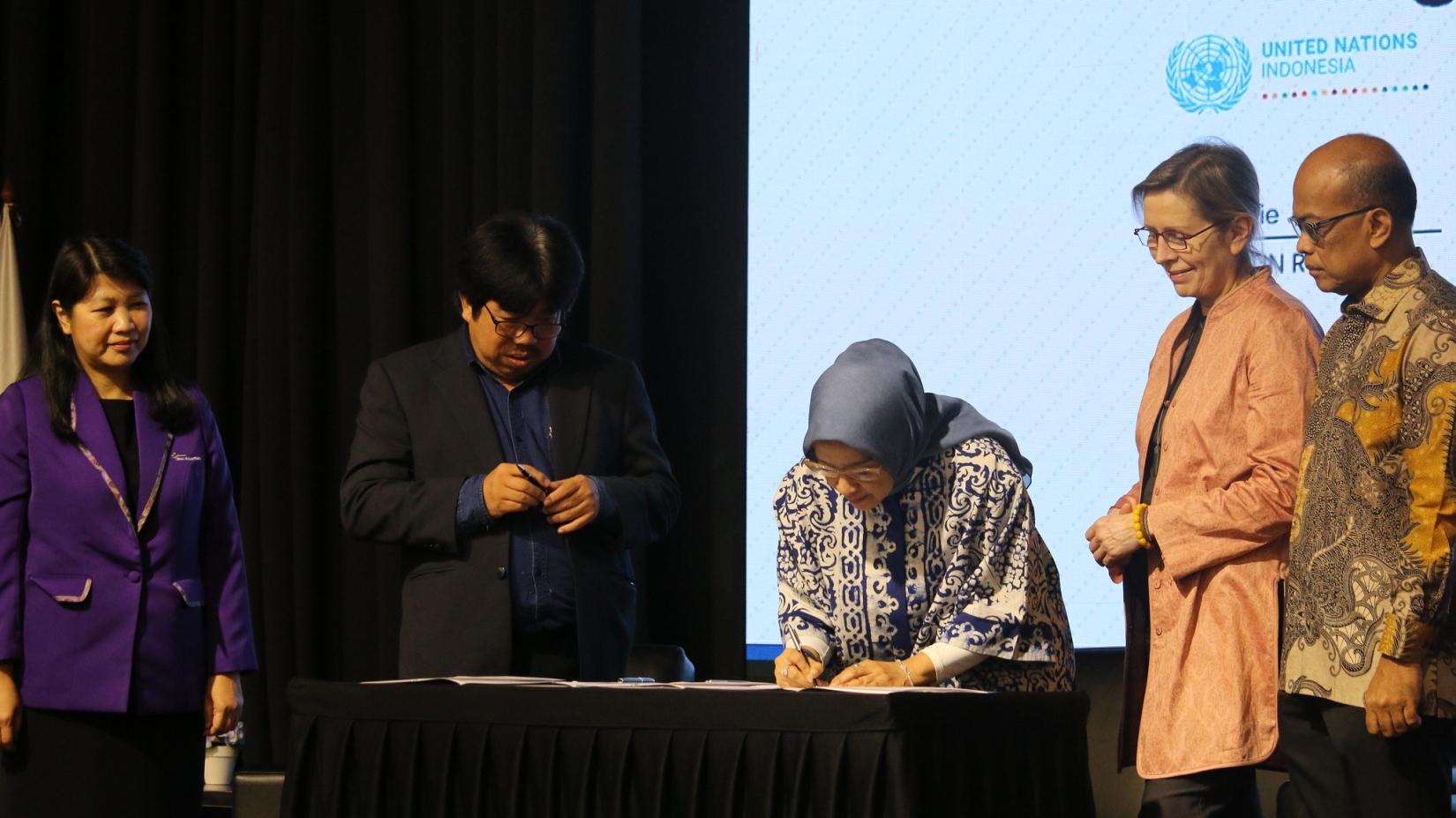
One person signs a paper on a table while four other people witnessing the signing ceremony

On the international stage, BINUS played a part in the nationwide digital transformation initiative supported by the United Nations in 2024. Through this partnership, universities and digital leaders were invited to contribute to Indonesia’s roadmap for digital development—a key enabler across multiple SDGs.

BINUS’s involvement focused on:

  • Enhancing digital infrastructure and digital literacy

  • Promoting equitable access to digital tools for economic empowerment

  • Contributing academic insights to shape inclusive digital policy

This effort emphasizes BINUS’s strategic role in bridging academic research with national and global digital policy frameworks to accelerate sustainable development.

Through these collaborative efforts, BINUS University demonstrates a comprehensive approach to SDG policy development—from top-level planning with government institutions, to localized implementation, and international policy collaboration. Each initiative reinforces the university’s long-term commitment to shaping a sustainable and inclusive future.

BINUS University actively initiates and participates in cross-sectoral dialogues addressing the Sustainable Development Goals (SDGs), bringing together government, NGOs, academia, and industry to collaborate on global challenges.

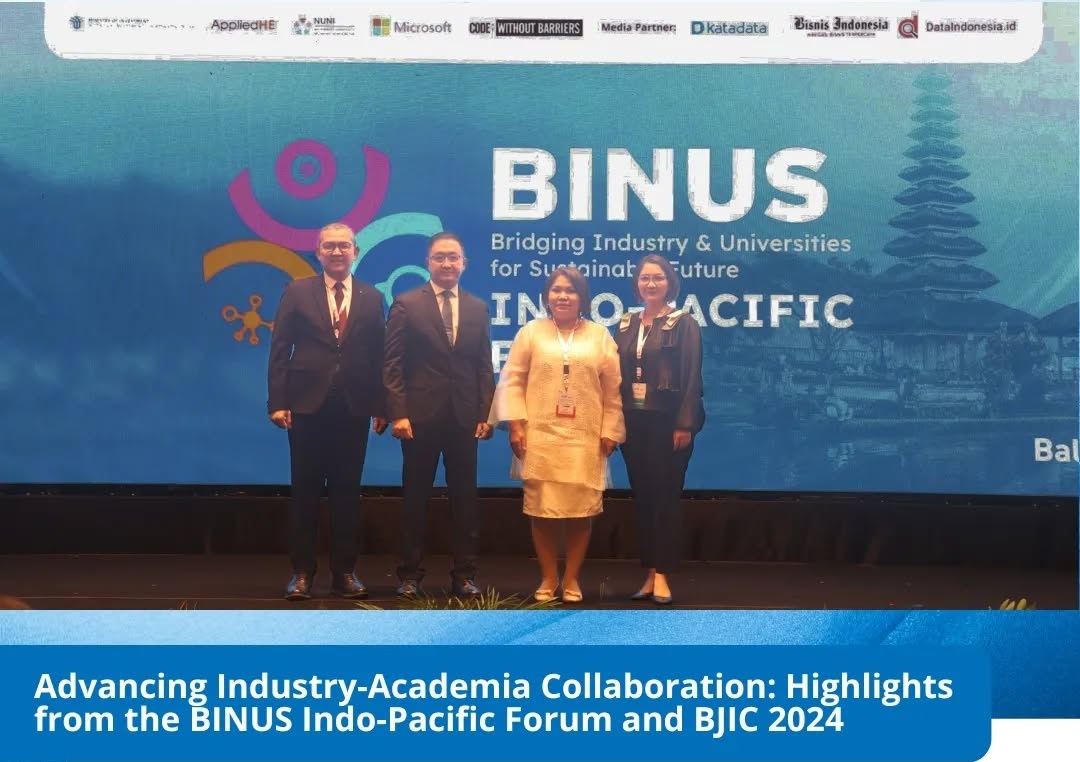
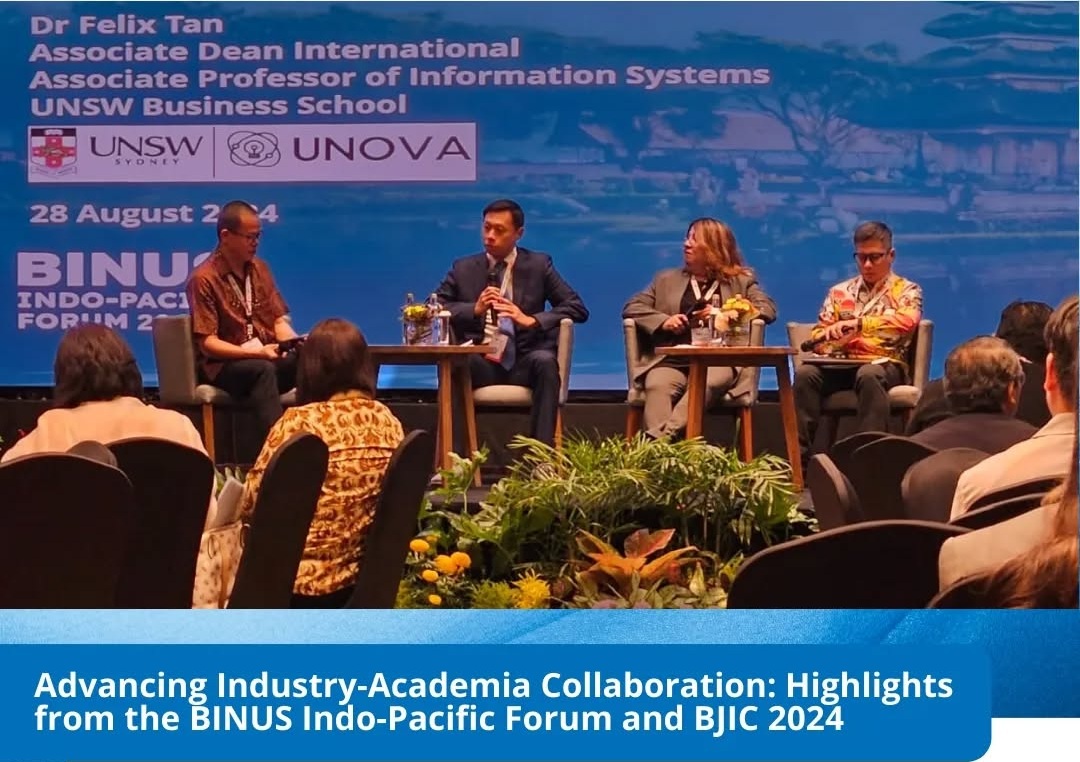
One major initiative is the BINUS Indo-Pacific Forum and BINUS Joint International Conference (BJIC), held in Bali in August 2024. The event featured prominent leaders such as Stephen Wahyudi Santoso (President of BINUS Higher Education & Professional Services), Dr. Nelly (Rector of BINUS University), and Prof. Dr. Tirta N. Mursitama (Deputy Minister for Investment Cooperation of Indonesia), who emphasized the importance of global partnerships and the pentahelix model for cross-sectoral collaboration. Diplomats such as H.E. Gina Alagon Jamoralin, the Philippine Ambassador to Indonesia, also underlined the role of regional cooperation for a sustainable future.

The conference included multiple specialized events, such as the International Conference on Biospheric Harmony (ICOBAR), which explored how digital technologies can drive sustainability. Keynote speakers from institutions like the University of New South Wales and Universiti Sains Malaysia shared strategies to integrate technology with sustainable practices, aligning with the Indo-Pacific Forum’s mission to foster innovation for a sustainable future.

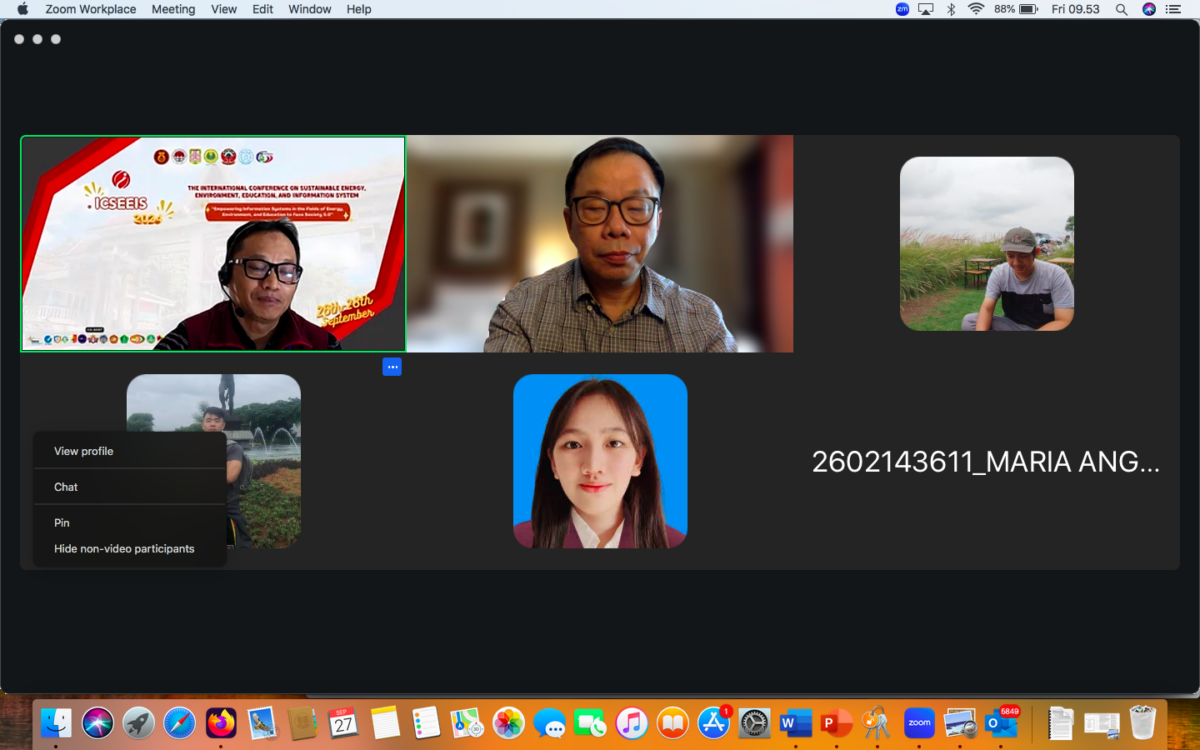
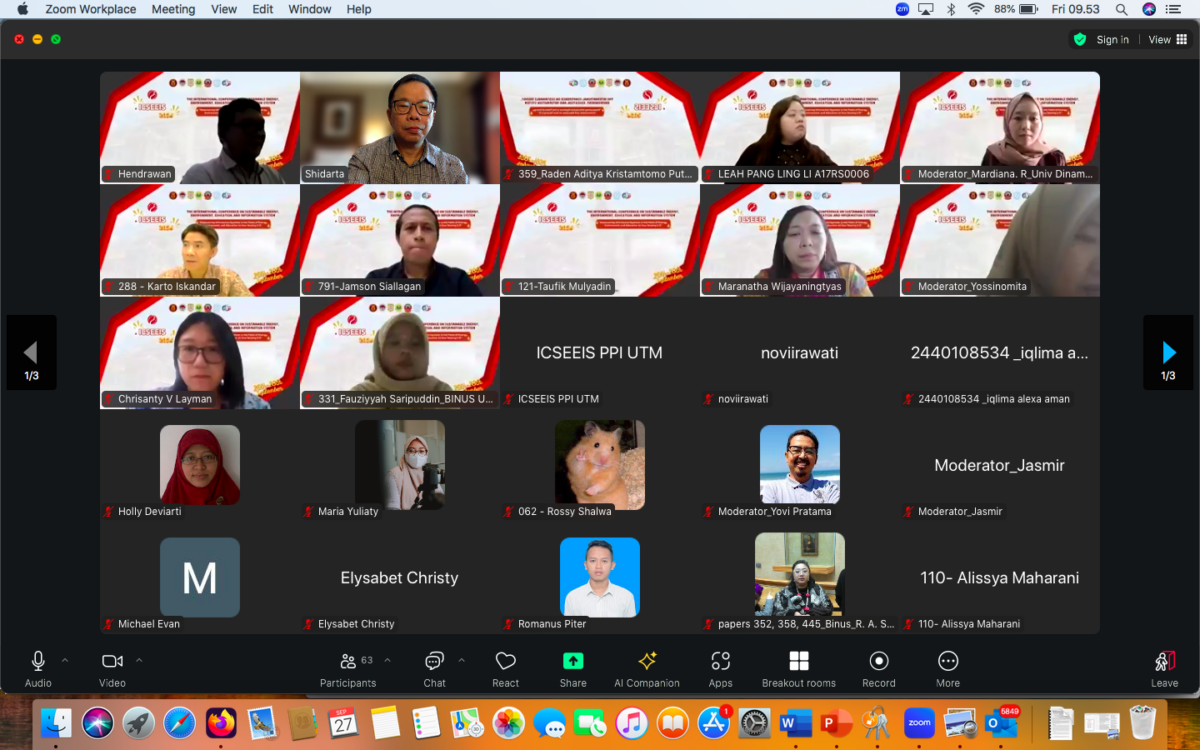
In addition, BINUS participated in the International Conference on Sustainable Energy, Environment, Education, and Information Systems (ICSEEIS 2024), where Business Law faculty presented research on the role of artificial intelligence in legal reform, particularly in Indonesia’s evolving death penalty policies. This reflects BINUS’s broader commitment to convening dialogues that merge technology, law, and ethics in the pursuit of justice and sustainable governance.

Through these platforms, BINUS demonstrates its commitment to driving impactful research, education, and cross-sectoral collaboration—ensuring that academic insight, government policies, NGO expertise, and industry innovation intersect to advance the SDGs.

BINUS University actively collaborates with various Non-Governmental Organizations (NGOs) to advance the Sustainable Development Goals (SDGs) through initiatives that engage students in volunteering programs, research collaborations, and the development of educational resources. These partnerships are designed to foster community empowerment, environmental sustainability, and inclusive education while providing experiential learning opportunities for students.

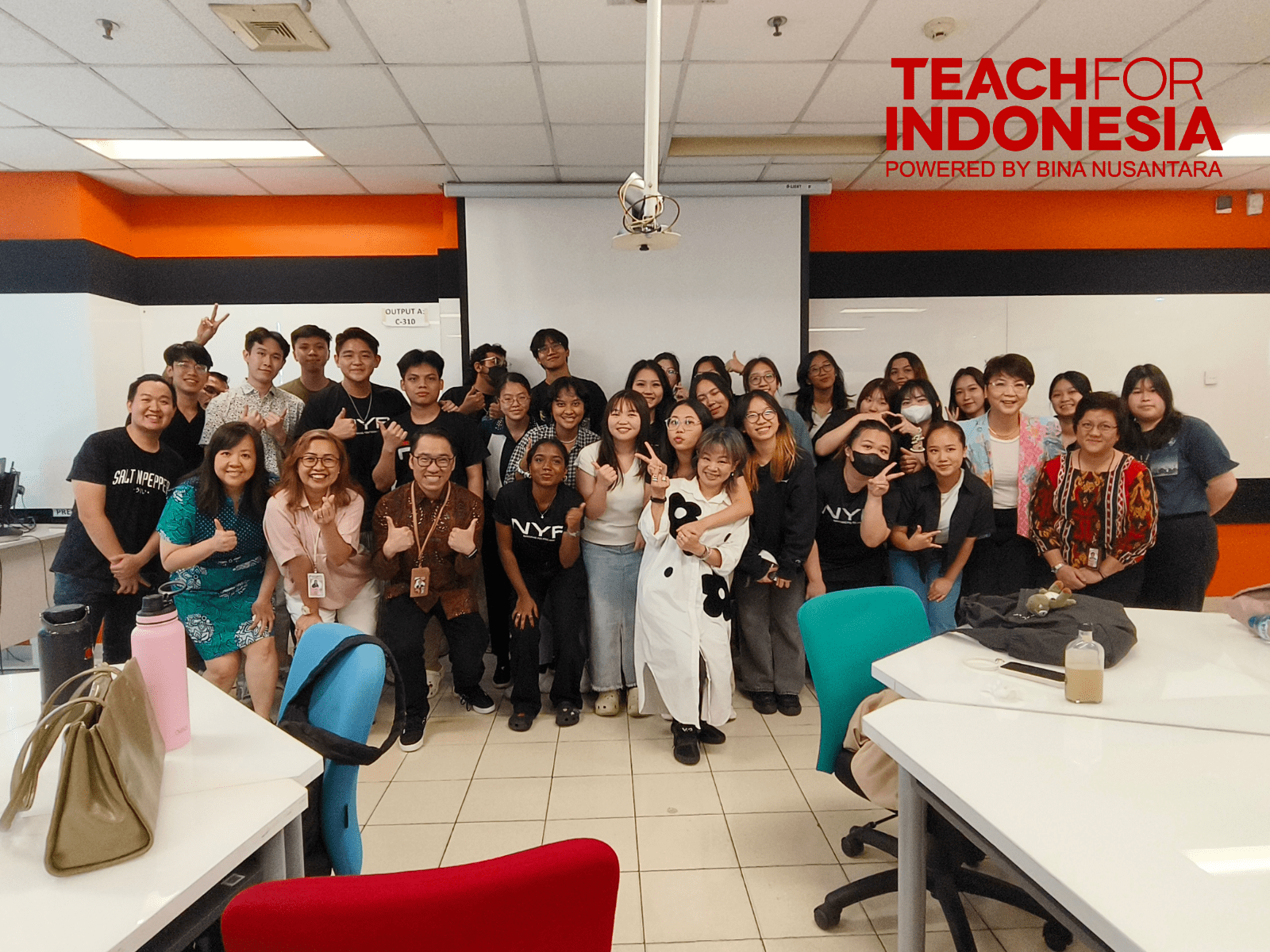
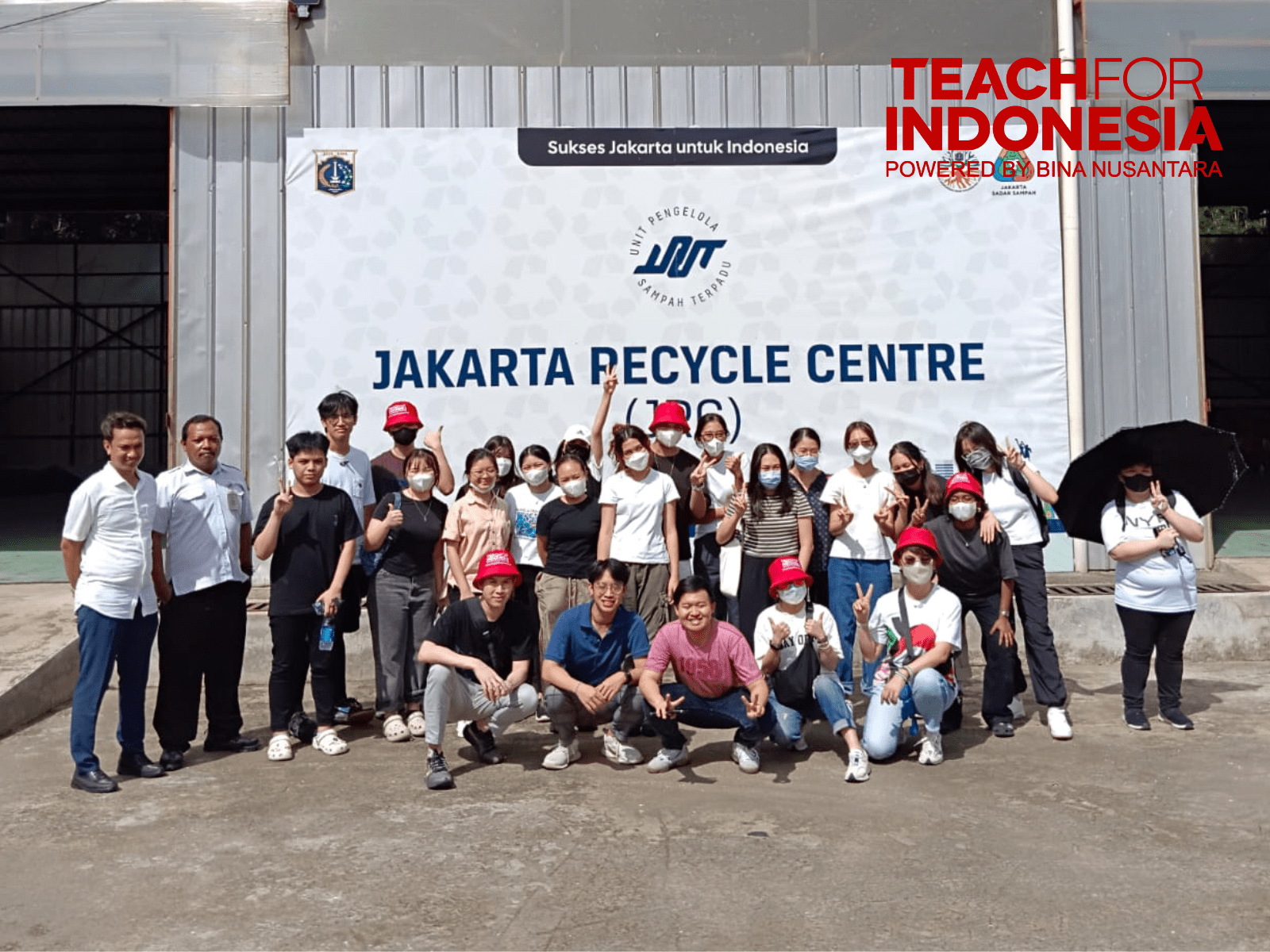
Through Teach For Indonesia (TFI), BINUS joined the Temasek Foundation SCALE 2024 program in partnership with Nanyang Polytechnic and local NGOs such as Surat Sobek, XSProject, Jakarta Recycle Centre, and Waste4Change. Students engaged in community visits and design thinking projects focused on circular design, waste management, and textile upcycling to address regional sustainability issues.

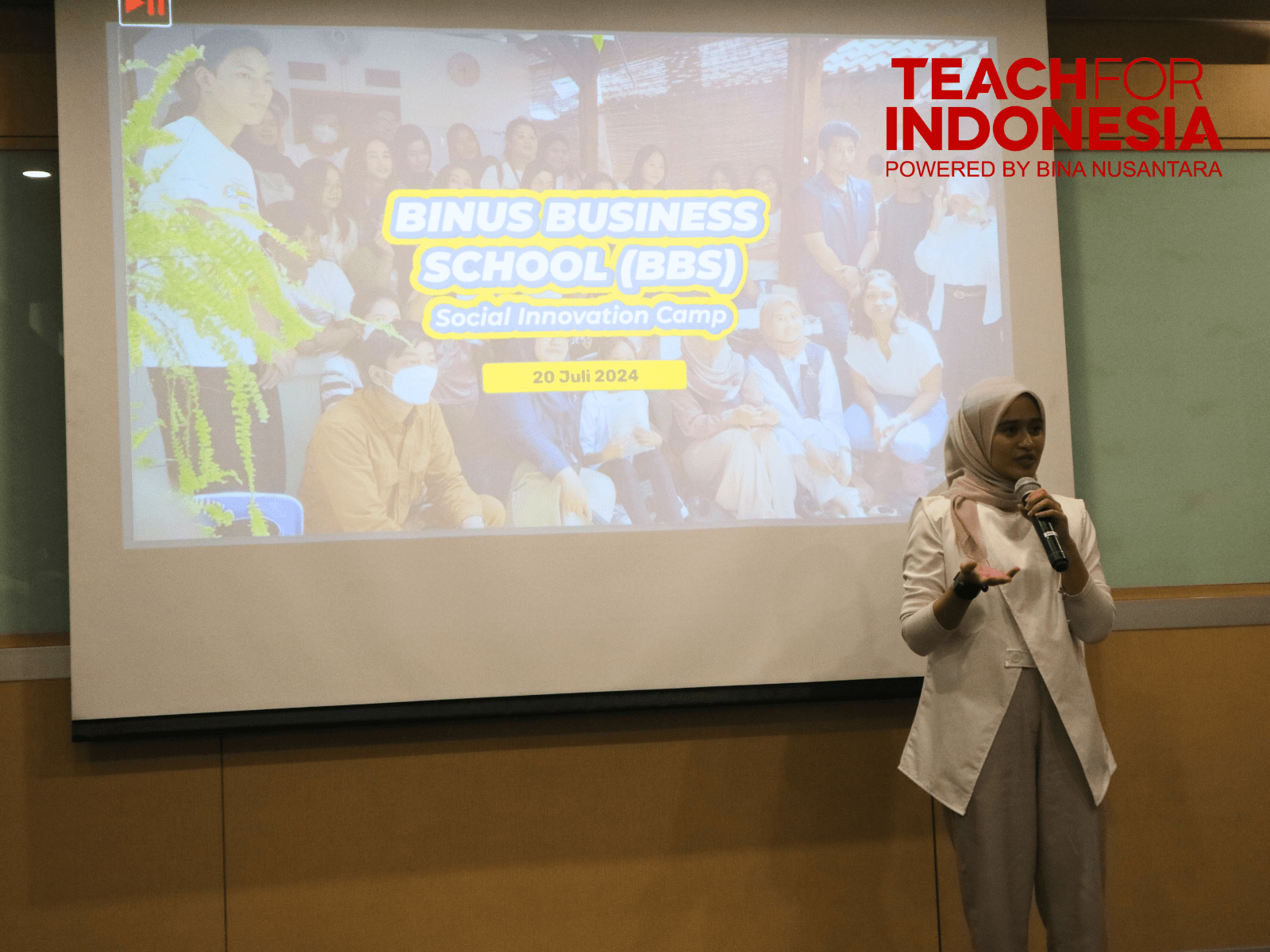
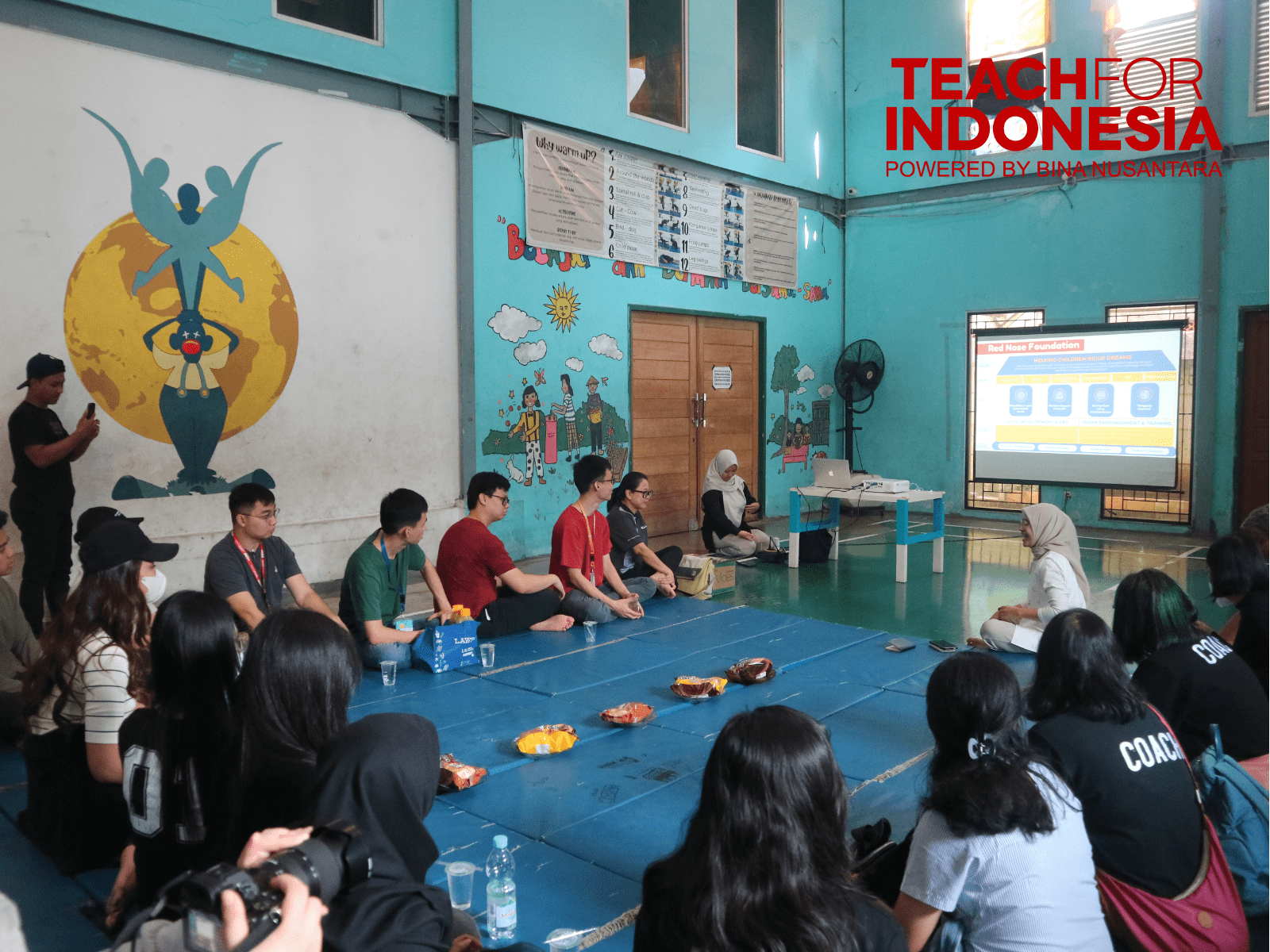
In addition, BINUS Business School hosted the Social Innovation Camp 2024 (BBS Innocamp), where students collaborated with NGOs and social enterprises to design innovative solutions for social and environmental challenges. Conducted in collaboration with Indorelawan.org as the program facilitator, the initiative guided students in conducting field observations and applying Design Thinking methods together with partner NGOs. Students were divided into groups to visit and learn directly from several NGOs, including The Umbrella Wisdom, Red Nose Foundation, Yayasan Budaya Mandiri, Sekolah MasTer, and Yayasan Bina Berdaya Bangsa. Throughout the program, students observed community empowerment practices, explored NGO operational models, and presented their findings and proposed solutions to a panel of judges. The camp highlighted real-world problem-solving, empathy-driven learning, and multi-stakeholder collaboration involving academia, NGOs, and the social sector.

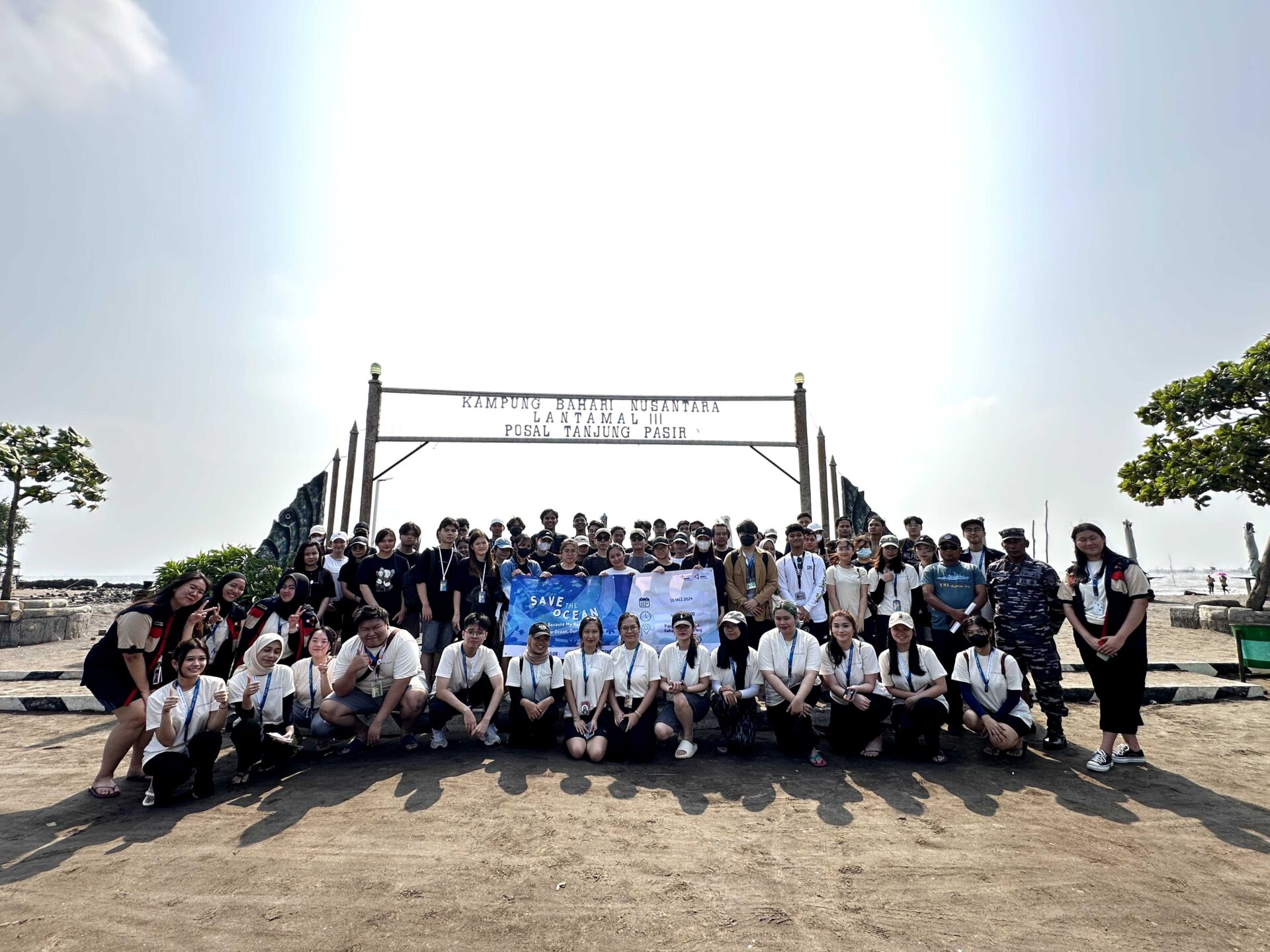
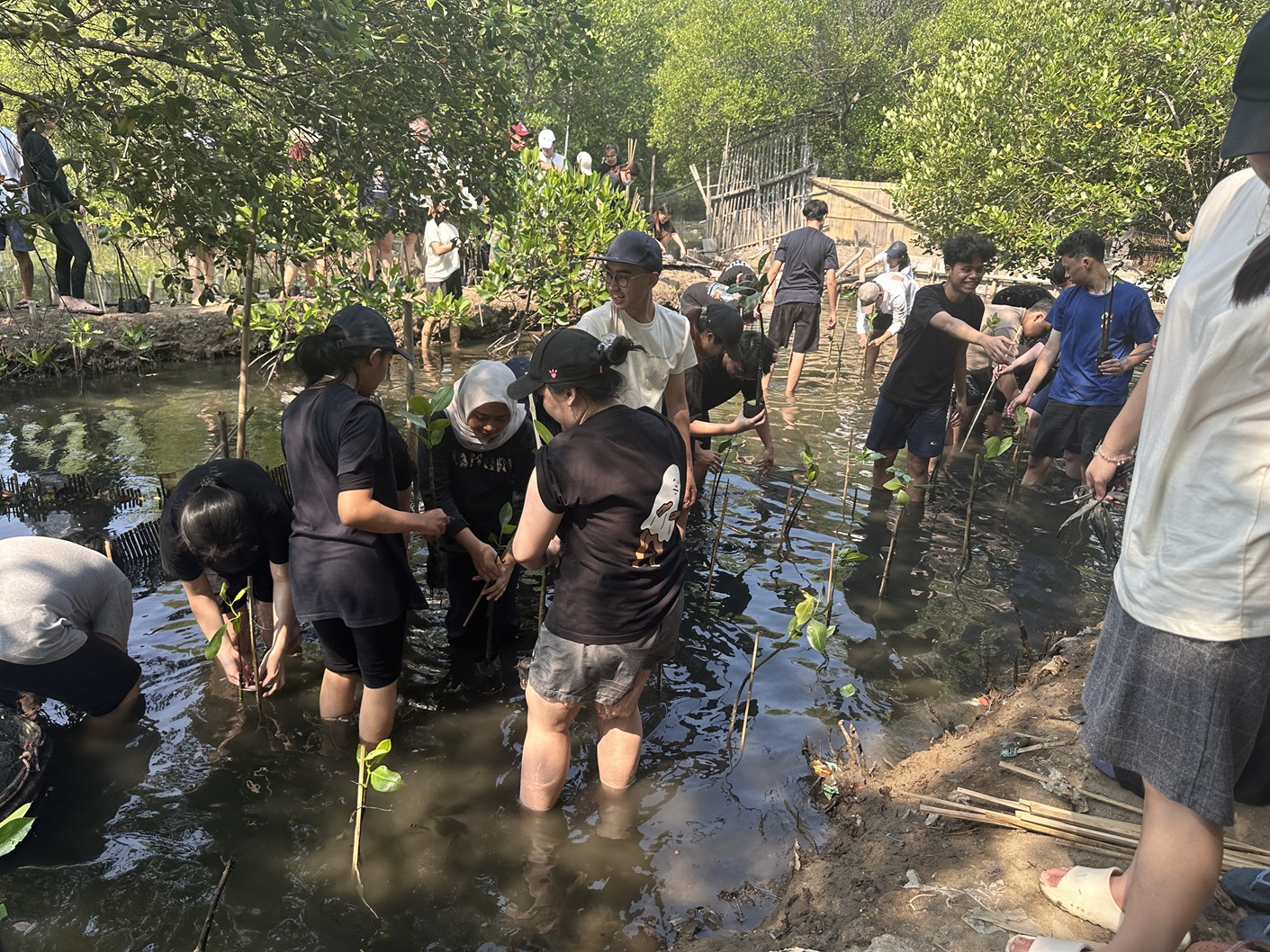
Another initiative, Save the Ocean 2024, organized by TFI, raised awareness about marine sustainability. By working with NGOs and local communities, the program promoted ocean conservation through education, clean-up drives, and student volunteerism.

Furthermore, BINUS University established a four-year research collaboration with the Yayasan Jamu Tradisional Indonesia (JATI), an organization dedicated to preserving and promoting Indonesia’s traditional herbal medicine (jamu). The partnership focuses on developing a comprehensive Indonesian traditional herbal plant database. The collaboration was formalized through a Memorandum of Agreement (MoA) signed at BINUS Anggrek Campus between Prof. Dr. Juneman Abraham, S.Psi., M.Si., Vice Rector of Research and Technology Transfer, and Imam Bagus Sumantri, S.Farm., M.Si., Apt., Chairman of JATI. The event was also attended by representatives from BINUS’s Biotechnology Department, Food Technology Department, and Food Biotechnology Research Center. PT Mega Medica Pharmaceuticals and Prof. Bens Pardamean, Head of BDSRC, also shared insights on future research possibilities.

These collaborations reflect BINUS University’s commitment to integrating academic research, NGO engagement, and community participation in achieving the SDGs.

BINUS University demonstrates a clear institutional commitment to advancing sustainability and the United Nations Sustainable Development Goals (SDGs) through its academic offerings. This commitment is reflected in the availability of dedicated degree programs, a university-wide minor, and a range of elective and integrated courses that embed sustainability principles across disciplines. These initiatives ensure that students from diverse study areas gain the knowledge, skills, and mindset to contribute meaningfully to sustainable development.

Minor in Sustainable Development

BINUS University offers a university-wide Minor in Sustainable Development, open to students from all disciplines. The program equips them with a strong foundation in sustainability principles and the UN Sustainable Development Goals (SDGs). It emphasizes interdisciplinary collaboration, critical thinking, and practical application to address local and global sustainability challenges.

Full Degree Programs with Sustainability Focus

Several BINUS degree programs integrate sustainability as a core element of their curriculum:

  • Master of Marine Digital Technology combines environmental science, marine conservation, and digital technology. Core courses such as Habitat Restoration and Conservation, Climate Change Mitigation, and Advanced Marine Pollution Management Systems and Ecotoxicology train students to develop technological solutions for marine and environmental sustainability.
  • Product Design Engineering (PDE) at BINUS ASO School of Engineering embeds sustainability and human-centered innovation throughout its curriculum. The program aligns with Making Indonesia 4.0 and Society 5.0, promoting eco-conscious product design through the principles of Breakthrough, Agility, Sustainability, and Empowerment.

Elective and Integrated Courses across Disciplines

Sustainability and SDG-related topics are also embedded across BINUS’ courses in various study areas:

  • Food Technology aligns with SDG 2 (Zero Hunger) and SDG 3 (Good Health and Well-being), focusing on sustainable food systems and safety.
  • Tourism offers courses such as Ecotourism and Sustainable Development and Field Project of Ecotourism & Sustainable Development, emphasizing responsible and sustainable tourism practices.
  • Other departments offer electives covering themes like climate change, renewable energy, and social equity.

Currently, more than 20% of BINUS’ active courses across all disciplines incorporate SDG-related content. Some are directly aligned with specific goals, while others adopt an integrative approach that embeds sustainability principles within broader subjects—building students’ awareness of environmental, social, and economic issues in real-world contexts.

Overall, BINUS University’s academic framework reflects its strong institutional commitment to sustainability. Through dedicated degree programs, minors, and SDG-integrated courses, BINUS ensures that all students—regardless of their field of study—are equipped to drive sustainable solutions and contribute to global change.

BINUS University organizes dedicated outreach and educational activities that reach alumni, local residents, and displaced groups.

On February 25, 2024, the BINUS Alumni Association (IKA BINUS) Social Division marked World Cancer Day with a visit to Rumah Singgah LPK (Lentera Pejuang Kanker) under YKAI. Alumni provided food, hygiene kits, books, and toys to support children with cancer, demonstrating a spirit of compassion and community service.

Through Teach For Indonesia (TFI), BINUS runs impactful initiatives such as the Festival Fundraiser 2024, which raised awareness and resources for social causes, and Smart Society Indonesia 2024, a program focused on educating communities about sustainability and innovation.

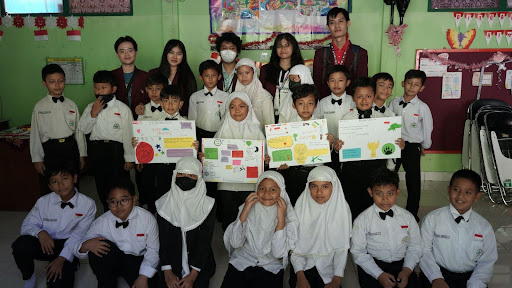
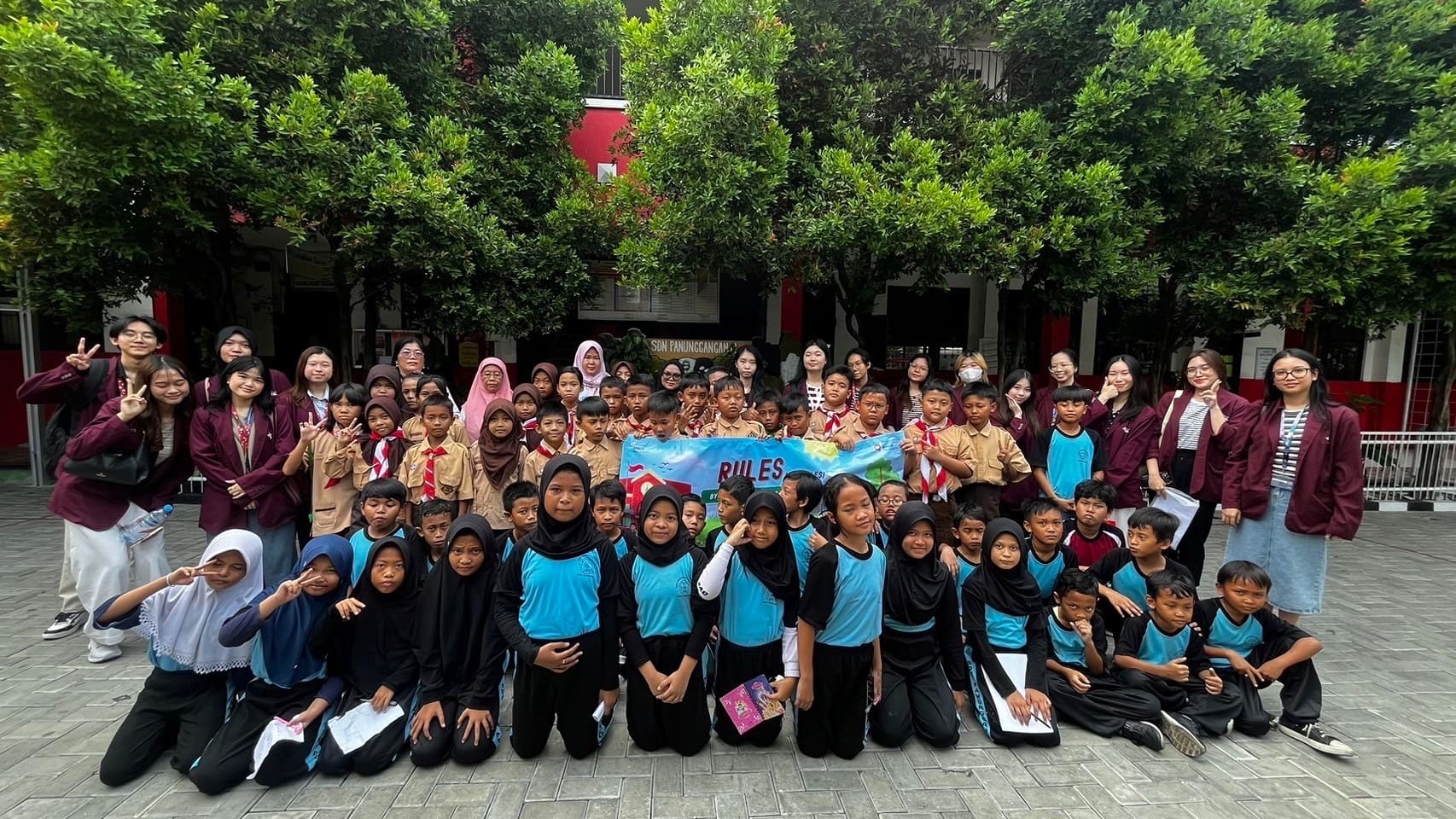
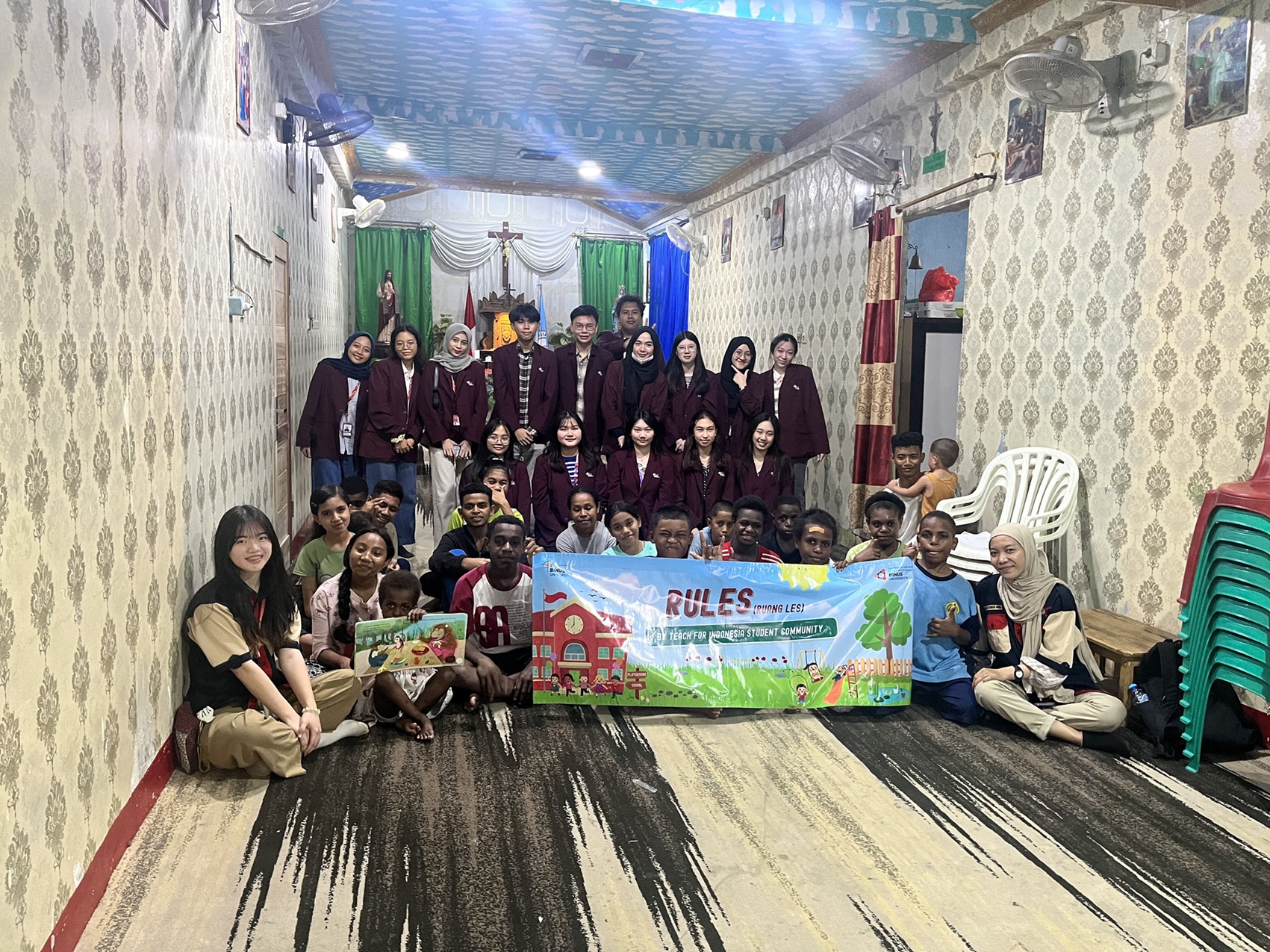
A notable educational outreach program is Ruang Les (RULES) 2024 held by the Teach For Indonesia Student Community (TFISC). This program provided free tutoring for elementary school students at SD Negeri Panunggangan 4 and children at Yayasan Sosial Tangan Kasih. Over five sessions, volunteers taught English and simple science experiments, helping children build confidence, independence, and curiosity in learning.

Together, these activities showcase BINUS University’s strong dedication to educational outreach, ensuring that its academic community contributes meaningfully to the wider society—from alumni engagement to student-led initiatives that empower children, local residents, and vulnerable groups.

BINUS University demonstrates a strong and proactive commitment to sustainability education by integrating the United Nations Sustainable Development Goals (SDGs) into its academic and extracurricular initiatives. The university fully supports the 17 SDGs as part of its global responsibility to reduce poverty, improve health and education, address climate change, and preserve forests and oceans through collaborative action.

To embed sustainability into learning, BINUS offers:

Minor Program in Sustainable Development: A dedicated minor program available to all eligible students, designed to equip them with knowledge and skills to contribute toward global sustainability, through courses such as Sustainable Design and Manufacture, Digital for Sustainable Development, and Introduction to Sustainable Development, regardless of their discipline.

Curriculum Integration of SDGs: Selected study programs, such as Food Technology, align directly with SDGs like Zero Hunger and Good Health and Well-Being, ensuring students encounter sustainability concepts early in their academic journey.

Beyond these programs, more than 20% of BINUS’s active courses across all disciplines incorporate SDG-related content. Some courses are directly aligned with specific SDGs—for instance, programs such as Food Technology, Psychology, and Biotechnology address goals related to Zero Hunger and Good Health and Well-Being. Others adopt an integrative approach, embedding sustainability principles within broader subjects to build students’ critical awareness of environmental, social, and economic impacts in real-world contexts.

Product Design Engineering (PDE) at BINUS ASO School of Engineering also integrates sustainability within its curriculum by prioritizing human-centered design and sustainable product development aligned with Making Indonesia 4.0 and Society 5.0. The program promotes a holistic approach built on Breakthrough, Agility, Sustainability, and Empowerment, encouraging students to innovate responsibly for long-term impact.

Entrepreneurship and Ideation-Based Learning: Through courses like Entrepreneurship and Product Design, students develop innovations addressing SDG challenges across categories such as Technopreneurship, Creativepreneurship, Sociopreneurship, and Foodpreneurship. These ideation activities—ranging from brainstorming to prototyping—foster practical, impactful solutions for global issues.

In addition, BINUS Business School has introduced the Sustainability Leadership Program 2024, which empowers current and future leaders to understand sustainability trends, enhance leadership skills, and drive meaningful change within their organizations. This program reflects the university’s vision of preparing leaders capable of navigating global risks while promoting sustainable growth.

Together, these initiatives highlight BINUS University’s comprehensive approach to sustainability: from classroom learning and leadership development to innovation and entrepreneurship. By mainstreaming sustainability education and fostering global collaboration, BINUS ensures its students and graduates are ready to take part in solving the world’s most pressing challenges.