




REDUCED INEQUALITIES
Reduce inequality within and among countries.
171
ACTION GOALS
280
PUBLICATIONS

EXPERTS

Dr. Ezmieralda Melissa
Related Goals
Dr. Lianna Wijaya, Amd., S.E., M.MSI
Related Goals
Roosalina Wulandari. S.Psi., M.Psi. Ph.D (Cand.)
Related Goals
Dr. Dina Fitria Murad, S.Kom., M.Kom., CEAA., SMIEEE.
Related Goals
Dr. Kukuh Lukiyanto, S.T., M.M., M.T.
Related Goals


BINUS University is committed to providing an inclusive and accessible learning environment for people with disabilities. Through accessible campus infrastructure, disability support services, and institutional guidelines, the university seeks to reduce barriers to education and campus participation and to ensure that students with disabilities can access facilities and receive appropriate support according to their needs.

  1. Accessible Campus Infrastructure

BINUS University recognizes the importance of physical accessibility in enabling people with disabilities to navigate campus facilities safely and independently. As documented in its Accessible Facilities initiative, the university provides accessibility features designed to support mobility and access to campus buildings and learning spaces. These facilities are intended to help students and other members of the university community with disabilities participate more comfortably in academic and campus activities.
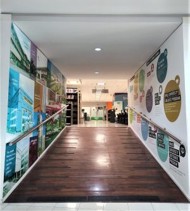
Accessibility measures such as ramps, elevators, accessible pathways, and other disability-friendly facilities can help reduce physical barriers for people with mobility impairments. Clear access routes and appropriate wayfinding features are also important in supporting individuals with different accessibility needs.

  1. Disability Support and Student Services

Beyond physical infrastructure, BINUS University supports an inclusive campus experience through services for students with disabilities. Support mechanisms help address individual learning needs and encourage students to participate in academic and non-academic activities. This approach recognizes that accessibility involves not only entering campus buildings but also being able to engage meaningfully in university life.

The university’s support services provide an institutional framework for responding to student needs and promoting awareness of disability inclusion among the campus community.

  1. Disability Guidelines and Awareness

BINUS University provides a Pocket Guide on Disability (Buku Saku Disabilitas) as a resource for promoting understanding of disability and encouraging more inclusive interactions. The guide helps members of the university community understand disability-related needs and adopt appropriate approaches when communicating with and supporting people with disabilities.
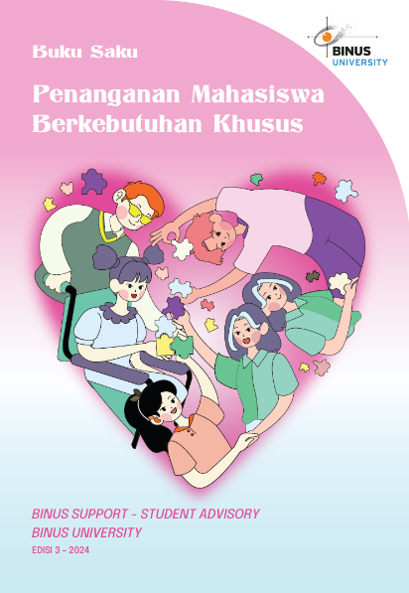
By making disability-related guidance available, BINUS University encourages greater awareness and supports the development of an environment in which individuals with disabilities are treated with dignity and respect.

Through its accessible campus facilities, disability support initiatives, and Buku Saku Disabilitas, BINUS University demonstrates its commitment to reducing accessibility barriers and fostering a learning environment in which people with disabilities can participate in university life with greater independence, dignity, and equal opportunity.
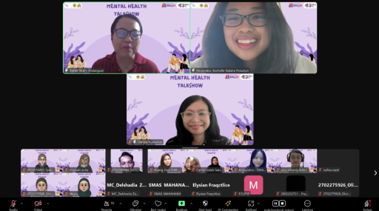
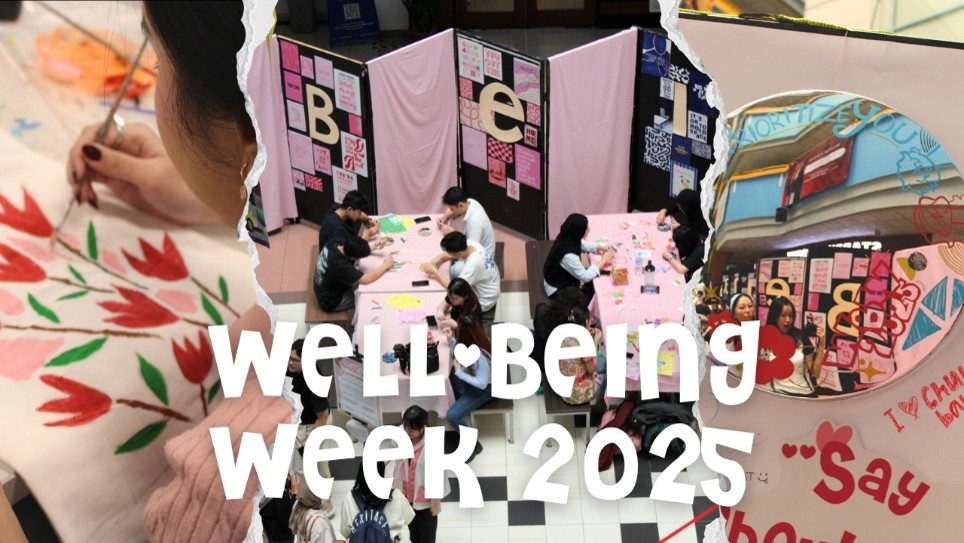
BINUS University demonstrates its commitment to supporting students from underrepresented groups through institutional counselling services, mental health awareness initiatives, and targeted assistance for students from financially disadvantaged backgrounds. These programmes help address emotional, personal, academic, and financial challenges that may affect students’ well-being and participation in higher education. Through these complementary forms of support, BINUS University seeks to foster an inclusive academic environment where students can access assistance according to their needs.

  1. Institutional Counselling and Student Support Services

The Student Advisory and Support Center (SASC) serves as an institutional resource for student guidance and support at BINUS University. Through its student support services, BINUS provides a channel for students seeking assistance with personal concerns, emotional well-being, and challenges encountered during their university experience.

  • Counselling and Personal Support: SASC provides a point of access for students who need guidance in addressing personal and student-life challenges.
  • Student Well-being: Access to support services helps students navigate difficulties that may affect their well-being and engagement with university life.
  • Inclusive Student Support: Institutional support services complement BINUS University’s broader commitment to an academic environment in which students can seek assistance when facing individual challenges.

These services provide an institutional foundation for student support and contribute to a more supportive university experience.

  1. Mental Health Awareness and Emotional Well-being Initiatives

BINUS University also promotes mental health awareness through campus activities that encourage students to reflect on their emotional well-being and recognize the importance of psychological health. In November 2025, BINUS published “Mosaic of Me: Pause and Find Your Pieces,” an activity associated with World Mental Health Day 2025.

  • Mental Health Awareness: The initiative provides a platform for engaging the university community in conversations and activities related to mental well-being.
  • Self-reflection and Emotional Well-being: The theme encourages participants to pause, reflect on their experiences, and recognize the importance of caring for their mental health.
  • A Supportive Campus Environment: Mental health awareness activities complement institutional counselling by encouraging openness around well-being and helping build a campus culture that recognizes the importance of psychological support.

Together, awareness initiatives and counselling services represent complementary approaches to student well-being: one encourages awareness and engagement, while the other provides an institutional channel for seeking assistance.

  1. Targeted Support for Students from Low-Income and Underrepresented Backgrounds

BINUS University provides targeted assistance to students from financially disadvantaged backgrounds through scholarship programmes developed with partners, foundations, and alumni. According to BINUS University’s Low-Income Student Support initiative, this assistance extends beyond tuition coverage to address additional needs that may affect students’ ability to continue their studies.

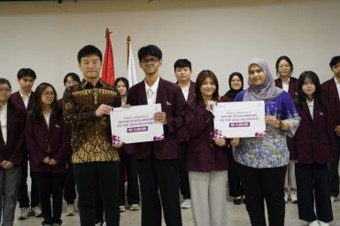
  • Scholarships for Underrepresented Students: Programmes include the Affirmation Scholarship for students from regions requiring special attention, the Wibowo Scholarship for financially disadvantaged students, the ADIK Scholarship for students from specific regions including Papua and children of migrant workers, and other forms of educational assistance.
  • Additional Educational Support: Depending on the scholarship programme, assistance may include monthly stipends, textbooks, laptops, internship opportunities, transportation, dormitory accommodation, and free meals.
  • Reducing Barriers to Academic Participation: By addressing financial and practical challenges, these programmes help students from low-income backgrounds pursue and complete their education more effectively.

Although financial assistance differs from counselling or mentoring, it complements student support services by addressing economic barriers that may affect educational participation and well-being.

BINUS University is committed to fostering a diverse, equitable, inclusive, and respectful academic environment in which students, faculty, and staff from different backgrounds have opportunities to participate and thrive. This commitment is reflected in the university’s institutional policies, dedicated support functions, and programmes designed to promote equality, protect individual rights, and support underrepresented groups across its academic community.

As outlined in BINUS University’s Commitment to Equality, Diversity, and Inclusion, the university recognizes the importance of creating an environment that respects individual differences and provides equitable opportunities. This commitment is supported by its institutional framework for diversity and inclusion, including the role of the University Diversity Officer, which is documented through BINUS University’s official SDG reporting. The officer’s role provides an institutional point of responsibility for advancing diversity and equality and supporting the implementation of relevant policies and initiatives.

BINUS University’s approach is further supported by dedicated institutional units that contribute to inclusion and community well-being. Human Capital (HC) supports equality and fairness in employment and employee relations, while the Student Advisory and Support Center (SASC) provides guidance and support for students experiencing academic or personal challenges. The BINUS International Office (BIO) assists international students with their transition into university life and supports their integration into a diverse learning community. Together, these functions help address the needs of different groups within the university and promote a more inclusive campus environment.

The university also promotes diversity through its international learning community. As highlighted by the BINUS International Office, students from different countries and cultural backgrounds enrich the educational experience by encouraging intercultural interaction, broader perspectives, and mutual understanding. These efforts help establish an academic environment in which cultural diversity is recognized as a valuable part of university life.

In addition, BINUS University provides support for underrepresented groups through initiatives intended to improve access, participation, and student well-being. These initiatives reflect the university’s commitment to reducing barriers and ensuring that students from different social and economic backgrounds can access educational opportunities and receive appropriate support throughout their studies.

BINUS University has established institutional policies to prevent discrimination, harassment, and violence and to maintain a safe, inclusive, and respectful environment for all members of its university community, including students, faculty, and staff. The university’s commitment to equality, diversity, and inclusion is formalized through Rector’s Decree No. 0136A and reinforced by its Zero Tolerance Policy on discrimination and violence.

The university’s commitment is further demonstrated through Rector’s Circular Letter No. 1677A/REK/IX/2023 on the Implementation of Anti-Discrimination and Anti-Violence. This circular reinforces BINUS University’s prohibition of discriminatory and violent behavior, including physical and psychological violence. The policy promotes equal treatment and respect for individuals regardless of their backgrounds, including differences in ethnicity, race, religion, gender, and disability status.

In addition to its anti-discrimination framework, BINUS University has an explicit anti-harassment policy. The university prohibits harassment and other forms of violence that threaten the safety, dignity, and well-being of its community members. Its commitment is also reflected in the Employment Guideline, which applies to employees and business units under BINUS management. Article 68 addresses negative conduct involving ethnicity, religion, race, and inter-group relations (SARA), as well as sexual harassment. Violations may result in disciplinary measures in accordance with institutional regulations and applicable laws.

BINUS University also provides mechanisms for reporting and addressing incidents of discrimination and harassment. Complaints are handled seriously and confidentially, with appropriate follow-up and disciplinary action based on the nature of the violation. Furthermore, the university has established a task force for the prevention and handling of sexual violence in higher education, supporting the implementation of preventive measures, education, and responses to reported cases.

These policies and implementation mechanisms demonstrate that BINUS University’s commitment extends beyond general statements of equality. Through formal rectoral regulations, employment guidelines, a zero-tolerance approach, and reporting and response mechanisms, BINUS University establishes an institutional framework to prevent discrimination and harassment and to promote a safe, fair, and inclusive environment for its entire university community.

BINUS University takes planned actions to expand access to higher education and promote equitable employment opportunities for individuals from underrepresented groups. These efforts include students from low-income families and underserved regions, as well as staff and faculty members from diverse backgrounds. Through targeted educational access initiatives, institutional anti-discrimination policies, and employment guidelines, BINUS University establishes a framework to support diversity, equal opportunity, and inclusive participation within its academic and professional community.

These initiatives align with BINUS University’s vision of “Fostering and Empowering the Society in Building and Serving the Nation,” reflecting its commitment to making educational and professional opportunities more accessible to people from diverse backgrounds.

  1. Targeted Recruitment and Educational Access for Underrepresented Groups

BINUS University promotes wider access to higher education through initiatives designed to reach students who may face financial, geographical, or other barriers to university participation. Its Access to University Underrepresented Groups Recruit initiative highlights planned efforts to recruit students from underrepresented backgrounds, including individuals from low-income families and remote regions.

  • Affirmative Scholarship Opportunities: BINUS supports access to higher education through scholarship initiatives, including the Affirmation Scholarship and the ADik (Afirmasi Pendidikan Tinggi) Scholarship, which help eligible students from disadvantaged backgrounds pursue university education.
  • Access for Students from Diverse Regions: These initiatives help broaden educational opportunities for students from underserved areas, including regions such as Papua, where geographical and economic circumstances may create additional barriers to higher education.
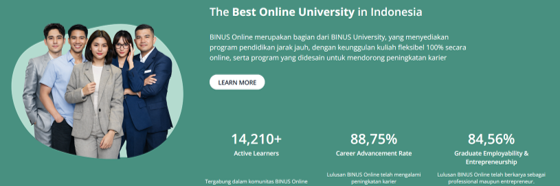
  • Flexible Educational Pathways: BINUS also provides learning options such as BINUS Online Learning and evening classes, which can accommodate individuals whose work, location, or personal circumstances make conventional study arrangements challenging.

Together, these initiatives demonstrate BINUS University’s approach to widening participation and reducing barriers to university access for underrepresented student groups.

  1. Institutional Anti-Discrimination Policy for Fair Recruitment and Employment

Beyond student access, BINUS University establishes institutional policies to promote fair treatment and prevent discrimination in its employment practices. Its Employment Policy on Discrimination provides a policy foundation for an inclusive workplace in which employment opportunities and professional participation are not unfairly restricted by personal background or characteristics addressed by institutional policy.

  • Non-Discriminatory Employment Principles: BINUS’s employment policy reinforces the importance of preventing discrimination and promoting fair treatment in the workplace.
  • Equal Opportunity for Staff and Faculty: By establishing institutional standards against discriminatory practices, BINUS supports an environment in which academic and administrative personnel from diverse backgrounds can participate in the university community.
  • Institutional Accountability: Formal policies provide a framework for communicating expected conduct and addressing discriminatory practices, supporting fairer employment processes and a more inclusive working environment.

These measures complement BINUS University’s efforts to broaden access to education by addressing the importance of fairness and equal opportunity in staff and faculty participation.

  1. Implementation of Fair and Inclusive Employment Practices

BINUS University further reinforces its employment commitments through its Full Commitment for Employment Sustainability, published on 11 June 2025. The institutional employment guideline applies to employees and business units under BINUS management, with implementation involving the Human Capital & Legal Division. It addresses workplace conduct, nondiscrimination, harassment prevention, grievance mechanisms, and fair compensation.

  • Fair Employment Practices: Employment guidelines promote fair treatment and compensation based on job responsibilities, performance, expertise, and proficiency rather than arbitrary personal characteristics.
  • Protection Against Discrimination and Harassment: Institutional expectations and complaint channels provide mechanisms for addressing workplace concerns and reinforcing respectful professional relationships.
  • Consistent Implementation Across the Institution: The application of employment guidelines across relevant employees and business units supports a consistent institutional framework for inclusive employment practices.

By establishing and implementing these employment standards, BINUS University strengthens the institutional conditions needed to support diverse staff and faculty members and promote equitable participation in the workplace.

BINUS University demonstrates a strong commitment to diversity, inclusion, and equal access to higher education by systematically measuring, tracking, and improving the representation of underrepresented groups among its prospective applicants and admitted students throughout Academic Year 2025. These categories encompass ethnic minorities, low-income students, women, students with disabilities, non-traditional adult learners, and students from remote and underdeveloped regions (3T areas, including Papua).

  1. Support for Students from Papua and 3T Regions

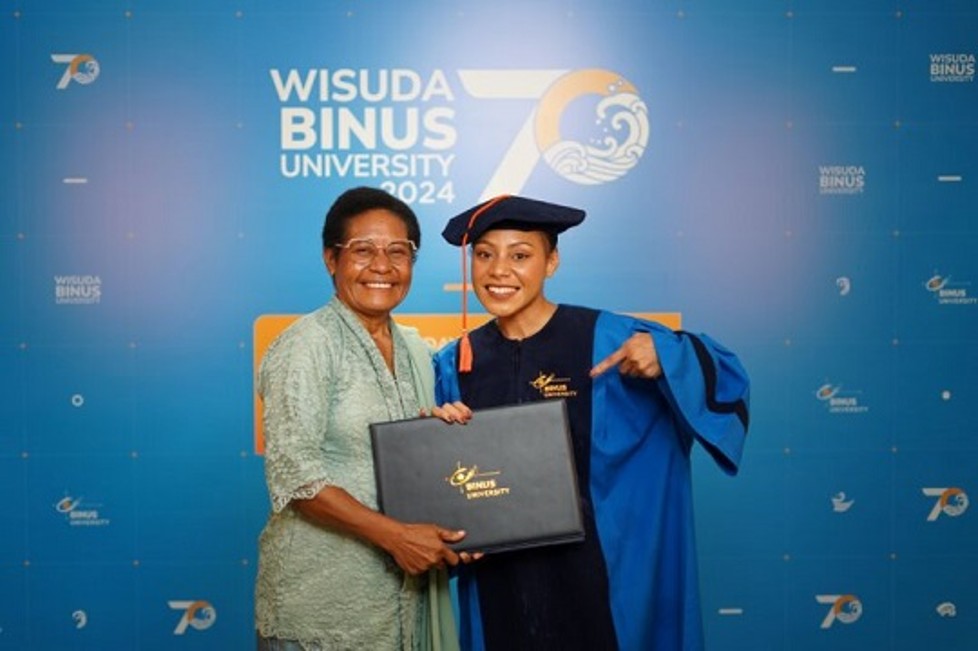
Throughout 2025, BINUS University actively expanded higher education access for students from disadvantaged, frontier, and outermost regions (3T) — with a special focus on Papua. In collaboration with the Ministry of Higher Education, Science, and Technology through the ADik (Afirmasi Pendidikan Tinggi) Scholarship Program, BINUS provided full academic, financial, and residential support to ensure equity in student recruitment and retention.

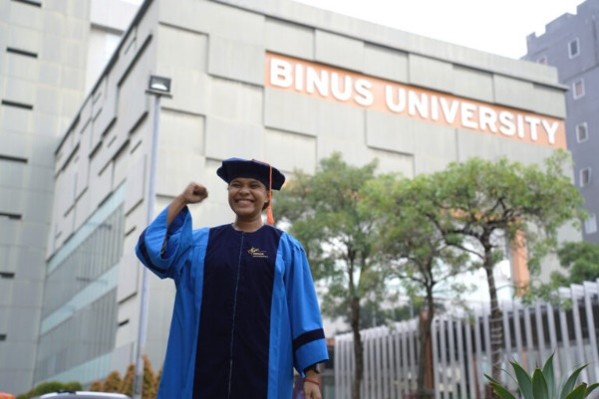
First story comes from Farida Putri from Nabire, Papua, achieved her dream of pursuing higher education through a BINUS scholarship. Her story highlights how the university’s inclusive approach transforms lives and broadens access to quality education. Other success story comes from Marchelin, a recipient of the Adik Papua Scholarship, successfully completed her degree while participating in internships at two major companies—an example of BINUS’s ongoing mentorship and employability programs for students from remote areas. 

These outcomes demonstrate that BINUS’s tracking systems go beyond initial admissions to ensure long-term retention and graduate employability for students from regional minority backgrounds.

  1. Target Setting, Performance Measurement, and Tracking Data

BINUS has specific targets to admit students from the lowest 20% of household income groups. Through our Affirmation Scholarship program, we set an annual goal to provide scholarships to 1,000 students from this income bracket. This initiative is designed to improve access to higher education for individuals facing financial challenges, ensuring that all deserving candidates can pursue their academic aspirations without being burdened by financial constraints.

  1. Commitment to Gender Equality and Disability Inclusion

In 2025, BINUS University maintained gender parity across its undergraduate and postgraduate faculties, with female students accounting for nearly half of total enrollments. The institution actively measures female participation in traditionally underrepresented fields through specialized initiatives such as the Women in Tech program, female faculty mentorship schemes, and leadership forums.

For students with disabilities, BINUS’s admissions process incorporates a confidential self-identification mechanism. Registered students receive tailored academic accommodations, assistive software (e.g., Bee Braille, Teman Netra), accessible campus infrastructure, and specialized counseling managed by the Student Advisory and Support Center (SASC).

  1. Empowering Non-Traditional Students and Career Pathways

Recognizing that non-traditional learners (working adults, mature-age students, and primary caregivers) face unique barriers to higher education, BINUS expands access through BINUS Online Learning. The system tracks non-traditional student enrollment and provides flexible modular learning options.

Furthermore, BINUS integrates employability tracking for all underrepresented students. By providing early career counseling and internship placement before graduation, the university ensures equitable career outcomes across all student demographics.

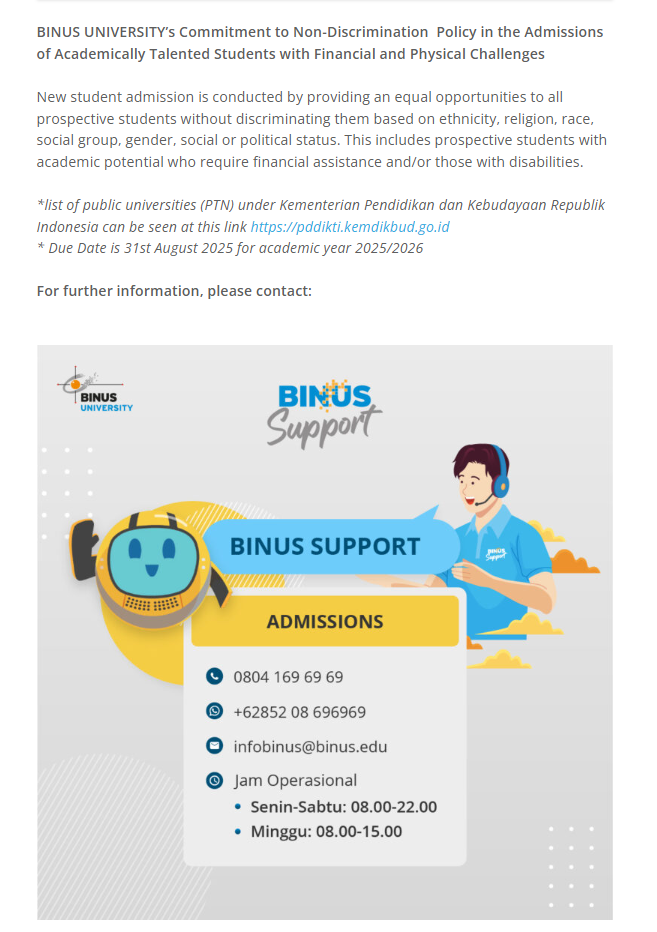
BINUS University implements a non-discriminatory admissions policy based on Rector’s Decree No. 044A (Chapter I, Article 2) regarding new student recruitment. Admission decisions are based on the academic knowledge and potential skills of prospective students, ensuring that the selection process focuses on their educational qualifications rather than discriminatory considerations. The university’s policy emphasizes equal educational opportunities for prospective students regardless of their religion, ethnicity, race, gender, social status, or disability.

The policy is publicly available through BINUS University’s official website, which outlines the university’s commitment to providing equal opportunities for prospective students from diverse backgrounds. The admissions process and its requirements are also communicated through the official admissions website, allowing applicants to access relevant information about admission procedures and requirements.

Furthermore, BINUS University supports equitable access to higher education by recognizing the needs of academically capable prospective students who face financial barriers or have disabilities. These considerations reflect the university’s commitment to inclusive education and its efforts to ensure that personal circumstances do not become unjustified barriers to pursuing higher education. Where targeted assistance is provided, such measures support the broader objective of reducing inequalities in access to educational opportunities.

The university’s commitment to non-discrimination is further reinforced by Rector’s Circular Letter No. 1677A/REK/IX/2023 concerning anti-discrimination and anti-violence measures on campus. This institutional commitment complements the admissions policy by promoting an inclusive and respectful educational environment.

Through its formally documented admissions policy, publicly accessible admissions information, and institutional commitment to preventing discrimination, BINUS University demonstrates its commitment to fair admissions and equal educational opportunities for prospective students.