REDUCED INEQUALITIES
Reduce inequality within and among countries.
83
ACTION GOALS
279
PUBLICATIONS

EXPERTS

Dr. Ezmieralda Melissa
Related Goals
Dr. Lianna Wijaya, Amd., S.E., M.MSI
Related Goals
Roosalina Wulandari. S.Psi., M.Psi. Ph.D (Cand.)
Related Goals
Dr. Dina Fitria Murad, S.Kom., M.Kom., CEAA., SMIEEE.
Related Goals
Dr. Kukuh Lukiyanto, S.T., M.M., M.T.
Related Goals


BINUS University is committed to providing comprehensive support for students with disabilities through a well-defined reasonable accommodation policy and strategy, which includes adequately funded mechanisms: 

  • Allocation of resources for support programs: Ensuring essential services are available.
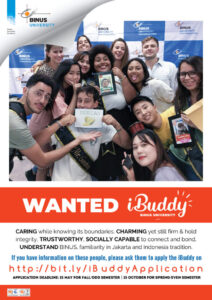
  • Funding for personal assistance programs: Support for initiatives like Friends Care Community and i-Buddy that connect students with personal assistants.
  • Financial support for innovative systems: Funding for applications like “Hearo” and Teman Netra that assist students with disabilities.
  • Resources for the Student Advisory and Support Center (SASC): Ensuring guidance and support services are adequately funded.
  • Budget for training programs: Providing faculty and staff training on disability issues to ensure effective support.
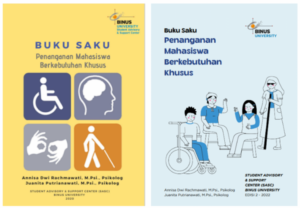
  • Production of informational resources: Funding for the “Buku Saku Disabilitas”, which outlines accommodations and support services to promote awareness and access.
  • Physical Facilities: Investment in accessible infrastructure, such as ramps, elevators, and designated study areas, to ensure that the campus is navigable for all students. 

These elements collectively illustrate BINUS University’s commitment to implementing a reasonable accommodation policy that includes adequately funded mechanisms and innovative systems to support persons with disabilities in their academic journeys. 

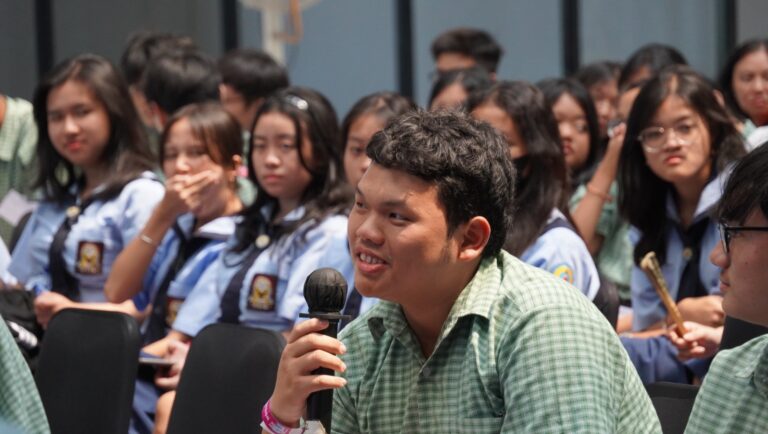
BINUS University demonstrates a strong institutional commitment to providing comprehensive mentoring, counselling, and peer support programs that cater to the diverse needs of students, staff, and faculty from underrepresented groups. These initiatives are grounded in the university’s vision of fostering an inclusive, compassionate, and supportive academic environment that promotes the mental health, personal growth, and academic success of every BINUSIAN. 

  1. Institutional Mentoring and Counselling Services

At the core of BINUS University’s student support system is the Student Advisory and Support Center (SASC), which serves as a primary platform for well-being and academic assistance.

SASC offers: 

  • Student Well-being Services: Comprehensive psychological and personal development services designed to enhance emotional well-being and resilience among students.
  • Counselling Services: Free academic and non-academic counselling for students and their parents, enabling them to navigate academic stress, personal challenges, and life transitions effectively.
  • Academic Monitoring Services: Personalized mentoring and follow-up programs to support students with learning difficulties or declining academic performance.
  • Mentoring Program: BINUS pairs students with trained mentors and tutors who provide both academic and emotional support. These mentors also help new students adapt to university life and foster a sense of belonging within the BINUSIAN community.
  • Disability Support Services: Tailored assistance and learning accommodations for students with physical or learning disabilities, ensuring that all students can thrive equally in the academic environment. 

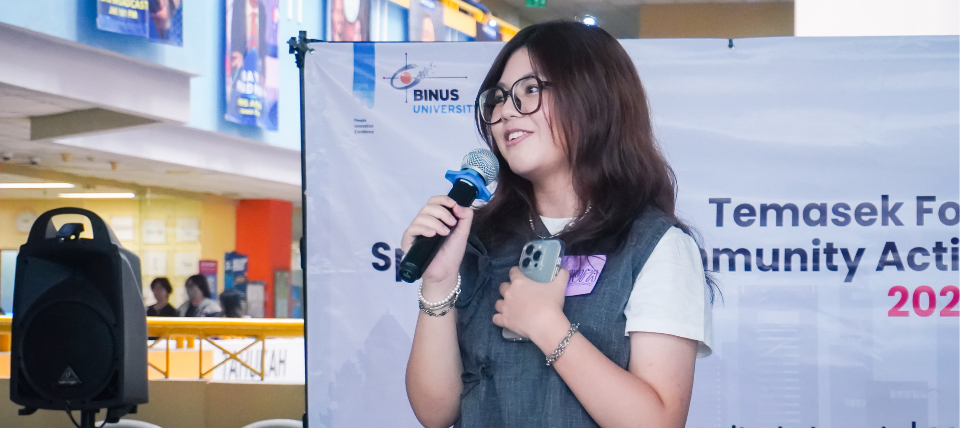
For example, in “Empowering Youth to Lead Inclusive Care Innovations for Children with Special Needs” activity BINUS University’s collaboration with Singapore Polytechnic in the TF SCALE program (funded by Temasek Foundation) to empower youth in designing inclusive care innovations for children with special needs. During the Jakarta phase, participants visited RAWINALA foundation, engaged with stakeholders, and used design thinking to co-create solutions such as a voice-responsive mobile app to bridge communication gaps. The initiative not only delivered tangible prototypes but also fostered cross-cultural learning, social awareness, and strengthened institutional commitment toward inclusive innovation and community impact. 

  1. Mental Health and Peer Support Initiatives

Beyond institutional counselling, BINUS University collaborates across departments and student organizations to strengthen mental health awareness and peer engagement. Character Building Center (CBC) consistently integrates mental health education into the student development curriculum, emphasizing self-awareness, empathy, and emotional intelligence. 

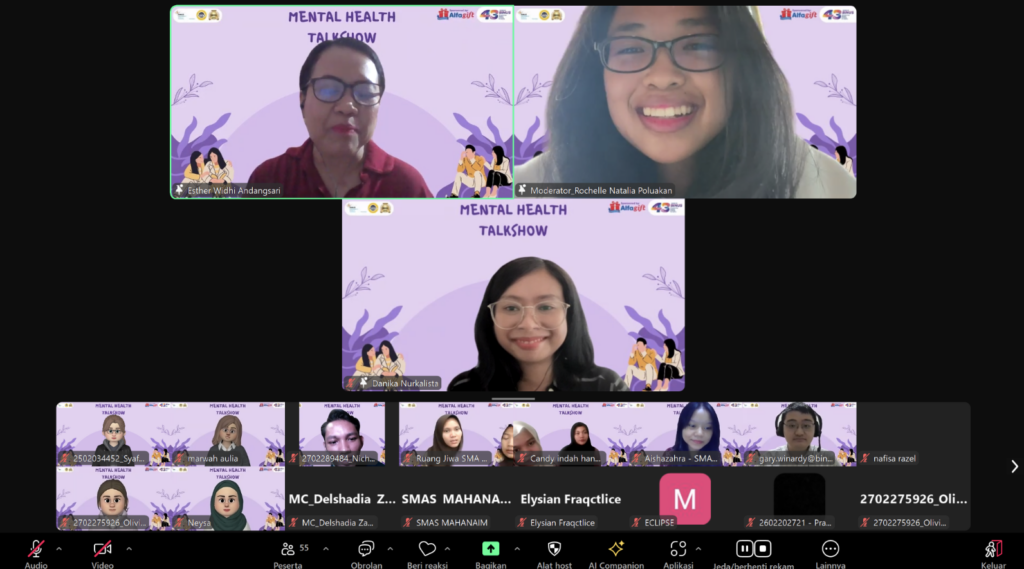
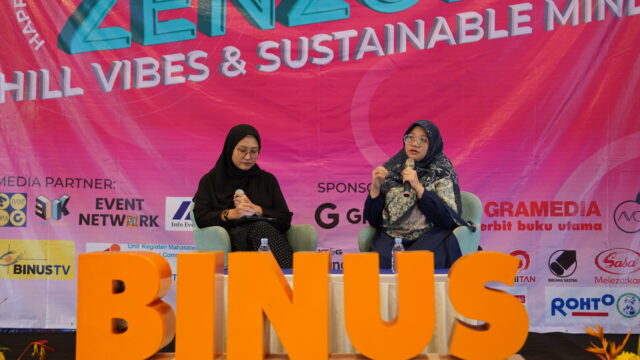
Faculty-led Programs: The Faculty of Psychology and campus locations such as BINUS Bekasi regularly organize mental health discussions, such as “Talkshow Gen Z: Si Paling Healing” and “World Mental Health Day Seminars”, to raise awareness and promote open conversations about emotional well-being. 

  1. Student Organization and Peer Network Involvement

BINUS encourages student-led initiatives under the coordination of BEM (Student Executive Board), Himpunan Mahasiswa, and UKM (student activity units) to expand emotional and social support networks. Through these communities, students can engage in peer mentoring, stress management activities, and empowerment workshops, fostering a culture of mutual support and inclusion. These programs complement the university’s professional counselling services, ensuring that every BINUSIAN has access to multiple layers of care — from peers to professionals. 

  1. Faculty and Staff Training on Inclusivity and Well-being

In addition to student programs, BINUS University provides training sessions, workshops, and professional development programs for faculty and staff.

These sessions focus on: 

  • Recognizing and supporting the needs of underrepresented or vulnerable groups.
  • Promoting mental well-being in the workplace.
  • Creating a more empathetic and inclusive learning and working environment. 

This approach ensures that support for underrepresented communities extends beyond students to include all members of the BINUSIAN ecosystem.   These initiatives are complemented by BINUS Counseling Services and peer mentoring programs coordinated by the Character Building and Student Advisory teams, ensuring ongoing emotional, academic, and social support for all BINUSIAN members. 

BINUS University has established a strong institutional framework dedicated to promoting diversity, equality, inclusion, and human rights within its academic community. The university enforces comprehensive anti-discrimination policies that ensure every member of the BINUS community—students, faculty, and staff—are treated with respect and dignity regardless of race, gender, ethnicity, religion, disability, or sexual orientation.

BINUS University has established a strong institutional framework to promote diversity, equality, inclusion, and human rights within its academic community. The university enforces comprehensive anti-discrimination policies, ensuring that students, faculty, and staff are treated with respect and dignity regardless of race, gender, ethnicity, religion, disability, or sexual orientation.

To uphold ethical standards and foster inclusion, BINUS has established several dedicated units overseen by senior officials, including Good Organization Governance (GOG), Human Capital (HC), Student Advisory and Support Center (SASC), International Office (BIO), Student Club & Activity Center (SCAC), and Lecturer Services Center (LSC).

  • Good Organization Governance (GOG) oversees institutional ethics and integrity. One of its key initiatives is the Whistleblowing System (WBS), which enables stakeholders to report integrity violations such as bribery, conflicts of interest, fraud, or other misconduct. Reports are submitted in good faith via the official GOG website, ensuring privacy and protection. The GOG Center, supported by university management, investigates and resolves reported issues, promoting a culture of transparency and accountability.

  • Human Capital (HC) manages conflicts and conducts investigations into internal and external inquiries. HC provides guidance on HR policies, conflict resolution, and employee engagement, ensuring a safe and supportive work environment. It also develops communication strategies to facilitate two-way dialogue and feedback between executives and employees, helping to prevent conflicts and enhance organizational effectiveness.

  • Student Advisory and Support Center (SASC) provides comprehensive support for students, addressing both academic and non-academic issues. It offers psychological counseling, guidance for academic challenges, and safe channels for reporting ethical violations. SASC supports student well-being and ensures that individuals can reach their full academic potential.

  • Student Club & Activity Center (SCAC) nurtures student involvement in campus organizations, including religious, cultural, and diversity-focused initiatives. SCAC fosters both hard and soft skills development, encouraging leadership, collaboration, and community engagement. The center also facilitates religious freedom and dedicated time for worship, ensuring an inclusive environment for all faiths.

  • BINUS International Office (BIO) supports international students throughout their academic journey, assisting with orientation, visa and administrative issues, health services, and counseling. BIO ensures that international students adapt smoothly to the campus environment and are integrated into the academic and social community.

  • Lecturer Services Center (LSC) addresses academic support, including advising, curriculum guidance, and ethical concerns such as academic misconduct. LSC acts as the first point of contact for students and faculty reporting academic ethical violations, ensuring fair and timely resolution.

In addition, BINUS has established the PPKPT Task Force (Satuan Tugas Pencegahan dan Penanganan Kekerasan) to ensure a safe, inclusive, and violence-free campus environment. The task force is responsible for preventing and handling all forms of violence, including physical, psychological, sexual, as well as discrimination and intolerance. By involving faculty, staff, and students, PPKPT receives reports, provides education, offers guidance and support, and monitors the implementation of anti-violence policies across the university.

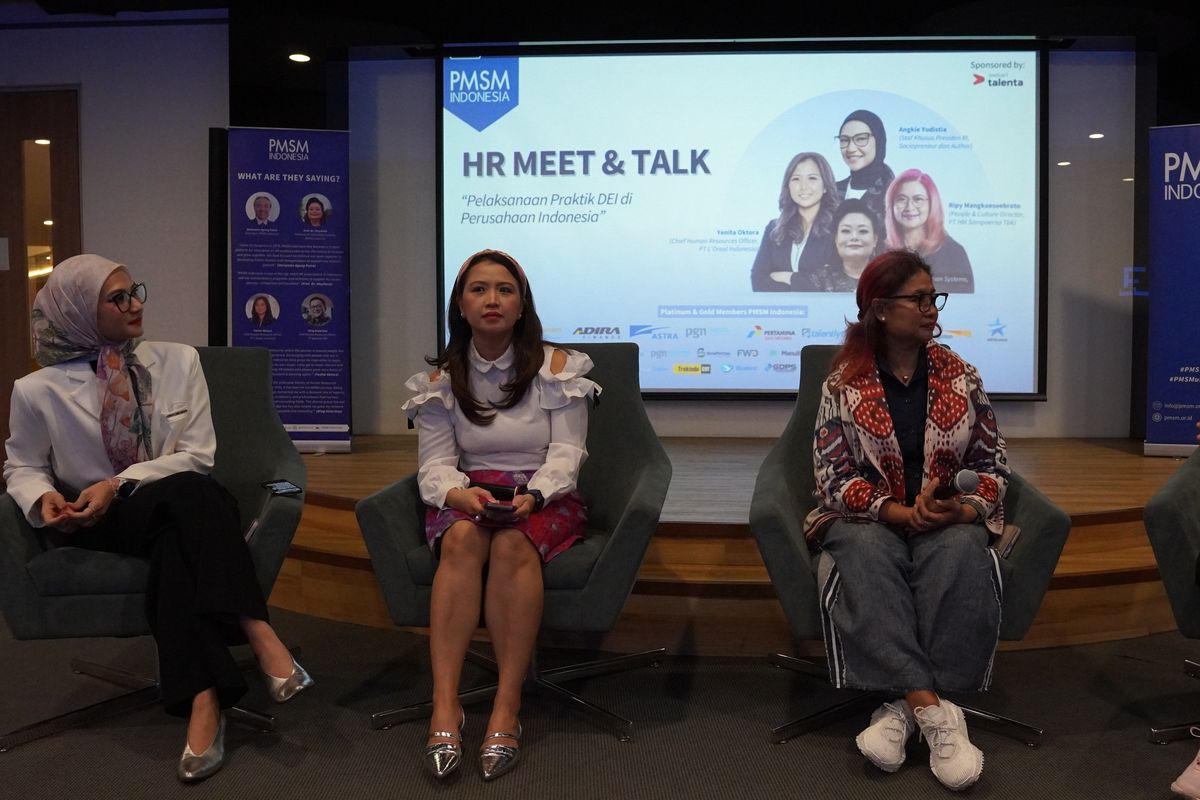
BINUS also collaborates with PMSM Indonesia to conduct research and initiatives on Diversity, Equity, and Inclusion (DEI) in companies, aiming to transform DEI from a campaign into a sustainable culture. This work increases awareness among students and future professionals, encouraging them to adopt DEI values in their workplaces and decision-making, aligning with SDG principles.
These efforts are supported by official policies such as Rector’s Decree 0136A, which outlines the university’s commitments to equality, non-discrimination, and human rights, as well as the Student Handbook and Staff Regulations that govern respectful conduct within the community. Together, these frameworks provide a strong foundation for inclusive practices and ethical behavior across all levels of the institution.

Through these policies, committees, support units, and student initiatives, BINUS University ensures that ethics, diversity, and equality remain central to its governance and community life. These efforts reflect the university’s vision of nurturing a globally engaged academic environment that values respect, fairness, and inclusivity, while supporting holistic development for students, staff, and faculty alike.

BINUS University takes planned and continuous actions to recruit students, staff, and faculty members from underrepresented groups — including individuals from remote regions, low-income families, ethnic minorities, women, and people with disabilities.
This effort aligns with BINUS’s vision of “Fostering and Empowering the Society in Building and Serving the Nation,” ensuring that education and employment opportunities are accessible to all, regardless of background or circumstances.

  • The university maintains an inclusive environment free from discrimination based on ethnicity, religion, race, gender, or disability.
    BINUS enforces anti-discrimination policies that prohibit intolerance related to SARA (ethnicity, religion, race, and community background) and regularly monitors recruitment and admission data to ensure equitable access for all groups.
  • To promote equitable access to higher education, BINUS implements targeted scholarship programs for students from disadvantaged, frontier, and outermost regions (3T areas) and low-income families.
    • The Affirmation Scholarship and ADIK Scholarship enable financially challenged students to continue their studies without financial burden.
    • The BINUS University 2024 Scholarship Program provides full tuition waivers until graduation for qualified students, reflecting BINUS’s proactive approach to expanding access to education.
  • BINUS expands educational opportunities across regions through initiatives that reach previously underrepresented areas.
    The Digital Psychology program at BINUS @Semarang (launched in 2024) empowers Generation Z students in Central Java while creating new job opportunities for regional professionals — supporting the decentralization of talent development across Indonesia.

  • Gender equality and representation are key priorities in both recruitment and academic participation.
    Female students represent 45.2% of BINUS’s total population, demonstrating the university’s commitment to inclusivity.
    BINUS also ensures equal opportunities for women in leadership, academic, and administrative roles and enforces strict non-discrimination policies to prevent gender bias.

  • For non-traditional students, BINUS provides flexible learning options that accommodate diverse lifestyles and professional commitments.
    Programs such as evening classes, hybrid learning, and BINUS Online Learning (BiON) allow working professionals and adult learners to pursue higher education without disrupting their careers.

Additionally, BINUS supports individuals from underrepresented groups — including those with disabilities — through inclusive facilities and support systems, such as counseling services, adaptive learning environments, and individualized education programs.
Through these inclusive recruitment policies and initiatives, BINUS University underscores its unwavering commitment to creating a diverse, equitable, and inclusive academic environment that empowers all members of society to thrive and contribute to national development. 

BINUS University’s Commitment to Measuring and Tracking Applications and Admissions from Underrepresented Groups 

BINUS University demonstrates a strong commitment to diversity, inclusion, and equal access to education by systematically measuring, tracking, and improving the representation of underrepresented groups among its student applicants and admitted population. These groups include ethnic minorities, low-income students, women, students with disabilities, and students from remote and underdeveloped regions (3T areas, including Papua). 

  1. Support for Students from Papua and 3T Regions

BINUS University takes proactive steps to support access for students from disadvantaged, frontier, and outermost regions (3T) — including Papua. Through partnerships with the Ministry of Education and the implementation of the ADik (Afirmasi Pendidikan Tinggi) Scholarship Program, BINUS ensures that students from these regions receive full financial and academic support throughout their studies. 

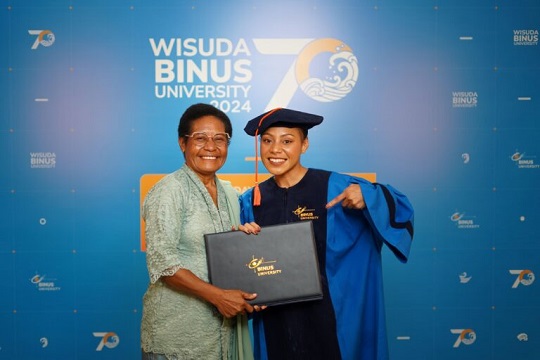
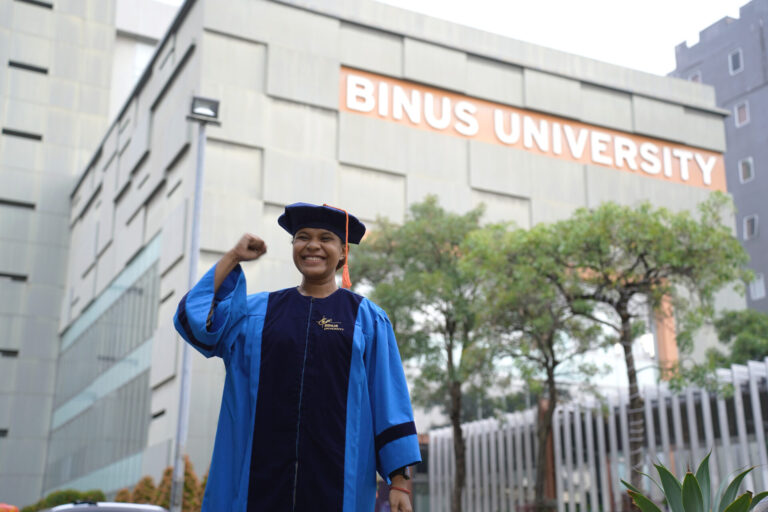
First story comes from Farida Putri from Nabire, Papua, achieved her dream of pursuing higher education through a BINUS scholarship. Her story highlights how the university’s inclusive approach transforms lives and broadens access to quality education. Other success story comes from Marchelin, a recipient of the Adik Papua Scholarship, successfully completed her degree while participating in internships at two major companies—an example of BINUS’s ongoing mentorship and employability programs for students from remote areas. 

These success stories reflect the real outcomes of BINUS’s inclusion policies and tracking systems that ensure students from 3T areas not only gain access but also receive consistent academic and career support. 

  1. Target Setting and Performance Measurement

Through our Affirmation Scholarship program, we set an annual goal to provide scholarships to 1,000 students from this income bracket. This initiative is designed to improve access to higher education for individuals facing financial challenges, ensuring that all deserving candidates can pursue their academic aspirations without being burdened by financial constraints. By meeting these annual intake targets, BINUS demonstrates its commitment to fostering a more inclusive and diverse academic environment, ensuring equal educational opportunities for students from various socioeconomic backgrounds

Each academic and administrative unit contributes to achieving these targets through outreach, scholarship distribution, and academic assistance programs. 

The outcomes are integrated into BINUS’s Sustainable Development Goals (SDG) reporting framework, ensuring accountability and continuous improvement. 

  1. Commitment to Gender Equality and Disability Inclusion

BINUS University maintains gender parity across programs, with women making up nearly half of the total student body. The institution promotes leadership opportunities for female students and staff through programs such as Women in Tech, Women Leadership Forums, and faculty mentorship schemes. 

For students with disabilities, BINUS provides individualized learning support and ensures equal access to classroom resources, facilities, and online learning environments through BINUS Online Learning. This approach aligns with the university’s mission to provide accessible education for all learners. 

  1. Empowering Non-Traditional Students and Career Pathways

BINUS also supports non-traditional students, including those pursuing part-time or online degrees, through flexible learning systems such as BINUS Online Learning and blended study options. These programs allow students balancing work, family, or financial responsibilities to complete their education without barriers. 

Moreover, BINUS’s commitment to employability ensures that students from all backgrounds receive opportunities to secure early career placements even before graduation  

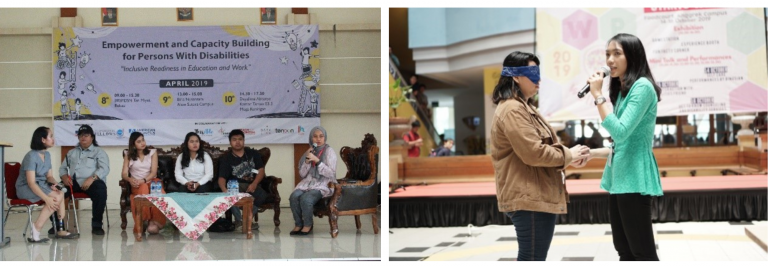
BINUS University is dedicated to providing access schemes and targeted support for students with disabilities through various initiatives:

  • Personal Assistance Programs: Initiatives like Friends Care Community and i-Buddy connect students with personal assistants, offering tailored support to help them navigate their academic and social environments.
  • Dedicated Support Services: The Student Advisory and Support Center (SASC) provides guidance and assistance, ensuring that students with disabilities have access to the resources they need for their academic success.
  • Mentoring Programs: The university offers mentoring opportunities that foster a supportive learning environment, helping students with disabilities achieve their academic goals.
  • Awareness and Training: Faculty and staff receive training on disability issues, which promotes a more inclusive atmosphere and enhances the support available to students.

  • Pocket Guide: The “Buku Saku Disabilitas” provides valuable information about available services, communication tips, and resources specifically designed to assist students with disabilities.

These initiatives demonstrate BINUS University’s commitment to creating an inclusive educational environment that provides meaningful support and access for all students.

BINUS University provides essential services to support students with disabilities, particularly in personal assistance and communication:

  • Personal Assistance: Programs such as Friends Care Community and i-Buddy connect students with personal assistants who offer tailored support to help them navigate academic and social challenges.

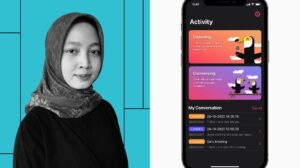
  • Interpreters: The application “Hearo” assists deaf and mute individuals by transforming sign language into voice, facilitating effective communication.
  • Teman Netra: This app empowers the visually impaired community by using machine learning to scan and read text on various items, enhancing their independence in daily tasks like grocery shopping.

In addition to personal assistance and communication aids, BINUS University offers a range of support services:

  • Dedicated Support Services: The Student Advisory and Support Center (SASC) provides guidance and assistance to ensure students with disabilities have access to the resources they need.
  • Awareness Programs: Faculty and staff training promotes understanding of disability issues, creating a supportive environment for all students.
  • Pocket Guide: The “Buku Saku Disabilitas” offers valuable information on the characteristics of various disabilities, communication tips, and available support services, helping students and staff better navigate the support available.

These initiatives highlight BINUS University’s commitment to fostering an inclusive educational experience, ensuring that students with disabilities receive the necessary support to thrive.

BINUS University is dedicated to creating an inclusive environment for students with disabilities through various accessible facilities and supportive programs that ensure equal opportunities in learning and participation.

1. Campus Infrastructure
The university provides essential physical accessibility features across its campuses, including:

  • Ramps and elevators to ensure ease of movement for wheelchair users.

  • Accessible restrooms and designated parking spaces for persons with disabilities.

  • Guiding blocks for visually impaired students.
    These infrastructure features are designed to help all BINUSIAN members navigate the campus safely and comfortably.

2. Disability Services under SASC
BINUS has a dedicated Disability Services unit under the Student Advisory and Support Center (SASC).
This service aims to create an inclusive environment by providing education, awareness sessions, and tailored support for students with disabilities.
Programs include:

  • Counselling for students and parents.

  • Individual learning plans based on students’ specific needs.

  • Awareness and capacity-building sessions for faculty and staff to promote inclusive practices.

  • Pocket Guide on Disability (Buku Saku Disabilitas) — a booklet for faculty and staff that provides information on types of disabilities, communication tips, and practical strategies for inclusive teaching.

3. Bee Braille Nusantara
Developed by the Faculty of Engineering, BINUS University, Bee Braille Nusantara is an innovative assistive technology that helps visually impaired individuals read and write Braille more efficiently, reflecting BINUS’s commitment to inclusive and digitally innovative learning.

4. Friends Care Community (FCC)
Under SASC, BINUS also runs the Friends Care Community (FCC) program — a volunteer-based initiative where students assist their peers, including those with disabilities, by providing academic, emotional, and social support.
This peer-support model helps create empathy-driven collaboration and reduces barriers between students.

5. Awareness and Training Programs
To strengthen inclusivity, BINUS regularly conducts training and workshops for faculty and administrative staff on how to interact effectively and sensitively with students with disabilities.
These initiatives help ensure that the entire BINUS community understands the importance of accessibility, equity, and respect for diversity.


Through these facilities, assistive technologies, and programs, BINUS University reaffirms its institutional commitment to ensuring accessibility, inclusivity, and equal learning opportunities for all BINUSIAN members.

BINUS University has established anti-discrimination policies to foster an inclusive and equitable environment for all members of the university community. These policies prohibit discrimination on various grounds, including but not limited to race, ethnicity, gender, sexual orientation, disability, and religion. The university’s commitment to anti-discrimination is reinforced by its Zero Tolerance Policy, which is detailed in the circular letter on the “Implementation of Anti-Discrimination and Anti-Violence.

The Rector’s Circular No. 1677A/REK/IX/2023 reiterates the university’s zero-tolerance stance on discrimination and violence, emphasizing that all members of the community must be treated with dignity and respect, regardless of their background. The policy ensures that complaints of discrimination or harassment are taken seriously and handled with confidentiality. Disciplinary actions for any violations are carried out in accordance with university rules and regulations.

Furthermore, this commitment to anti-discrimination aligns with BINUS University’s dedication to sustainable development goals, as outlined in Rector’s Decree No. 136A, Part II, point M.

This combination of well-defined policies, clear public communication, and established disciplinary procedures reflects BINUS University’s strong commitment to preventing discrimination and maintaining a fair, inclusive, and respectful environment for all.

BINUS University, as an educational institution, firmly upholds a Zero Tolerance Policy towards all forms of violence and discrimination, including physical, psychological, and emotional abuse. This commitment is outlined in the circular letter regarding “Implementation of Anti-Discrimination and Anti-Violence.”

The Rector’s Circular No. 1677A/REK/IX/2023 reiterates BINUS University’s commitment to creating a safe and respectful environment for all community members, reinforcing the Zero Tolerance Policy against harassment and violence. This policy also includes clear procedures for reporting any instances of discrimination or harassment, with assurances of confidentiality and a commitment to addressing complaints seriously. Disciplinary actions are outlined in the policy, which can range from warnings to more severe penalties depending on the nature of the violation.

In accordance with the Ministry of Education, Culture, Research, and Technology Regulation No. 30 of 2021 on the Prevention and Handling of Sexual Violence in Higher Education Institutions, BINUS has established a Task Force for the Prevention and Handling of Sexual Violence (Satgas PPKS). This task force is responsible for addressing cases of harassment, providing education, and ensuring the effective implementation of both the anti-harassment policy and the Zero Tolerance Policy.

The university has a comprehensive anti-harassment policy aimed at creating a safe campus environment where all forms of violence and harassment, including but not limited to sexual violence, are strictly prohibited.

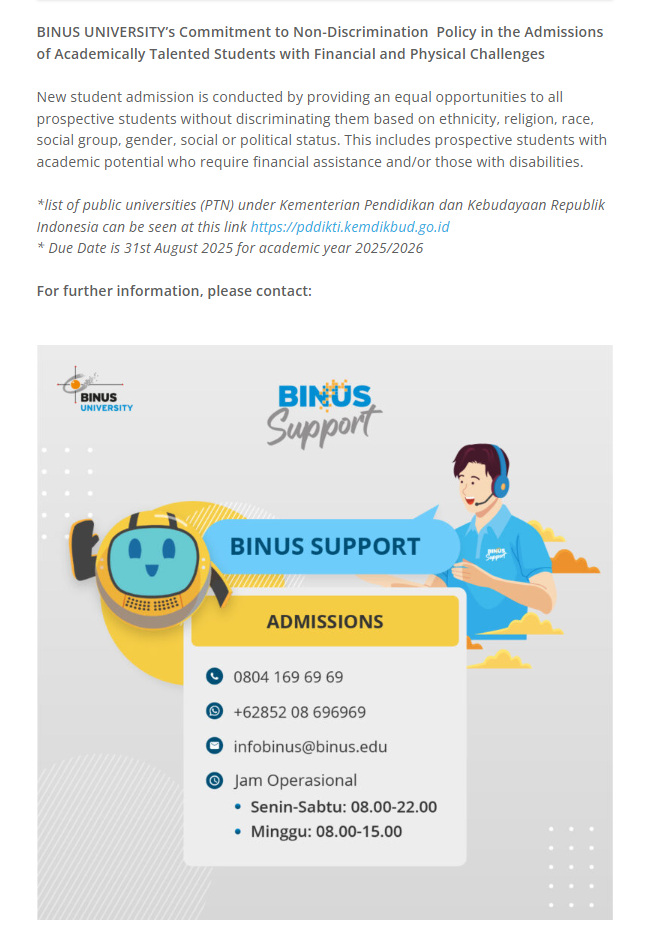
BINUS University applies a non-discriminatory student admission policy based on Rector’s Decree No. 044A (Chapter 1, Article 2) regarding new student recruitment. Admissions decisions are made based on the academic knowledge and potential skills of prospective students. This policy is also outlined in the new student guidance book and Rector’s Decree (Part II, Point e), which emphasizes providing equal educational opportunities regardless of status, including religion, ethnicity, and gender.

The specifics of our admissions process, including the criteria and procedures, can be found on our official website, where our non-discriminatory admissions policy is also outlined. This policy emphasizes: “BINUS University is committed to providing equal opportunities for all prospective students, regardless of their background, gender, race, religion, or disability.”

This information highlights our transparent and fair evaluation process, reflecting our commitment to fostering a diverse academic community. By publicly sharing this information, we reinforce our dedication to equality and inclusivity in higher education, ensuring that every qualified applicant has the chance to succeed at BINUS University.

Additionally, the university’s commitment to non-discrimination is reinforced by the issuance of the Rector’s Circular Letter No. 1677A/REK/IX/2023 about anti discrimination and anti violation in campus area.