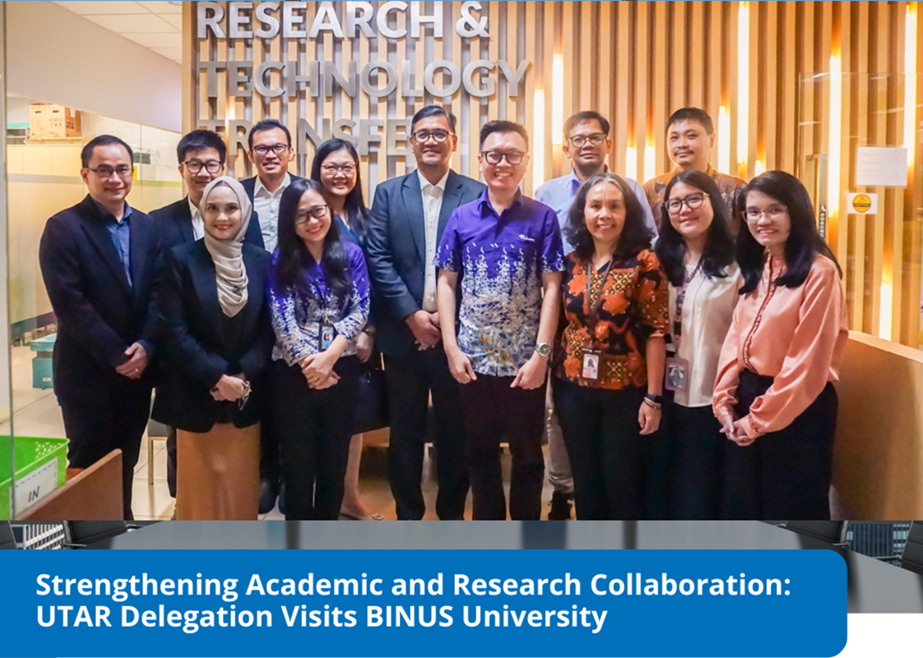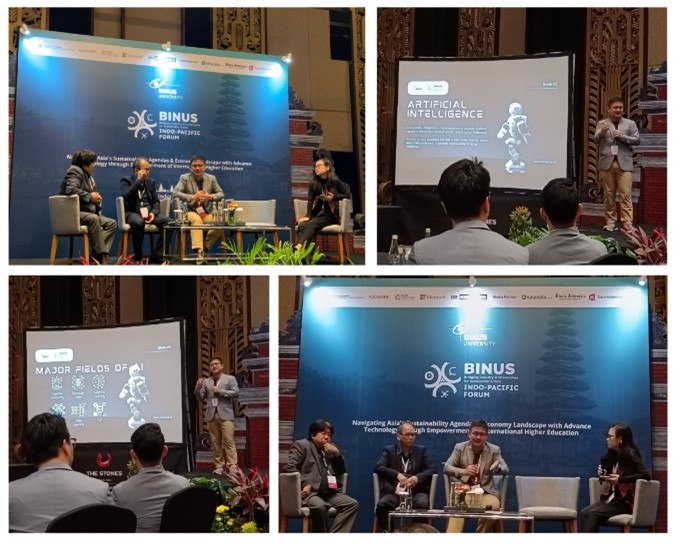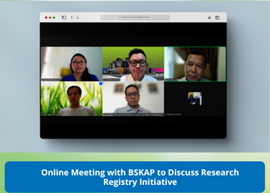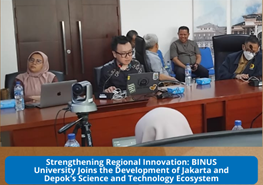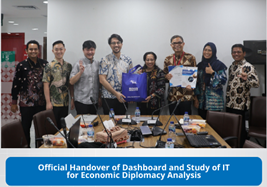





BINUS University has established written policies and institutional procedures to systematically identify and engage with local stakeholders external to the university.
These are formally regulated under Rector’s Decree No. 0136A, which outlines BINUS’s governance framework for collaboration, inclusivity, and external partnerships. The decree sets out the responsibilities of units within the university to manage engagement processes, emphasizing collaboration with stakeholders from industry, government, NGOs, and local communities.
Specifically, Part II, Point n of Rector’s Decree No. 0136A mandates the establishment of the BINUS Collaboration Center as the coordinating body responsible for managing and evaluating institutional partnerships.
This unit plays a central role in:
-
Mapping and identifying local external stakeholders across sectors (industry, government, community organizations),
-
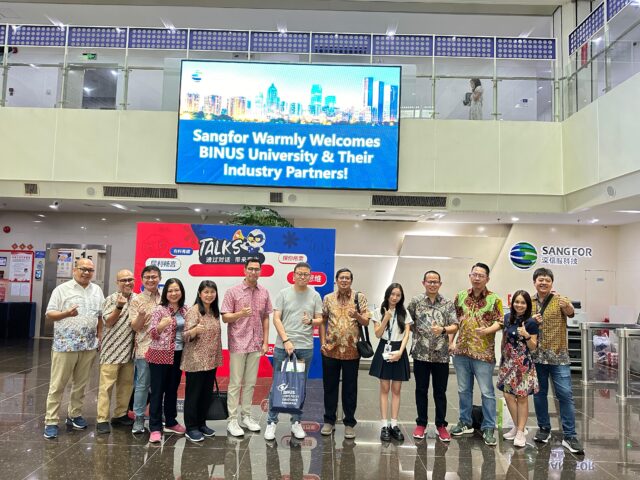
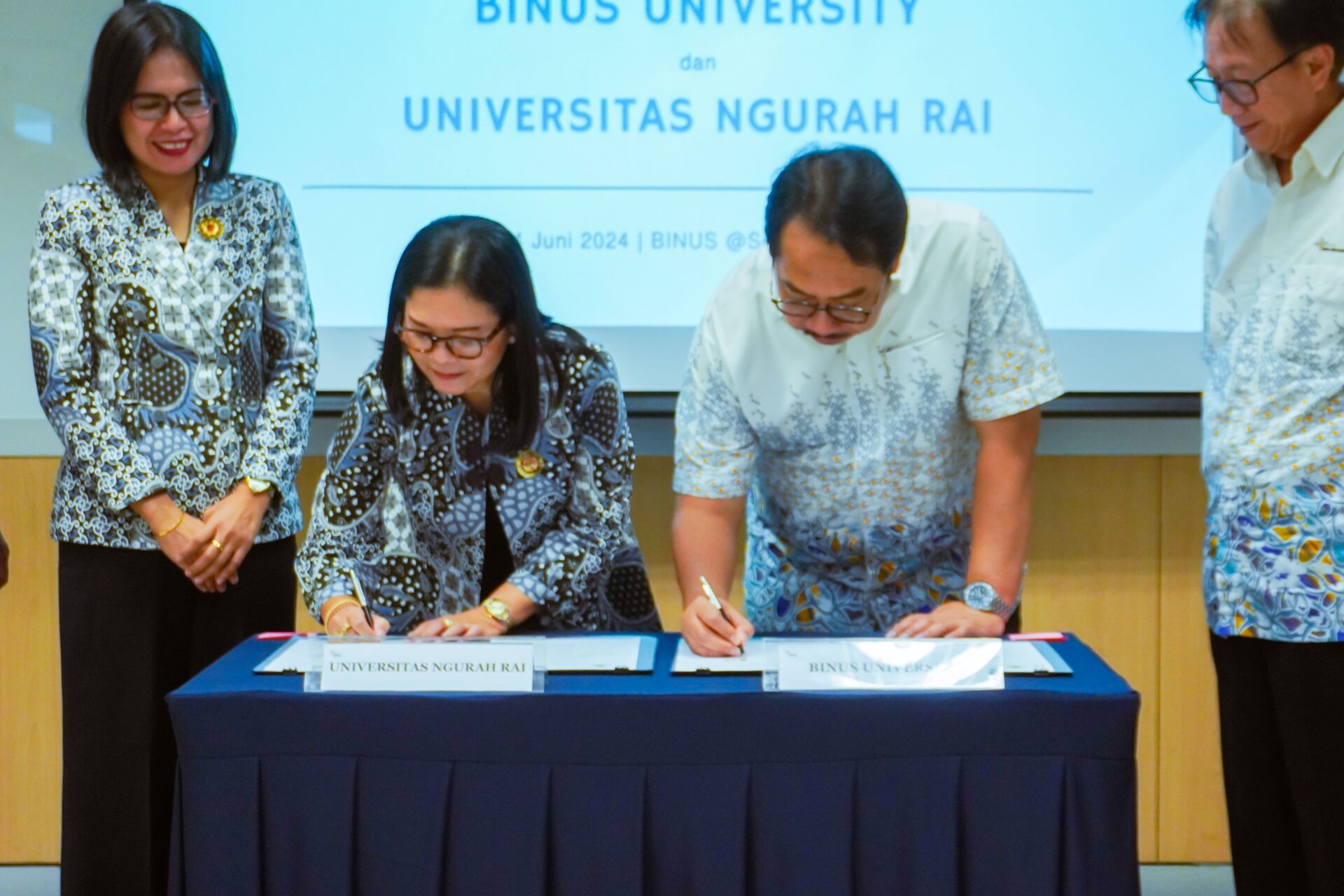
Facilitating engagement and partnership agreements that align with academic, research, and community development priorities, and
-
Monitoring and evaluating collaboration outcomes to ensure mutual benefit and sustainability.
These policy directives are reinforced in BINUS’s Commitment to SDGs Policy document (2023), which explicitly references Decree No. 0136A as the basis for structured collaboration and stakeholder inclusion. The policy highlights the university’s commitment to working with local partners through educational, social, and community development programs.
In practice, the procedures set out in the Decree are implemented through several institutional mechanisms, including:
-
BINUS Collaboration Center – responsible for stakeholder identification, partnership initiation, and relationship management.
-
Advisory Boards – comprising local government officials, industry representatives, and professional associations who provide input to university planning and curriculum development.
-
BINUS Industry Partnership Program (BIPP) – a structured framework for engaging local business partners to align academic outcomes with community and regional needs.
-
Teach for Indonesia (TFI) and Community Development (PKM) – programs that directly involve local communities in education, empowerment, and social innovation activities.
Through these written policies, structural mechanisms, and coordinated procedures, BINUS University ensures a systematic and accountable approach to identifying, engaging, and sustaining relationships with local external stakeholders in support of institutional and societal goals.