

SUSTAINABLE CITIES AND COMMUNITIES
Make citties and human settlements inclusive, safe, resilient and sustainable.
179
ACTION GOALS
642
PUBLICATIONS

EXPERTS

Ubaidillah Nugraha, M.Ec., M.P.M.
Related Goals


BINUS University provides public access to buildings and cultural heritage, contributing to community engagement and education.

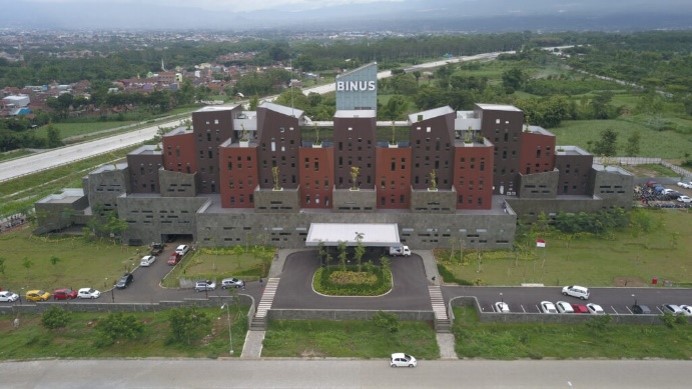
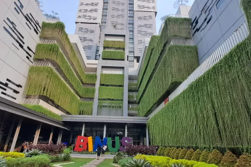
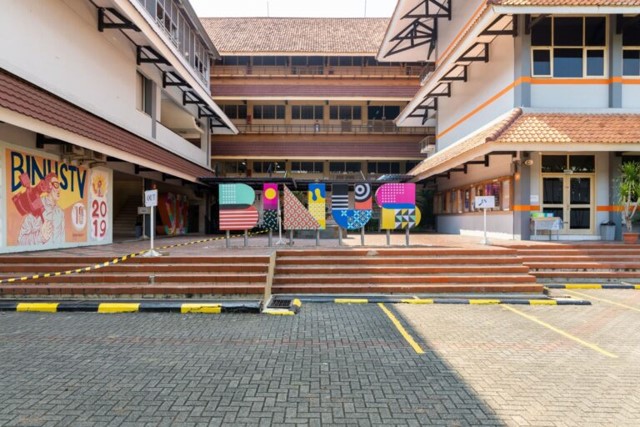
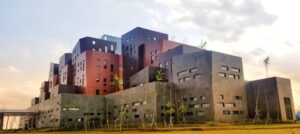
  • Public Access to Campus Buildings: The BINUS University @ Malang campus, inspired by Candi Tikus, is open to the public. This access allows the community to appreciate the architectural significance of the campus, which serves as a cultural landmark.
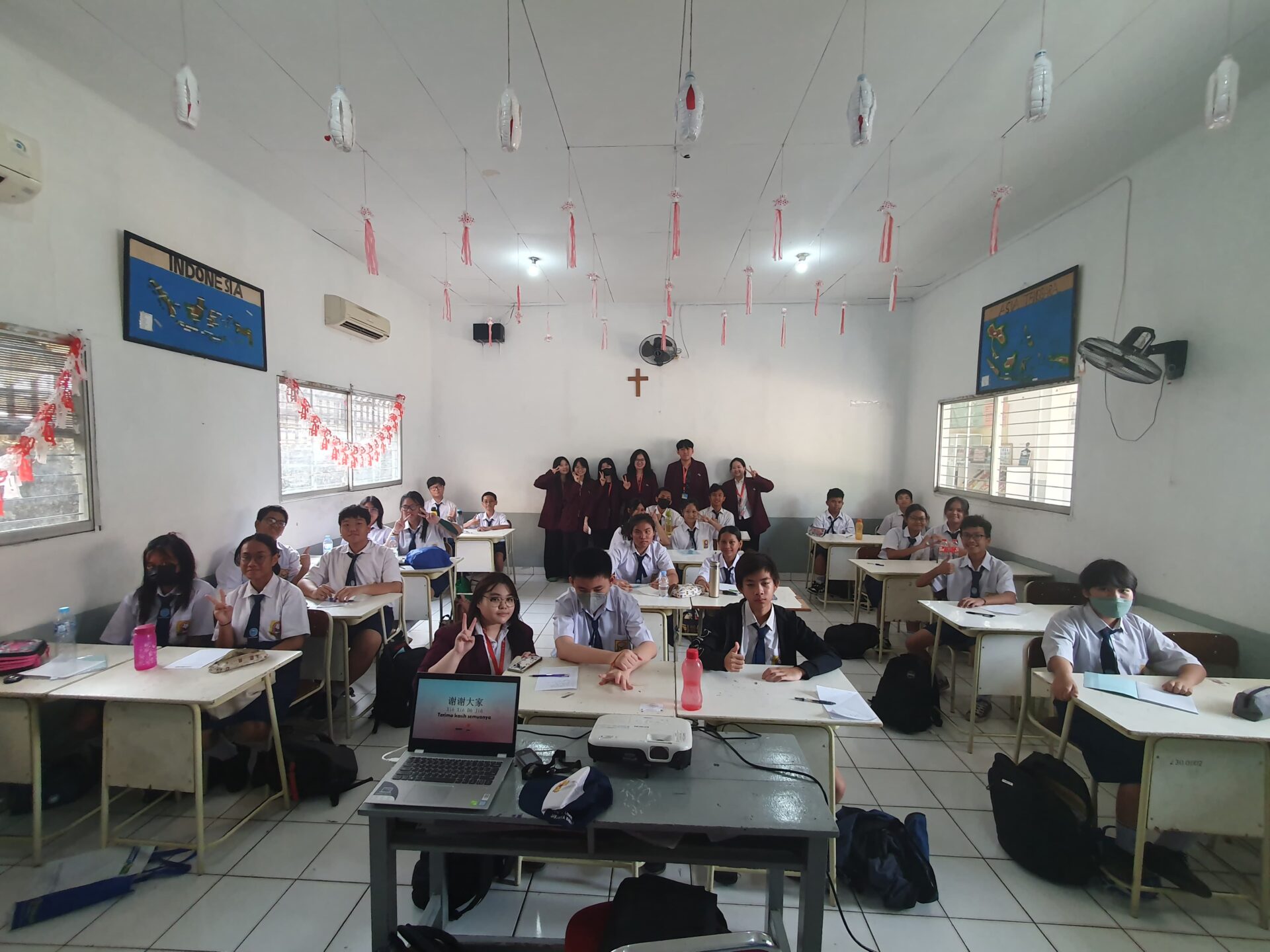
  • Open House and School Visits: BINUS University regularly hosts Open House events and guided campus tours that welcome school students, teachers, and community members to explore the campus environment.
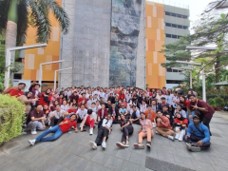
    One example is BIZTECH 2024 – “Start Your Future, Be a Professional Mulailebihawal” held at BINUS @Bekasi. This Grand Open House event provided public access for high school students to visit the campus, interact with lecturers, and experience BINUS’s facilities firsthand. Through such initiatives, the university encourages early educational engagement while showcasing its learning environment and cultural identity.
  • Virtual Museums: BINUS University has developed several virtual museums that are freely accessible to everyone:
  • BINUS Museum: This museum showcases the history of BINUS University from its founding to the present, making it available to the public for educational purposes.
  • AI for Cultural Heritage Museum at Lasem: This initiative focuses on documenting the Museum Nyah Lasem, providing access to its unique architectural features and artifacts through digital technologies like augmented reality (AR) and virtual reality (VR).
  • Ondel-Ondel Virtual Museum: Dedicated to Ondel-ondel, a cultural icon of the Betawi community, this virtual museum educates the public about its significance and heritage, highlighting its role in Betawi culture. It is accessible online, ensuring that this important cultural aspect reaches a wider audience.
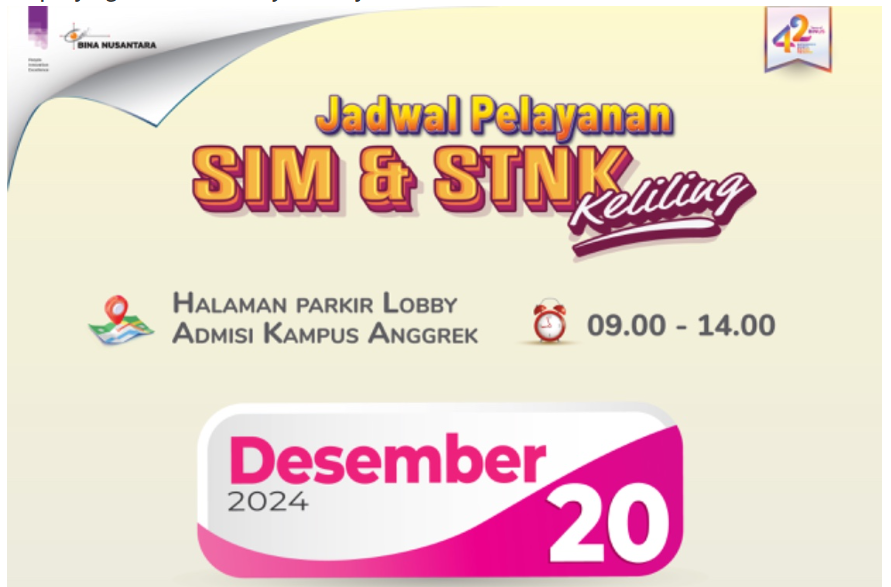
  • Public Service: BINUS collaborates with Samsat Jakarta Barat to provide services for the extension of driver’s licenses (SIM) and vehicle registration certificates (STNK). This service is open to both BINUS and the public

Through these initiatives, BINUS University actively promotes public engagement with significant cultural heritage, ensuring that while not all buildings may have free access, the university fosters a rich educational experience for the community.
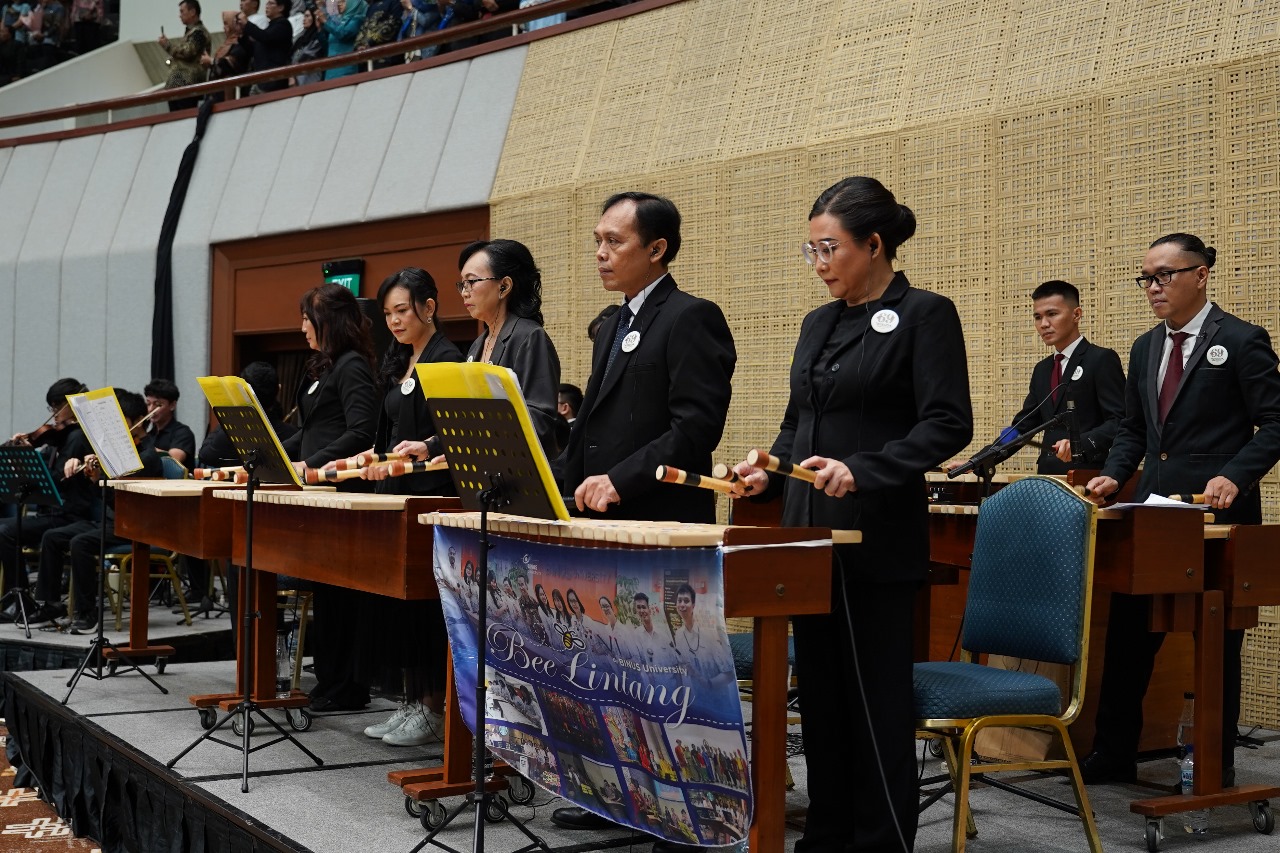
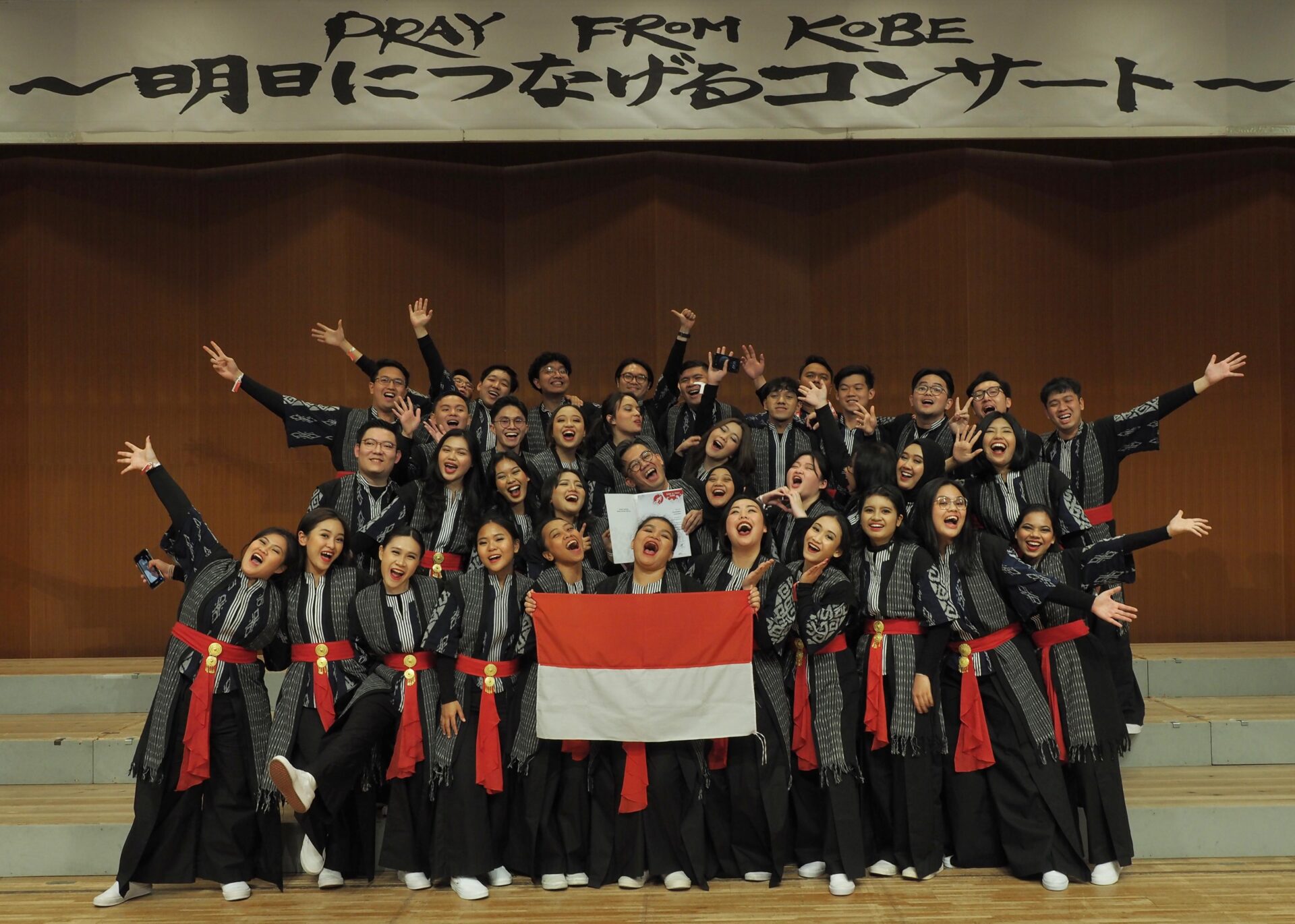
BINUS University actively contributes to the local and regional arts scene through numerous annual public performances by its student art communities, choirs, and theatre groups. In 2024, the university hosted and participated in more than 30 performances across music, dance, and theatre, engaging students, faculty, and the wider community in promoting Indonesian culture and creative expression. 

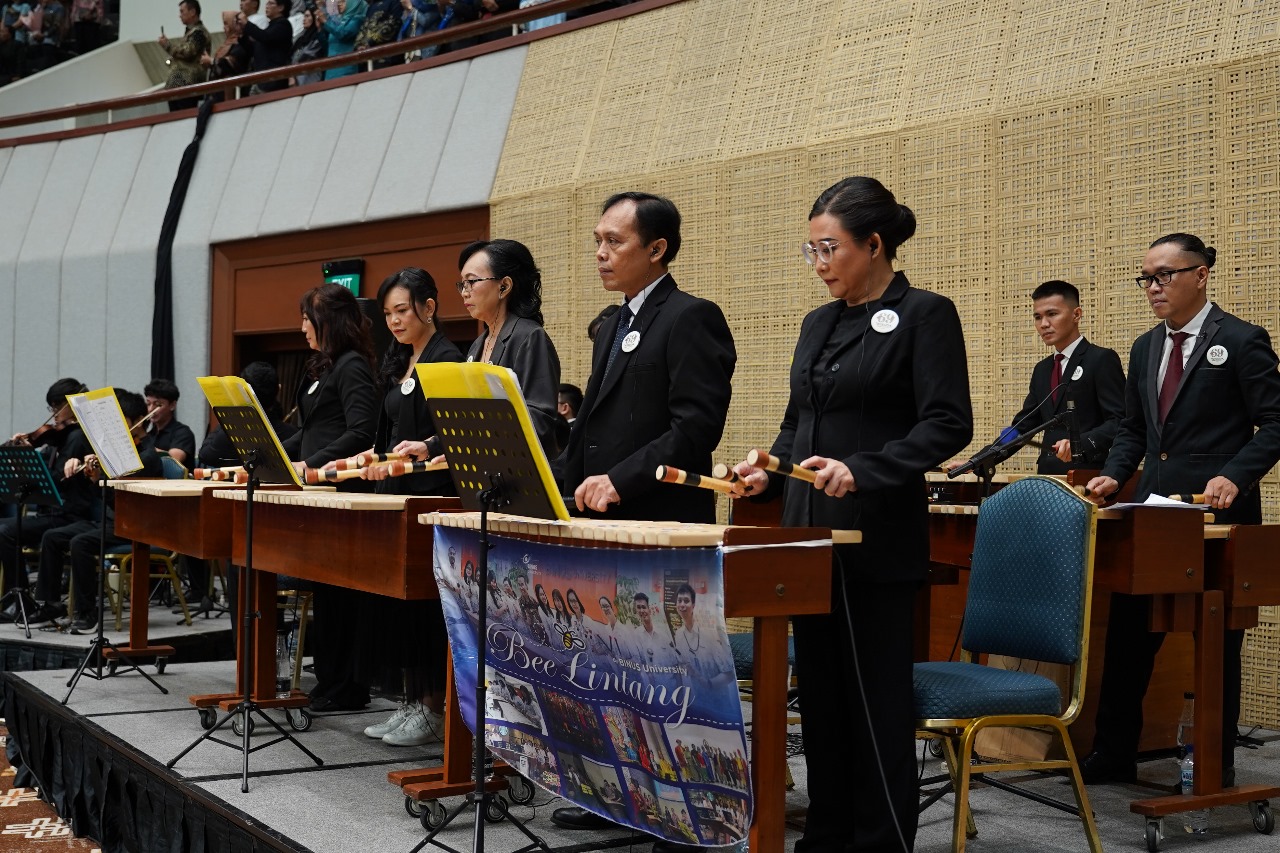
One notable initiative is BeeLintang (“BINUSIAN Berseni dengan Kolintang”), which showcases the traditional kolintang ensemble at both local and international events, including its participation in the Best of ASEAN Performing Arts, where BINUS represented Indonesia’s cultural heritage. Another innovation is the Automated Angklung Performance, presented at the Jakarta Innovation Days (JID) 2023, combining traditional instruments with modern technology to create adaptive digital performances that highlight BINUS’s blend of art and innovation. 

The PARAMABIRA Choir, one of BINUS’s most distinguished student art units, regularly performs in national and international festivals. In 2024, they represented Indonesia at the 3rd Sing’n’Pray Kobe International Choir Competition, earning recognition for their outstanding vocal performance. Meanwhile, the STMANIS Theatre and STAMANARA Dance Unit continue to enrich the campus arts culture with stage performances such as Utopia: Damai di Atas Segala, which emphasize storytelling, social reflection, and artistic excellence. 

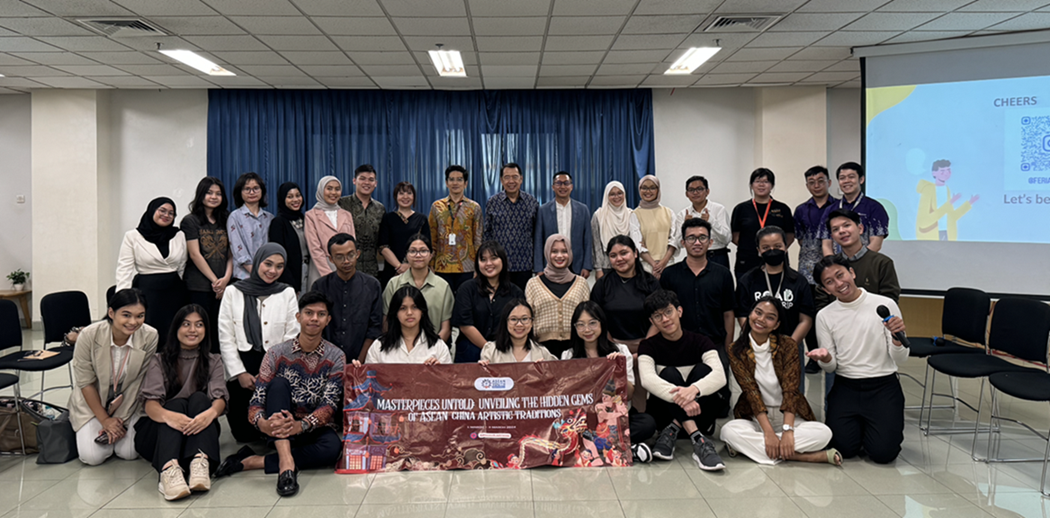
Furthermore, BINUS University collaborates internationally through initiatives such as “Building the Future Thread by Thread,” a youth-led cultural exchange between ASEAN and China that bridges creativity, heritage, and community impact. These performances and activities are consistently shared on public platforms, ensuring accessibility and engagement from both the university and the broader community. 

Through these diverse artistic endeavors, BINUS University demonstrates a strong institutional commitment to preserving culture, fostering artistic innovation, and empowering students as cultural ambassadors—significantly enriching the local and international arts landscape. 

BINUS University is deeply committed to preserving and recording Indonesia’s rich intangible cultural heritage, including local folklore, traditions, languages, and indigenous knowledge. The university integrates cultural preservation with education, research, and community engagement—ensuring that traditional wisdom continues to thrive in the modern era. 

Preserving Traditional Music and Performance Arts:
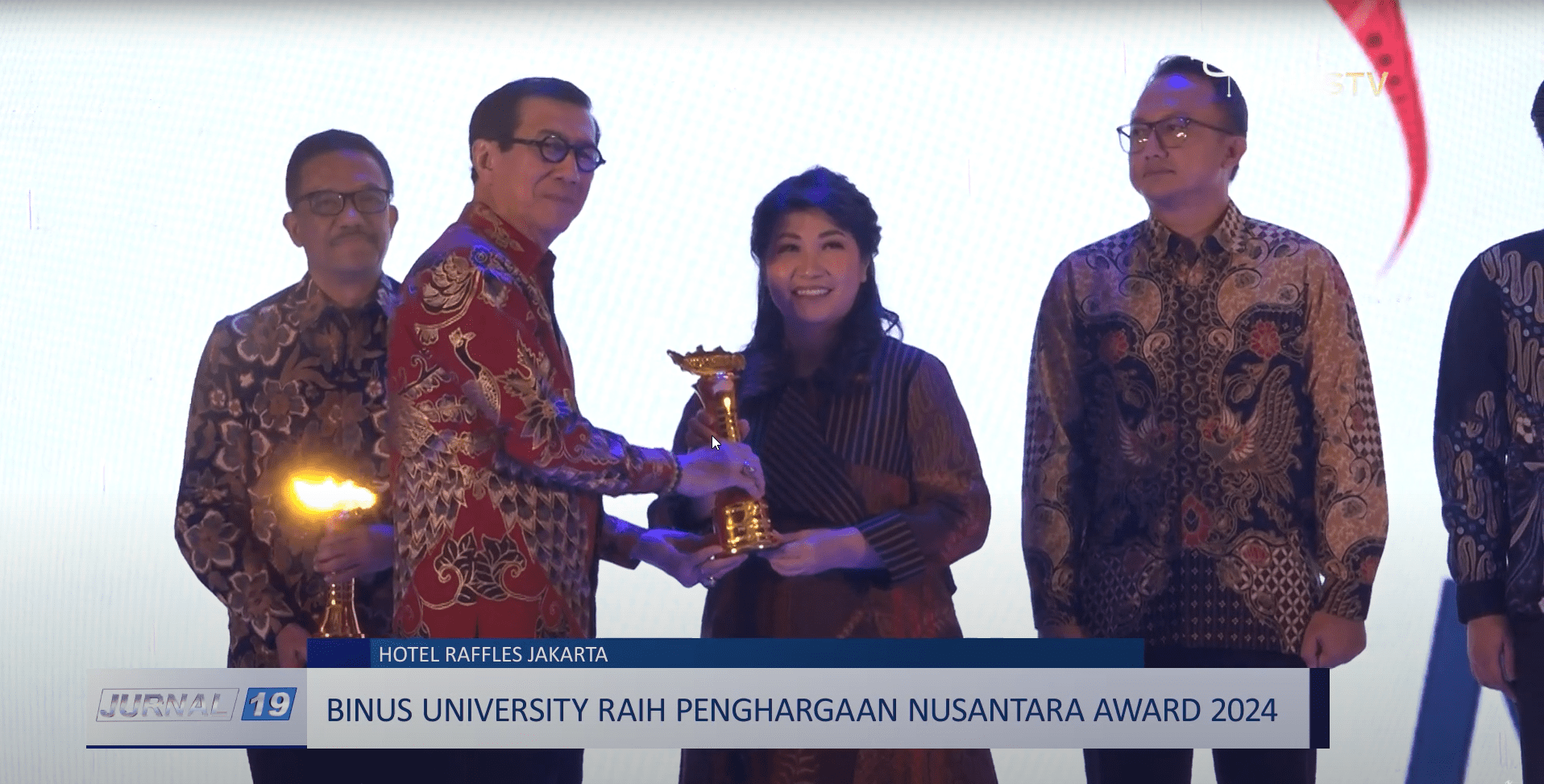
A key initiative is BeeLintang (BINUSIAN Berseni dengan Kolintang), a musical ensemble of faculty, students, and alumni performing the traditional Minahasan kolintang. Through performances at university and national events—including the 69th BINUS Graduation Ceremony—BeeLintang sustains Indonesia’s traditional music and promotes it internationally. In recognition of these efforts, BINUS received the Nusantara Award 2024 for its contribution to cultural preservation.

Innovation in Cultural Heritage through Technology:
BINUS’s Automated Angklung Project modernizes the traditional Sundanese angklung by integrating digital automation. Exhibited at the Ars Electronica Festival in Austria, this project exemplifies how technology can revitalize traditional arts and make them relevant to contemporary audiences.

Language and Folklore Preservation:
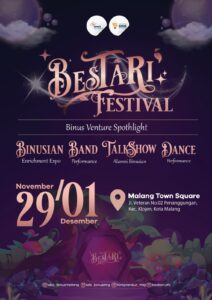
The BESTARI BIPA Festival 2024 promotes Bahasa Indonesia learning for foreign speakers (BIPA), blending language education with folklore and traditional performances. This initiative supports Indonesia’s cultural diplomacy and the global recognition of its linguistic heritage.

Additionally, the Integrating AR/VR in Javanese Language Learning project applies immersive digital tools to teach Javanese and its narratives, helping preserve language and folklore while engaging younger audiences through interactive learning. 

Community-Based Cultural Documentation:
Through the BINUS Nusantara Multimedia Community (BNMC) and its Pengabdian kepada Masyarakat (Community Service) programs, students collaborate with local youth to document regional traditions and oral histories. These initiatives empower communities to record and sustain their own intangible heritage.

Through these diverse projects—ranging from traditional music and digital innovation to linguistic preservation—BINUS University demonstrates a strong institutional commitment to safeguarding Indonesia’s intangible cultural heritage and advancing it through education, creativity, and technology.

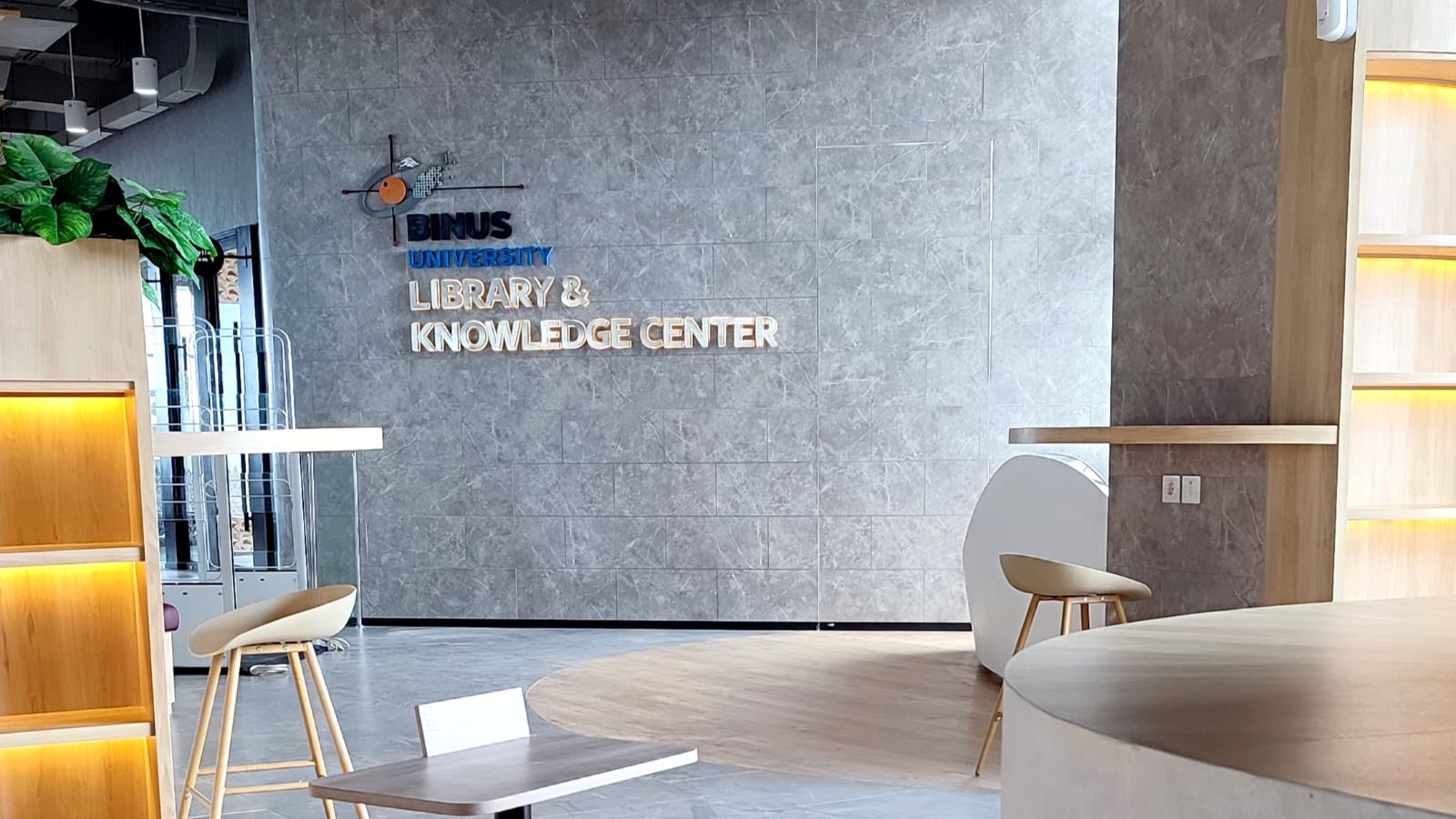
BINUS University demonstrates a strong commitment to inclusive education and open knowledge sharing by providing public access to its libraries, academic collections, and research publications. Through the Library and Knowledge Center (LKC), the university ensures that both members of the BINUS community and the general public can access a wide range of educational resources that support research, innovation, and lifelong learning. 

The Library and Knowledge Center (LKC) is open to non-Binusian visitors who wish to utilize its facilities. External guests can register at the Circulation Desk by presenting a valid ID. Upon registration, visitors receive a printed access slip that allows them to enter and use the library facilities—such as reading areas, lockers, and digital catalogs—until closing hours. While external visitors are not permitted to borrow books, they are fully welcome to read on-site and consult with library staff for research assistance. This policy enables the public to benefit from BINUS’s academic environment in an orderly and inclusive manner.

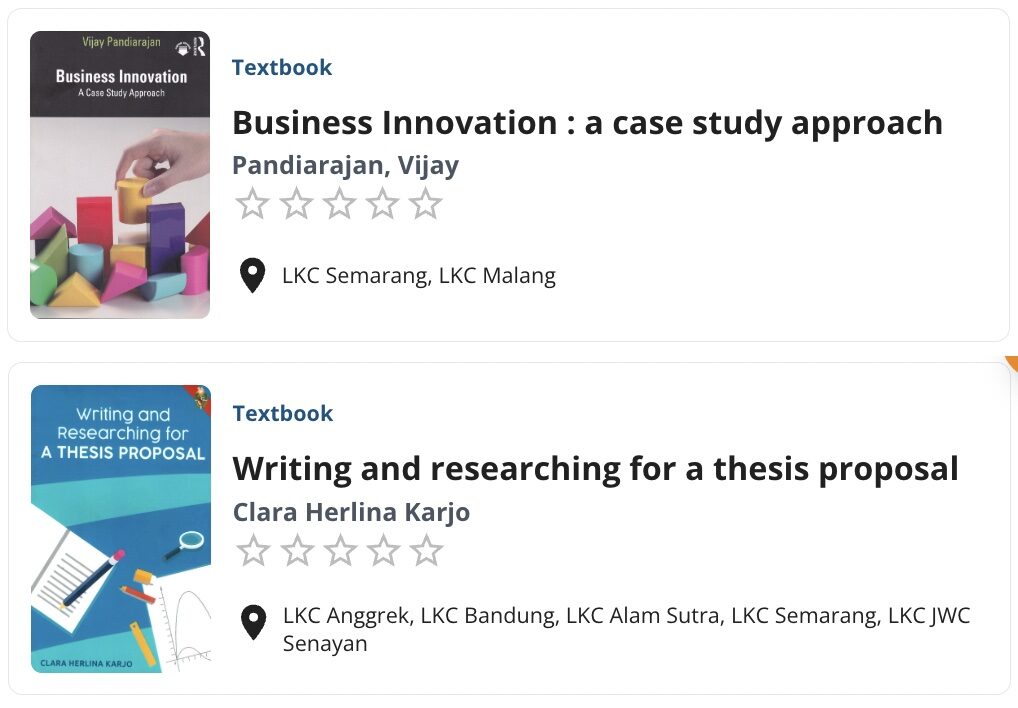
The LKC offers open access to textbooks, academic references, journals, and digital publications, all of which are available through an online catalog that can be browsed freely by anyone—without requiring BINUS affiliation. The automated system enables visitors to conveniently search for and access materials, ensuring transparency and ease of use. To assist the public in utilizing these resources, the library also provides detailed guides and visual instructions on how to access e-books and other digital materials. 

Beyond its library collections, BINUS University also promotes global academic collaboration through its open-access journal platform. This platform hosts a diverse range of peer-reviewed journals across disciplines such as business, technology, communication, design, and social sciences. Several of these journals are indexed in Scopus and SINTA, underscoring the quality and credibility of BINUS’s research output. All journal articles can be freely read and downloaded, reflecting the university’s commitment to removing barriers to academic knowledge and supporting the international research community. 
The Library and Knowledge Center (LKC) is also officially registered with the National Library of Indonesia, reinforcing BINUS’s role as an active contributor to the national knowledge ecosystem. This affiliation highlights the university’s dedication to preserving academic works and making them publicly accessible, thereby strengthening intellectual development and academic excellence in Indonesia 

BINUS University provides public access to art exhibitions, galleries, and creative works that promote cultural appreciation and interdisciplinary dialogue.

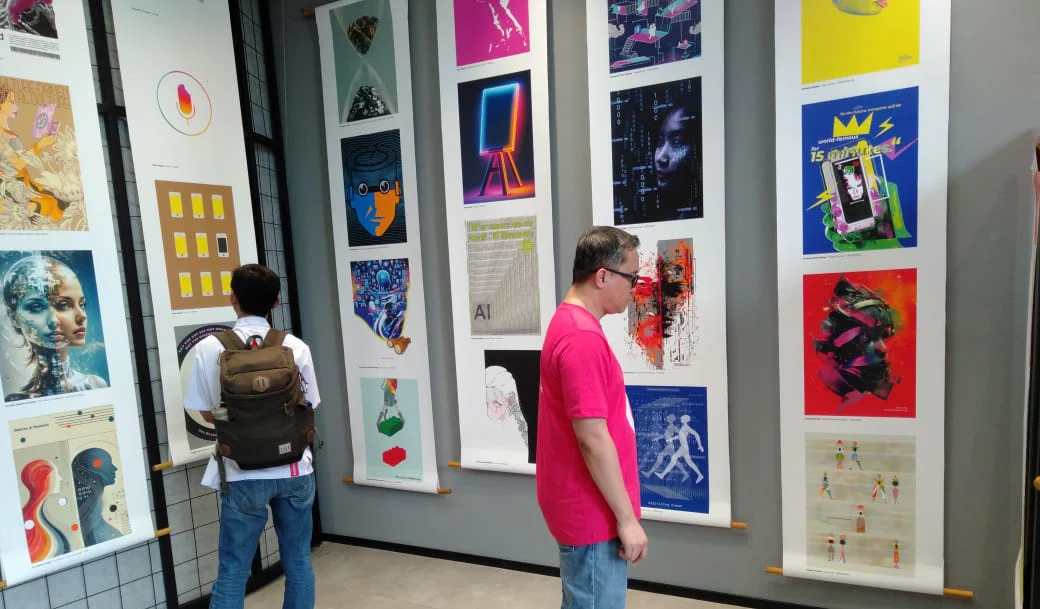
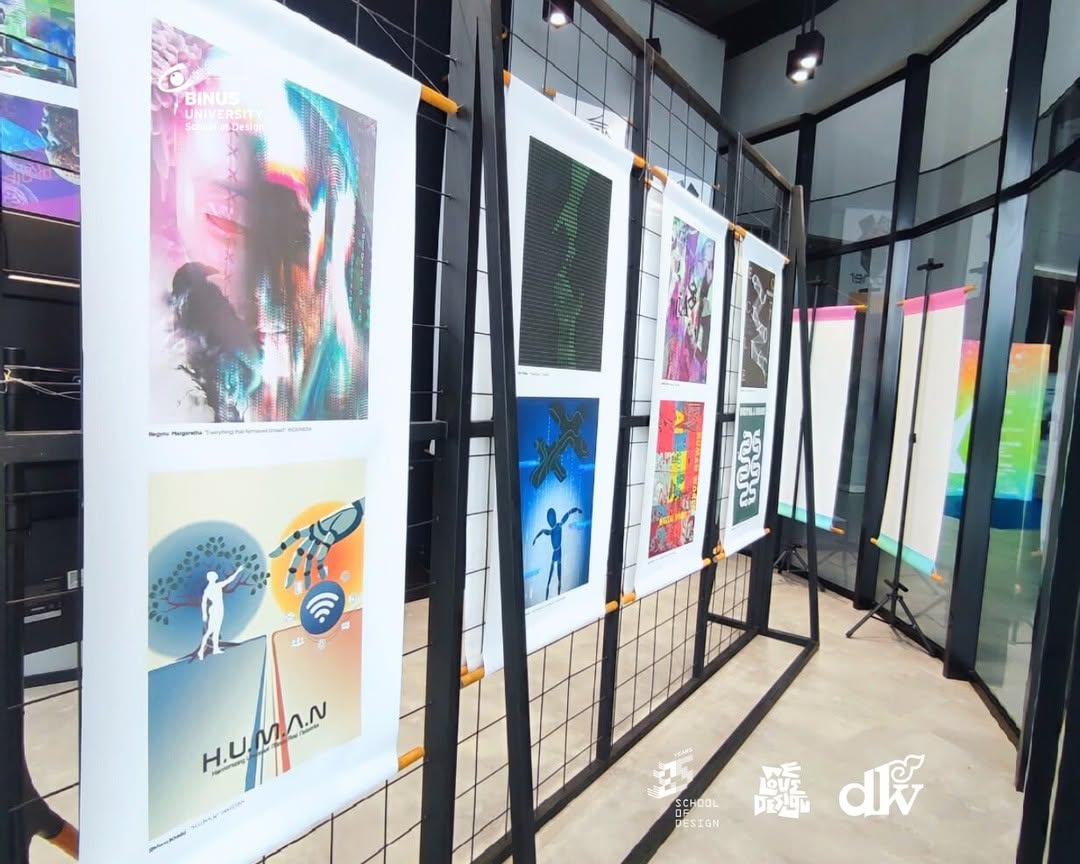
In 2024, BINUS University Semarang hosted the International Visual Immersion & Design Exhibition under the theme “Digital & Humans.” The event explored the intersection of human creativity and digital innovation—highlighting how design, artificial intelligence, and immersive visual technologies influence human identity and expression.

The exhibition brought together 360 artworks from 150 designers across 50 countries, including participants from Indonesia, China, Turkey, Poland, Egypt, Iraq, Iran, and Saudi Arabia. It became a global platform for artists, professionals, and students to reflect on the relationship between technology and human experience through visual art and design.

In conjunction with the exhibition, BINUS University Semarang officially opened the BINUS Gallery, a permanent creative space designed to showcase student and faculty works—particularly from the Visual Communication Design (DKV) program. According to Fredy Purnomo, Director of BINUS Semarang Campus, the gallery serves not only as a hub for academic creativity but is also open to the public for community meetings and art-related activities.

As Noor Udin (Ung), Head of the DKV Program, explained, the gallery and exhibition highlight BINUS’s dedication to advancing creativity in the age of AI and digital transformation. By providing accessible spaces for exhibitions and cultural exchange, BINUS University strengthens its role as an inclusive institution that bridges education, technology, and the arts for both its academic community and the wider public.

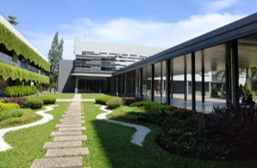
BINUS university provides free public access to open and green spaces as part of our commitment to the green campus concept. We believe that green spaces not only enhance the beauty of the campus but also support sustainability.

  • Green Campus Policy and Sustainable Initiatives: Our university, like BINUS University in Alam Sutera, advocates for the Green Campus concept as an initiative to address climate change. This policy includes the management of open and green spaces that are accessible to the public. The construction and development of BINUS University consider various environmental aspects, with campus buildings designed to enhance air circulation through large windows and maximize natural lighting. This approach aims to minimize electricity use and reduce the campus’s carbon footprint, while the existing green spaces contribute to improving air quality and creating a more pleasant environment.


  • Green Space Facilities: We have several facilities, such as:
    • Educational Garden: This garden serves as a learning space for students and the community, equipped with comfortable seating areas for discussions, outdoor seminars, and community activities.


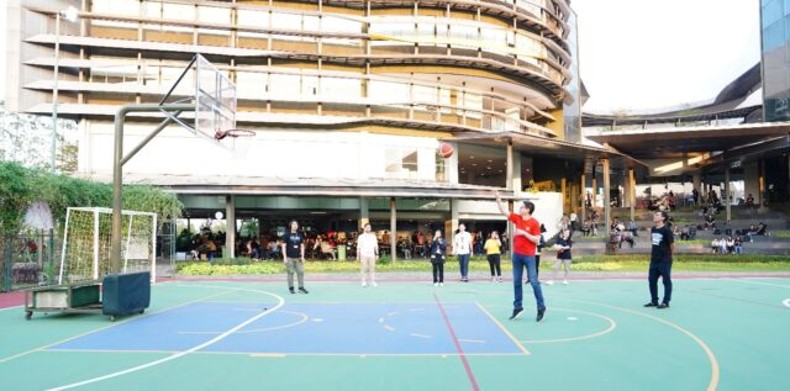
    • Open Space for Events: A large area that can be utilized for various community activities, such as concerts or environmental festivals.


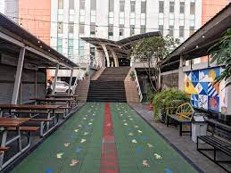
  • Pedestrian Pathways: Well-maintained pedestrian pathways connect various green spaces and facilities, encouraging walking and cycling within the campus, promoting a healthier lifestyle and reducing reliance on vehicles.

BINUS University’s Commitment to Promoting Flexible and Remote Working Practices

BINUS University demonstrates its commitment to sustainability and digital innovation through flexible working arrangements that reduce commuting and carbon emissions. As part of its sustainable operations strategy, the university promotes telecommuting, hybrid working, and cross-campus collaboration as standard practices to enhance efficiency, inclusivity, and work-life balance for employees.

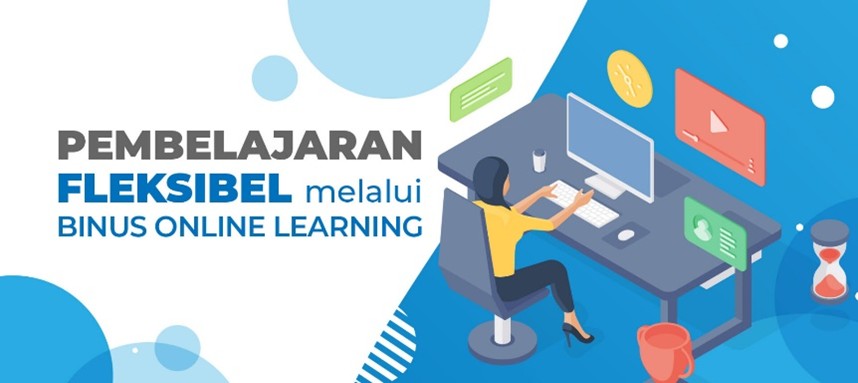
One key implementation of this policy is through BINUS Online Learning (BION), which not only supports remote learning for students but also enables lecturers to conduct teaching, supervision, and assessment activities online. This system minimizes the need for daily commuting and allows faculty to teach and collaborate effectively from various BINUS campuses or remote locations using integrated digital platforms.

Beyond academic activities, employees are allowed to work remotely or from other BINUS campuses when required. This flexible arrangement accommodates teaching schedules, emergencies such as flooding or transportation disruptions, and cross-campus assignments—allowing staff to continue their duties from the nearest campus to optimize time, maintain productivity, and reduce unnecessary commuting.

Through these initiatives, BINUS University demonstrates how digital transformation and adaptive work systems directly contribute to environmental sustainability and employee well-being, fostering a resilient, inclusive, and low-emission institutional culture.

BINUS University is committed to advancing sustainability through environmentally friendly and inclusive commuting initiatives. In line with its Sustainability Roadmap, Indonesia’s target of Net Zero Emissions by 2060, and the UN SDGs (11 and 13), the university measures commuting patterns and sets progressive targets to reduce private vehicle use and expand low-emission mobility options such as walking, cycling, shuttle buses, and electric vehicles.

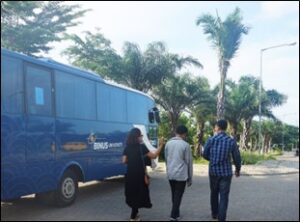
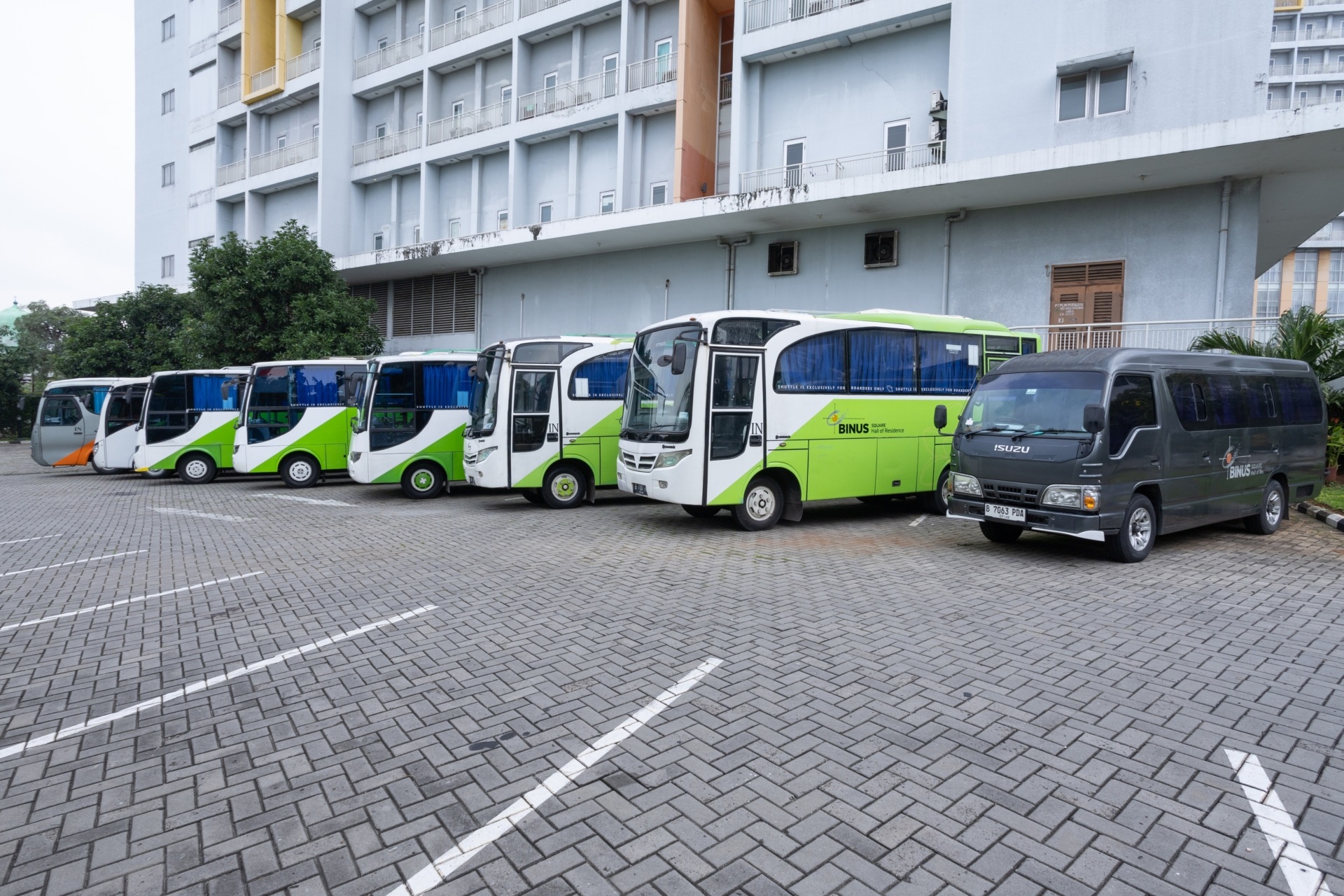
BINUS University provides shuttle bus for employees and students as an action to support sustainable commuting aspect from SDG. Total users of the shuttle is measured and counted to define which size of the bus that will be used for the transportation. Walking pavements are also provided as one of the mandatory facility in all BINUS University campus area. 

One of the key initiatives is the provision of shuttle buses for employees and students. This service helps reduce the use of private vehicles and minimizes carbon emissions. The number of shuttle users is regularly monitored to determine the appropriate capacity and optimize routes, ensuring both efficiency and reduced environmental impact. In addition, pedestrian-friendly infrastructure, such as walking pavements and connecting bridges between buildings, is integrated into campus design to encourage walking as a primary mode of movement within campus areas. 

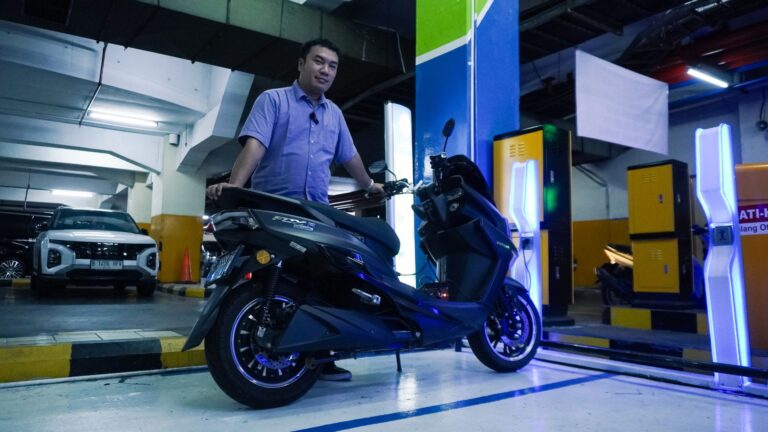
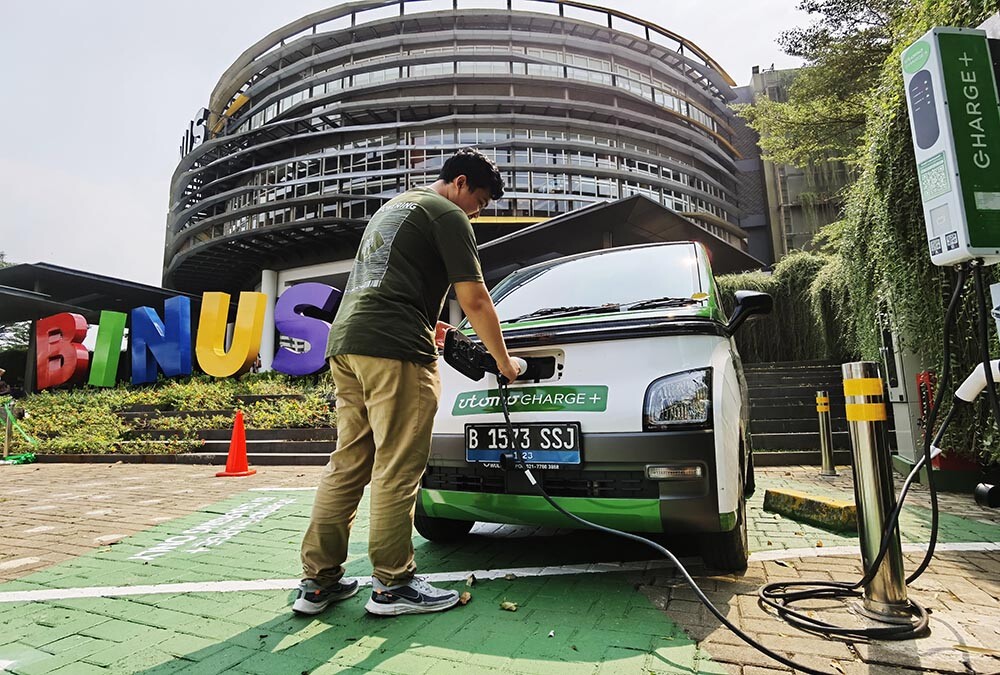
BINUS University has also taken significant steps toward supporting the adoption of electric vehicles (EVs) as part of its commitment to sustainable transportation. In December 2024, BINUS introduced a new charging station for electric vehicles at BINUS Anggrek Campus, providing facilities for both staff and students who use EVs. This initiative demonstrates the university’s proactive effort in reducing fossil fuel dependency and promoting cleaner mobility solutions. 

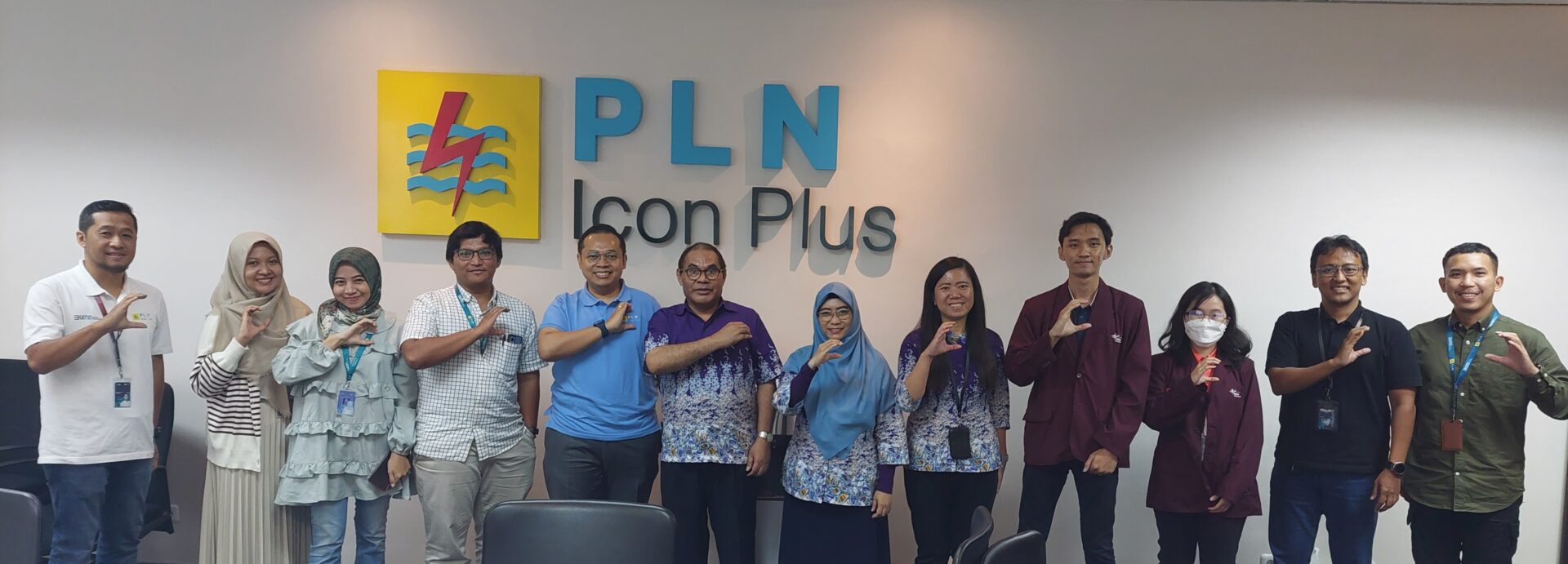
Further reinforcing this commitment, BINUS University has collaborated with PLN Icon Plus to conduct research on optimizing electric vehicle charging station (SPKLU) locations to accelerate EV adoption in Indonesia. This initiative not only supports sustainable transportation on campus but also contributes to national efforts toward achieving a greener mobility ecosystem. 

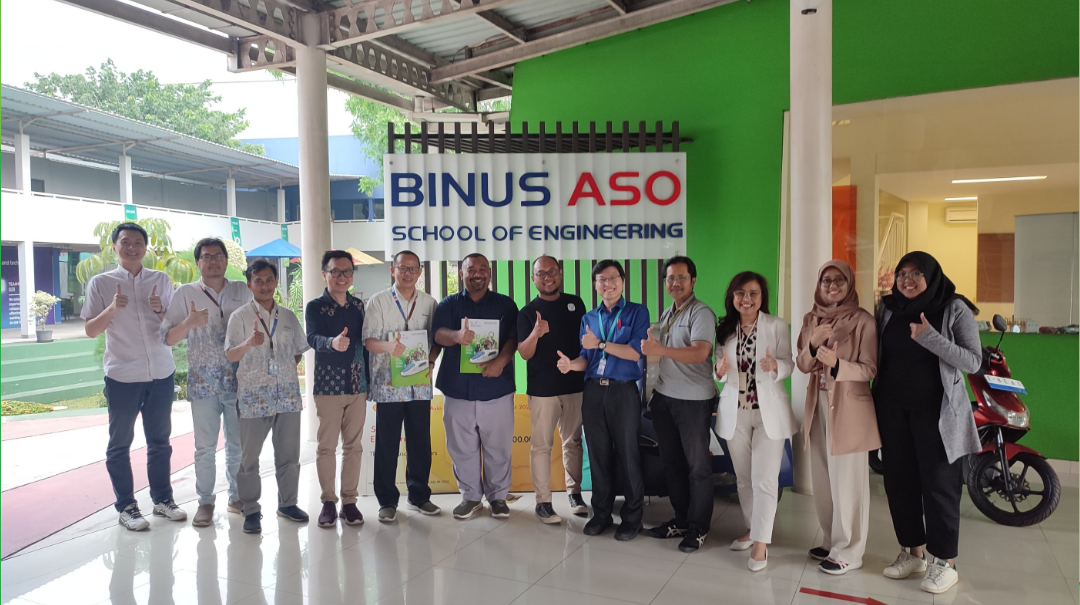
Additionally, through the BINUS ASO School of Engineering, the university signed a research collaboration agreement with PT Spora Cahaya Indonesia (Spora EV) in 2024 to enhance the development of electric vehicle technology in Indonesia. This partnership highlights BINUS’s dedication to research-driven innovation that supports the transition to low-emission transportation. 

Through these efforts, BINUS aims to gradually decrease carbon emissions from transportation while increasing the proportion of green commuting modes such as shuttle use, walking, cycling, and electric mobility. These initiatives are integral to the university’s Sustainability Roadmap, supporting Indonesia’s pathway to Net Zero by 2060 and fostering a campus-wide culture of environmental responsibility.

BINUS University is committed to providing safe, comfortable, and affordable housing for students through its official residence facility, BINUS Square. Located in West Jakarta, BINUS Square serves as more than just a dormitory — it is a vibrant residential community designed to support students’ academic and personal development while ensuring an inclusive and accessible living environment for all.

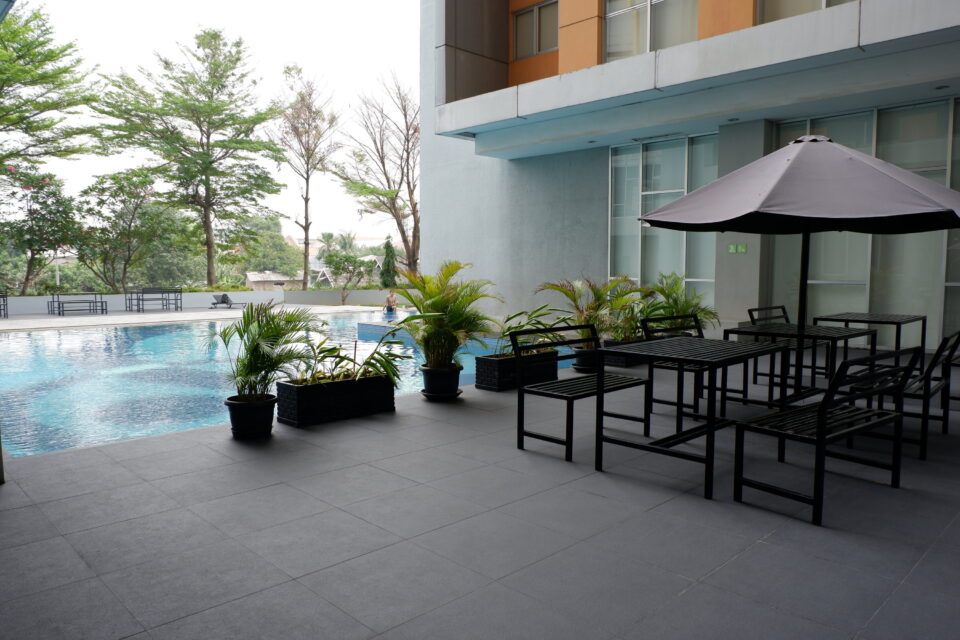
BINUS Square offers a variety of facilities that enhance students’ daily lives, including a swimming pool, study rooms, a fitness center, a communal kitchen, game rooms, and shared social spaces. These facilities are designed to promote a healthy balance between study and recreation while fostering interaction and collaboration among students from diverse backgrounds. Through a dedicated residential management team, BINUS ensures that all residents receive continuous support in maintaining their well-being, safety, and academic progress.

To promote affordability, BINUS University provides special scholarship opportunities for BINUS Square residents, offering up to 25% reduction in accommodation fees. This scholarship is open to active BINUS students who are selected through an application and interview process to serve in various student leadership roles within BINUS Square. This program not only reduces financial barriers to housing but also empowers students to develop leadership and community management skills during their stay. 

Additionally, BINUS supports incoming international and domestic students through its International Office, which provides comprehensive guidance on accommodation options and living arrangements in Jakarta, including BINUS Square and other nearby housing alternatives. Students can access detailed information and support for accommodation. These resources ensure that all students—especially those coming from other regions or countries—receive proper assistance in finding affordable and secure housing during their studies. 

Through these initiatives, BINUS University demonstrates its ongoing commitment to student welfare and inclusivity. By combining affordability, accessibility, and community engagement within its housing policy, BINUS provides a supportive environment that allows students to focus on their academic success and personal growth while ensuring equitable access to safe living spaces. 

BINUS University undertake actions to promote the % of more sustainable commuting, some of the initiatives include:

Provision of electric vehicle recharging stations: BINUS University and Utomo Chargeplus have partnered to reduce carbon emissions by promoting the use of electric transportation in urban areas. This collaboration aims to support sustainable development, particularly in reducing the environmental impact of transportation. Through this initiative, they seek to foster awareness and encourage the adoption of eco-friendly commuting options, aligning with global efforts to address climate change.

Shuttle Bus: BINUS University has a long-standing shuttle bus service for students and staff to travel between campuses. Registration is necessary To ensure sufficient availability of shuttle buses. This service reduces reliance on private vehicles, helping to decrease air pollution, while also allowing passengers to rest during their commute. Overall, it promotes both environmental sustainability and the well-being of the university community.
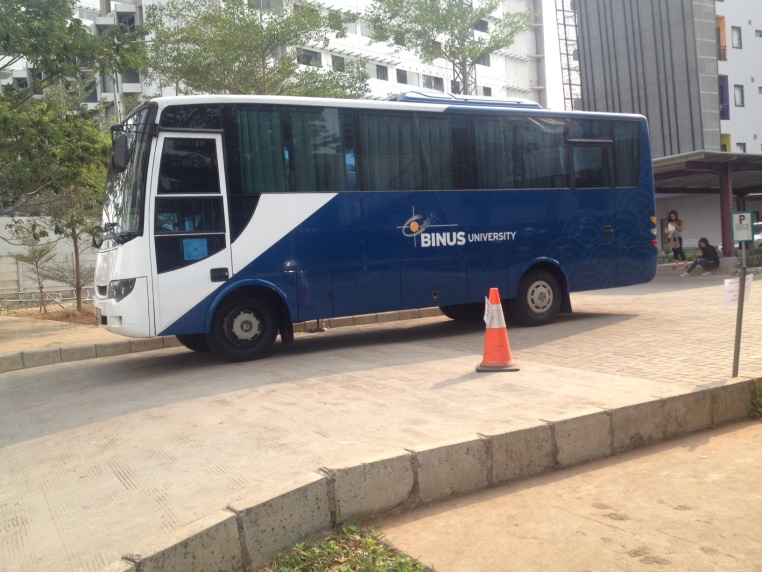
In addition, BINUS University promotes cycling by providing parking areas for bicycles and organizing cycling groups.

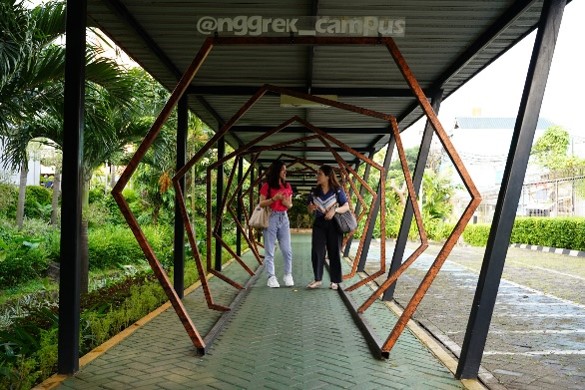
BINUS University provides dedicated pedestrian pathways (sidewalks) that are elevated above the surrounding road surface and adorned with trees and other plants. This design aims to enhance the safety of pedestrians by creating a distinct and higher walkway separate from motor vehicle traffic. Additionally, it adds comfort and a cooler atmosphere to the area surrounding the sidewalks. The installation of canopies around the pedestrian zones further enhances the comfort for walkers, particularly during rainy weather.

Binus University has partnered with Pasir Mulya village for five years to develop tourism and cultural initiatives. The university focuses on educating the community about waste management and creative thinking, providing resources like tents, solar panels, and new toilets. In 2023, BINUS collaborates with the local government to enhance infrastructure, such as renovating homestay facilities and improving road conditions, with the goal of positioning Pasirmulya as a prominent tourist destination.