LIFE ON LAND
LIFE ON LAND
Protect, restore and promote sustainable use of terrestrial ecosystems, sustainably manage forests, combat desertification, and halt and reverse land degradation and half biodiversity loss.
69
ACTION GOALS
149
PUBLICATIONS

EXPERTS

Dr. Suryadiputra Liawatimena, S.Kom., Pgdip.App.Sci.
Related Goals
Muhammad Zacky Asy’ari, S.T., M.Sc.
Related Goals


As sustainability becomes increasingly important, Bina Nusantara University (BINUS) is committed to promoting environmentally responsible food sourcing through institutional procurement policies and supplier management practices. This approach incorporates environmental sustainability, local sourcing, food safety, and support for local businesses into food and beverage procurement.

1. Vendor Guidelines and Supplier Registration

The BINUS Vendor Guidelines establish environmental sustainability expectations for prospective suppliers and support the empowerment of local businesses. Through the supplier registration process on the BINUS Procurement Portal, vendors are asked whether their companies support environmental sustainability initiatives and must explain their responses. Supplier evaluation also considers sustainability alongside financial performance, tax and legal compliance, relationships, and reputation. These requirements integrate environmental considerations into supplier selection and engagement.

2. Rector’s Decree No. 0136A

This decree outlines important requirements for responsible food and beverage procurement:

  • Point r: Ensures that food and beverage suppliers provide healthy, safe, and clean food.
  • Point u: Mandates sourcing goods and services from suppliers that support environmental sustainability.

3. CEO Decree on Food and Beverage Procurement

The CEO Decree on the Procurement of Food and Beverages, amended on 18 September 2025, establishes additional vendor selection requirements:

  • Local sourcing: Employees must select vendors located in the same city or nearest area to the activity location, according to BINUS’s designated area list.
  • Food freshness and efficiency: This location requirement supports food freshness and procurement efficiency.
  • Vendor accountability: Vendors must meet hygiene standards, have no conflicts of interest with BINUS stakeholders or employees, and not be listed on the institution’s blacklist.

Together, these policies and procedures demonstrate BINUS University’s institutional approach to environmentally responsible food sourcing, sustainable procurement, local supplier engagement, and food safety. They incorporate environmental considerations into supplier registration and food procurement decisions, providing an institutional basis for responsible sourcing that extends beyond individual purchasing practices.

BINUS University supports sustainable tourism management through community empowerment, academic engagement, and collaboration with local stakeholders. Its initiatives promote responsible tourism development, strengthen local capabilities, and encourage the protection of natural and cultural heritage.

  1. Sustainable Tourism Development in Labuan Bajo

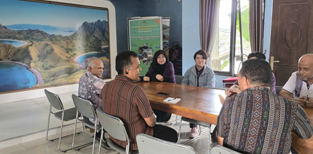
BINUS University conducted a study on green tourism governance in Labuan Bajo, engaging local government and tourism stakeholders to identify destination management challenges and develop research-based recommendations for sustainable tourism development, including the protection of natural landscapes and improvement of tourism facilities.

  1. Community Empowerment on Pramuka Island

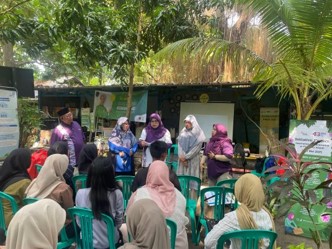
Through an 11-month community empowerment programme, BINUS University provided training and mentoring for local women and youth in product development, material reuse, and digital content creation. These activities strengthen community skills and support local economic opportunities linked to sustainable tourism.

  1. Conservation of Toba Caldera Geopark

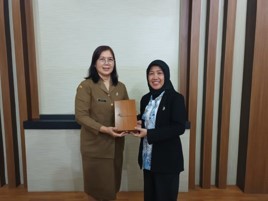
BINUS University’s Community Empowerment team engaged with the North Sumatra Culture and Tourism Office to discuss sustainable conservation and development of Toba Caldera UNESCO Global Geopark. This initiative highlights collaboration among academia, government, and communities to protect natural heritage while supporting sustainable tourism.

4. Sustainable Agro-Tourism in Labuan Bajo

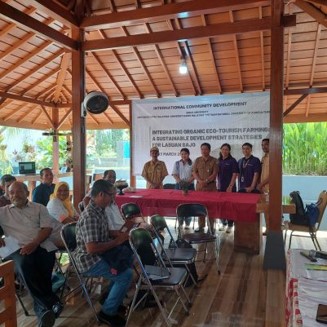
In March 2025, BINUS University collaborated with local farmers in Labuan Bajo to develop sustainable agro-tourism by integrating organic farming, environmental education, and tourism development. The programme provided farmers with technical training in organic land management, including environmentally friendly practices to maintain soil fertility and reduce the use of harmful chemicals, as well as training in digital marketing and agricultural product development. It also introduced the concept of educational tourism, enabling visitors to learn how sustainable farming practices can support environmental conservation while creating economic opportunities for local communities.

Through these initiatives, BINUS University contributes to community capacity-building, sustainable destination management, and environmental conservation, helping local communities and stakeholders pursue tourism development that balances economic opportunities with long-term environmental sustainability.

BINUS University provides educational programmes, technical training, and community outreach to support the sustainable management of agricultural land and tourism destinations. Through collaborations with local farmers, communities, government institutions, and technology stakeholders, BINUS promotes sustainable agriculture, organic farming, agricultural mechanization, and environmentally responsible tourism.

  1. Sustainable Agro-Tourism in Labuan Bajo

In March 2025, BINUS University collaborated with local farmers in Labuan Bajo to develop sustainable agro-tourism by integrating organic farming, environmental education, and tourism development. The programme provided farmers with technical training in organic land management, including environmentally friendly practices to maintain soil fertility and reduce the use of harmful chemicals, as well as training in digital marketing and agricultural product development. It also introduced the concept of educational tourism, enabling visitors to learn how sustainable farming practices can support environmental conservation while creating economic opportunities for local communities.

  1. Agricultural Mechanization Training Using Drone Sprayers

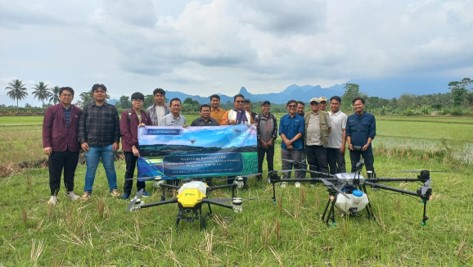
In August 2025, PSPPI BINUS conducted a socialization and implementation programme on agricultural mechanization using drone sprayers in Cibadak Village, Tanjungsari, Bogor. The initiative introduced agricultural stakeholders to drone-based spraying technology to improve application efficiency, coverage, and access to challenging agricultural terrain. The programme also addressed the potential to reduce farmers’ exposure to pesticides and minimize environmental impacts through more efficient spraying practices.

This initiative demonstrates BINUS University’s contribution to technical education and technology transfer for sustainable agricultural management.

  1. BINUS Bajo Agro-Tourism Programme: Strengthening Rural Food Security

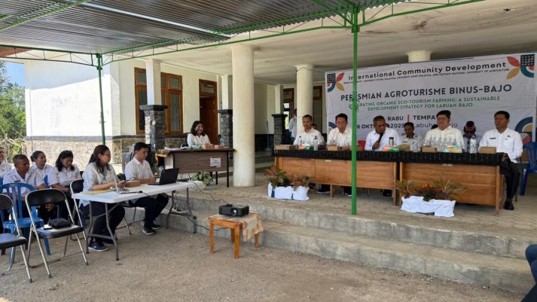
In October 2025, BINUS University and the Manggarai Barat Regency Government officially launched the BINUS Bajo Agro-Tourism Programme in Nggorang Village, Labuan Bajo. The programme was designed as a community-based learning and empowerment initiative, combining organic farming training, educational tourism, local product marketing, and creative economic development. It also encourages farmers to develop local agricultural commodities, including vanilla, cloves, cocoa, and cashew nuts.

By providing practical agricultural training and community mentoring, the programme supports local farmers in managing agricultural land productively while developing environmentally conscious tourism experiences. It connects food security, sustainable land management, and rural economic development.

Through farmer training, agricultural technology transfer, community-based agro-tourism, and sustainable tourism initiatives, BINUS University promotes knowledge sharing and practical approaches to managing land for agriculture and tourism. These initiatives support sustainable agricultural productivity, responsible resource use, local economic development, and environmentally conscious tourism.

BINUS University supports ecosystem education and biodiversity awareness through community engagement and environmental learning programmes. These initiatives aim to help local communities understand ecosystems, biodiversity, and the importance of conserving natural habitats and wild flora and fauna.

  1. Mangrove Ecosystem Education at Pulau Burung, Subang

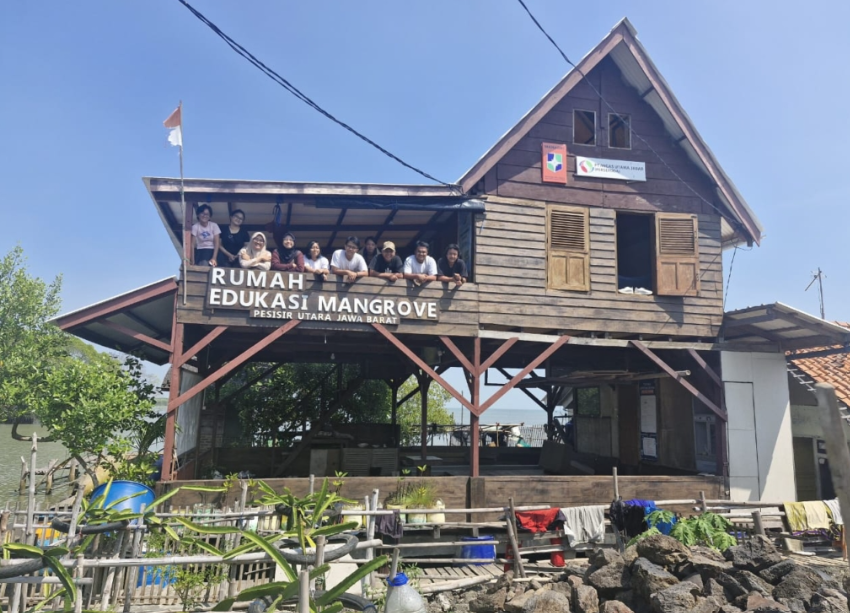
In 2025, BINUS University developed Ayo Kenal dan Tanam Mangrove!, an illustrated educational guide to promote ecosystem education at Pulau Burung, Subang. The programme introduces students to mangrove species, their ecological functions, and the importance of coastal habitats in supporting biodiversity. Through illustrated learning materials and field-based observation, the initiative helps students understand the relationship between mangrove vegetation, wildlife, and the surrounding coastal ecosystem.

The initiative also promotes environmental learning through the involvement of students, teachers, and local communities, encouraging greater understanding of mangrove conservation, biodiversity protection, and the ecological importance of coastal ecosystems. By connecting educational resources with local environmental contexts, BINUS University supports ecosystem awareness and knowledge sharing that can encourage communities to participate in the long-term conservation of mangrove habitats.

2. Community Education on Marine Ecosystems in Bowele, Malang

In 2025, BINUS University conducted Melukis Masa Depan Laut, an educational campaign addressing overfishing and its threats to marine ecosystems in Bowele Tourism Village, Malang. Through infographic-based educational materials, the initiative raised awareness among local tourism stakeholders and the wider community about the impacts of excessive fishing on marine life, including fish and lobsters. The programme connects community education with the importance of protecting marine biodiversity and promoting more sustainable use of coastal resources.

3. HIMA Green 2025: Mangrove Conservation

In 2025, BINUS students organized HIMA Green, an environmental initiative focused on mangrove conservation and coastal ecosystem protection. Mangrove habitats provide important ecological functions and support diverse aquatic and terrestrial organisms. This activity can complement BINUS’s ecosystem education efforts where supporting documentation confirms that participants or local communities received education on mangrove ecology, biodiversity, or habitat conservation.

Through these initiatives, BINUS University promotes ecosystem awareness, biodiversity education, and habitat conservation, particularly in coastal and marine environments. By connecting educational resources and community engagement with local environmental challenges, BINUS supports greater understanding of the importance of conserving natural ecosystems and the wildlife they sustain.

4. Sustainable Agro-Tourism Education in Labuan Bajo

In March 2025, BINUS University collaborated with local farmers in Labuan Bajo through a sustainable agro-tourism initiative. The programme promotes knowledge sharing on sustainable agriculture, organic land management, and environmentally responsible farming practices. By connecting agricultural activities with educational tourism and community empowerment, the initiative provides opportunities for local communities to learn about sustainable land use and the relationship between agricultural landscapes and environmental sustainability.

5. Student-Led Education on Food Security and Sustainable Agriculture

In May 2025, BINUS @Bekasi students participated in an initiative promoting food security and environmental sustainability. The programme encouraged awareness of responsible food production and the importance of sustainable agricultural practices. By connecting food security with environmental responsibility, the initiative supported community understanding of sustainable resource management and the relationship between agricultural systems and ecosystems.

6. HIMA Green 2025: Revive Mangroves to Maintain a Healthy Ecosystem

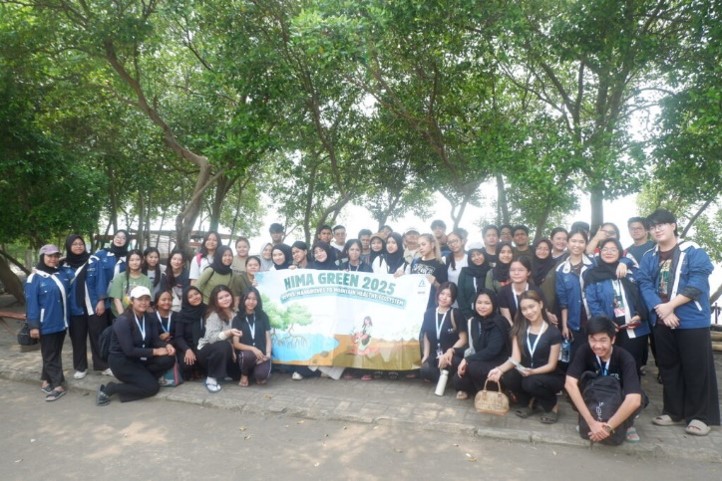
In August 2025, BINUS @Bekasi students organized HIMA Green 2025, an environmental initiative focused on mangrove conservation and ecosystem protection. The programme raised awareness of the ecological importance of mangroves, which provide habitats and breeding grounds for various aquatic and terrestrial organisms. Through mangrove-focused activities, participants were encouraged to understand the role of coastal vegetation in maintaining biodiversity, protecting habitats, and sustaining healthy coastal ecosystems.

7. Community Service and Environmental Education at Tzu Chi

In December 2025, BINUS Online Business Management students and lecturers conducted a community service programme at the Tzu Chi Environmental Conservation and Education Center in Cengkareng. The initiative connected university-based community engagement with environmental learning and conservation awareness. By engaging with an environmental education facility, participants had an opportunity to strengthen their understanding of environmental conservation, responsible resource use, and sustainable waste management.

Through ecosystem education, sustainable agriculture learning, mangrove conservation, and community engagement, BINUS University promotes understanding of mangrove species, ecological functions, biodiversity, and habitat conservation among students and local communities. These initiatives support knowledge sharing on ecosystem protection, sustainable land management, and the importance of conserving natural habitats and the wildlife they support.

BINUS University actively supports ecosystem conservation and biodiversity protection through initiatives that help maintain and restore natural habitats, particularly mangrove ecosystems. These efforts involve students, volunteers, and local communities in practical activities to protect coastal environments and the biodiversity they support.

  1. Global Citizenship in Action: Tackling Coastal Waste

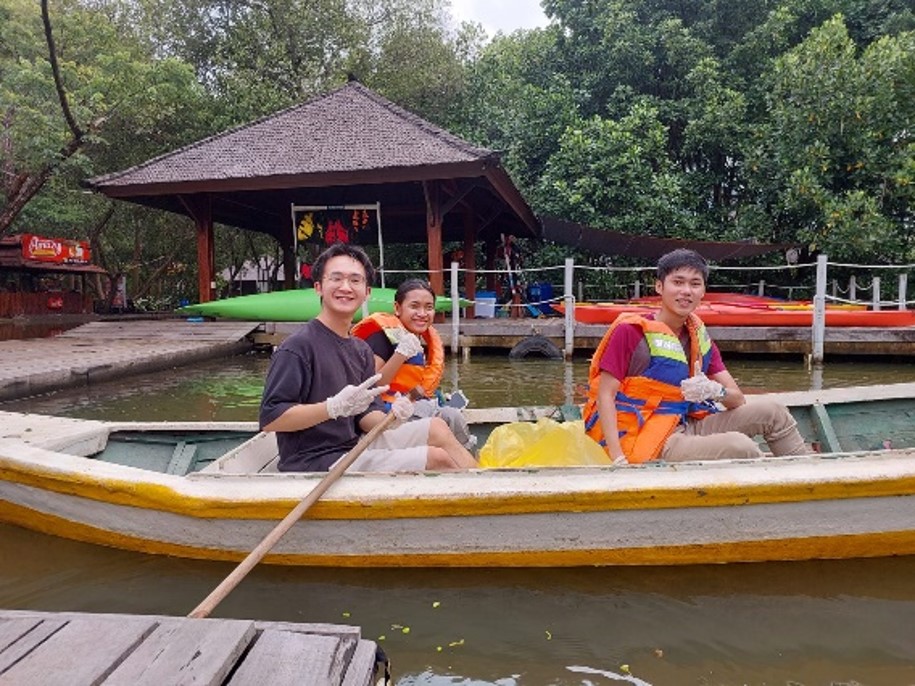
In January 2025, BINUS University organized a coastal clean-up activity at Taman Wisata Alam Mangrove, Pantai Indah Kapuk. The initiative engaged students and volunteers in removing waste from mangrove habitats, helping maintain environmental quality and protect ecosystems that support diverse plant and animal species.

  1. HIMA Green 2025 — Mangrove Planting

In July 2025, students participated in HIMA Green 2025, a mangrove-planting initiative at Pantai KSS, Tangerang, under the theme “Revive Mangroves to Maintain Healthy Ecosystem.” The activity highlighted the ecological importance of mangroves as coastal habitats and their role in supporting biodiversity and protecting shorelines. Through direct planting activities, participants contributed to local mangrove conservation efforts and promoted greater awareness of ecosystem protection.

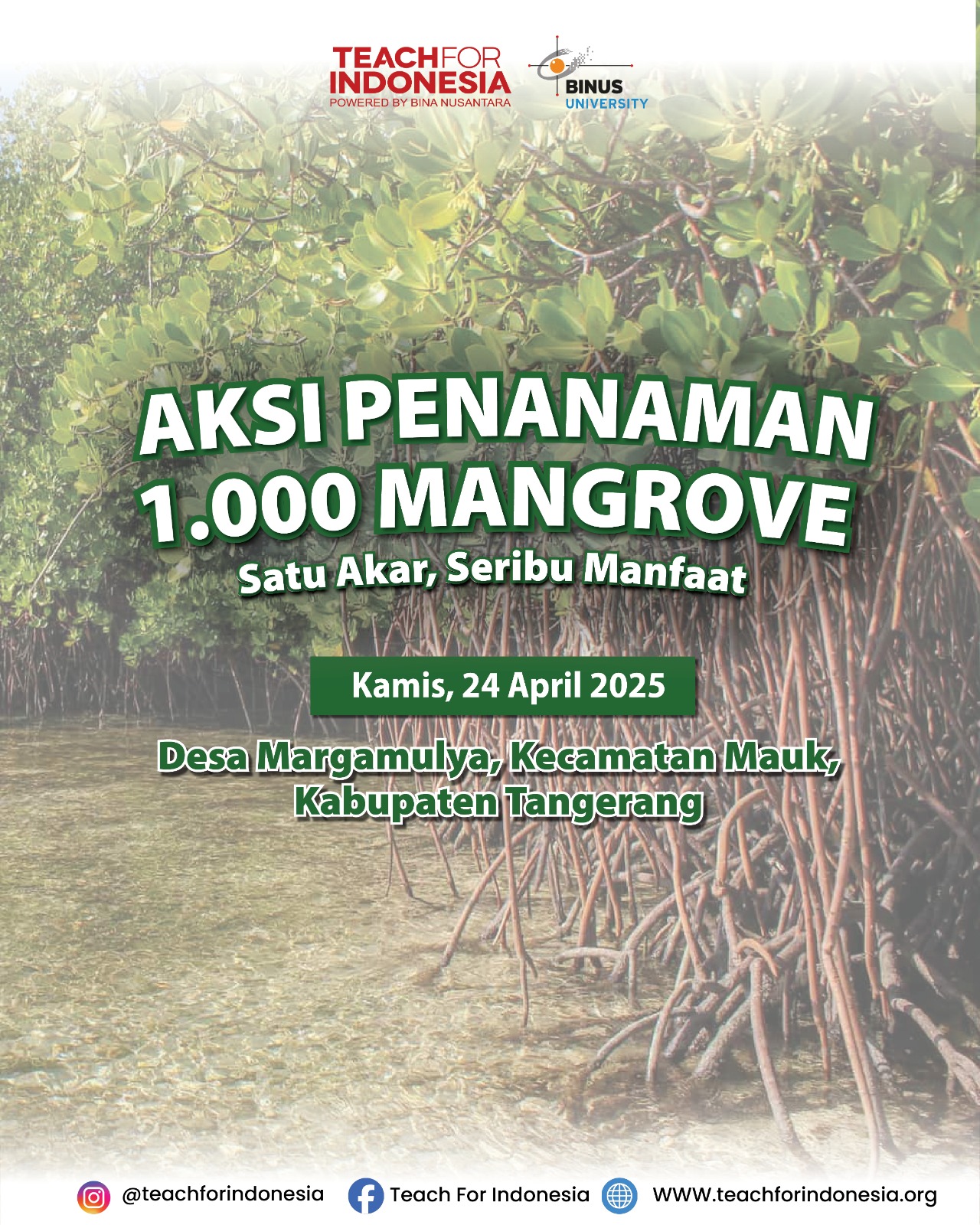
  1. Planting 1,000 Mangroves — Satu Akar, Seribu Manfaat

On 24 April 2025, BINUS University’s Teach For Indonesia and Student Support Office supported the initiative “Aksi Penanaman 1.000 Mangrove — Satu Akar, Seribu Manfaat” in Desa Margamulya, Kecamatan Mauk, Tangerang. The activity set a target of planting 1,000 mangrove trees, emphasizing the importance of restoring and maintaining coastal vegetation. Mangrove planting can help strengthen coastal ecosystems, provide habitat for wildlife, and support the long-term resilience of coastal environments. The stated planting target demonstrates the scale of the initiative, while evidence of the number of trees actually planted and their survival would further establish its conservation outcomes.

  1. Plogging in the TWA Mangrove Area

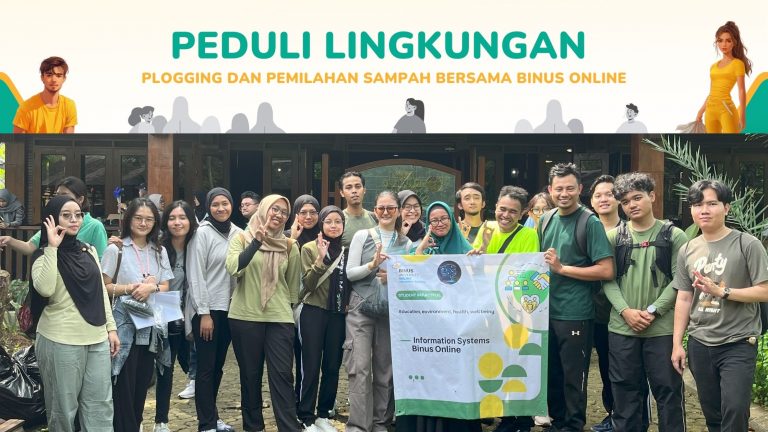
In June 2025, BINUS Online students participated in a plogging activity at Taman Wisata Alam Angke Kapuk, combining physical activity with waste collection in the mangrove area. By removing litter from the surrounding environment, participants helped maintain the cleanliness of a habitat that supports coastal biodiversity. The initiative also encouraged students to recognize the importance of responsible waste management in reducing human pressures on sensitive ecosystems.

5. Maintaining Aquatic Ecosystems and Biodiversity

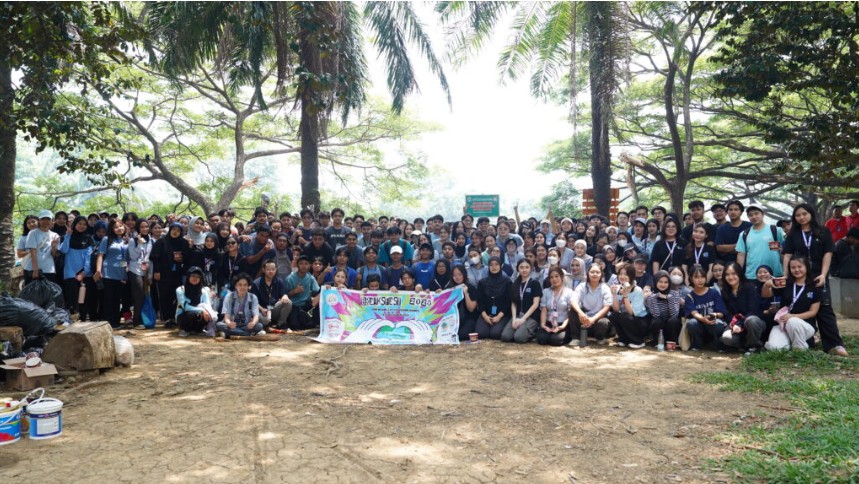
In October 2025, BINUS University @Bekasi organized an environmental initiative at Danau Duta Harapan as part of Breaksfest 2025, combining lake clean-up activities with fish release. The clean-up aimed to maintain environmental quality, while the fish-release activity symbolized the university community’s commitment to preserving the lake ecosystem.

Together, these activities reflect BINUS University’s efforts to maintain aquatic habitats and support biodiversity. By removing waste and promoting care for aquatic life, the initiative contributes to environmental stewardship and supports SDG 15.2.3, Maintain and Extend Current Ecosystems’ Biodiversity.

6. Greener Day 2025: Tree Planting Initiative

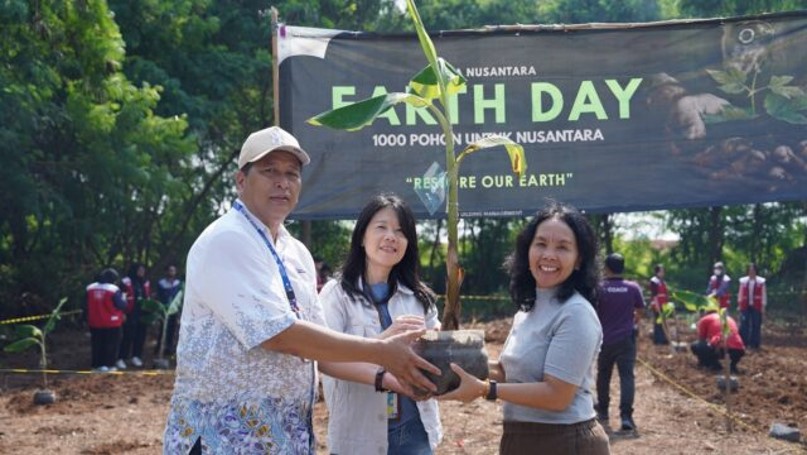
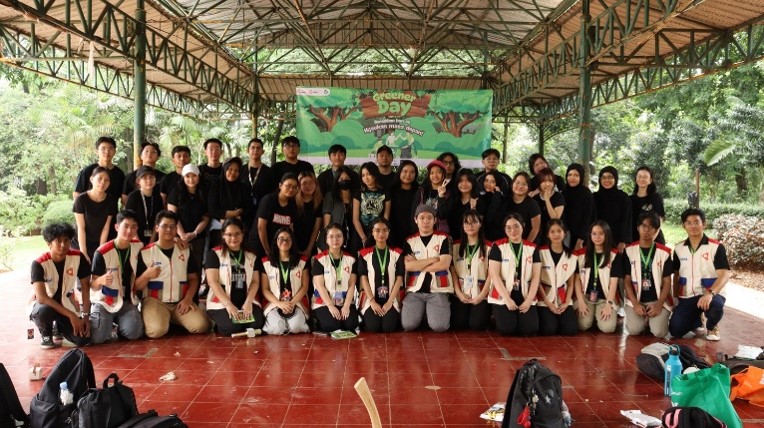
In August 2025, BINUS University participated in Greener Day 2025 at Ragunan, Jakarta, involving the planting of trembesi, pule, and ketapang kencana trees, alongside ornamental plants such as golden pothos and spider plants. The initiative promoted environmental awareness and contributed to urban greening efforts.

Among the species planted, pule (Alstonia scholaris) and trembesi (Samanea saman) have ecological functions that can support local biodiversity. Pule flowers provide nectar for insect pollinators, while the broad canopy of mature trembesi trees can provide shelter and potential nesting habitats for birds and other organisms. Through this initiative, BINUS University contributed to maintaining urban greenery and supporting vegetation that can provide ecological resources for local wildlife, aligning with SDG 15.2.3, Maintain and Extend Current Ecosystems’ Biodiversity.

7. Ecoprint for Sustainable Economic and Cultural Development in Wonokitri

In October 2025, BINUS University supported an ecoprint initiative in Wonokitri Village, East Java, involving local tourism stakeholders and small businesses. The initiative aimed to develop creative local products that could support the local economy while promoting the village’s cultural identity.

Located in the Bromo Tengger Semeru area, Wonokitri is known for its Tengger cultural traditions and the Javanese edelweiss (Anaphalis javanica), a protected mountain plant with cultural significance. By connecting creative products with local heritage and sustainable tourism, the initiative encourages a balance between economic opportunities, cultural preservation, and environmental awareness.

Through mangrove planting, coastal clean-up, plogging, lake clean-up and fish-release activities, tree planting, and community-based ecoprint development, BINUS University engaged its academic community and local stakeholders in initiatives related to environmental stewardship and sustainable development. These activities help maintain habitat quality, reduce waste pollution, promote vegetation that can provide ecological resources for wildlife, and encourage environmental awareness. The ecoprint initiative further connects cultural preservation and local economic development with environmental responsibility. Collectively, these initiatives demonstrate BINUS University’s commitment to maintaining ecosystems and supporting biodiversity, contributing to SDG 15.2.3, Maintain and Extend Current Ecosystems’ Biodiversity.

BINUS University actively supports and organizes environmental events that promote the conservation and sustainable utilization of land, including forests, green spaces, riverbanks, and other natural ecosystems. Through environmental initiatives involving students, faculty members, local communities, and government stakeholders, the university encourages practical action to protect biodiversity, maintain soil quality, and improve the sustainability of natural environments.

Cisadane Riverbank Conservation – 23 May 2025

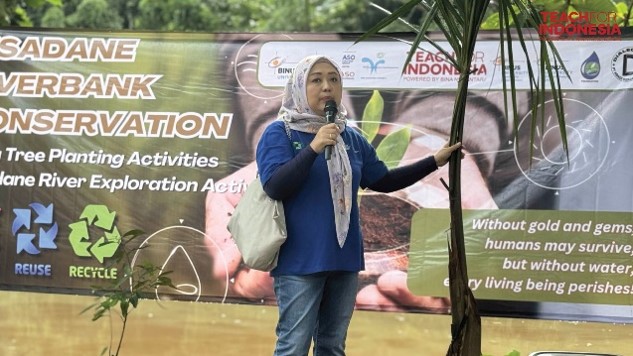
Through Teach For Indonesia (TFI), BINUS University supported the Cisadane Riverbank Conservation initiative on 23 May 2025. The activity involved tree planting along the Cisadane River to help reduce soil erosion and strengthen riverbank stability, alongside river exploration and waste collection. By promoting vegetation restoration and environmental stewardship, the initiative encouraged participants to contribute directly to the protection of riverbank ecosystems. Collaboration with local stakeholders also helped connect environmental conservation efforts with community participation.

Plogging in the Mangrove Forest – June 2025

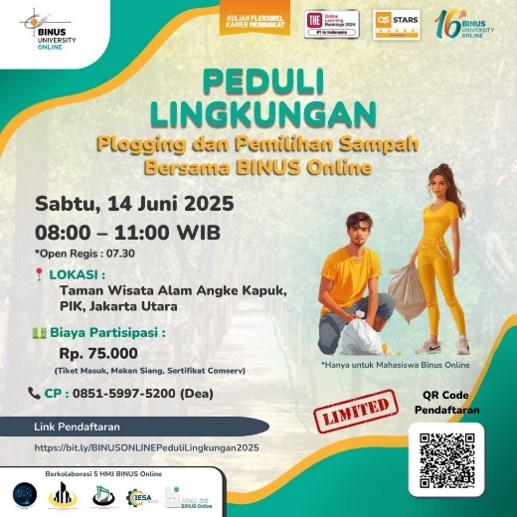
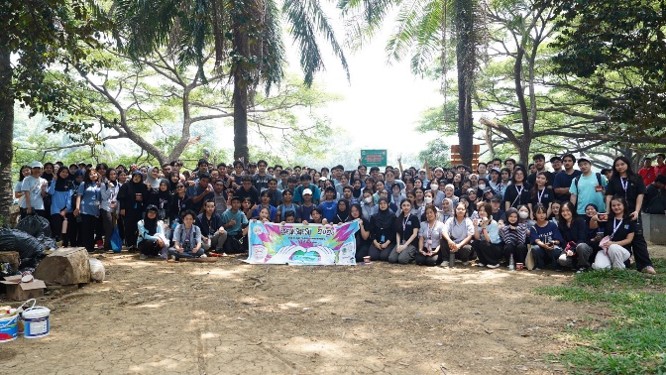
BINUS Online organized a community-service activity titled Plogging di Hutan Mangrove at Taman Wisata Alam Angke Kapuk, North Jakarta. Conducted on 14 June 2025, the activity combined physical exercise with waste collection in a mangrove conservation area. By encouraging students and lecturers to remove waste from the surrounding environment, the initiative promoted awareness of the importance of maintaining coastal ecosystems and protecting natural habitats. The activity also provided an opportunity for the university community to engage directly in environmental care beyond the campus.

Environmental Action at BREAKSFEST 2025 – October 2025

BINUS @Bekasi incorporated environmental action into BREAKSFEST 2025, a festival that concluded with an environmental-care initiative at Danau Duta Harapan. Activities included cleaning the lake’s surroundings and creating biopore infiltration holes to support rainwater absorption and improve soil-water management. The initiative encouraged students to participate in practical environmental solutions while promoting awareness of the importance of maintaining green spaces and urban water ecosystems. The involvement of local environmental authorities and community stakeholders further connected the event with broader environmental management efforts.

Tree Planting for Disaster Mitigation in Tulungrejo, Batu – November 2025

On 26 November 2025, BINUS University students from the Public Relations program participated in a tree-planting initiative in Tulungrejo Village, Batu, East Java. The activity involved planting 330 trees to support disaster mitigation, particularly in areas vulnerable to landslides. Vegetation can help stabilize soil, reduce erosion, and support the restoration of local ecosystems. The initiative also involved local government stakeholders and included plans for follow-up monitoring, demonstrating the importance of maintaining planted vegetation beyond the initial event.

Together, these initiatives demonstrate BINUS University’s support for practical environmental conservation through tree planting, riverbank restoration, mangrove-area maintenance, and sustainable water infiltration practices. By integrating environmental action into student engagement, community service, and institutional initiatives, BINUS University promotes responsible land stewardship and contributes to the protection of terrestrial and associated aquatic ecosystems.

BINUS University actively collaborates with local communities, government agencies, and local farmers to promote environmental protection and the sustainable management of shared land ecosystems. Through community engagement, environmental education, and sustainable development initiatives, BINUS encourages collective responsibility for maintaining healthy environments and supporting local communities.

  1. World Cleanup Day 2025 – Community Environmental Action (Bekasi)

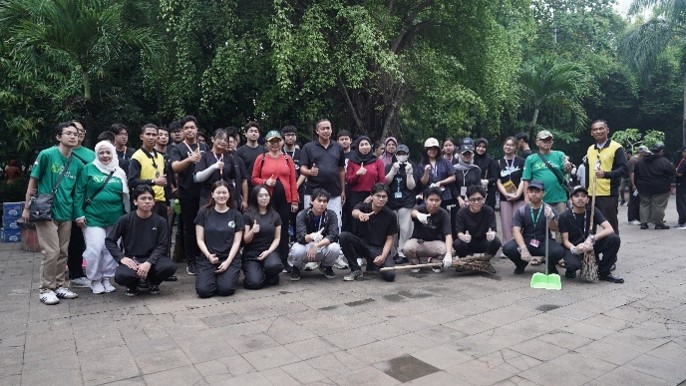
Through its World Cleanup Day initiative, BINUS University Bekasi encouraged students and local community members to work together to maintain a cleaner and healthier environment. The activity promoted public participation in waste reduction and environmental care, highlighting the importance of collective action in protecting shared public spaces and preventing environmental degradation.

  1. Environmental Management Collaboration with the Mayor of Bekasi

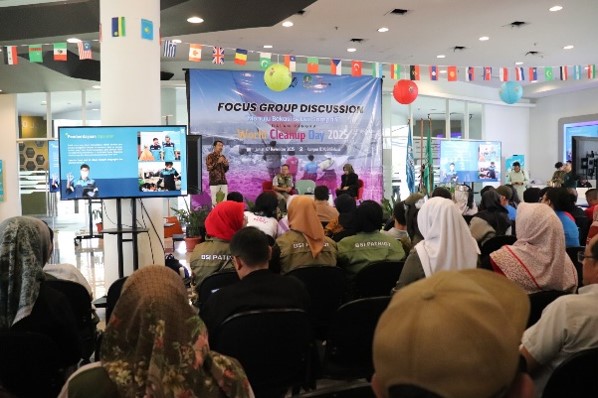
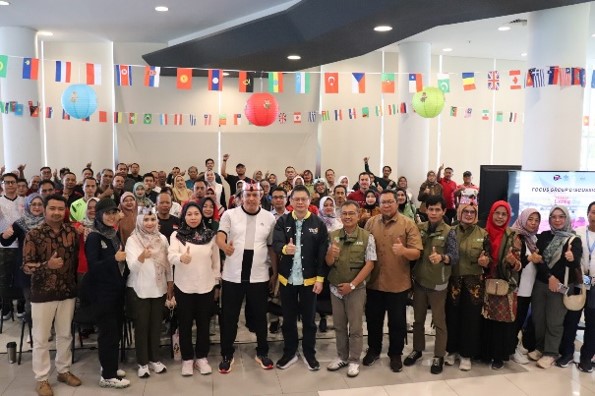
BINUS University Bekasi strengthened its collaboration with local government through an environmental discussion involving the Mayor of Bekasi and relevant stakeholders. The discussion focused on waste management and the importance of cooperation in addressing local environmental challenges. By facilitating dialogue between higher education and local government, BINUS supports shared responsibility and coordinated efforts to improve environmental management and maintain the quality of the surrounding environment.

  1. Sustainable Agrotourism with Local Farmers in Labuan Bajo

Through its community empowerment initiative in Labuan Bajo, BINUS University collaborated with local farmers to develop agrotourism opportunities that support sustainable development. The initiative connects university expertise with local agricultural knowledge, encouraging community participation in developing agricultural activities and tourism opportunities. By supporting local farmers and promoting more sustainable approaches to land-based economic activities, the collaboration provides a pathway for balancing community livelihoods with responsible land management.

     4. Tree Planting and Ecosystem Restoration in Tulungrejo Village, Batu (26 November 2025)

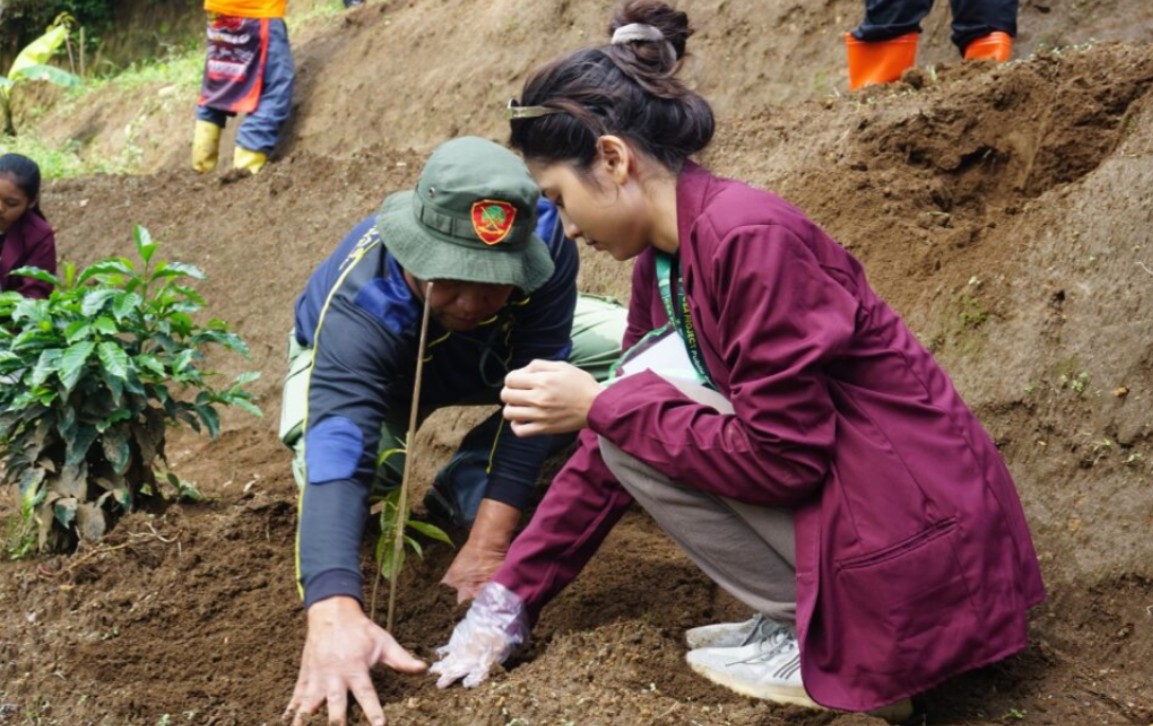
BINUS University, through its BINUS @Malang community service initiative, engaged 75 Public Relations students in planting 330 trees in Tulungrejo Village, Bumiaji District, Batu City. Conducted in collaboration with the local subdistrict authorities, the activity targeted an area vulnerable to landslides. The planted species included pine, durian, jackfruit, acacia, mahogany, breadfruit, and avocado. The initiative aimed to support soil stabilization, reduce environmental risks, and contribute to ecosystem restoration. A follow-up monitoring activity was also planned two weeks after planting to support the sustainability of the initiative.

Together, these initiatives demonstrate BINUS University’s commitment to collaborative environmental stewardship, bringing together students, local communities, government representatives, and farmers to address environmental challenges. From community-based clean-up activities and local government engagement to sustainable agricultural and agrotourism development, BINUS contributes to collective efforts to maintain shared environments and promote responsible land use. Through these partnerships, the university supports stronger community participation and the long-term sustainability of local ecosystems.

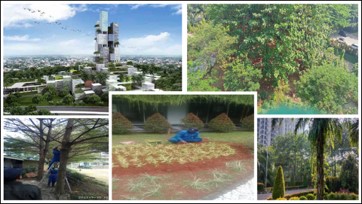
BINUS University integrates environmental sustainability considerations into campus planning and infrastructure development. As stated in Rector’s Decree No. 0136A (Part II, point O), the university promotes energy-saving measures and improved building energy efficiency. New buildings across its campuses incorporate design features such as wind tunnels to facilitate natural airflow, helping reduce reliance on air conditioning, alongside the provision of vertical gardens and green spaces.

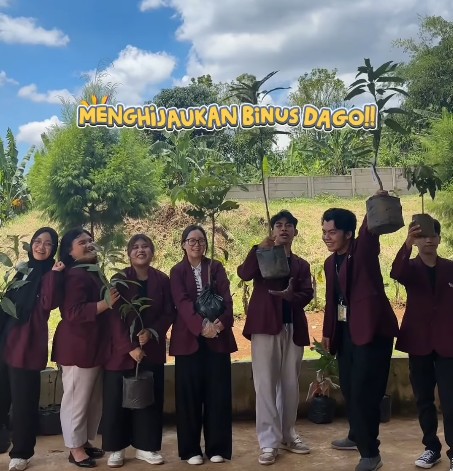
These principles are reflected in BINUS’s green campus initiatives, including Green Campus Alam Sutera and Green Campus Dago, which highlight environmentally conscious architectural design and the integration of vegetation into campus environments. The university also promotes tree planting through initiatives such as BINUS Green Legacy at the Dago Campus, involving lecturers and students in efforts to enhance campus greenery and environmental awareness.

At the Alam Sutera campus, mature trees, including a tree identified as teak (Tectona grandis), form part of the campus landscape. These trees provide structural features that can serve as perching sites and potential nesting habitats for birds, while offering shelter and resources for other organisms. The observed presence of additional vegetation growing on the teak tree may indicate interactions between different plant species, although the attached plant has not yet been identified. Such vegetation can contribute to the ecological complexity of the campus landscape. Retaining mature trees and green spaces within developed areas can therefore help create opportunities for local wildlife to coexist within the built environment.

Beyond the campus environment, BINUS University also contributes to biodiversity conservation in broader ecosystems through initiatives such as HIMA Green 2025: “Revive Mangroves to Maintain Healthy Ecosystem,” organized in collaboration with the local Kelompok Tani Hutan (KTH) Kampung Bahari. The initiative involved mangrove planting and educational activities to promote understanding of mangrove ecosystems and the importance of protecting coastal biodiversity. This initiative complements the university’s campus greening efforts by extending environmental engagement to coastal ecosystem conservation.

BINUS University’s environmental policies and conservation initiatives provide a foundation for promoting sustainable institutional development. By incorporating environmental considerations into campus planning, infrastructure development, and green space management, the university can support the coexistence of the built environment and local biodiversity. Campus greening, tree planting, and mangrove conservation demonstrate the university’s broader environmental commitment. Further integration of biodiversity assessments, locally appropriate plant selection, and habitat protection into development planning would help ensure that local ecosystems are considered more systematically in institutional decisions and protected over the long term.


BINUS University demonstrates its commitment to environmental sustainability through institutional environmental initiatives and activities that support the conservation of biodiversity and natural habitats. These efforts contribute to protecting ecosystems that provide essential habitats for wildlife and other species.

  1. Institutional Policy for Biodiversity Conservation

BINUS University demonstrates its commitment to biodiversity conservation through a comprehensive policy outlined in the Rector’s Circular Letter No. 1667A/REK/IX/2023 on the preservation of biodiversity and its habitats. This policy mandates the identification, monitoring, and protection of species listed in the IUCN Red List and national conservation lists, especially those whose habitats may be impacted by the university’s operational activities or community engagement initiatives. The policy aligns with BINUS’s sustainability mission to balance academic excellence, environmental responsibility, and community empowerment.

  1. Supporting Forest Conservation and Ecosystem Restoration

In January 2026, BINUS University shared a community and academic initiative focused on forest protection and the restoration of degraded land around Mount Lawu. The initiative introduced local community members to carbon business opportunities, forest protection, and the rehabilitation of critical land.

It also highlighted the potential role of monitoring, reporting, and verification (MRV) in supporting credible carbon projects. These efforts contribute to broader forest conservation and ecosystem restoration objectives, which are important for maintaining habitats and biodiversity.

  1. Reducing Waste in Mangrove Ecosystems

BINUS Online students also participated in Plogging di Hutan Mangrove, a community service activity held at Taman Wisata Alam Angke Kapuk in June 2025. Participants combined jogging with collecting waste to help reduce plastic pollution and other waste in the mangrove environment.

BINUS University’s environmental initiatives demonstrate engagement in habitat conservation, forest restoration, and environmental awareness. However, a complete institutional approach to species conservation requires a formal policy that specifically addresses the identification, monitoring, and protection of IUCN Red Listed and nationally protected species in areas affected by university operations.

BINUS University demonstrates its commitment to terrestrial ecosystem conservation, restoration, and sustainable land use through institutional environmental initiatives and practical activities that promote greener and healthier environments. These efforts include tree planting, environmental education, and community participation in protecting green spaces.

  1. Institutional Policy on Environmental Conservation

BINUS University is committed to the conservation, restoration, and sustainable use of terrestrial ecosystems associated with the university, as outlined in Rector’s Decree No. 0136A (Part II, points t-w). BINUS also encourages all academic members to actively participate in biodiversity conservation through educational activities, research, community service, and other initiatives, as outlined in a Circular Letter No. 1667A/REK/IX/2023 regarding the preservation of biodiversity and its habitats.

  1. Tree Planting and Urban Forest Conservation in Bekasi

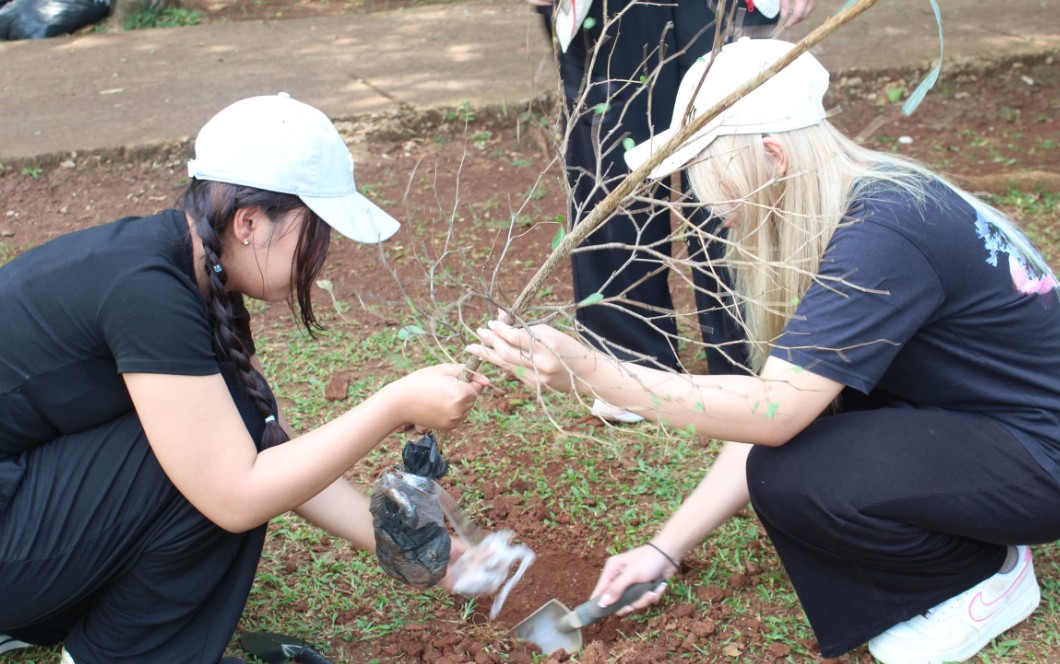
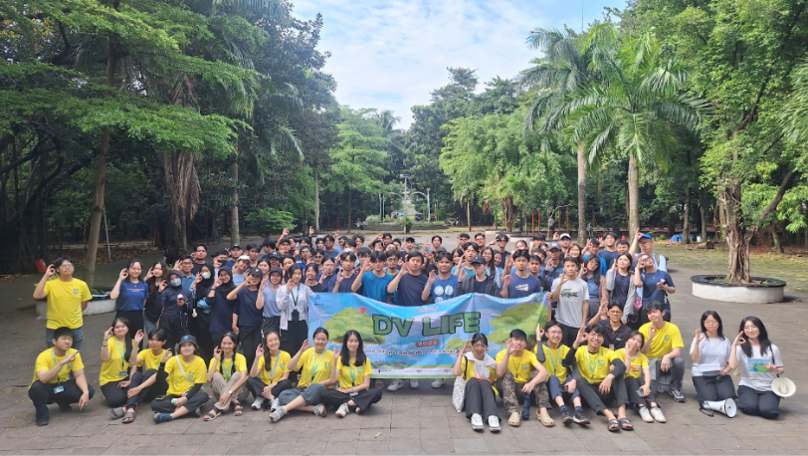
Through DV Life 2025, students from BINUS University participated in a tree-planting initiative at Hutan Kota Patriot, Bekasi. The activity involved 75 Binusian participants and aimed to contribute to a greener urban environment while raising awareness of the ecological benefits of trees, including reducing urban heat and improving water absorption. This initiative demonstrates practical student participation in urban greening, ecosystem restoration, and environmental stewardship.

  1. Environmental Education and Tree Planting Through Greener Day 2025

BINUS University’s Greener Day 2025, held on 15–16 August 2025, combined environmental education with hands-on activities. Under the theme “Tanam yuk! Bersihkan Dulu, Hijaukan Kemudian,” the programme combined environmental education with practical conservation activities. Participants took part in tree planting, waste collection, waste-sorting activities, and educational sessions on the 3R principles: Reduce, Reuse, and Recycle. The programme also introduced participants to planting ornamental plants using reused plastic bottles, reinforcing practical environmental awareness and responsible resource use.

Through institutional environmental commitments, tree-planting initiatives, and environmental education, BINUS University contributes to ecosystem conservation, restoration, and sustainable environmental practices. These efforts demonstrate how institutional direction and community participation can work together to support greener environments and strengthen environmental responsibility.

BINUS University’s Policy to Reduce the Impact of Alien Species on Campus

BINUS University is committed to maintaining the sustainability of its campus ecosystem through a clear and structured policy to monitor and control alien and invasive species within all campus areas.

This policy is part of BINUS University’s Environmental Management Policy as stated in Rector’s Decree No. 0136A, Part II, point (v), which specifically mandates the university to “conduct supervision and control of alien species or other invasive species within the campus area.”
This policy forms a critical element of BINUS’s broader environmental sustainability framework, aligning with the university’s long-term commitment to biodiversity protection and ecosystem balance.

The policy aims to protect local biodiversity that coexists within and around the university environment, ensuring that native flora and fauna can thrive without the threat of invasive or non-native species disrupting ecological stability. Alien species are defined as species not native to the campus environment and that may cause ecological, economic, or social harm if not properly managed.

Implementation and Preventive Actions

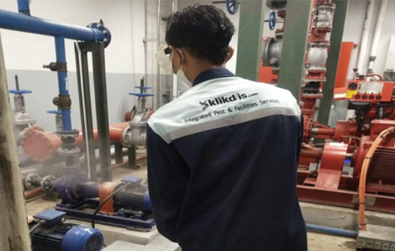
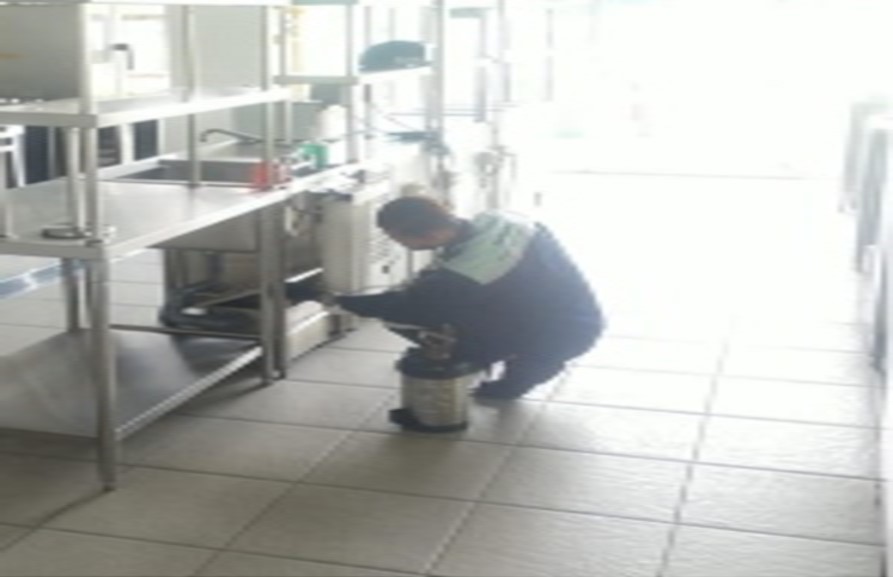
In alignment with this policy, BINUS University actively implements several preventive and control measures to reduce the presence and impact of invasive alien species on its campuses. These actions include regular inspections and pest management operations conducted by professional maintenance teams. Preventive measures involve:

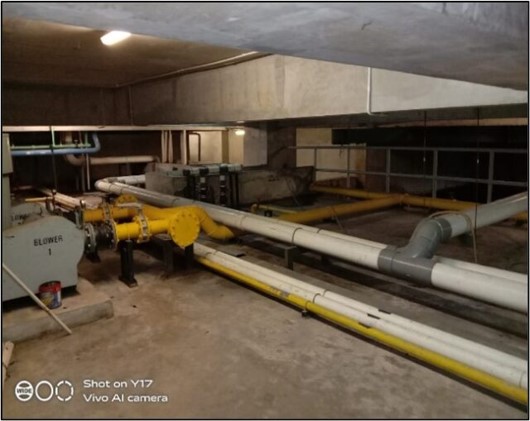
  • Periodic anti-pest spraying in areas such as kitchens, toilets, and control rooms at the Alam Sutera campus,
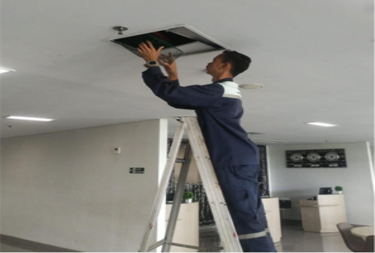
  • Installation of rodent traps in ceiling areas to prevent infestation,
  • Continuous supervision by trained professionals to ensure environmentally safe and humane control practices.

Through these systematic efforts, BINUS University ensures that campus spaces remain safe, clean, and ecologically balanced while minimizing harm to native species and maintaining environmental integrity.

The rapid growth of higher education within the urban area significantly affects water quality due to the influx of domestic and industrial waste. 

BINUS University, an educational institution operating 11 campuses across Jakarta, Bekasi, Tangerang, Bandung, Semarang, and Malang, is responsible for managing the wastewater it generates in accordance with Law No. 32 of 2009 on Environmental Protection and Management.

Adequate wastewater treatment is essential for environmental protection and human health. As water serves as a fundamental source of life, we must utilize it responsibly and ensure its purity to secure water resources for future generations. 

Committed to environmental stewardship and supporting the Sustainable Development Goals (SDGs), BINUS University has built a Sewage Treatment Plan (STP), referred as IPAL, to process liquid waste categorized as organic, inorganic, and hazardous (B3) waste produced from campus activities before releasing it into the city’s water drainage system coming from our laboratories, cafeterias, and restrooms. 

In examining the wastewater management system, Mr. Risan, the Maintenance Engineering Section Head at BINUS @Alam Sutera, explained that, “The dirty water from the toilets and the canteen, along with the wastewater from the laboratories, will be processed through different channels. This is because the laboratory wastewater often contains hazardous chemicals that can contaminate the soil, water, and air if not handled separately and properly.” 

The STP utilizes an extended aeration system at our Alam Sutera Campus. Based on the Wastewater Technology Fact Sheet Package Plants published by the United States Environmental Protection Agency in 2000, this method applies a biological treatment process using aerobic bacteria—microorganisms that require oxygen to survive—to decompose organic particles and other contaminants in wastewater. 
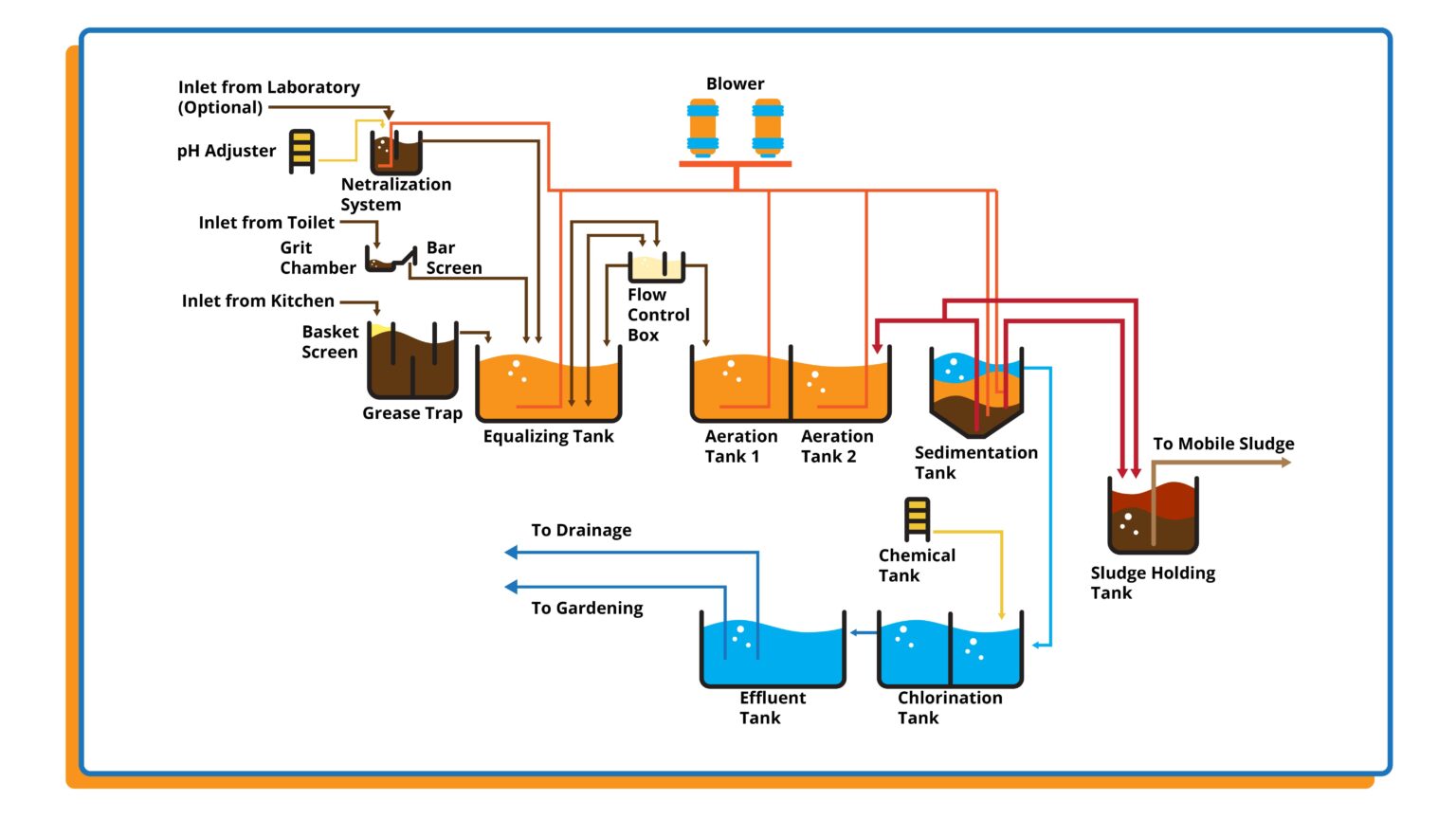
The flow diagram above illustrates the extended aeration process in the STP. First, toilet wastewater is routed to the influent chamber to filter out heavier particles and solids. Meanwhile, wastewater from the canteen, which typically contains oils and fats, is directed to a grease trap to capture these greasy and oil substances, preventing pipe blockages and ensuring they do not interfere with the main treatment process. 

Following this preliminary filtration, canteen and restroom wastewater flow into the equalizing tank for mixing before undergoing treatment in the aeration tank. A biological treatment occurs by adding microorganisms, specifically aerobic bacteria aided by oxygen supplied via a blower, to reduce odors and effectively lower Chemical Oxygen Demand  (COD) and ammonia levels.
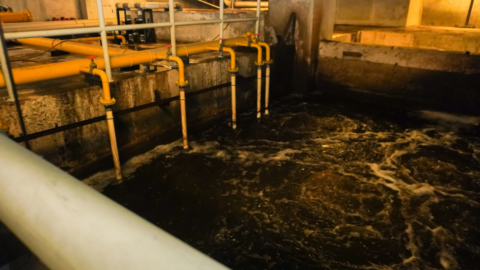
In this subsequent phase, the water processed in the aeration tank flows into the clarifier tank, also known as the sedimentation tank, to isolate solid materials from the liquid. These solids will accumulate at the bottom of the tank and later be funneled into the sludge tank, containing the final sludge residue. 

Once filtered, the water flows into the chlorination tank, where it is treated with chlorine to kill harmful organisms such as viruses and bacteria, including pathogenic microbes known to cause diarrhea, as explained by Ms. Nurul Laily Hidayati, S.Si.T., M.Kes, staff at the Kulon Progo Health Service Office. 

During the decomposition process, it is essential to keep the pH level (Power of Hydrogen) within the range of 6-9 (considered neutral), as outlined in the domestic wastewater quality standards established by the Minister of Environment and Forestry in regulation No. P.68/Menlhk/Setjen/Kum.1/8/2016. 

The pH value indicates the acidity or alkalinity of a liquid. If the pH of the water is less than 6, this signifies a high level of acidity, which suggests the presence of corrosive substances and heavy metals that can pose health risks and cause corrosion in piping systems. According to Dr. Verury Verona Handayani in her 2019 article on the Halodoc website, water with an excessively high pH, above 9, can lead to the risk of alkalosis when consumed, characterized by low calcium levels in the body, and may result in bone damage. 

“Results from the Building Management team’s examination of the treated wastewater show that the pH fluctuates between 4 and 5.6, reflecting a high level of acidity. To address this problem, the BM team usually increases the concentration of aerobic bacteria to break down carbon-containing organic materials and boost the oxygen levels in the water, contributing to reducing its acidity,” adds Mr. Risan. 
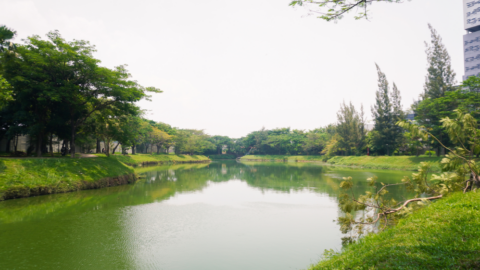
At the final stage, the treated water is transferred to the effluent tank, which can either flow into the municipal drainage system or serve as a water source for irrigation in the campus gardens.  

The team also addressed some challenges at the site, including unbalanced pH levels and limited water quality assessment; therefore, a robust monitoring system and evaluation will help the wastewater adhere to the quality standards established by the government for environmental protection before it is released back into the city’s drainage system.  

Lastly, BINUS University is firmly committed to creating a cleaner world through effective water management. The Building Management team at our Alam Sutera campus operates around the clock, ensuring that robust systems are in place and championing the importance of responsible water use. 

BINUS University is committed to responsible waste management and environmental protection through institutional policies and sustainable operational practices. The university’s environmental commitment is guided by Rector’s Decree No. 0136A (Part II, Points P, S, and T), which provides a framework for waste management, resource efficiency, and the prevention of environmental pollution. These principles support the responsible handling of waste generated through university activities, helping minimize potential impacts on water, air, soil, ecosystems, and human health.
A key component of this commitment is the management of hazardous waste and materials. Through Rector’s Circular Letter No. 1660A/REK/IX/2023, titled “Pengelolaan Sampah dan Limbah Berbahaya,” BINUS University establishes institutional guidance for managing waste and hazardous materials. This approach emphasizes the importance of separating hazardous waste from general waste and ensuring that hazardous materials are handled through appropriate procedures in accordance with applicable environmental regulations. Where required, hazardous waste should be managed by authorized waste management providers to ensure safe collection, transportation, treatment, and disposal.

In addition to its hazardous waste management framework, BINUS University implements resource conservation practices that support its broader environmental sustainability objectives. One example is the wastewater recycling program, which involves treating and reusing wastewater for suitable non-potable purposes, such as landscape irrigation. This practice helps reduce freshwater consumption and supports more responsible water and waste management.

These institutional commitments are complemented by practical waste reduction and recycling initiatives. As reported in BINUS University’s Waste Management Practices Earn National Recognition, the university implements waste management practices that include organic waste processing into compost, eco-enzyme production, and plastic waste collection for recycling through PlasticPay. These initiatives demonstrate how waste generated through university activities can be diverted toward reuse and resource recovery, supporting a more circular approach to waste management.

Through the integration of institutional policies, operational waste management measures, and practical recycling initiatives, BINUS University demonstrates its commitment to reducing environmental impacts and promoting responsible waste handling across its operations.

BINUS University has a formal policy aimed at reducing plastic waste on campus, as stated in Rector’s Circular Letter No. 1564A/REK/IX/2023, titled “Gerakan Ramah Lingkungan: Pengurangan Plastik dan Barang Sekali Pakai.” This policy reflects the university’s commitment to reducing single-use plastics and promoting environmentally responsible practices across its academic community. The policy is further supported by Rector’s Decree No. 0136A, particularly Part II, points p and s, which address responsible waste management and the proper handling of liquid and solid waste in accordance with applicable regulations.

The policy encourages students, faculty members, and staff to adopt sustainable daily habits, including bringing reusable tumblers and shopping bags instead of relying on disposable plastic products. Employees who have access to pantry facilities are also advised not to request disposable utensils when ordering food from outside vendors. These measures aim to reduce unnecessary single-use plastic consumption and foster a culture of waste prevention throughout the university.

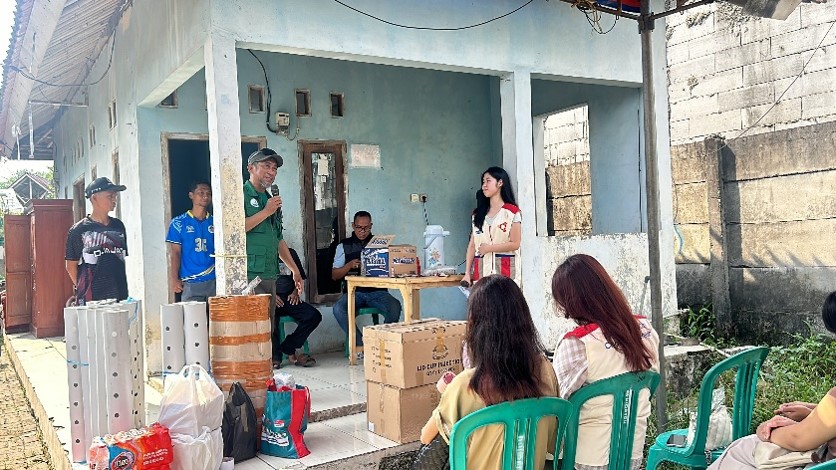
As a supporting initiative, BINUS University promotes environmental awareness and responsible waste management through student-led programs, including Recyclub 2025, organized by Teach For Indonesia Student Community (TFI SC) BINUS @Bekasi. Held on 26–27 September 2025, the program combined educational discussions on waste management with practical activities involving the local community. Participants learned about organic waste management and created biopore infiltration holes in Desa Sukadami to encourage more sustainable environmental practices.

Although Recyclub 2025 primarily focused on organic waste management, the program reinforces the broader principles of waste reduction, environmental responsibility, and community participation that support BINUS University’s sustainability efforts.

Together, BINUS University’s formal plastic reduction policy and environmental education initiatives demonstrate its commitment to reducing waste at its source and encouraging sustainable behavior. By establishing institutional guidance on single-use plastics and engaging its academic community in practical environmental activities, BINUS seeks to minimize unnecessary plastic consumption and strengthen a culture of sustainability across the university.