


LIFE ON LAND
LIFE ON LAND
Protect, restore and promote sustainable use of terrestrial ecosystems, sustainably manage forests, combat desertification, and halt and reverse land degradation and half biodiversity loss.
40
ACTION GOALS
97
PUBLICATIONS

EXPERTS

Dr. Suryadiputra Liawatimena, S.Kom., Pgdip.App.Sci.
Related Goals
Muhammad Zacky Asy’ari, S.T., M.Sc.
Related Goals


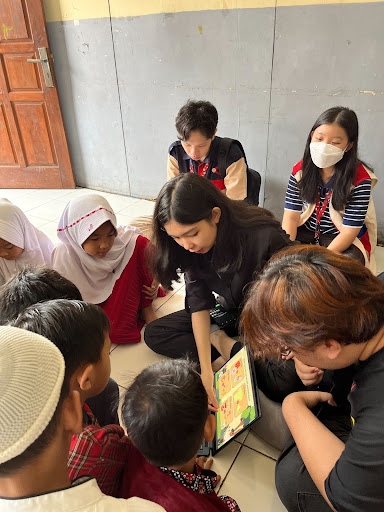
BINUS University offers educational programmes and outreach activities that promote sustainable management of land for tourism. In 2024, the university carried out a series of integrated initiatives in Labuan Bajo, East Nusa Tenggara, as a primary example of this commitment. These programmes combined research, community empowerment, and environmental education to support responsible tourism development.

Key initiatives in Labuan Bajo (2024):

  1. Sustainable Agrotourism Development
    BINUS doctoral students and researchers worked with local farmers to promote organic and dryland farming practices while introducing tourism elements to agricultural activities. The programme positioned farmland as a tourism asset by showcasing biodiversity, traditional food systems, and sustainable land use.

  2. Community Empowerment in Batu Cermin Village (Project ES00863)
    Through the Department of International Relations, BINUS conducted field assessments, workshops, and stakeholder engagement to support community-based tourism. The project focused on sustainable business models that protect land and cultural resources while expanding tourism opportunities.

  3. Digital Empowerment of MSMEs through the “MABAR Smart” App
    Local MSMEs received training in digital marketing and sustainable tourism practices. The MABAR Smart app was introduced to help communities manage tourism-related services and promote responsible land use through digital platforms.

  4. Environmental Awareness Campaign in Mangrove Tourism Area
    BINUS students led a plogging activity (jogging while collecting trash) in a mangrove forest area used for tourism. The event raised awareness about land degradation from tourism waste and highlighted the importance of preserving coastal ecosystems.

Additional initiatives:
BINUS also conducted similar outreach programmes in Wonokitri Village, East Java, focused on sustainable tourism and cultural landscape preservation. In urban areas like Jakarta, environmental education activities promote responsible land use in parks and public tourism spaces.

These efforts reflect BINUS University’s broader commitment to aligning higher education with sustainable development, empowering local communities, and preserving land resources as vital assets in tourism growth.
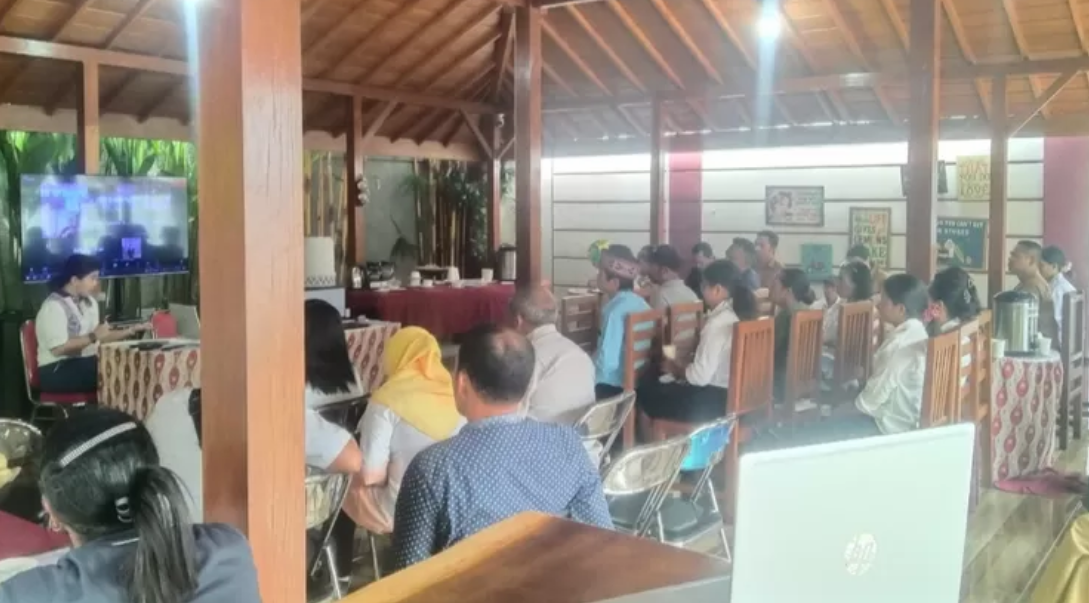
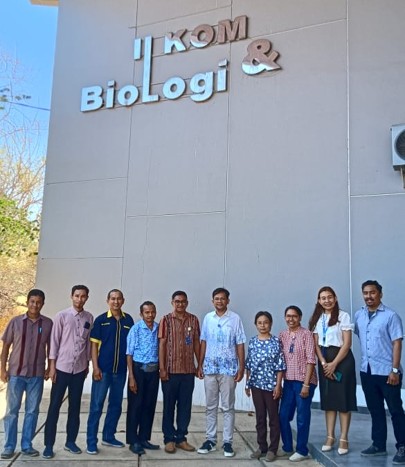
BINUS University has implemented several educational programmes and outreach initiatives that support the sustainable management of land for agriculture. These initiatives combine community engagement, applied research, and technology development aimed at empowering local and national stakeholders.

Key examples include:

  1. Community-Based Sustainable Agriculture in Labuan Bajo
    BINUS collaborates with local farmers in East Nusa Tenggara to:

    • Train communities in organic farming practices adapted to dry land conditions

    • Promote soil conservation, composting, and chemical-free cultivation

    • Integrate sustainable agriculture with agrotourism to preserve land while supporting rural economies

    This programme includes direct outreach, workshops, and ongoing support for farmers.

  2. Dry Land Agricultural Research with Universitas Nusa Cendana
    BINUS conducts joint research and community engagement focused on:

    • Mapping dry land vegetation and soil characteristics

    • Using AI to support long-term agricultural planning in semi-arid regions

    • Sharing findings and strategies with local farming communities in Eastern Indonesia

    This supports sustainable farming in ecologically vulnerable landscapes.

  3. Innovation in Oil Palm Agriculture
    BINUS develops tools that can be adopted by plantation workers and smallholders, such as:

    • A mobile application to detect oil palm fruit ripeness using smartphone video, improving harvest timing and land productivity

    • A business intelligence system to analyze plantation logistics and reduce inefficiencies in land use

    These technologies are designed for real-world use and potential community outreach.

  4. Environmental Education and Land Stewardship on Campus
    BINUS also leads tree-planting campaigns and soil restoration awareness events for students and nearby communities to:

    • Promote urban green space as part of sustainable land use

    • Encourage care for land and ecosystems beyond agricultural zones

Through direct community training, collaborative field research, and the development of agricultural technologies, BINUS University contributes meaningfully in 2024 to the sustainable management of land for agriculture—especially in dry land regions and plantation sectors.

BINUS University offers educational programmes related to ecosystems that involve wild flora and fauna, aimed at both local and national communities. These programmes are conducted through field activities, community engagement, and research collaborations. Key examples include:

  1. Mangrove Conservation Program (Coastal Ecosystem)
    BINUS organizes educational and hands-on conservation activities in coastal areas, where students and community members:

    • Replant wild mangrove species in degraded zones

    • Learn about the ecological role of mangroves in supporting marine biodiversity

    • Observe local marine life, including native fish and other coastal fauna

  2. Sustainable Agrotourism and Organic Farming in Labuan Bajo (Dry Land Ecosystem)
    BINUS supports local farmers through:

    • Training in eco-friendly and organic farming practices

    • Development of agrotourism programs that include biodiversity education

    • Preservation of dry land flora and protection of beneficial wild fauna such as pollinators

  3. Research Collaboration on Dry Land Ecosystems with Universitas Nusa Cendana (NTT)
    Academic cooperation focused on:

    • Mapping and monitoring vegetation in dry land areas

    • Developing AI-based tools for ecosystem analysis

    • Studying the ecological characteristics of wild plant species in arid environments

  4. Environmental Awareness and Tree Planting Campaigns (2024)
    BINUS organizes campus-based and community tree planting events aimed at:

    • Increasing green cover and habitat for wild flora and fauna on campus and local areas

    • Educating participants about the importance of biodiversity and ecosystem services

Through these initiatives, BINUS University actively contributes to environmental education and biodiversity conservation, particularly involving wild flora and fauna in both coastal and dry land ecosystems.

BINUS University actively engages in efforts to maintain and extend ecosystems and their biodiversity, particularly in threatened areas.

  1. Binusian Peduli Lingkungan

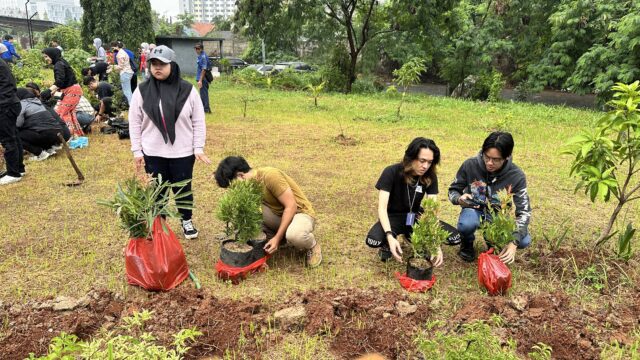
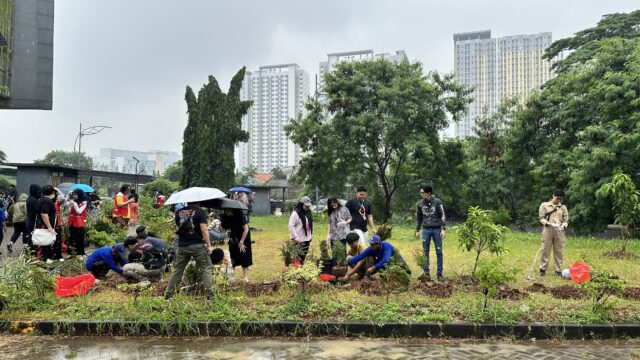
In February 2024, BINUS @Bekasi held Binusian Peduli Lingkungan, an environmental initiative that involved 83 students from cohorts 2023–2025 in planting 185 trees around the campus. The chosen species—pucuk merah (Syzygium oleina) and tabebuya—were selected for their adaptability to urban climates and their role in supporting pollinators.

The program aimed to restore ecological balance in Bekasi by expanding green cover, improving air quality, and strengthening the resilience of urban ecosystems while fostering students’ environmental awareness and collective responsibility.

  1. Greener Day 2024

Greener Day 2024, conducted by the Teach For Indonesia Student Community (TFISC), took place at Ragunan Wildlife Park, one of Jakarta’s last remaining urban green sanctuaries. The event combined tree planting—a total of 70 jacaranda and tabebuya saplings—with waste collection and clean-up activities. Beyond its physical outcomes, Greener Day served as an environmental campaign that raised awareness about the importance of restoring and maintaining biodiversity in heavily urbanized areas.

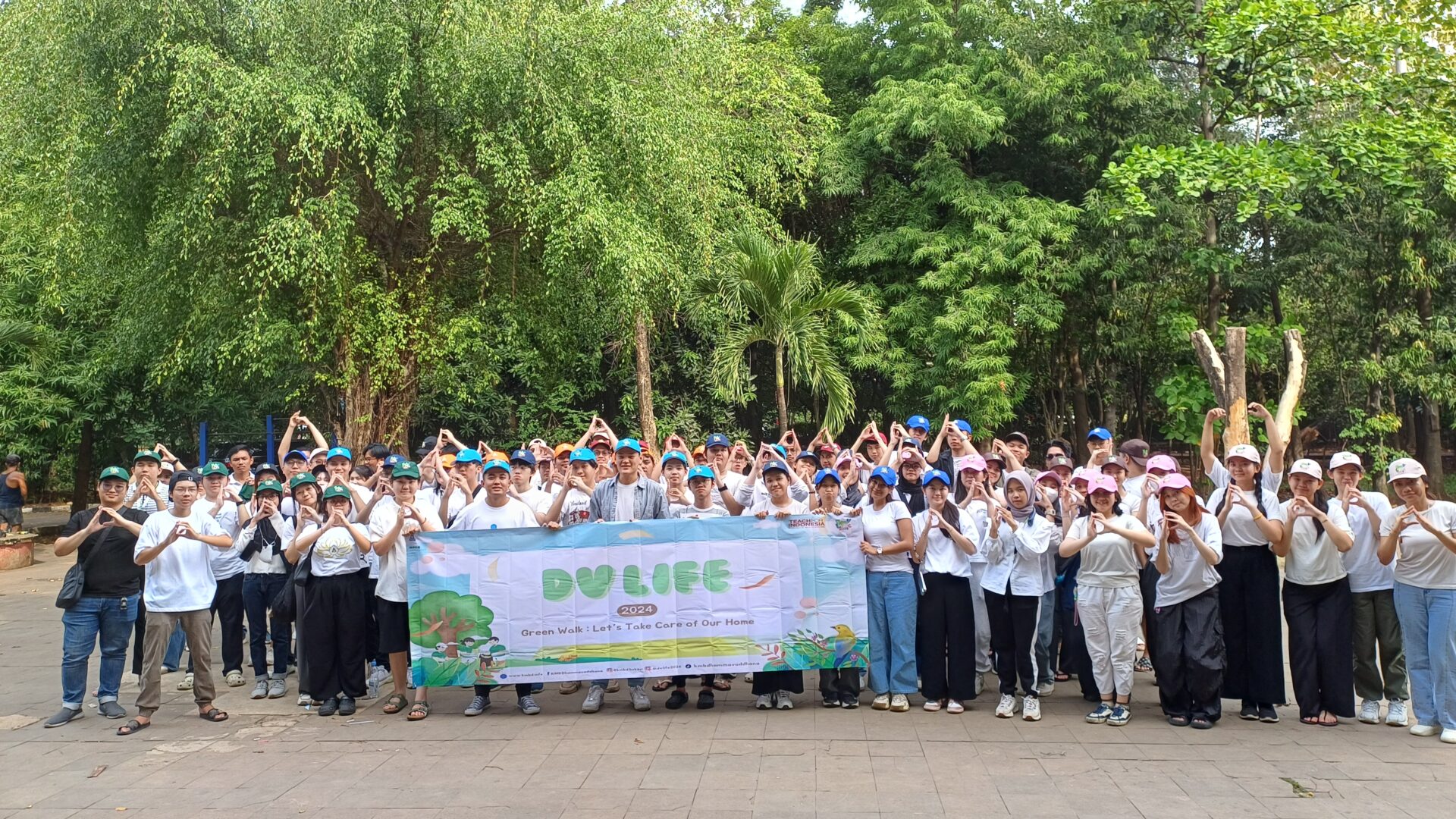
  1. DV LIFE 2024 – Green Walk: Let’s Take Care of Our Home

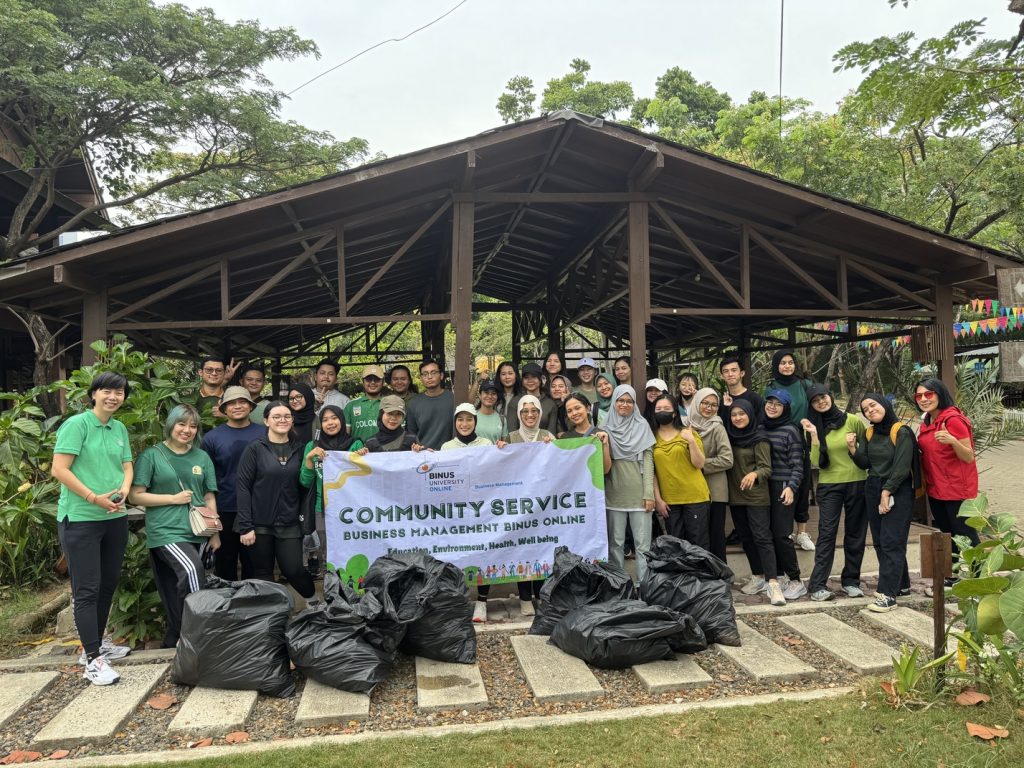
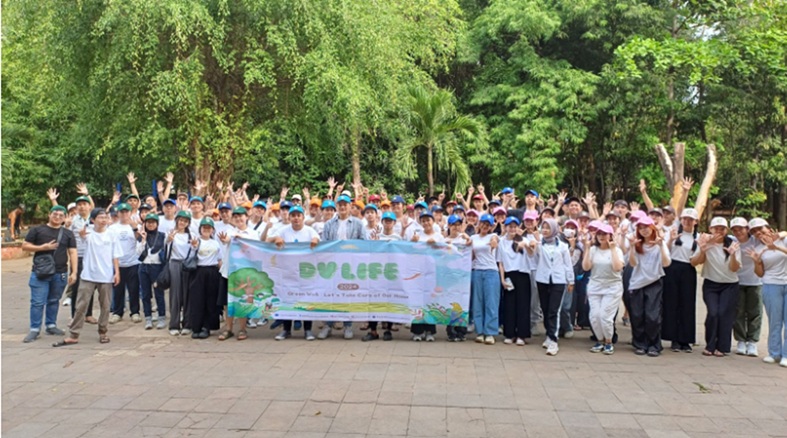
The KMBD community organized DV LIFE 2024 under the theme “Green Walk: Let’s Take Care of Our Home” at Hutan Kota Patriot, Bekasi. The activity involved collecting 25 bags of waste, combining environmental clean-up with public education.
This initiative directly contributed to maintaining an urban forest ecosystem under threat due to pollution and irresponsible waste disposal. It restored the natural function of the green area and enhanced public awareness about the importance of maintaining local biodiversity.

  1. Community Service (PKM) Using Artificial Intelligence for Environmental Education

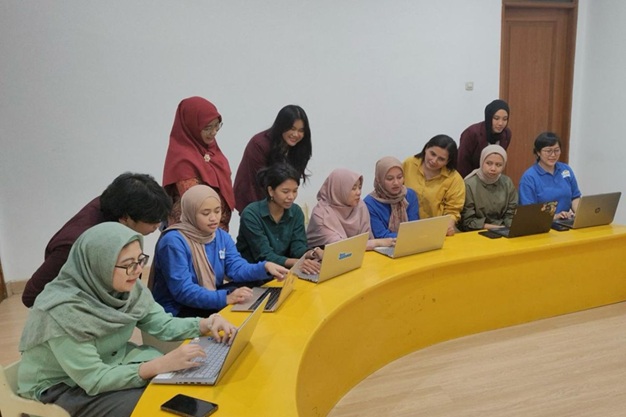
BINUS University also supports ecosystem preservation through education and capacity building. In collaboration with the Peri Bumi Community, BINUS conducted an AI-based training program to help participants create accessible environmental education content for the public.
This initiative extends BINUS’s environmental impact beyond campus boundaries, empowering society to protect and restore local ecosystems through knowledge dissemination and digital advocacy.


BINUS University actively supports and organizes events that promote the conservation and sustainable utilization of land, including forested and green areas.

On 29 February 2024, BINUS @Bekasi conducted “Binusian Peduli Lingkungan”, an environmental program involving the planting of 185 trees—including pucuk merah and tabebuya—around the campus area. The activity engaged 83 participants from Binusian cohorts 2023–2025, aiming to enrich local biodiversity, enhance campus greenery, and raise environmental awareness among the university community. This initiative contributes to urban land conservation and supports the creation of new green ecosystems within and surrounding the campus, helping to mitigate heat, improve air quality, and prevent soil erosion in nearby areas.

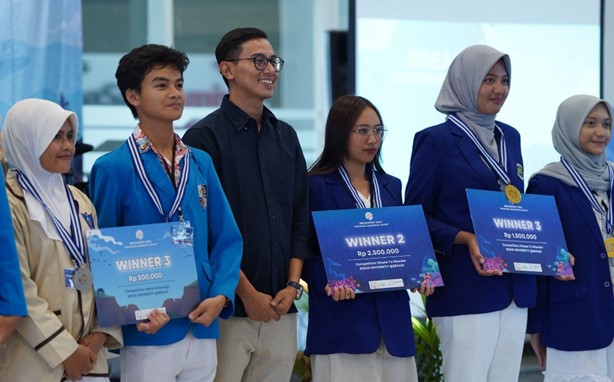
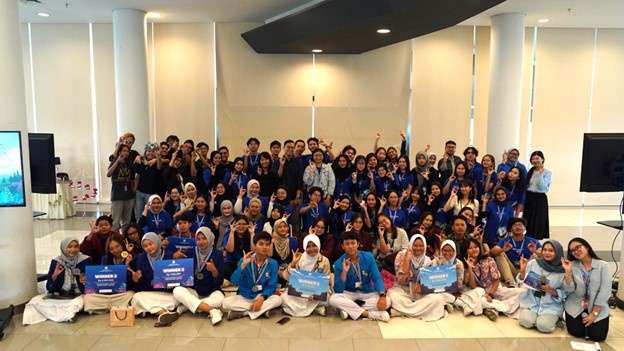
Additionally, the annual BreakSFest 2024 festival at BINUS Bekasi highlighted sustainability through activities such as tree planting, waste management workshops, plastic recycling campaigns, and creative competitions like “Waste to Wonder.” The event attracted participants from schools and universities nationwide, reinforcing BINUS’s role in environmental education and land conservation.

Through Teach For Indonesia (TFI) initiatives, students and volunteers also participate in public campaigns such as World Care Day and Eat, Sleep, Recycle, which promote recycling practices, sustainable entrepreneurship, and community education on eco-friendly living.

Together, these initiatives demonstrate BINUS University’s ongoing commitment to building a sustainable campus ecosystem and extending its conservation impact to the broader community through education, engagement, and environmental stewardship. These activities also contribute to broader sustainability goals, aligning with SDG 15 (Life on Land), SDG 13 (Climate Action), and SDG 11 (Sustainable Cities and Communities).

As sustainability becomes increasingly important, Bina Nusantara University (BINUS) is committed to promoting environmentally responsible food sourcing. This approach aims to reduce the university’s carbon footprint while supporting local communities.

  1. Vendor Guideline
    This guideline requires potential suppliers to commit to environmental sustainability and the empowerment of local businesses, ensuring that BINUS partners with responsible suppliers.
  2. Rector’s Decree No. 0136A
    This decree outlines several important commitments:

    • Point r: Ensures that food and beverage suppliers provide healthy, safe, and clean food.
    • Point u: Mandates sourcing goods and services from suppliers who support environmental sustainability.

BINUS University actively collaborates with local communities, government agencies, and civil society organizations to maintain and restore shared land ecosystems. These partnerships are part of BINUS’s long-term commitment to sustainable development and biodiversity conservation, aligning with SDG 15 (Life on Land).

1. DV LIFE 2024 – Green Walk at Hutan Kota Patriot (Bekasi)
Through the KMBD student community, BINUS partnered with the Bekasi City Environment Agency and local residents to clean, restore, and maintain Hutan Kota Patriot, an urban forest that serves as a vital green space for the community. The activity collected over 25 bags of waste, improving soil and vegetation conditions while raising public awareness about urban biodiversity.

2. “Binusian Peduli Lingkungan” (Environmental Care Program)
Held at BINUS @Bekasi in February 2024, this program involved 83 students from cohorts 2023–2025 and local residents in planting 185 trees (including pucuk merah and tabebuya) around the campus area. The initiative aimed to enrich local ecosystems, promote carbon absorption, and strengthen BINUS–community collaboration for long-term land stewardship.

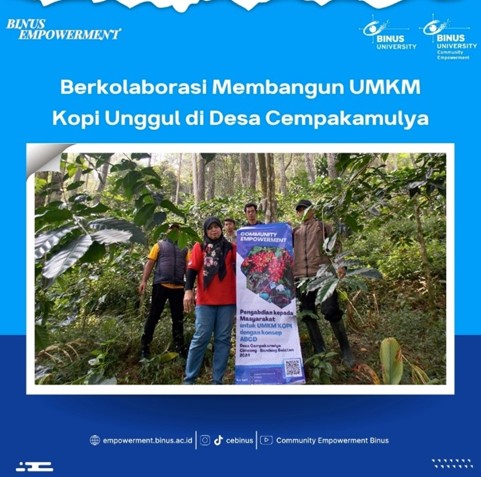
3. Community Empowerment in Desa Campakamulya (Bandung)
In partnership with local coffee farmers and the Campakamulya Village Government, BINUS University supported sustainable farming and soil preservation around the Mount Puntang ecosystem—a biodiversity hotspot in West Java. The project introduced eco-friendly agricultural methods that reduce chemical fertilizer use and protect the surrounding flora and fauna.

4. Environmental Outreach through Teach For Indonesia (TFI)
Through TFI community service programs, BINUS engages local schools and youth organizations in tree planting, waste reduction, and urban greening activities across multiple regions, including Tangerang and Jakarta. These programs promote ecosystem awareness and encourage citizen participation in maintaining shared public land.

Together, these initiatives demonstrate BINUS University’s collaborative approach to ecosystem management, combining education, research, and community action. By working hand-in-hand with local partners, BINUS helps ensure that land ecosystems — from urban forests to agricultural landscapes — are maintained sustainably for both people and nature.

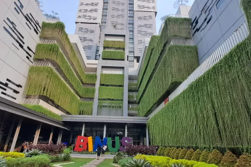
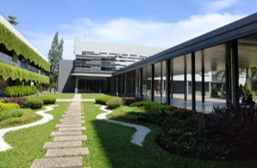
BINUS University has planned to upgrade buildings for higher energy efficiency as stated in Rector’s Degree Number 136A (Part II, point O) about energy saving. New buildings in all campuses must have a wind tunnel through the buildings as an air flow system, this infrastructure can directly save electricity by turning off lamp and AC. Other than that, new buildings have been designed to have more vertical gardens and green spaces.


BINUS University’s Policy to Reduce the Impact of Alien Species on Campus

BINUS University is committed to maintaining the sustainability of its campus ecosystem through a clear and structured policy to monitor and control alien and invasive species within all campus areas.

This policy is part of BINUS University’s Environmental Management Policy as stated in Rector’s Decree No. 0136A, Part II, point (v), which specifically mandates the university to “conduct supervision and control of alien species or other invasive species within the campus area.”
This policy forms a critical element of BINUS’s broader environmental sustainability framework, aligning with the university’s long-term commitment to biodiversity protection and ecosystem balance.

The policy aims to protect local biodiversity that coexists within and around the university environment, ensuring that native flora and fauna can thrive without the threat of invasive or non-native species disrupting ecological stability. Alien species are defined as species not native to the campus environment and that may cause ecological, economic, or social harm if not properly managed.

Implementation and Preventive Actions

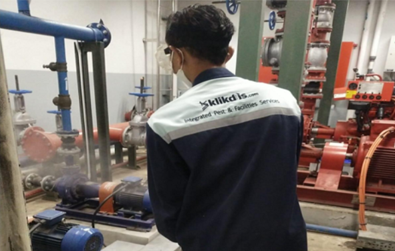
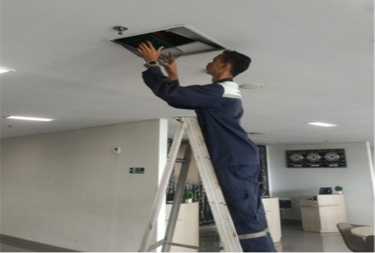
In alignment with this policy, BINUS University actively implements several preventive and control measures to reduce the presence and impact of invasive alien species on its campuses. These actions include regular inspections and pest management operations conducted by professional maintenance teams. Preventive measures involve:

  • Periodic anti-pest spraying in areas such as kitchens, toilets, and control rooms at the Alam Sutera campus,
  • Installation of rodent traps in ceiling areas to prevent infestation,
  • Continuous supervision by trained professionals to ensure environmentally safe and humane control practices.

Through these systematic efforts, BINUS University ensures that campus spaces remain safe, clean, and ecologically balanced while minimizing harm to native species and maintaining environmental integrity.

BINUS University demonstrates its commitment to biodiversity conservation through a comprehensive policy outlined in the Rector’s Circular Letter No. 1667A/REK/IX/2023 on the preservation of biodiversity and its habitats. This policy mandates the identification, monitoring, and protection of species listed in the IUCN Red List and national conservation lists, especially those whose habitats may be impacted by the university’s operational activities or community engagement initiatives. The policy aligns with BINUS’s sustainability mission to balance academic excellence, environmental responsibility, and community empowerment.

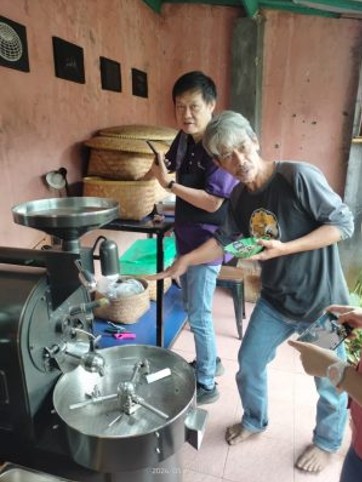
One of the key highlights of this policy is its focus on integrating biodiversity preservation within community-based programs and local development. The university implements sustainability principles such as reduce, reuse, and recycle, along with active conservation practices to protect sensitive ecosystems. This is reflected in several community empowerment activities (PkM) carried out by BINUS University in 2024, particularly in Desa Campakamulya, Bandung, where the university collaborated with local coffee farmers cultivating Kopi Puntang—a local commodity known for its high ecological value.

Through continuous engagement, BINUS University’s Community Empowerment team provides training and mentoring programs to support the development of UMKM Kopi Puntang. These efforts are not limited to improving product quality and market reach but also emphasize environmentally responsible cultivation practices. The initiative encourages sustainable land management, soil preservation, and reduced use of chemical fertilizers, contributing to the maintenance of biodiversity within the local ecosystem. By empowering local farmers to adopt eco-friendly agricultural techniques, BINUS indirectly supports the conservation of native flora and fauna that coexist within the coffee plantations of Mount Puntang, an area rich in endemic species.

This activity not only improves the socio-economic conditions of local communities but also aligns with the university’s broader vision of protecting biodiversity and promoting sustainable rural development. The combination of policy-driven guidance and community-based implementation illustrates BINUS University’s integrated approach to sustainability—ensuring that both human and ecological systems thrive in harmony.

Through these initiatives, BINUS University reaffirms its role as a responsible academic institution that actively contributes to biodiversity protection, ecological awareness, and sustainable livelihoods. This alignment between institutional policy and real-world application underscores BINUS’s dedication to achieving the United Nations Sustainable Development Goals (SDGs), particularly SDG 15: Life on Land, by fostering conservation through education, innovation, and community partnership.

BINUS University is committed to the conservation, restoration, and sustainable use of terrestrial ecosystems associated with the university, as outlined in Rector’s Decree No. 0136A (Part II, points t-w). BINUS also encourages all academic members to actively participate in biodiversity conservation through educational activities, research, community service, and other initiatives, as outlined in a Circular Letter No. 1667A/REK/IX/2023 regarding the preservation of biodiversity and its habitats.

One of the key actions taken by BINUS University through the annual DV Life program organized by KMBD BINUS Bekasi, the university actively promotes environmental awareness, restoration, and waste reduction efforts. In 2024, the theme “Green Walk: Let’s Take Care of Our Home” brought together students to restore the condition of Hutan Kota Patriot. Participants carried out clean-up activities to remove both organic and inorganic waste, helping to revive the natural beauty and ecological health of the forest park.

The initiative aimed not only to restore degraded areas but also to instill sustainable habits among students and the surrounding community. By collecting and disposing of waste responsibly, the activity directly contributed to the rehabilitation of Hutan Kota Patriot, reinforcing the importance of protecting and restoring ecosystems in urban areas.

BINUS’s policy and practice through DV Life reflect a long-term vision: fostering a culture of care for forests, green spaces, and the broader environment. By embedding restoration activities into student engagement, the university ensures that conservation becomes a shared responsibility between the academic community and society at large.

BINUS University is deeply committed to sustainable waste disposal practices as part of its dedication to the Sustainable Development Goals (SDGs). Guided by Rector’s Decree No. 0136A (Part II, Points P, S, T), the university applies the principles of reducing, reusing, and recycling to all resource usage, including waste disposal and wastewater management. A key example is the reuse of treated wastewater from campus buildings for watering plants, which reduces reliance on fresh water and promotes water conservation. The university’s policy on hazardous waste management aligns with government regulations, ensuring that both liquid and solid waste are managed in accordance with legal standards to minimize environmental harm. This includes various initiatives aimed at environmental preservation, such as preventing pollution of water, air, and soil, as outlined in Point T. In support of these policies, BINUS has implemented several water conservation strategies, including regular plumbing maintenance, promoting water-saving habits, and utilizing treated wastewater for garden irrigation and toilet flushing. These efforts not only conserve water but also contribute to the university’s broader goal of creating a cleaner, healthier environment. The policy on hazardous materials management, detailed in the Rector’s circular No. 1660A/REK/IX/2023 titled “Pengelolaan Sampah dan Limbah Berbahaya,” ensures that hazardous materials are separated from regular waste and managed through designated processes, compliant with national regulations, and handled by authorized vendors specializing in hazardous waste disposal. Through these comprehensive waste management practices, BINUS University upholds its commitment to environmental sustainability and responsible resource management.

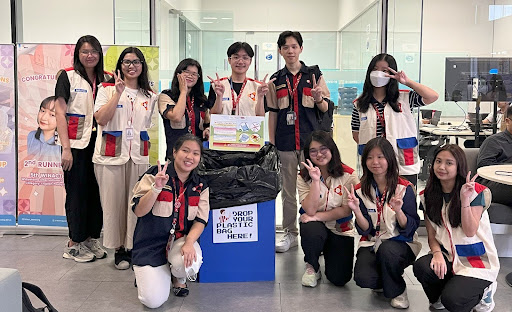
BINUS University has a formal policy aimed at reducing plastic waste, as stated in the Rector’s circular No. 1564A/REK/IX/2023, titled “Gerakan Ramah Lingkungan: Pengurangan Plastik Dan Barang Sekali Pakai.” This policy was introduced in response to growing environmental concerns and reflects the university’s strong commitment to sustainability.

The initiative encourages the academic community to adopt sustainable practices, such as bringing their own reusable containers like tumblers and shopping bags, to reduce reliance on single-use plastics. Additionally, employees who have access to pantry facilities are advised not to request disposable utensils when ordering food from outside vendors.

As a follow-up and implementation of this policy, Binus actively organizes activities to engage students, faculty, and staff in environmental efforts. Notable examples include the PKM Soulcial program, which focuses on community service with an emphasis on environmental sustainability.

These collective efforts foster a strong culture of environmental awareness and responsibility, aiming to significantly minimize plastic waste on campus and promote greener habits across the entire university community.