

The Renaissance Era in Graphic Design
The Renaissance Era in Graphic Design

From the 1300s to the 1700s, graphic design witnessed revolutionary advancements. Each era leaving a lasting legacy on typography and book design.
Early 1300s
Early European Block Printing Woodblock printing, inspired by Eastern practices, was used in Europe during the 1300s for textiles and playing cards, with works like the “Biblia Pauperum” showcasing its artistry.
Mid-1400s

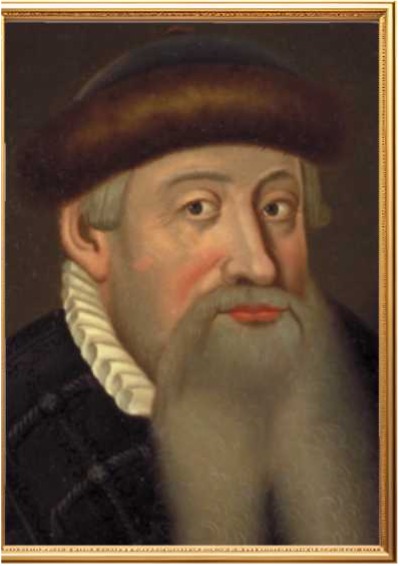
Movable Typhography : Movable type transformed typography and book accessibility, with pioneers like Gutenberg, Waldfoghel, and Coster creating innovations like the “Gutenberg Bible.”
Late 1400s – Copperplate Engraving
Copperplate engraving allowed for highly detailed illustrations by incising designs onto metal plates. The Master of the Playing Cards excelled in this medium, creating intricate playing cards featuring animals and wild men.
1450s–1500s – German Illustrated Books

The incunabula period saw rapid growth in book production with detailed illustrations, driven by Renaissance printers in cities like Venice and Genoa. The Nuremberg Chronicle stands out as a richly illustrated historical text.
1400s-1500s
Renaissance Graphic Design The revival of classical literature during the Renaissance inspired innovative book layouts, typefaces, and decorations. Italian humanists such as Sweynheym and Pannartz pioneered elegant Roman type designs.
1700s
Typographic Innovation In the 1700s, typography was redefined through designs guided
by scientific principles. Nicolas Jaugeon, under King Louis XIV, crafted mathematically precise typefaces for the Imprimerie Royale.