

The Age of Information 4-The Digital and Beyond
The Age of Information 4-The Digital and Beyond
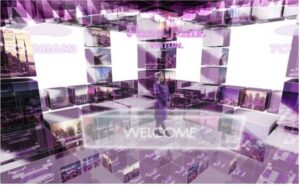
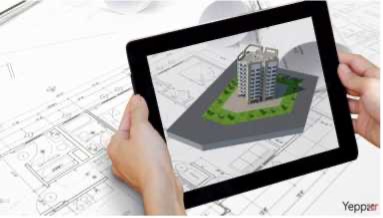
The intersection of digital art, virtual reality (VR), and artificial intelligence (Al) is revolutionizing the field of architecture, creating new opportunities for creativity, visualization, and enhanced design implementation efficiency. Digital art, long recognized for its innovative capabilities, has expanded its role beyond traditional aesthetics to become a vital component in architectural workflows. VR tools enable architects, designers, and clients to immerse themselves in fully interactive, 3D environments of proposed structures, offering a tangible sense of space and scale before construction begins. This immersive visualization bridges the gap between imagination and reality, enabling stakeholders to explore designs from multiple perspectives, identify potential issues early, and collaboratively refine ideas in real-time. The use of Al in this process further enhances capabilities by automating complex calculations, optimizing designs for sustainability and structural integrity, and generating adaptive design options based on a range of criteria such as environmental impact, material efficiency, and user preferences.
In recent years, VR technology has matured significantly, providing high-resolution, photorealistic environments that can simulate natural lighting, materials, and spatial acoustics with astonishing accuracy. When combined with digital art, this technology transforms architectural design from static blueprints or 2D renderings into fully interactive experiences. Digital artists and architects collaborate to create virtual environments that are not only functional but also emotionally engaging, using digital art techniques to craft textures, lighting effects, and ambiance that evoke the intended atmosphere of a space. This immersive approach enables designers to communicate their vision more effectively, facilitating deeper understanding and emotional connection for clients who might struggle to interpret traditional plans or drawings. For example, a client can virtually walk through a future building, experiencing how natural light filters through windows at different times of day or how different materials impact the look and feel of interior spaces. This level of immersion encourages more informed decision-making and fosters innovation as ideas can be tested and modified instantly.

Artificial intelligence complements VR by offering powerful analytical and generative tools that support the architectural design process. Al algorithms can analyze vast amounts of data—from climate patterns to urban density—to recommend design features that improve energy efficiency, reduce construction costs, or enhance occupant comfort. Furthermore, Al-driven generative design tools allow architects to input desired parameters and constraints, such as maximum budget or preferred style, and receive multiple optimized design alternatives in seconds. These Al-generated options can be explored within VR environments, providing a seamless loop of design, visualization, and iteration. This integration not only accelerates the design cycle but also pushes the boundaries of creativity by presenting novel solutions that a human designer might not have conceived independently. Digital art enriches this process by ensuring that the Al-generated models are visually compelling and aligned with the artistic vision of the project.
Beyond design and visualization, VR and Al play a critical role in the implementation and construction phases of architecture. VR simulations enable builders and contractors to rehearse construction sequences, identify logistical challenges, and coordinate workflows without costly physical prototypes. Digital art assets created during design can be repurposed for training, marketing, or community engagement, making architectural projects more accessible and transparent to the public. Al systems monitor ongoing construction, analyzing sensor data to detect deviations from plans or potential safety hazards, allowing timely interventions. This real-time feedback loop improves quality control and reduces delays, ultimately resulting in buildings that are safer, more efficient, and better tailored to their intended purpose.
The combination of digital art, VR tools, and Al in architecture also fosters sustainability, a critical concern in modern design. Al can simulate environmental impacts of design choices, such as carbon footprint or energy consumption, helping architects prioritize eco-friendly solutions. VR experiences can educate clients and communities on sustainable practices by visually demonstrating the benefits of green technologies like solar panels, rainwater harvesting, or natural ventilation. Artistic digital renderings in VR make these concepts more relatable and inspiring, encouraging adoption and support.
In conclusion, the integration of digital art, VR, and Al in architecture represents a transformative leap in how buildings are conceived, designed, and realized. By merging creative expression with cutting-edge technology, architects can offer immersive, data-driven, and sustainable solutions that meet the complex demands of modern society. This synergy not only enhances communication and collaboration among all stakeholders but also unlocks new levels of innovation and efficiency in architectural implementation. As VR and Al technologies continue to evolve, their role in digital art and architecture will only deepen, shaping the built environment of the future in exciting and unprecedented ways.
Source:
DSGN6431006 – Visual Communication Design Review – The Age of Information
Kolarevic, B., & Malkawi, A. (Eds.). (2004). reformative Architecture (1st ed.). Routledge. https://d0i.0rg/l 0.4324/9780203017821