

The Evolution of Graphic Design: From Manual Print to the Digital Age
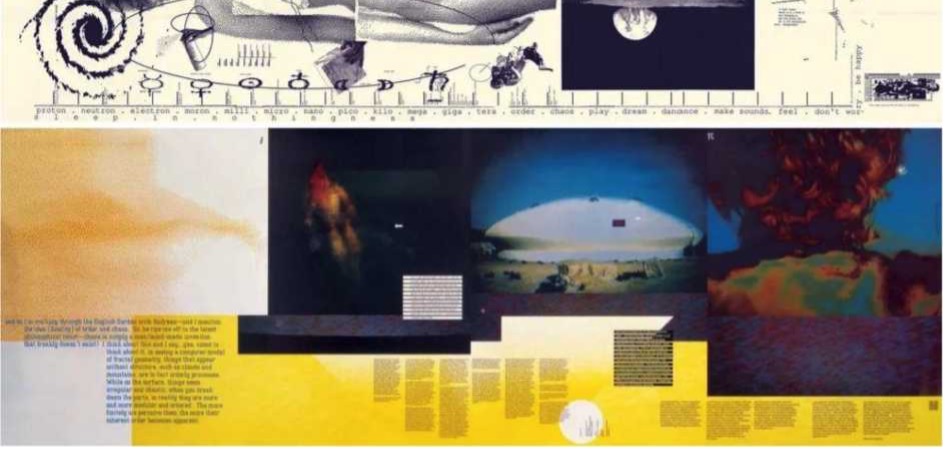
Graphic design has experienced a radical transformation over the centuries—from early cave illustrations to today’s Al-powered creative tools. Each era of human history brought with it new technologies, tools, and techniques that have reshaped the way visuals are created and consumed. This article revisits the historical milestones in graphic design, focusing on how technology has redefined the profession and the role of designers in society.
The Origins of Graphic Design
The roots of graphic design can be traced back thousands of years. In prehistoric times, humans used cave paintings to tell stories, mark events, and communicate with others. Some of the most famous examples come from the caves of Lascaux in France, where images of animals and hunting scenes still survive. These were not just decorations—they were early attempts to encode meaning visually.
Moving into Ancient Egypt, the development of hieroglyphics marked another major step. Egyptian scribes used detailed illustrations and symbolic writing carved into temple walls and papyrus scrolls to convey stories, religious beliefs, and government records. These visual messages required both artistic skill and communicative clarity—two essential qualities of modern graphic design.
The Industrial Revolution and the Print Boom
The invention of the printing press by Johannes Gutenberg in the 15th century marked a turning point in human communication. For the first time, books, pamphlets, and printed illustrations could be mass-produced, dramatically increasing access to information. This invention democratized knowledge and laid the foundation for a visual culture centered on printed media.
By the 18th and 19th centuries, the Industrial Revolution had further accelerated graphic production. Rotary printing presses, chromolithography, and the use of photography introduced new styles and techniques. Posters, newspapers, and product packaging flourished. Graphic design became a recognized discipline, especially in advertising and political communication. The need for eye-catching, persuasive visuals gave rise to iconic poster artists and the earliest design studios.
The Digital Shift: A New Era for Designers
The 1980s brought another monumental shift. With the introduction of personal computers—especially Apple’s Macintosh in 1984—graphic designers gained unprecedented control over their work. The graphical user interface and mouse allowed for easier layout design and image manipulation. Around this time, Adobe Systems released software like Illustrator (1987) and Photoshop (1990), which would become industry standards for decades.
These tools replaced traditional, manual techniques like typesetting, paste-up, and mechanical illustration. Designers could now edit, revise, and experiment without the time and cost constraints of analog methods. It was the beginning of a more agile, iterative approach to visual communication.
Digital Collaboration and Accessibility
The rise of the internet in the late 1990s and early 2000s transformed graphic design again. Cloud-based file sharing enabled real-time collaboration between designers, clients, and printers across the globe. Feedback cycles became faster, and deadlines became shorter. At the same time, online learning platforms like YouTube, Skillshare, and Coursera empowered anyone to learn graphic design, regardless of location or background. This democratization of design education helped grow a global creative community, where inspiration and resources are shared freely.
Graphic Design: Then and Now
Today, graphic design exists in a hybrid space—part technical, part artistic. While tools and platforms have evolved, the core principles remain rooted in history: visual storytelling, balance, hierarchy, and clarity. From cave walls to digital screens, the journey of graphic design is a story of adaptation, creativity, and innovation. And as Al tools enter the scene, the next chapter is already being written.