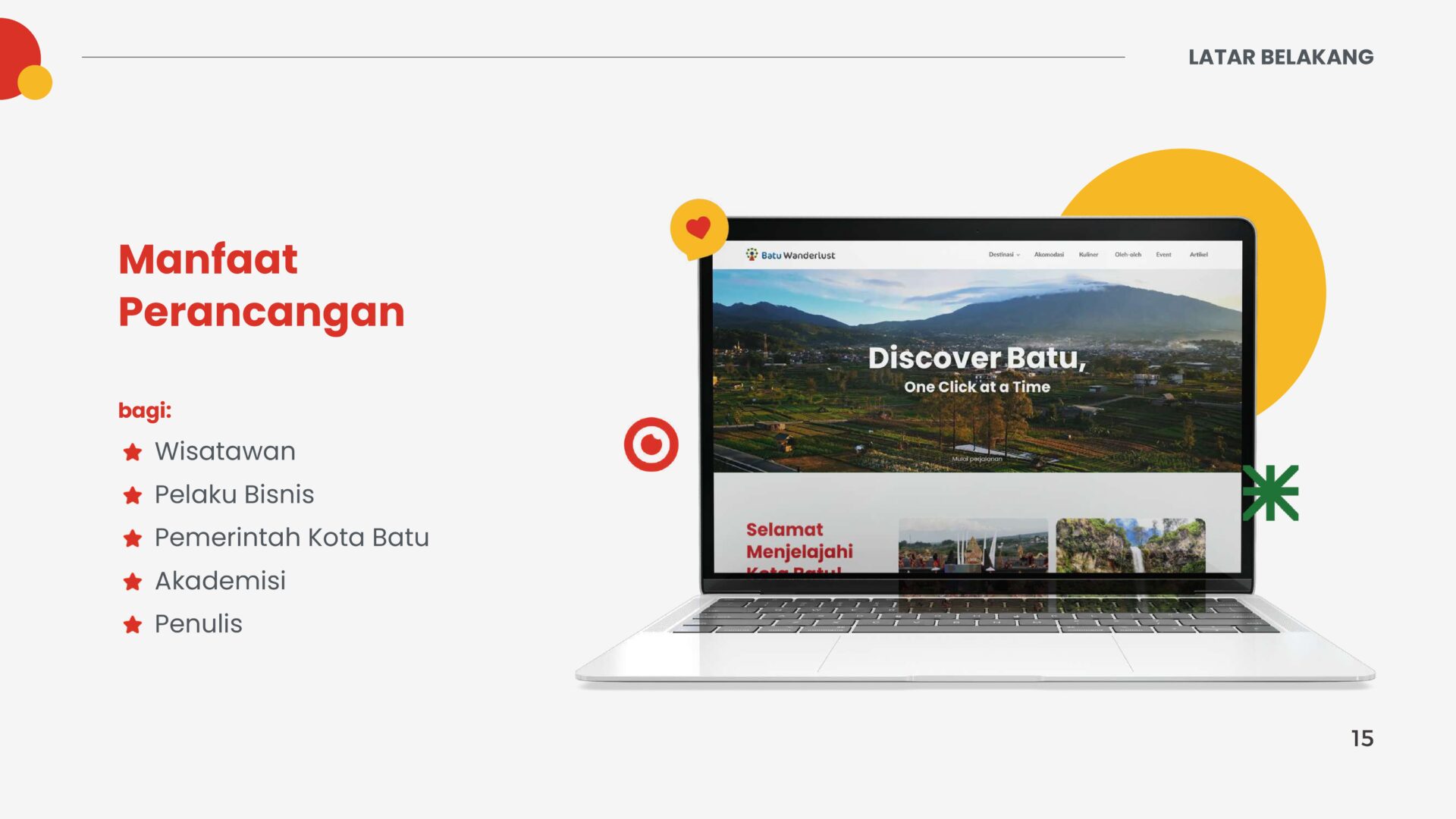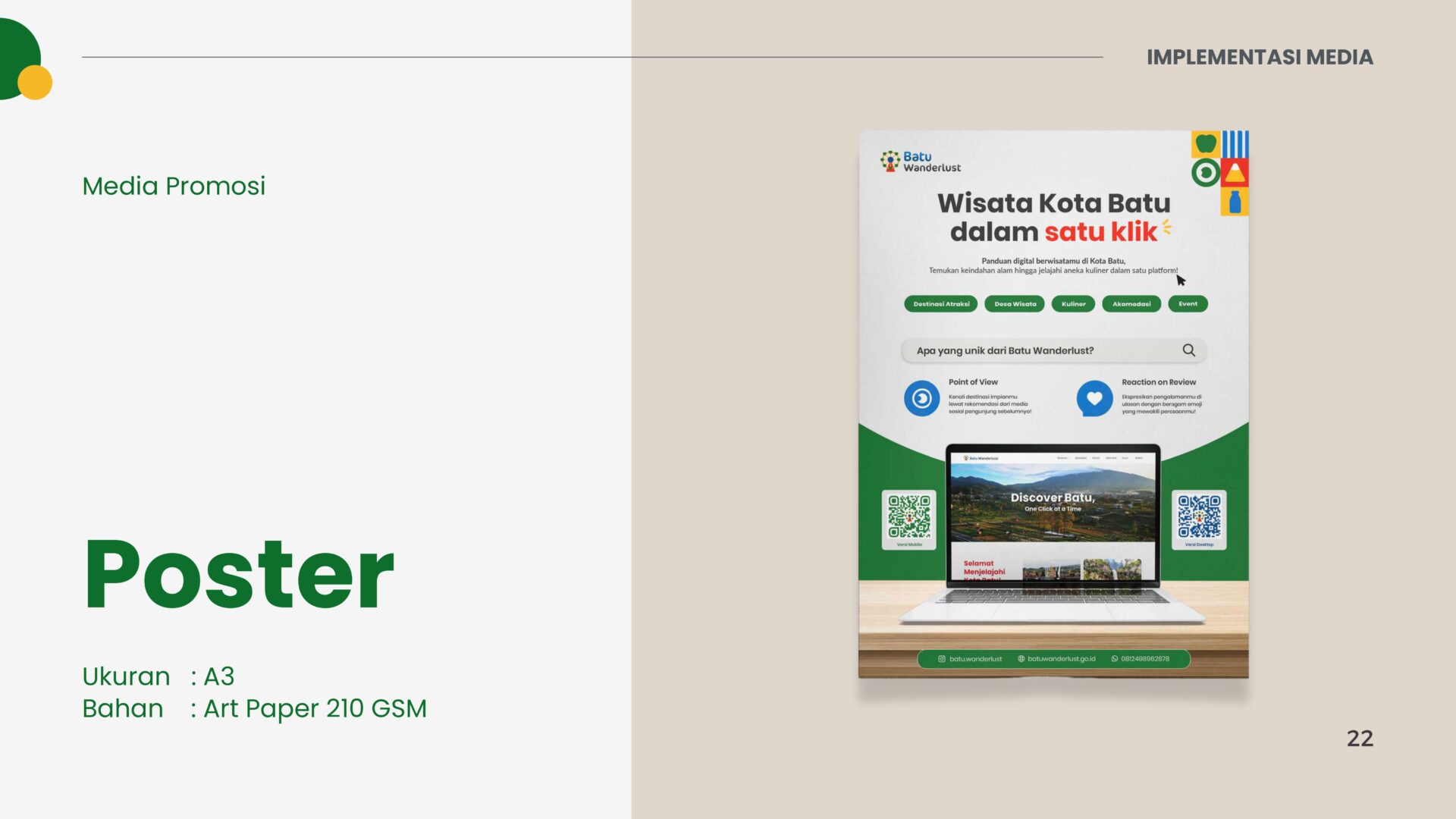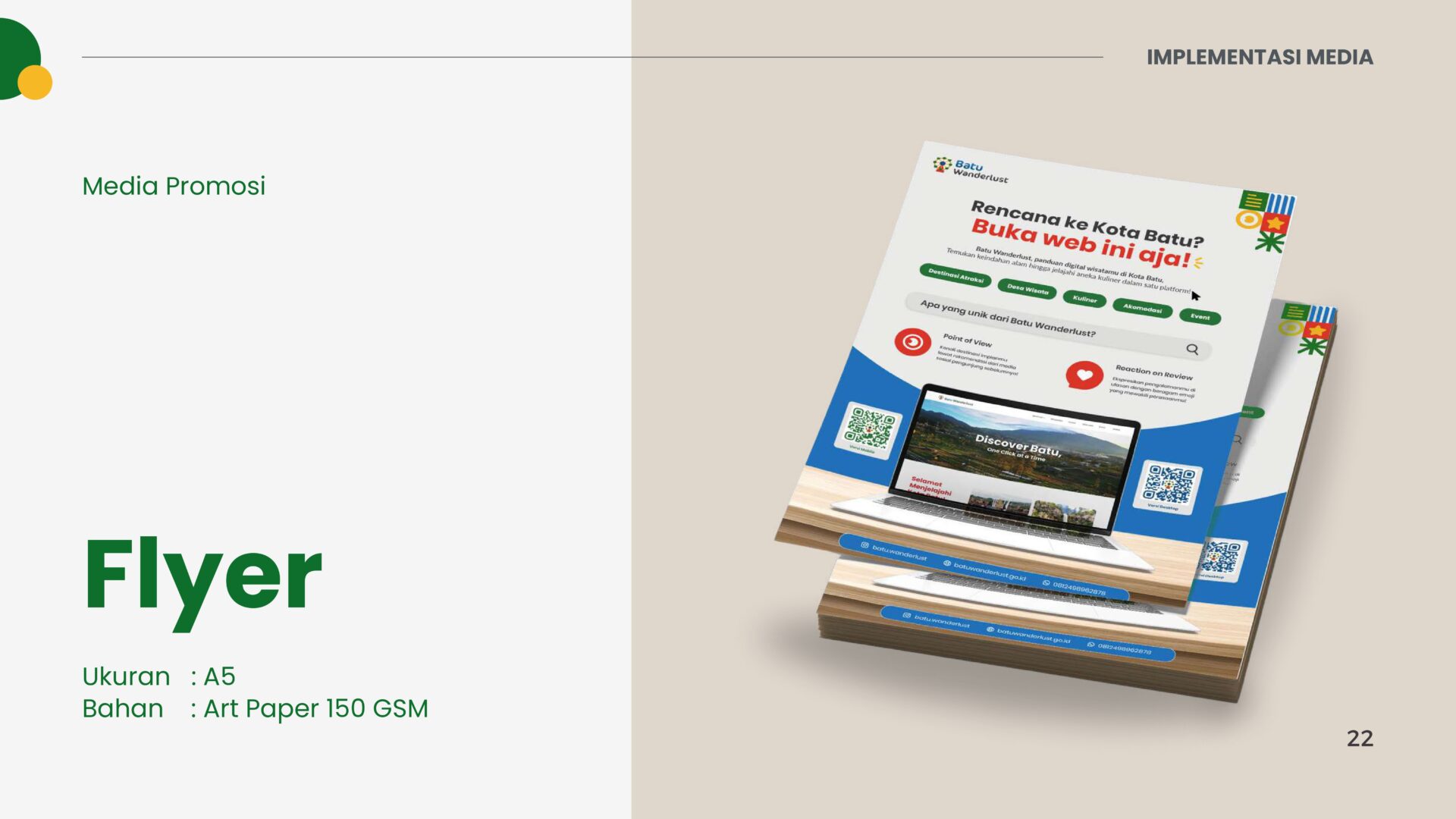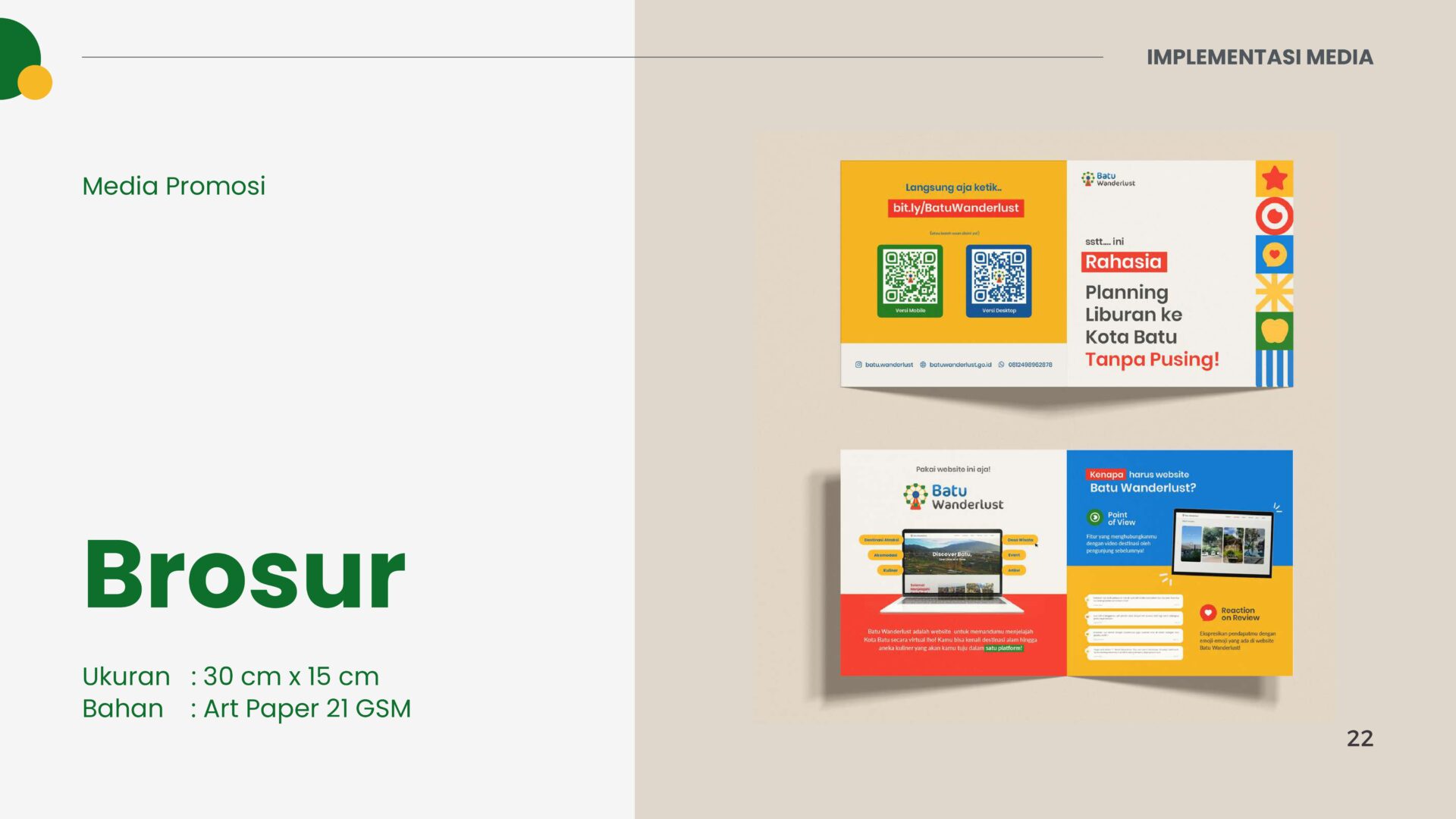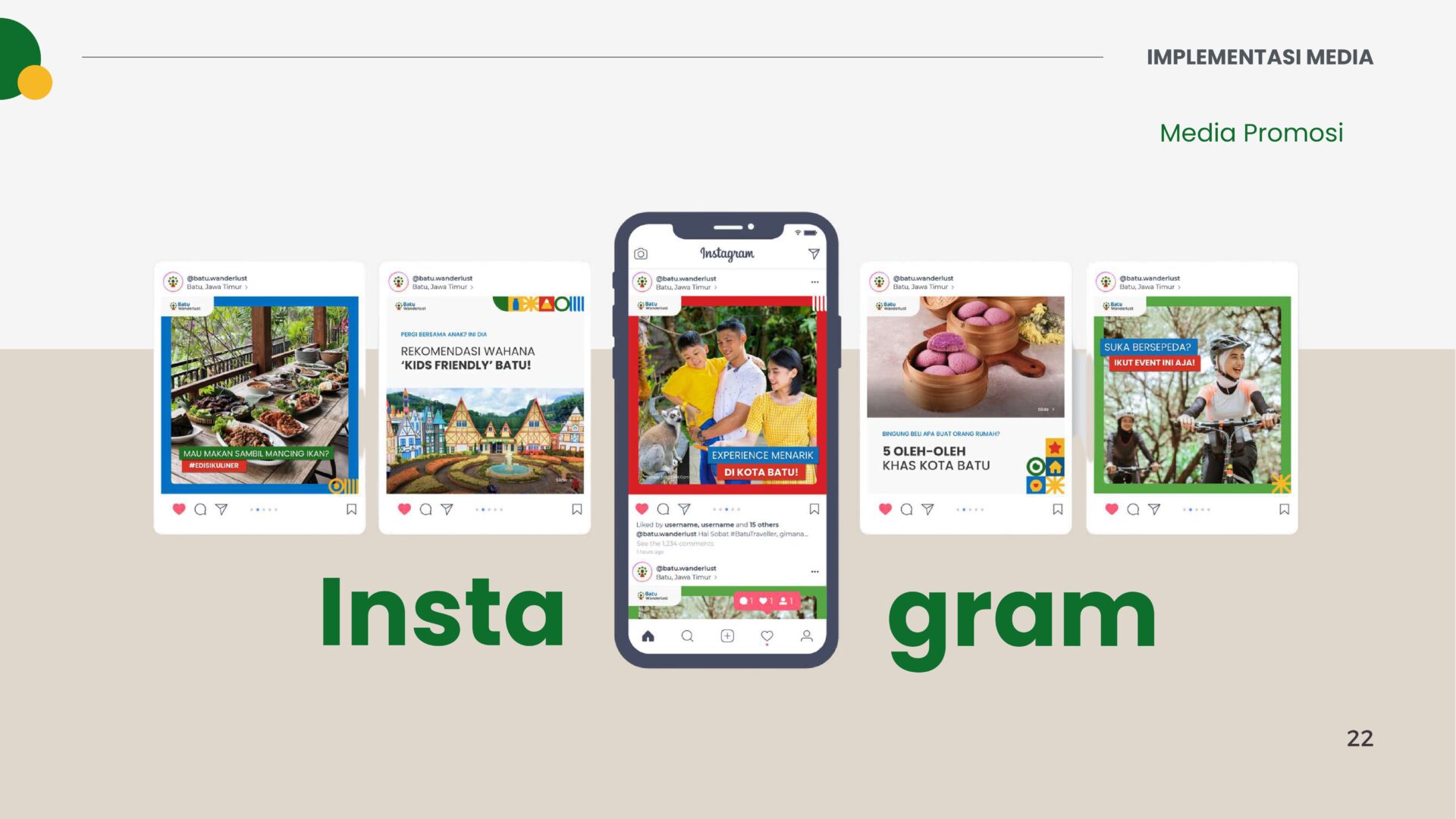
“Batu Wanderlust” Website by Regina Carmelita Kristofani
Introduction
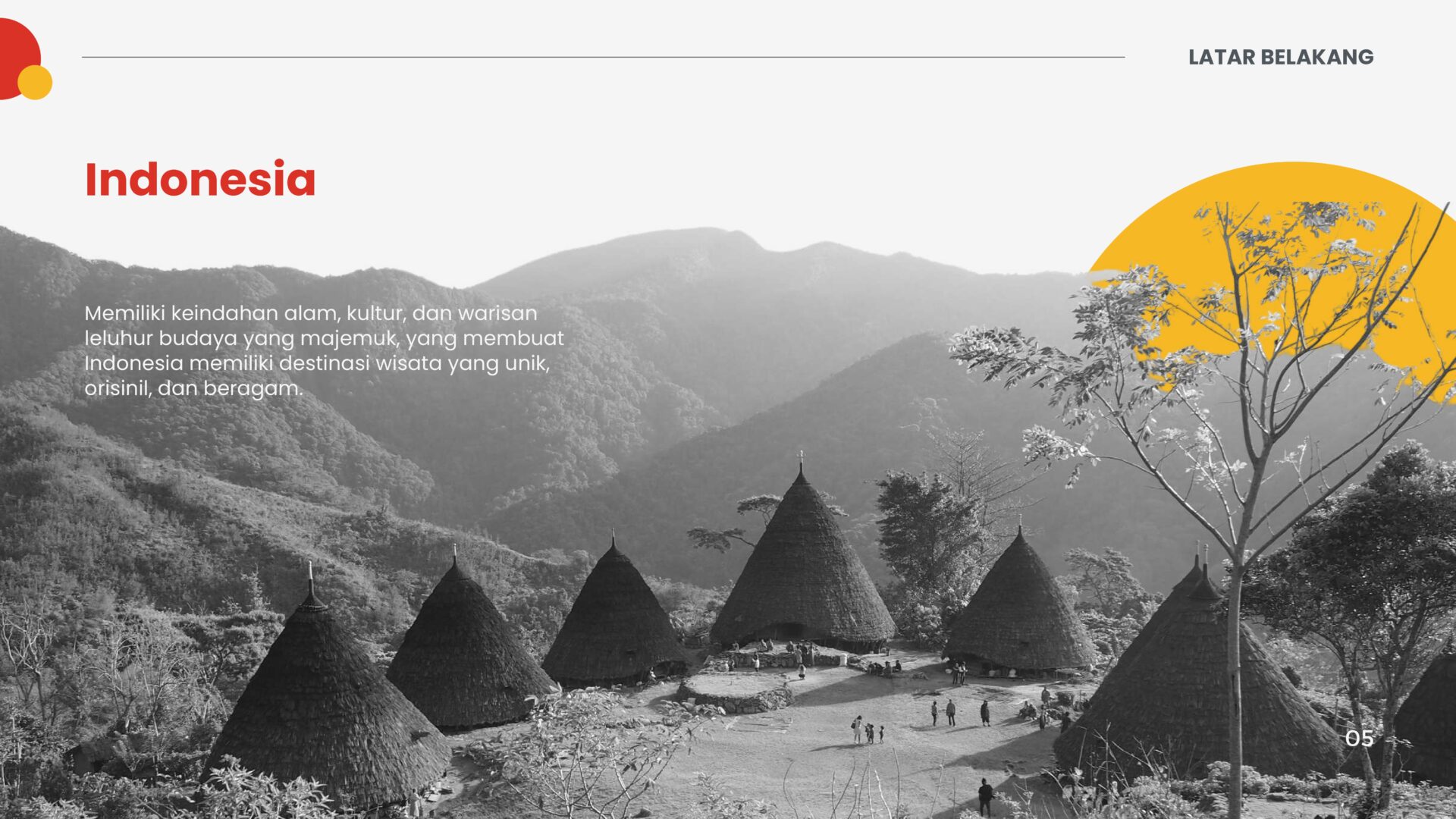
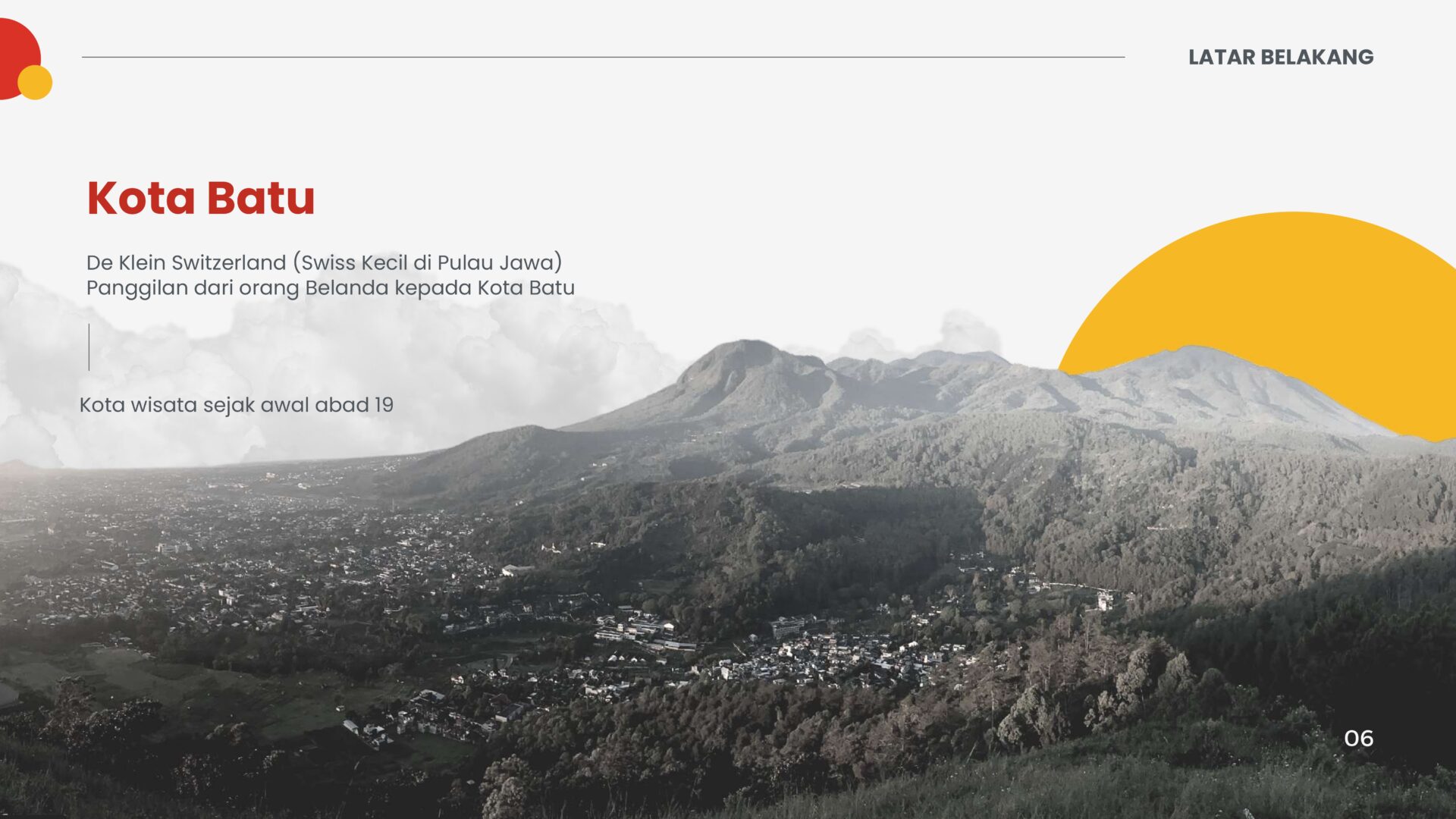
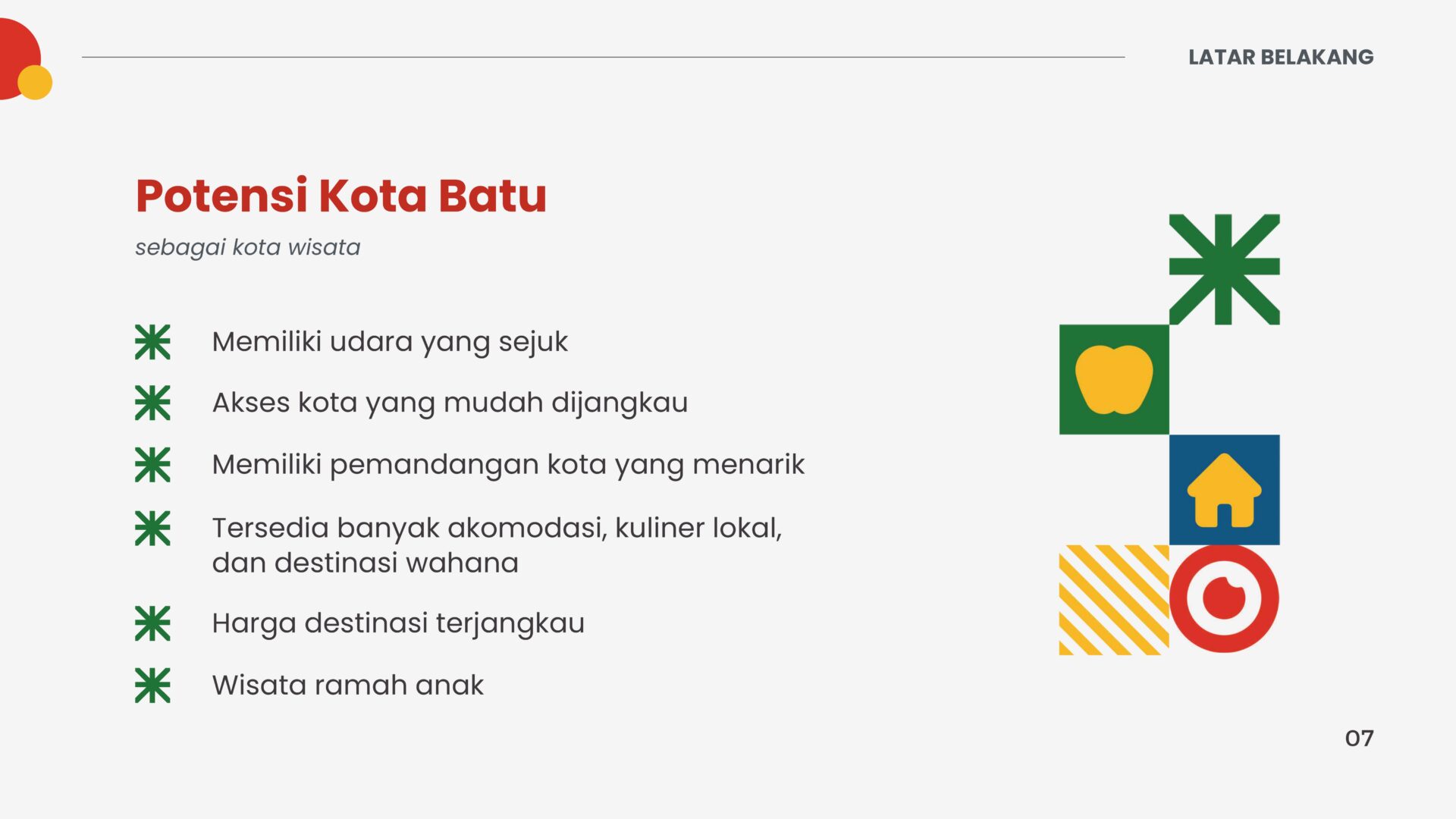
Tourism is a social, cultural, and economic event involving the movement of individuals from one location to another. Tourism plays an important role in raising the country’s currency, including Indonesia. Indonesia is one of the countries that has natural beauty, culture, and the heritage of cultural ancestors, which makes Indonesia a unique and diverse tourist destination. The varied geographical conditions of Indonesia make the tourist advantages of each region different. For example, Batu City is surrounded by several mountains, including Mount Arjuna, Mount Panderman, and Mount Banyak. This means that Batu City’s natural landscape has the potential to be a great tourist destination, supported by easy city access for visitors. Batu City has been a tourist city since the early 19th century, which also attracted the Dutch to build villas to live temporarily in Batu City due to the nice and cold weather. The Dutch were so impressed with Batu City that they equated Batu City with a country in Europe, Switzerland, and gave it the prefix De Klein Swiss, or “Little Swiss on Java Island.” [1].
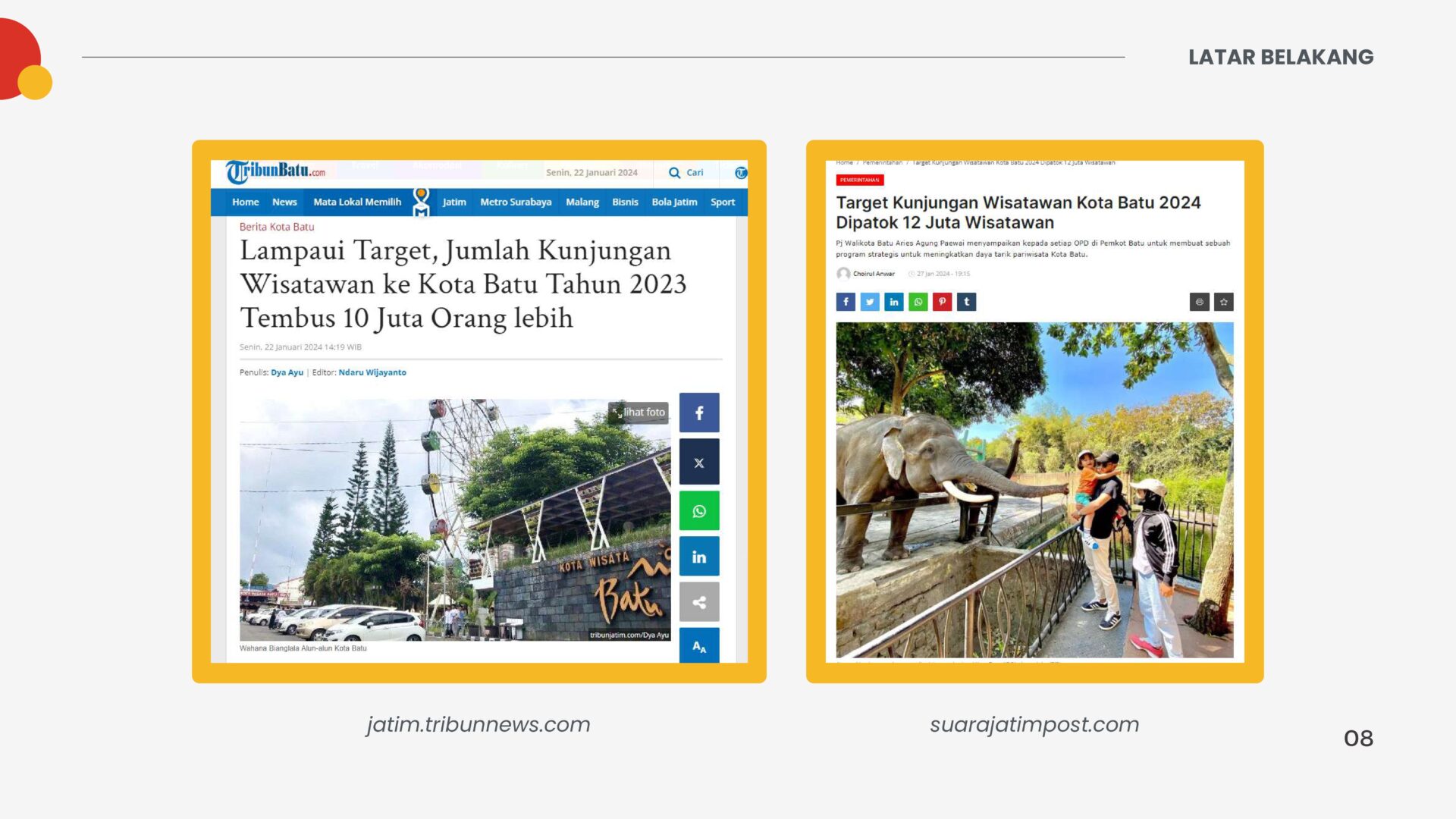
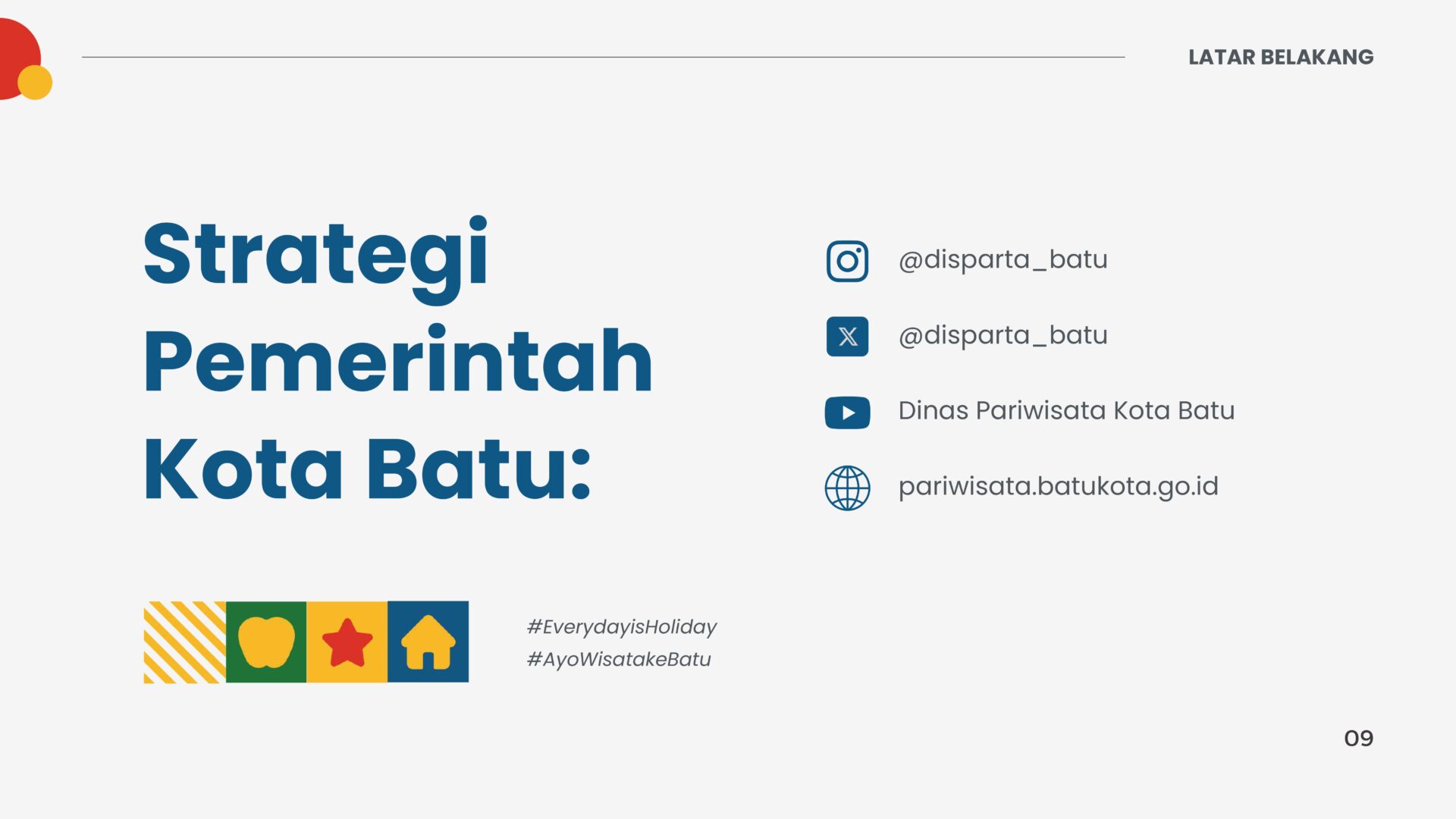
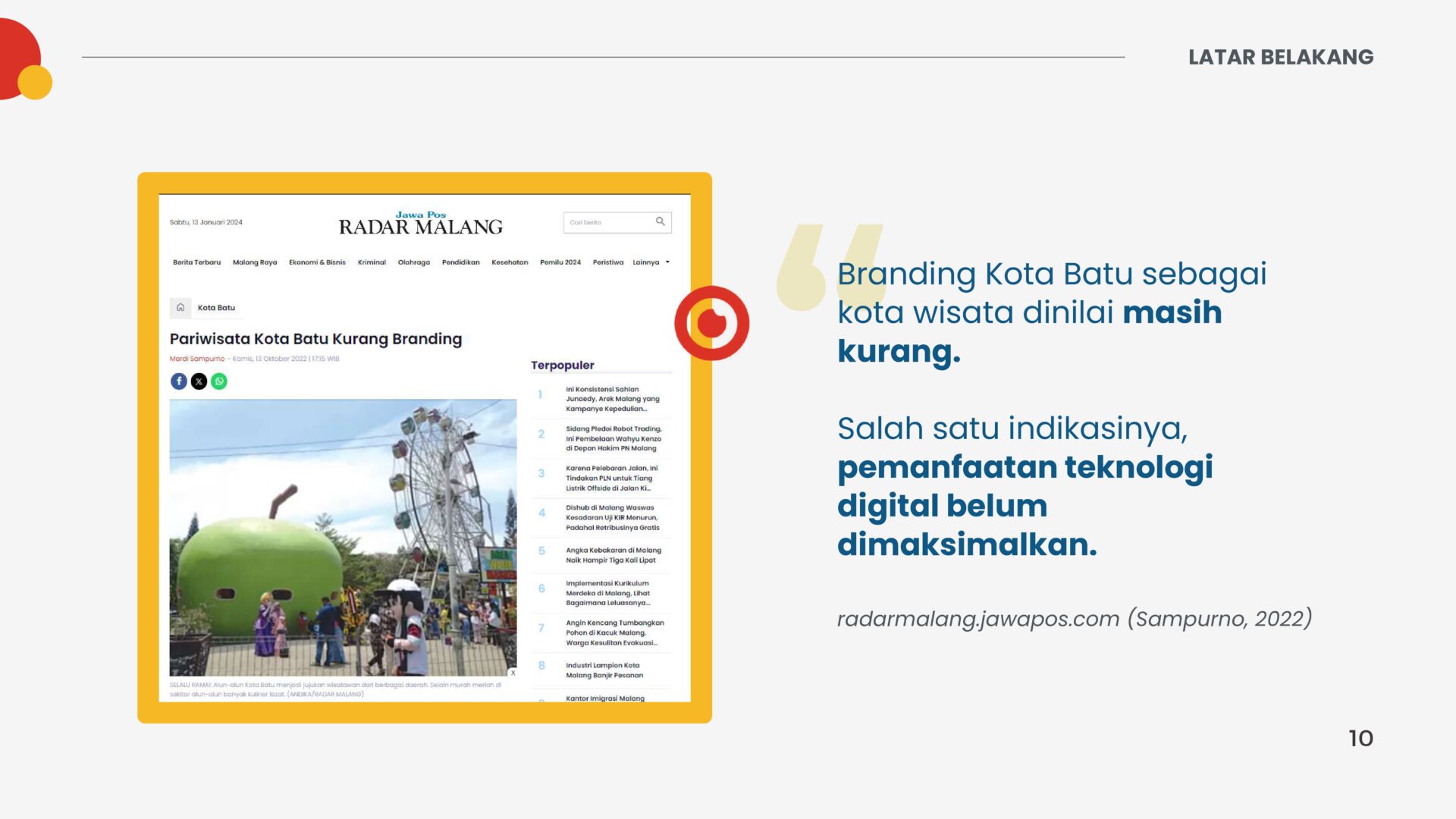
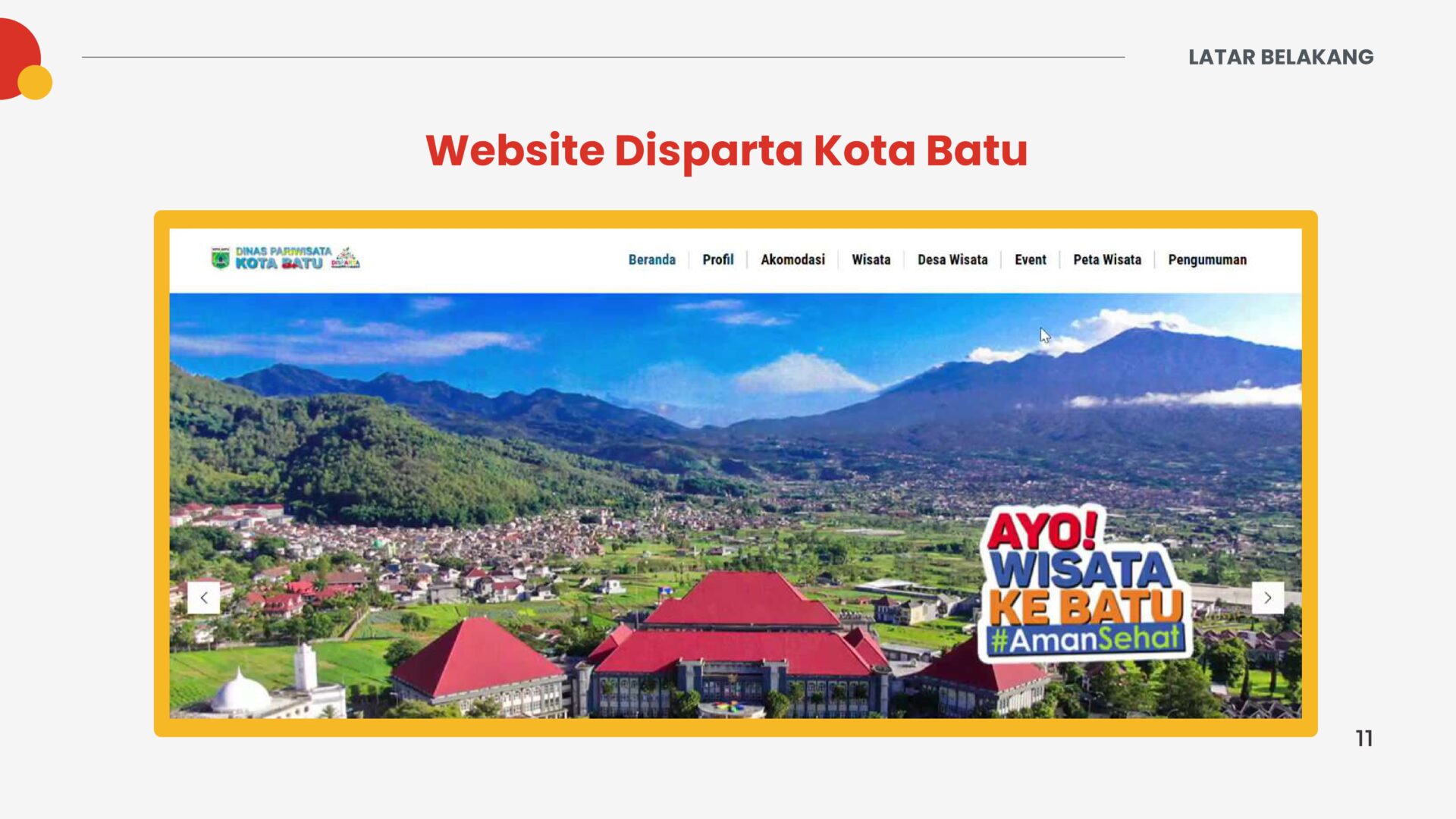
The natural potential of Batu City also attracts local tourists to enjoy the amazing natural scenery as well as to try various Batu City tours that are thriving. It’s proven in some article topics talking about raising the target from 10 million tourists to 12 million tourists in 2024 [2], [3]. This increased tourist target will be supported by some strategies of the Batu City government, one of which is to enhance promotions with the tags #EverydayisHoliday and #AyoWisatakeBatu in some of its social media [4]. Although the Batu City Tourism Department already has some social media, Batu City branding as a tourist city is still underrated. Meanwhile, strong branding can make the marketing of the tourist village, homestay, culinary, souvenir, and photography flourish rapidly [5].
METHODS
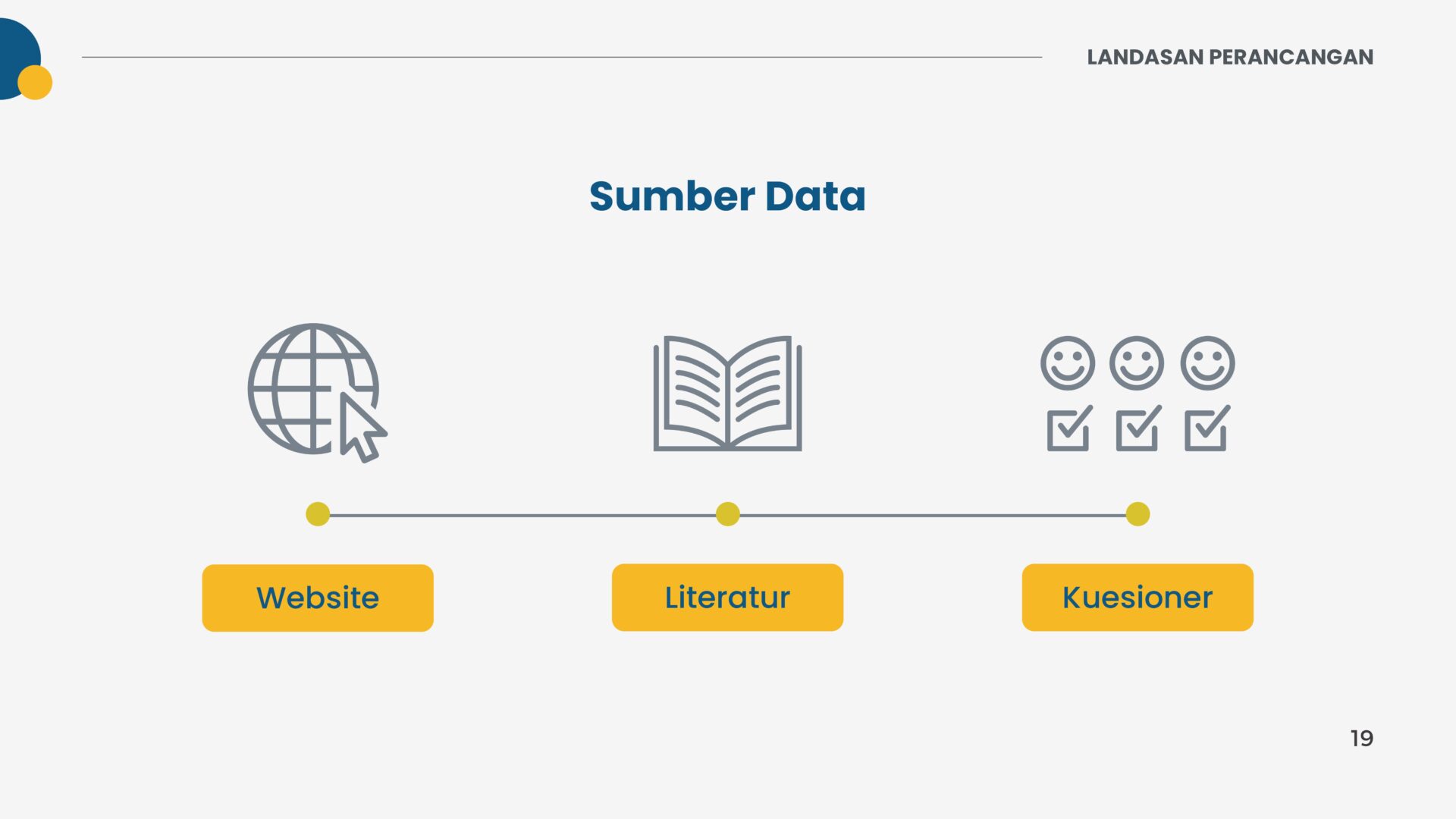
The research method is a design-thinking method with various methods of data collection. The data collection methods can be categorized into two categories: literature and field data. The literature was collected from journals, e-books, and various tourism sites, including the official site of Disparta Kota Batu. In addition to achieving the goals of research, the data is also collected through field data, such as surveys using questionnaires.
1.1 Design Thinking
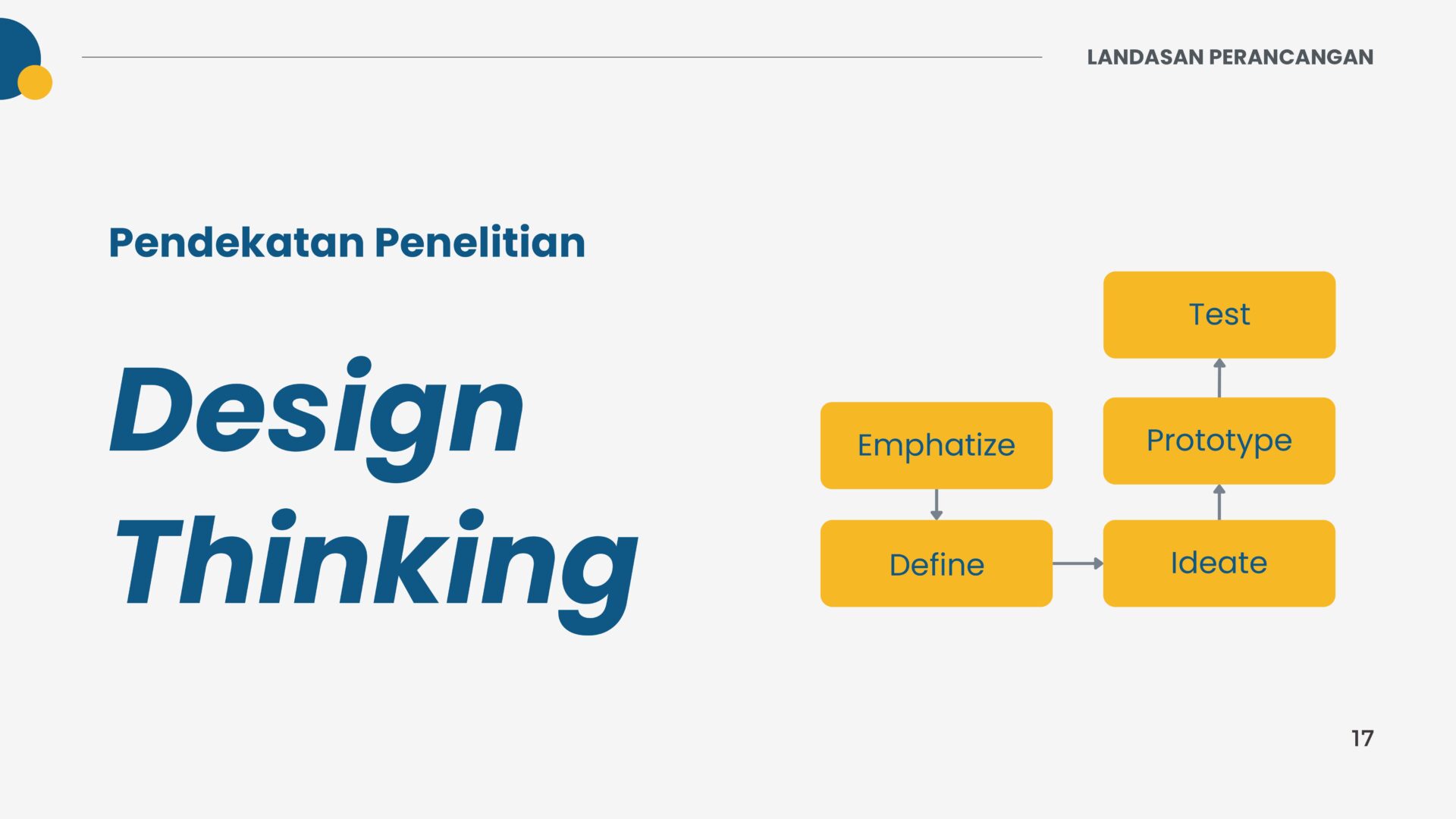
Design thinking is a non-linear ideology and process that solves complex problems in a user-centric way. Design thinking serves as a method of understanding users, examining assumptions, redefining problems, and creating innovative solutions for prototyping and testing. There are five stages in design thinking,
- Empathize, a stage that aims to identify problems and unmet consumer needs around us to determine problems and possible solutions. In this study, the author performed observations of several tourist city websites and chose the tourism department’s website as the main topic because some things can still be enhanced with the profitable tourist potential of Batu City.
- Define: a stage to determine the core of a problem through in-depth research around a defined problem. The author conducted research through the website and social media of the Batu City Tourism Department, previous literature, and questionnaires. The purpose of the questionnaire is to find out the responses about the UI/UX of the Batu City Tourism Department website. Besides that, the author can analyze their interest in tourism activities and their opinions about the features of the future tourism website.
- Ideate: a stage to thinking about ideas that enables us to provide solutions to problems that have been found in previous stages. The ideate level gives room for creative thinking with all the available possibilities. At this stage, the author is looking for some tourism websites that could be a reference in this design. The selected tourism websites are the tourism websites of Surabaya and Jakarta, with their respective characteristics. Besides tourism websites, the author also researched some design references through creative platforms.
- Prototype: a stage of realizing ideas into experimental form before implementing them on a real scale. The prototype phase is done to analyze the advantages and disadvantages of the design. Purwarupa in this study is a sketch, wireframe, as well as website information architecture Stone Wanderlust. The phenomenon in this study will be realized through the Figma platform.
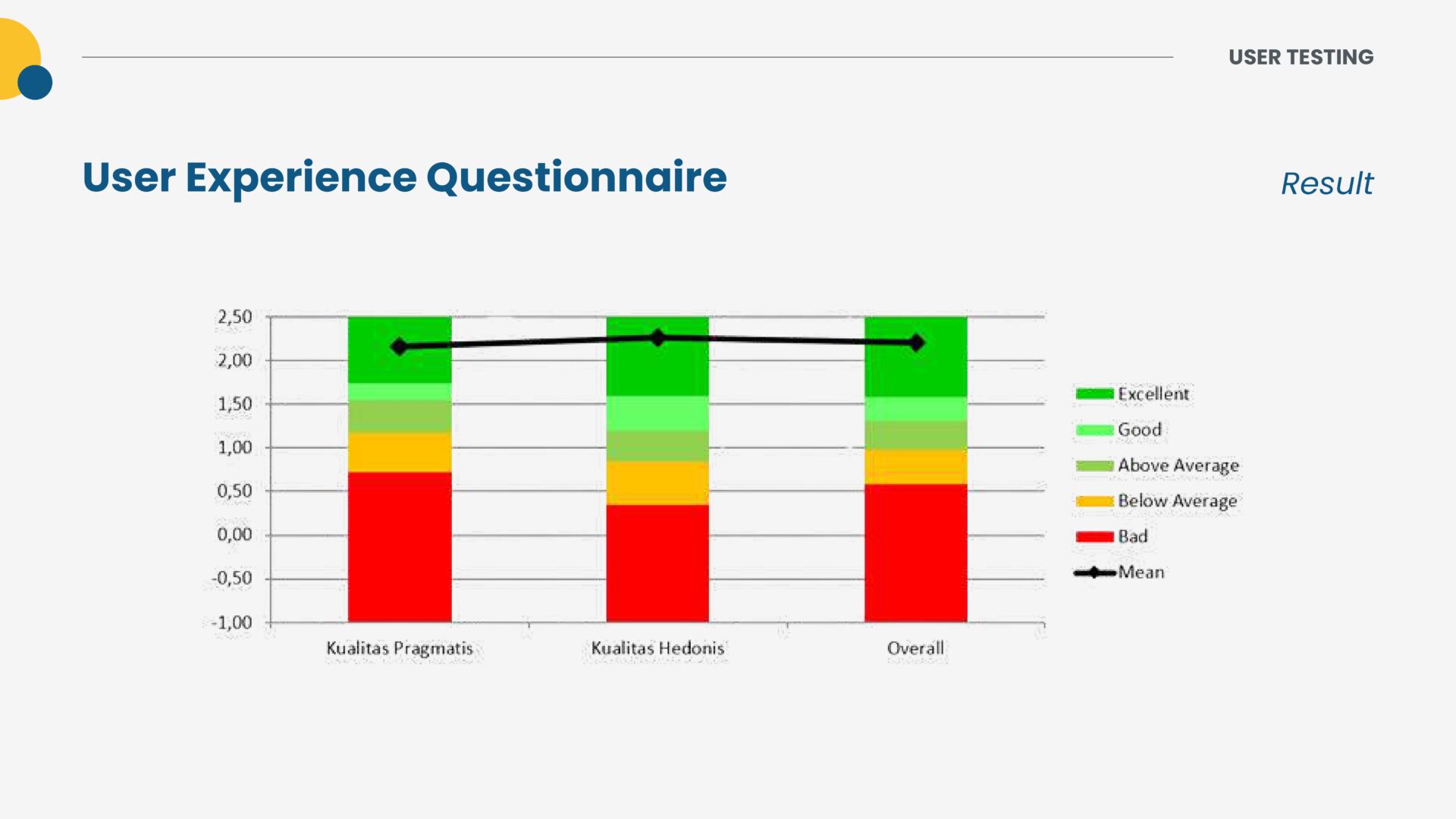
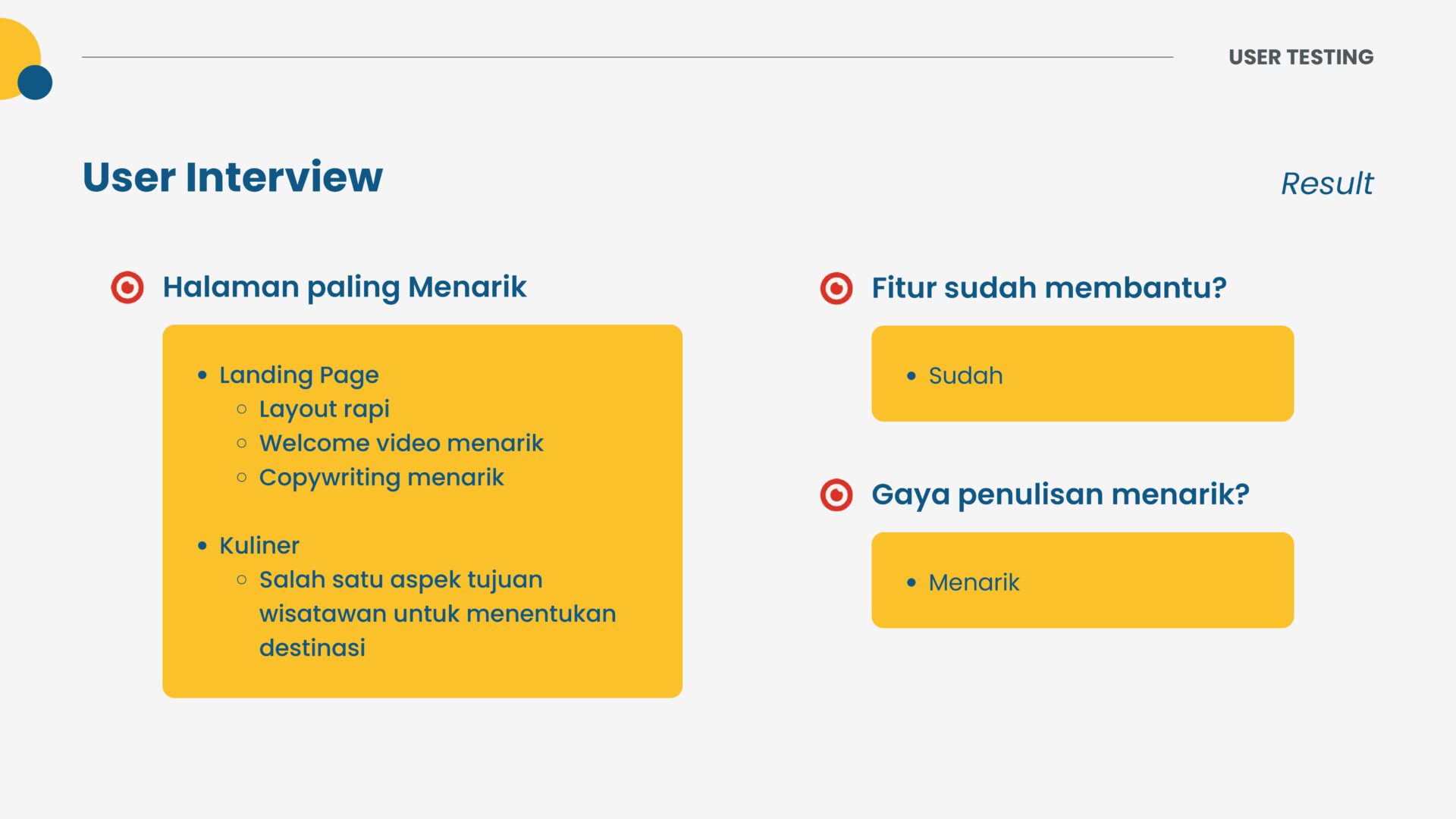
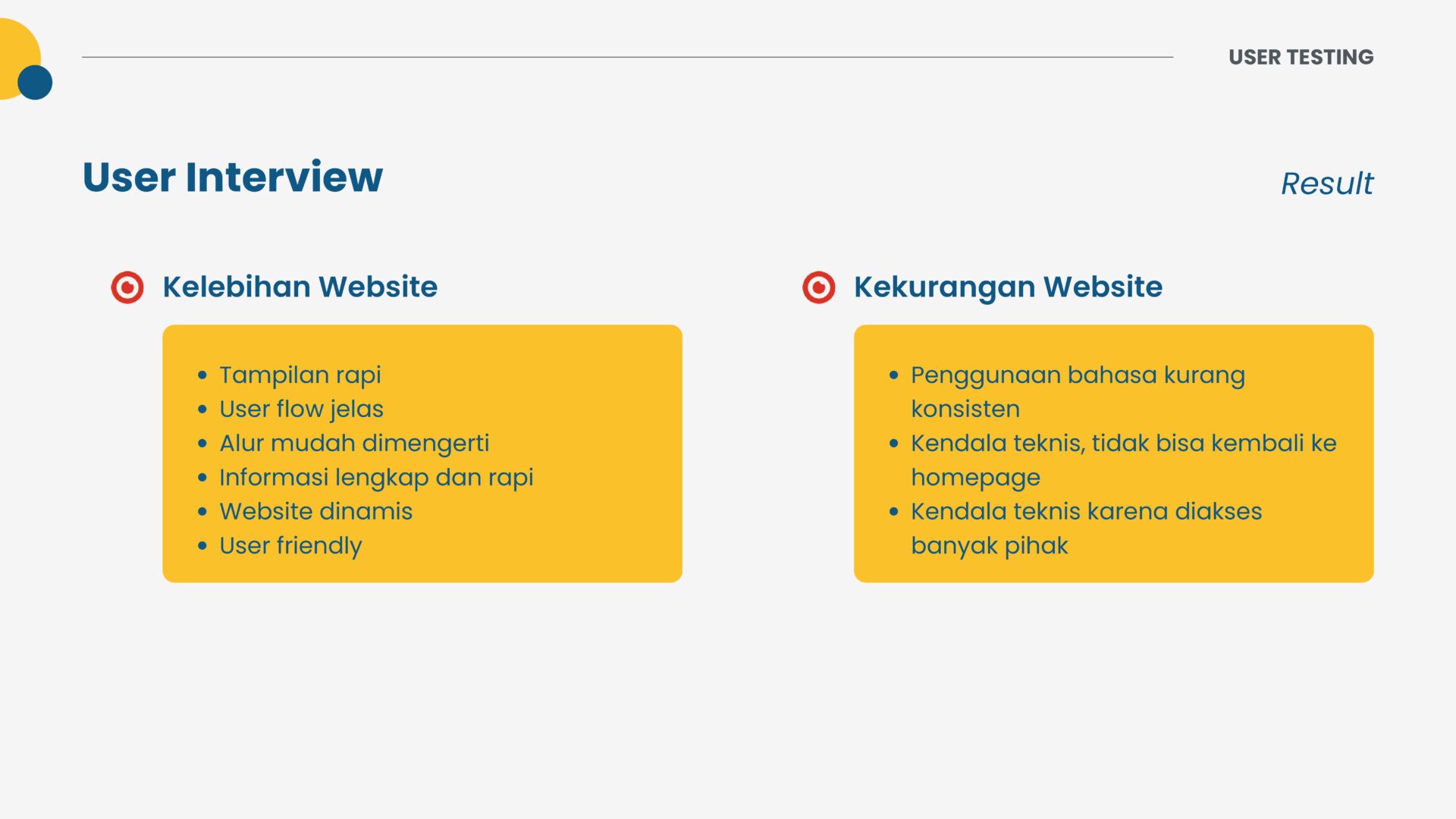
- Test: a stage with a real audience. This phase contains feedback from users about the design. The result of this phase will be brainstorming and new ideas for the perfection of the product. Testing for this study was done using the User Experience Questionnaire (UEQ) and User Interview methods
1.2. Questionnaire
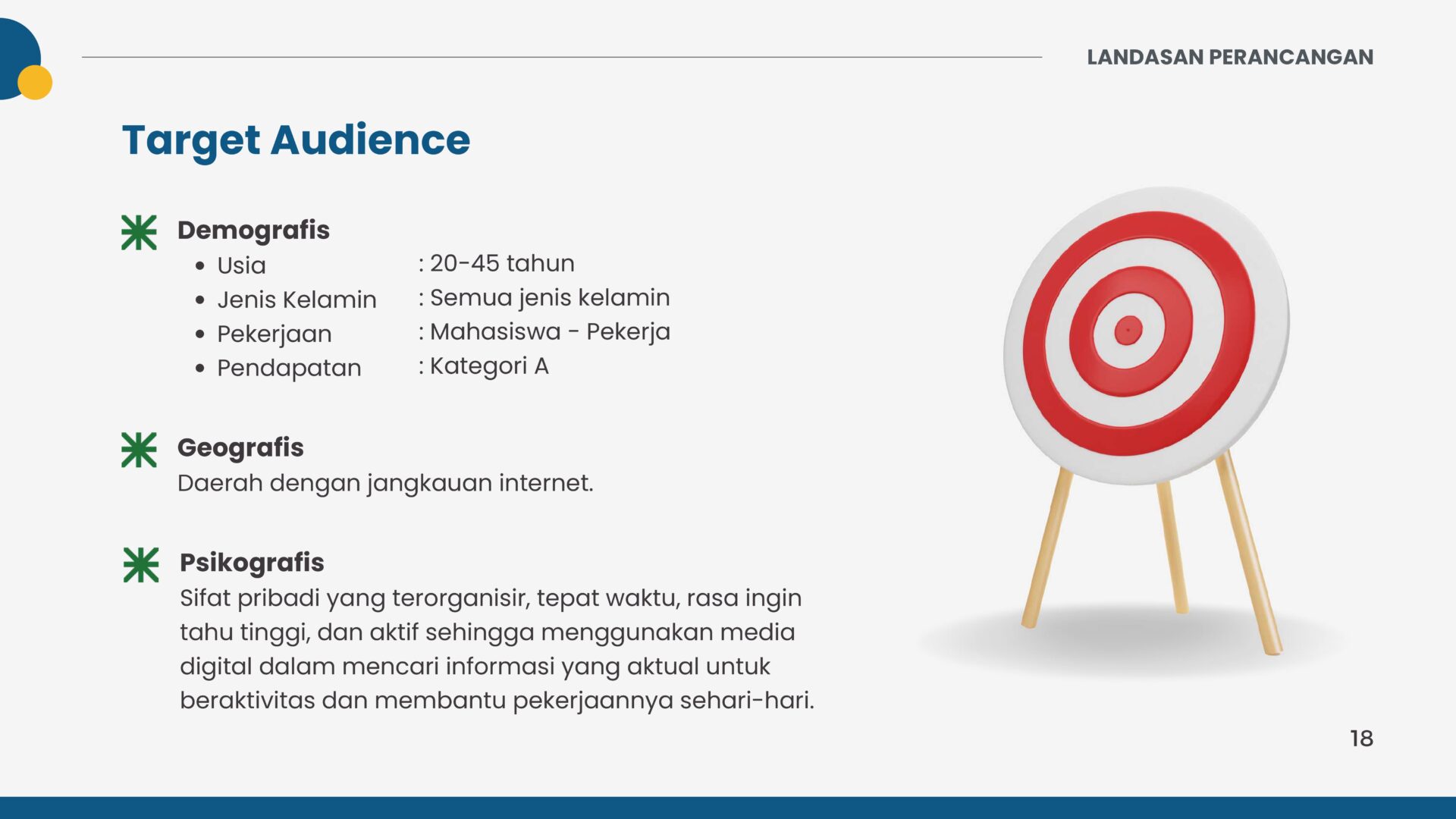
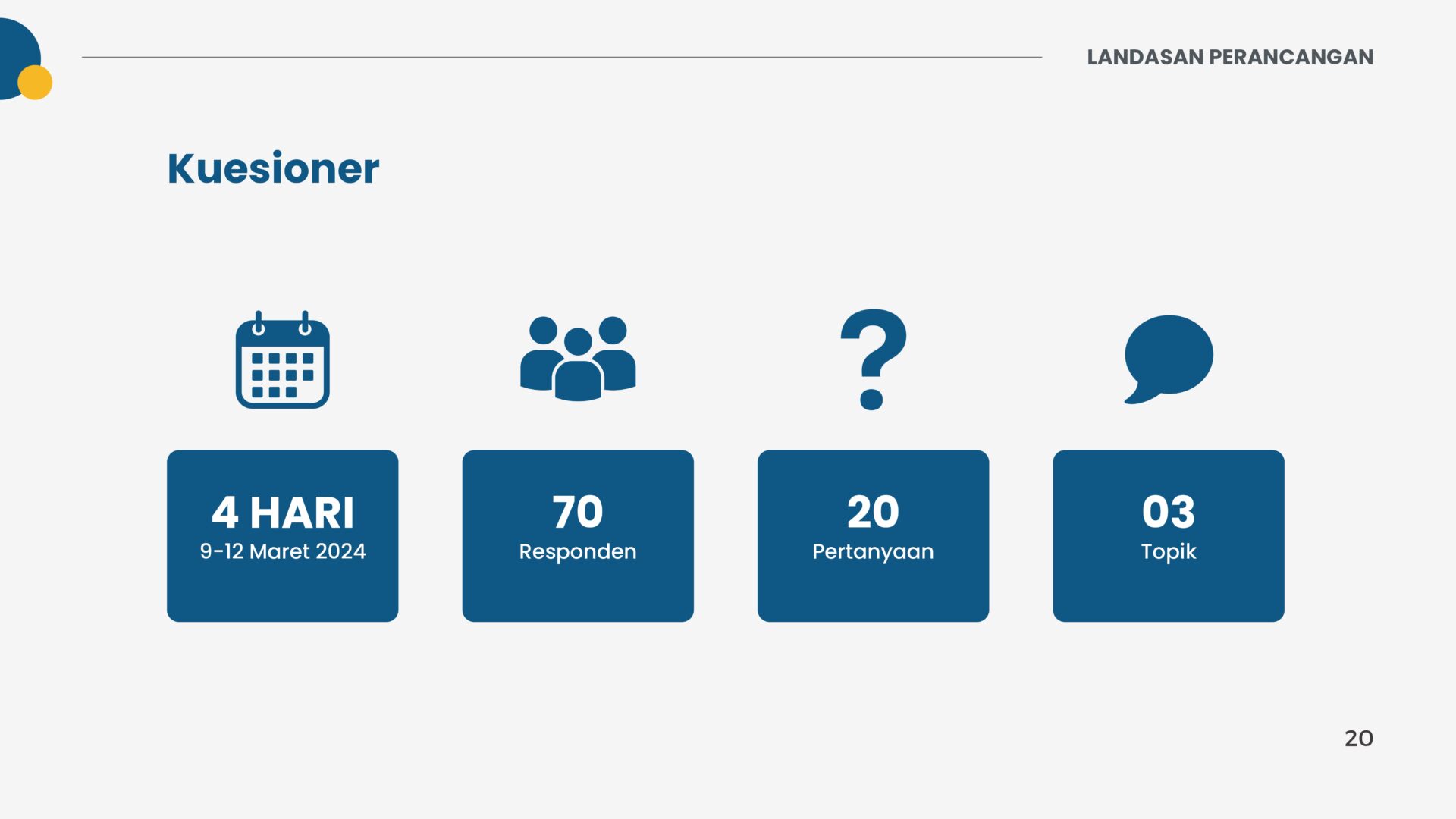
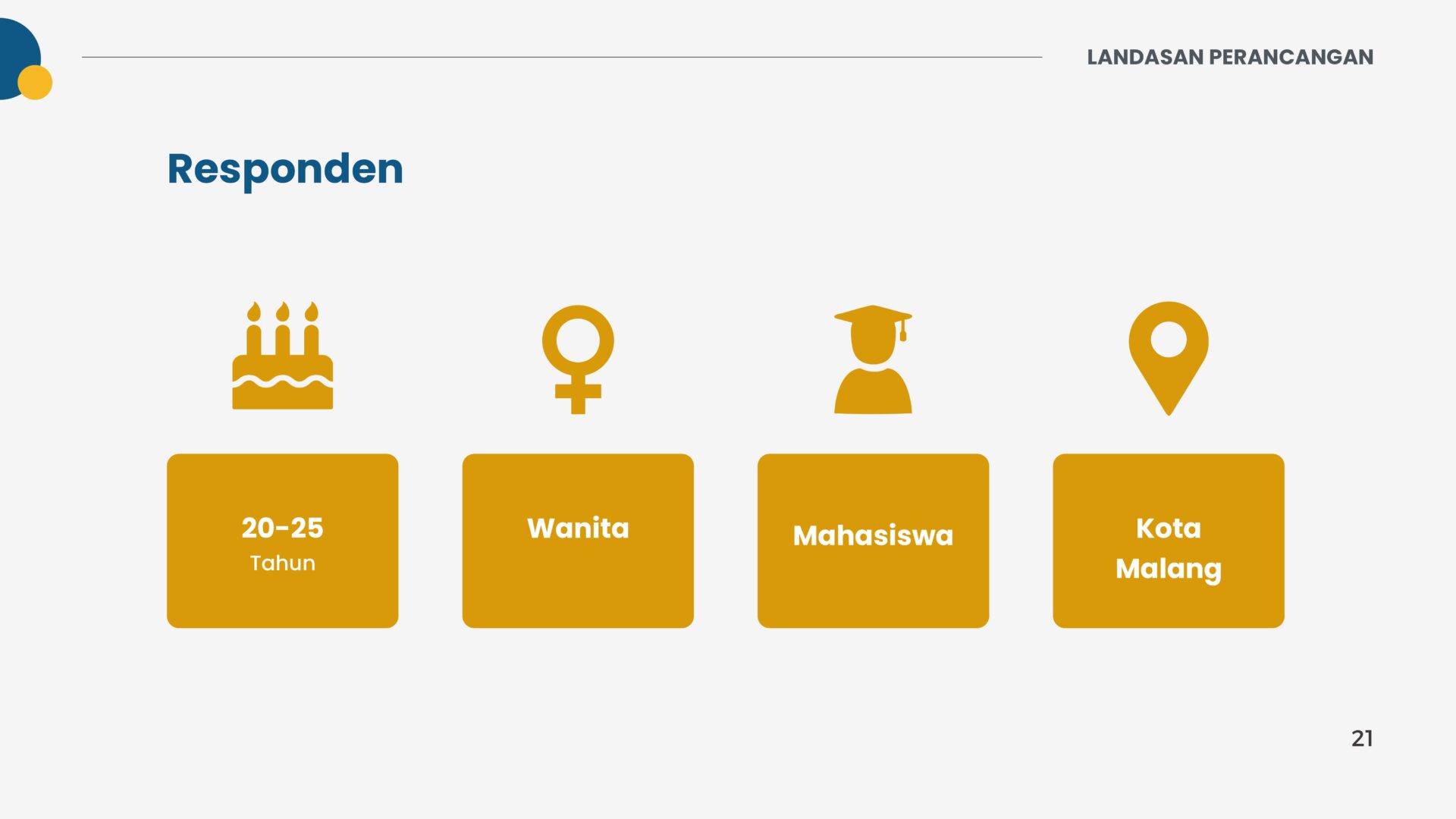
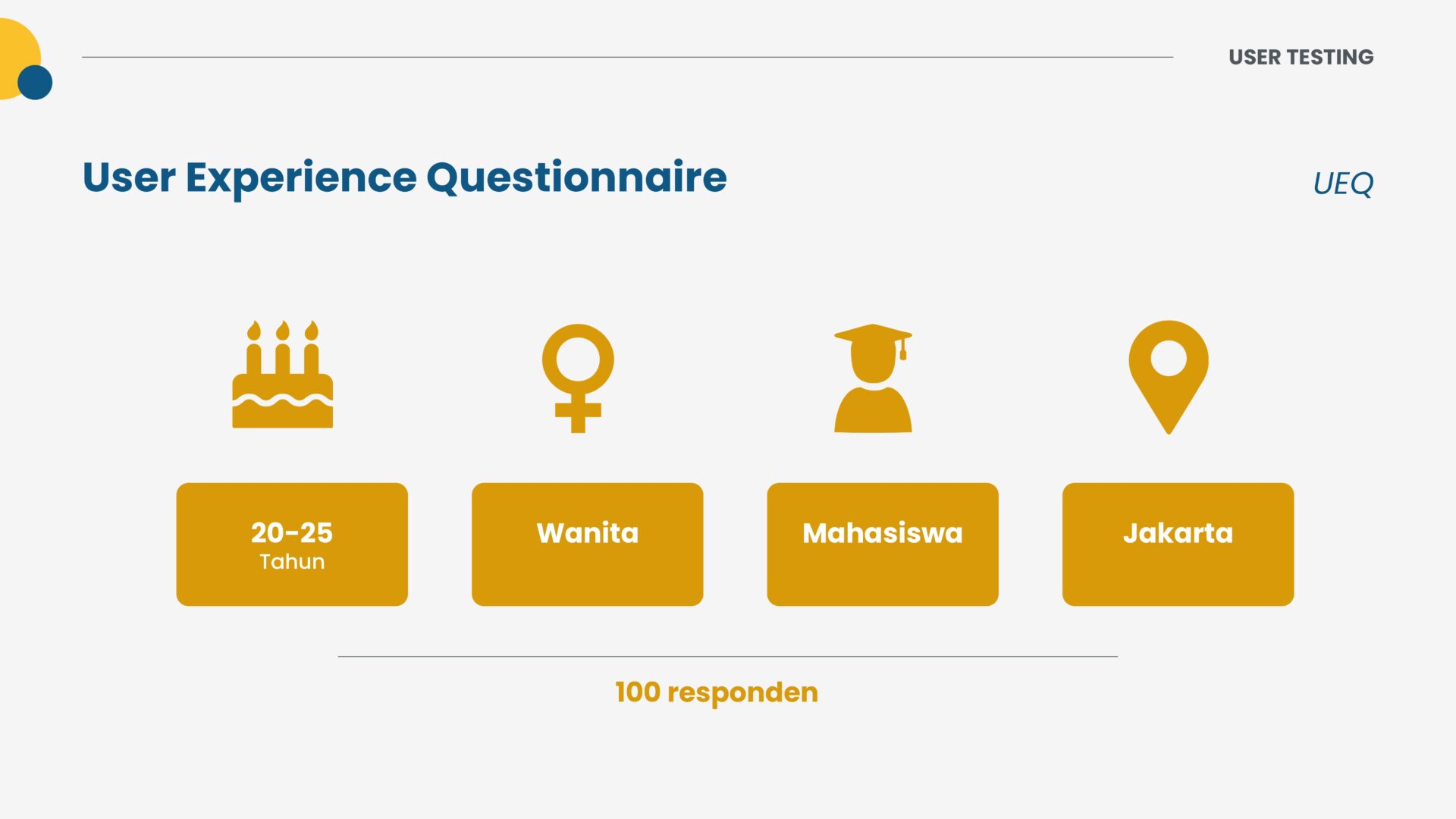
The questionnaire was distributed for four days, starting from March 9–12, 2024, with a total of 70 respondents. Respondent data results were dominated by students, female respondents, respondents aged 20–25 years, and respondents that live in Malang City. This questionnaire contains 20 questions that are divided into three topics. The first topic is about the Batu City Tourism Department website, tourism as a second topic, and the website as the last topic. This questionnaire uses the Aida Form platform to provide a new user experience due to its unique and interactive UI/UX design.
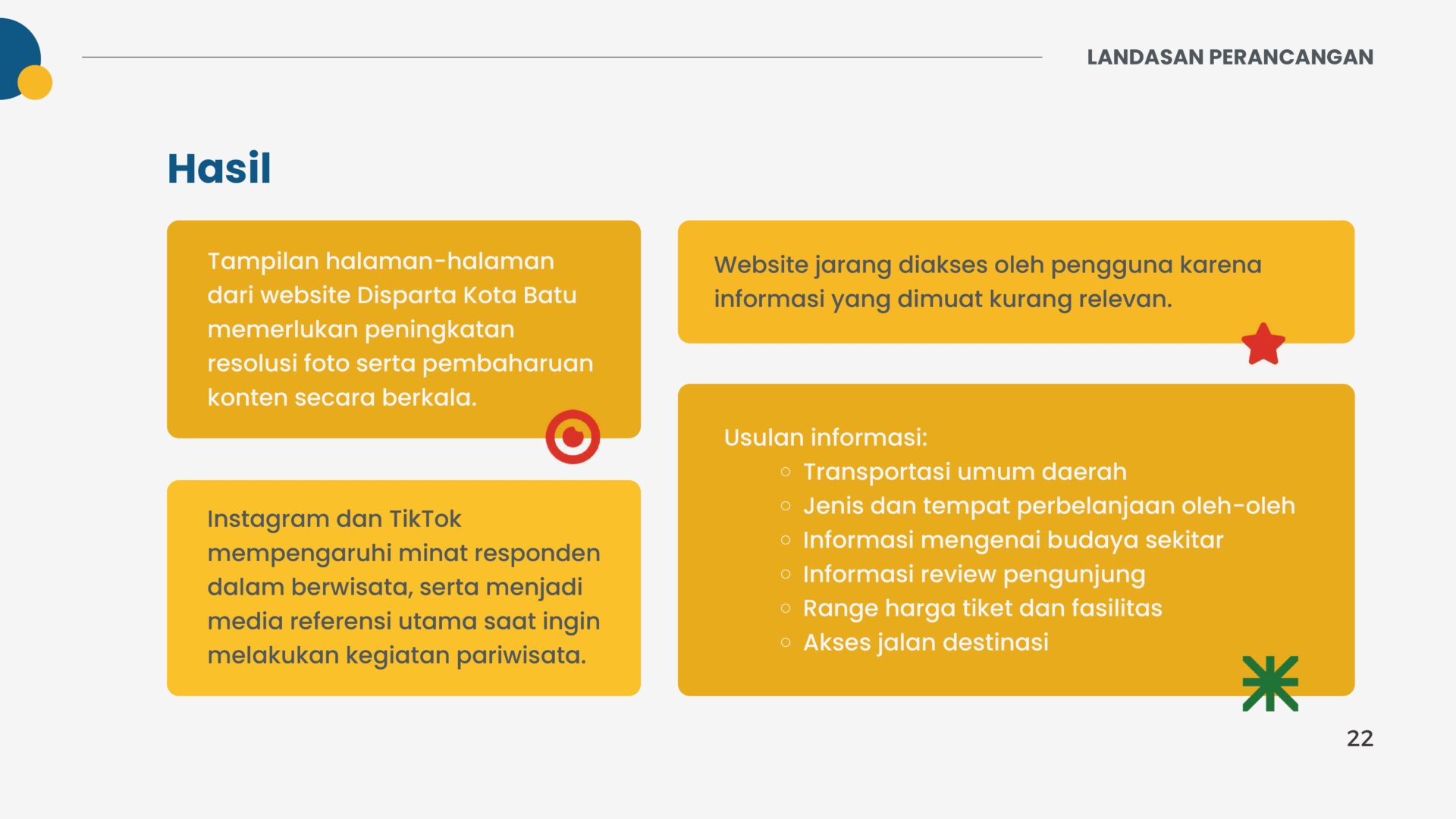
The results from the first topic showed that most respondents felt that the user interface of the Batu City Tourism Department website still needed improvements in quality and updating on some pages. The information needs to be improved, along with the layout and content of the website. Respondents struggled to access the site because of the lack of resolution of the photos loaded and the content that was not updated periodically.
Results from the second topic show that most respondents are very interested in tourism activities. Digital media such as Instagram and TikTok can influence respondent interests and become the main reference for respondents in travel due to easy access, relevancy, and up-to-date social media content. Unfortunately, the website has shifted with the presence of social media because the information loaded on the website is less relevant to the actual destination due to the lack of frequency of content updates.
Results from the third topic show the role of respondents in providing innovation to this design. Respondents suggested that there is some additional information on the website, such as public transportation in the area, the type and location by-by, and information about the surrounding culture. Respondents also wanted some details of the destination information, like visitors’ reviews, entry price range, facilities, and road access to the destination. The results also showed the level of satisfaction of respondents when this study added the reaction on review and point-of-view features that link respondents to top social media, namely Instagram and TikTok, for more accurate information than previous visitors.