

Shaping the Future of Design: Balancing Art and Technology
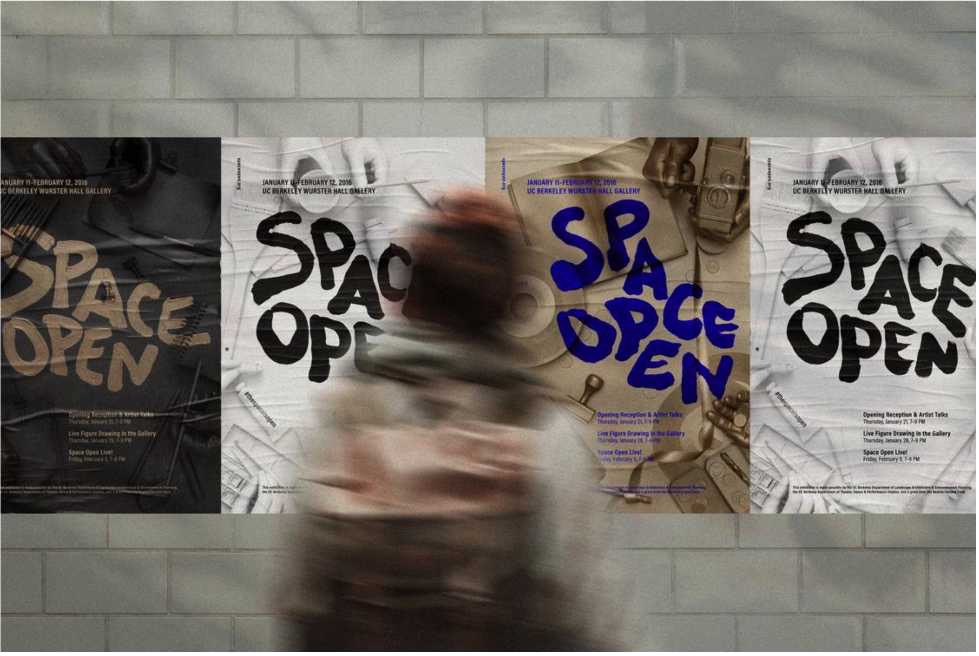
In recent years, the digital revolution is evolving at a rapid pace. This revolutionary change has affected not only graphic design, but also the entire industry in general. In the past, creating printed items such as posters or magazine layouts needed plenty of work and collaboration, but now a single professional can handle the entire process. Designers may now handle typography, layout, and even file preparation for printing all within one software tool, compared to just setting up a design in the past. Photoshop and Illustrator have drastically changed the environment, making design faster, easier to use, and, in many cases, more accessible.
The internet has significantly increased creative opportunities, shifting design from physical products to a digital world of screens, websites, apps, and social media. This shift has altered how images are displayed, from fixed layouts to flexible designs that can easily fit different screen sizes and devices. Instead of being restricted to particular formats, designers can now produce streamlined, flexible visuals that improve user experiences on a variety of platforms. Design trends have also been accelerated by the growth of social media. The industry has changed significantly as a result of styles that once took years to become popular going viral in a matter of hours or even minutes. While this rapid change presents exciting opportunities for creativity, it also poses challenges, such as the growing impact of artificial intelligence in design.
Artificial intelligence is constantly changing the creative process, with tools like Midjourney and Adobe Firefly offering quick design generation. Designers can now create logo ideas, promotional images, and various visual elements in seconds, speeding up processes that used to require lots of brainstorming and revision. Al can imitate design trends and styles, but it does not truly understand artistic purpose. It doesn’t understand why bold typography conveys strength, why gentle color schemes evoke memories, or why simple designs appear elegant. Human designers excel in this area because they apply their instincts, feelings, and cultural knowledge to their work. Al will not take the place of designers, rather, it will serve as a powerful tool to boost creativity. By handling repetitive tasks, artificial intelligence allows designers to focus on storytelling, problem-solving, and creative ideas, ensuring that technology supports rather than overshadows human creativity.

Instagram Post Design by @al 3riddinginkdesign
The shift to digital design is just the start of a larger change, leading to progress in virtual reality, augmented reality, and personalized branding. Virtual and augmented reality create engaging experiences that draw users into lively and interactive environments. At the same time, smart branding adapts based on user interactions, customizing visuals and messages to connect with different audiences. Although technology keeps evolving, the basic principles of design remain the same. Great design will always require human input, whether it is created using hand-drawn sketches or digital tools. Design historians David Raizman and Philip Meggs point out that, while tools change, creativity remains timeless. The essence of design is based on ideas, not the materials used to express them. As new technologies emerge, designers who can successfully combine technology and creative vision will shape the industry’s future.
Every new technology brings both problems and chances, encouraging designers to grow while keeping their artistic essence. It is not the software or tools that create powerful designs, but the ability to make visuals that resonate with people emotionally and intellectually. This basic truth has been true since the earliest forms of art, from ancient cave drawings to modem digital works, and it will stay true no matter how technology changes. The most powerful designs come when human creativity mixes with new technology. Instead of replacing art, digital tools improve the designer’s ability to express meaningful ideas. Designers who accept this partnership will keep pushing the limits of the industry, making sure that creativity stays at the heart of every design.
On the brink of another change, the future of design is uncertain but positive. The digital revolution has significantly altered how designers create, and new technology advancements will keep transforming the field. However, one thing will remain true: great design is not determined by tools, trends, or technical improvements, but by the power of ideas. Regardless of how quickly technology advances, creativity will continue to be the main source of new ideas, ensuring that design remains a vital way to share stories, solve problems, and enhance visual appeal in the world. As designers adapt to this shifting landscape, their ability to combine technology with human understanding will shape the next phase of design, proving that while tools may change, the essence of creativity remains the same.
Source:
https://www.britannica.com/art/graphic-design/The-digital-revolution
https://witflair.com/the-future-of-graphic-design-in-the-digital-age/