

Mastering Depth of Field: One of the Key Technique in Photography
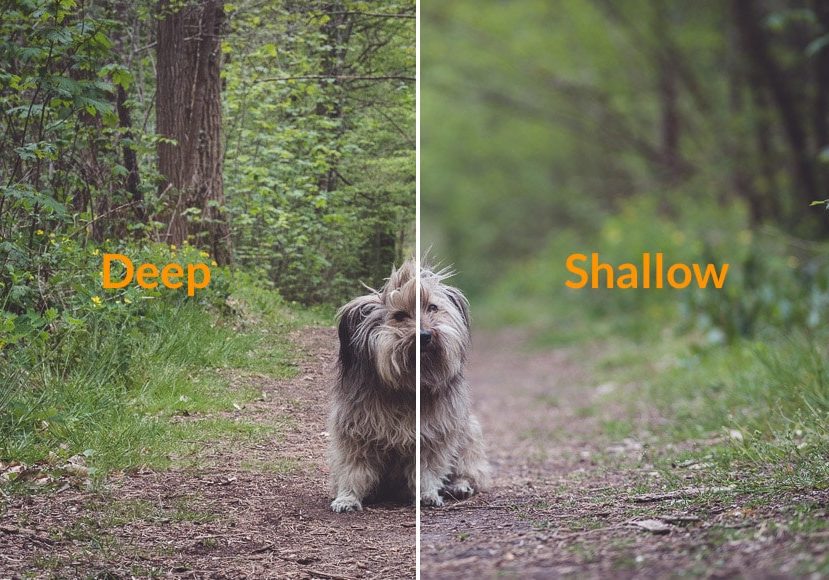
For those who are passionate about photography, Depth of Field is undoubtedly a skill they have mastered. Depth of Field is one of the essential techniques in photography that enhances the mood captured in a photo. So, what exactly is Depth of Field? Why is it important for photographers to master this technique?
A. What is Depth of Field?
Depth of Field (DOF) refers to the range of distances, both the closest and farthest from the camera, where objects in a photo appear sharp and in focus. It plays a crucial role in determining which parts of the image are clear and which are blurred. The concept of DOF is essential for photographers, as it allows them to control how much of the scene remains sharp, and which elements are intentionally softened or blurred. DOF works in a similar way to how our eyes function. When we try to focus our vision on a specific object, the background of that object will appear blurred if the object is moved around. This is because our eyes, like the camera, have a limited focus range. When we focus on something close, the things further away become blurry.
B. Types of Depth of Field
There are two types of Depth of Field (DOF) commonly used by photographers: Shallow Depth of Field and Deep Depth of Field. The difference between them is clearly visible in the resulting photos. With Shallow DOF, the photo focuses on a prioritized object, making only that object appear sharp, while the background appears more blurred. This type of DOF is often used in product photography or portrait photography, where the main goal is to highlight the object. In contrast, Deep DOF produces an evenly sharp photo, where every element in the image remains in focus. This type of DOF is commonly used in landscape and nature photography, where clarity of every corner of the scene is essential.
Photographers need to pay attention carefully when making the decision to choose between using Shallow DOF or Deep DOF, because selecting an inappropriate technique for the desired object can often reduce the aesthetic value and emotional impact of the photo itself. For instance, when focusing too much on the technique, especially with Shallow DOF, the result of the photo may lack balance and fail to clearly highlight the intended subject. Similarly, when utilizing Deep DOF for landscape or nature photography, attention to detail is crucial. Incorrect settings can result in an image that unintentionally mimics a semi-Shallow DOF, or certain parts of the photo may not appear sharp and clear. This can reduce the beauty and intricate the details of the scenery, also reducing the satisfaction of viewers who seek a chance to appreciate the majesty of nature through the captured image. Ensuring the correct application of these techniques is vital to convey the intended message and maintain the aesthetic integrity of the photograph.
C. Factors that Affects the Result of Depth of Field
- Aperture
The smaller the aperture number you use, the more blurred (bokeh) the background of your photo will be. Conversely, using a larger aperture number results in sharper and more evenly focused photos. This adjustment is key to controlling Depth of Field and achieving the desired artistic effect.
- Object Placement
Similar to how human eyes function, a camera lens works in the same way. The closer an object is to the camera, the shallower the Depth of Field becomes. However, creating a good Shallow DOF photo requires more than just positioning the object near the lens. When using a camera with a zoom or longer focus length, the subject will appear closer, and the background will naturally become more blurred, enhancing the bokeh effect.
- The use of Telephoto Lenses
The right choice of lens makes it easier for photographers to capture images with either Shallow DOF or Deep DOF. Telephoto lenses, in particular, are highly effective for creating Shallow DOF. These lenses allow photographers to isolate the subject, naturally producing a blurred background and foreground around the focused object. This effect adds depth and draws attention to the subject, making telephoto lenses an excellent choice for portrait and detail-oriented photography.
D. How Should We Utilize the Technique?
The Depth of Field (DOF) technique is undoubtedly one of the essential skills photographers must master to create images that feel dynamic and dimensional. This powerful technique helps photographers determine focus points while enhancing the visual appeal of their photos. As previously explained, photographers should carefully analyze the type of object they want to capture, the purpose of the photo, and the atmosphere they wish to convey. Achieving optimal results with DOF involves paying attention to several factors, such as aperture settings, camera angle, the distance between the object and the lens, and the type of lens being used. Incorporating additional techniques like layering and dimensional elements can further enhance the beauty and mood of the photograph. Therefore, it is crucial for photographers to develop a sense of artistry in combining and utilizing these supporting elements alongside the DOF technique. This not only improves the aesthetic quality of their work but also allows them to better communicate the intended story or emotion through their photographs.
References:
FXhome. (2022, July 5). What is depth of field, how does it work & how to use it? https://fxhome.com/blog/what-is-depth-of-field#:~:text=Depth%20of%20field%20is%20 the,elements%20in%20the%20foreground%20too.
Snapshot. (2024, March 14). Dasar-dasar Kamera #19: Depth of Field. SNAPSHOT – Canon Singapore Pte. Ltd.
https://snapshot.canon-asia.com/id/article/indo/camera-basics-19-depth-of-field
Apa Itu Depth of Field Dan Apa Pentingnya Di Dunia Fotografi? Simak Ulasannya | DOSS Camera & Gadget. (n.d.).
https://www.doss.co.id/news/apa-itu-depth-of-field-dan-apa-pentingnya-di-dunia-fotograf i-simak-ulasannya?amp=1&srsltid=AfmBOopZuxNH4JpI0C1pMzR2ve9Wm9wNDXeV 8Xb3vTPxWjL3NgXlyrbt
Dhiazwanti, O. T. (2021, April 28). Isolated the Subject, for Better Message – Redaksiana.
Redaksiana.
https://redaksi.pens.ac.id/2021/04/28/isolated-the-subject-for-better-message/