







The regulations regarding compensation are outlined in the employee guidelines, which are developed in reference to Law No. 13 of 2003 concerning Manpower (State Gazette of the Republic of Indonesia Year 2003 Number 39; Supplement to the State Gazette of the Republic of Indonesia Number 4279). These guidelines are further detailed in the Employee Handbook, particularly in Article 14 on Wage Policy, which states:
1. The institution sets the wage system according to the job value and BINUSIAN grade.
2. The amount of wage is determined based on job position, performance, skills, proficiency, and other factors, which are then reflected in the wage structure or scale, arranged according to the type of work and position.
3. Wage reviews for each employee are conducted annually, based on evaluations of work achievements, productivity, and competence, while considering the institution’s financial capacity.
4. Wage reviews can also occur due to job promotion, demotion, or other factors, which remain the prerogative right of the institution.
This is also part of BINUS’s commitment to supporting the Sustainable Development Goals (SDGs), as reflected in Rector’s Decree Number 136A, Part II (point i), which establishes that compensation is based on objective criteria such as position, contributions, performance, expertise, and competencies. This policy ensures that disparities based on gender, religion, ethnicity, age, disability status, or socioeconomic background are not tolerated.
To uphold this commitment, BINUS fosters openness in its compensation framework and encourages ongoing dialogue about pay equity. The university is proactive in identifying any potential inequities and taking corrective actions as needed.
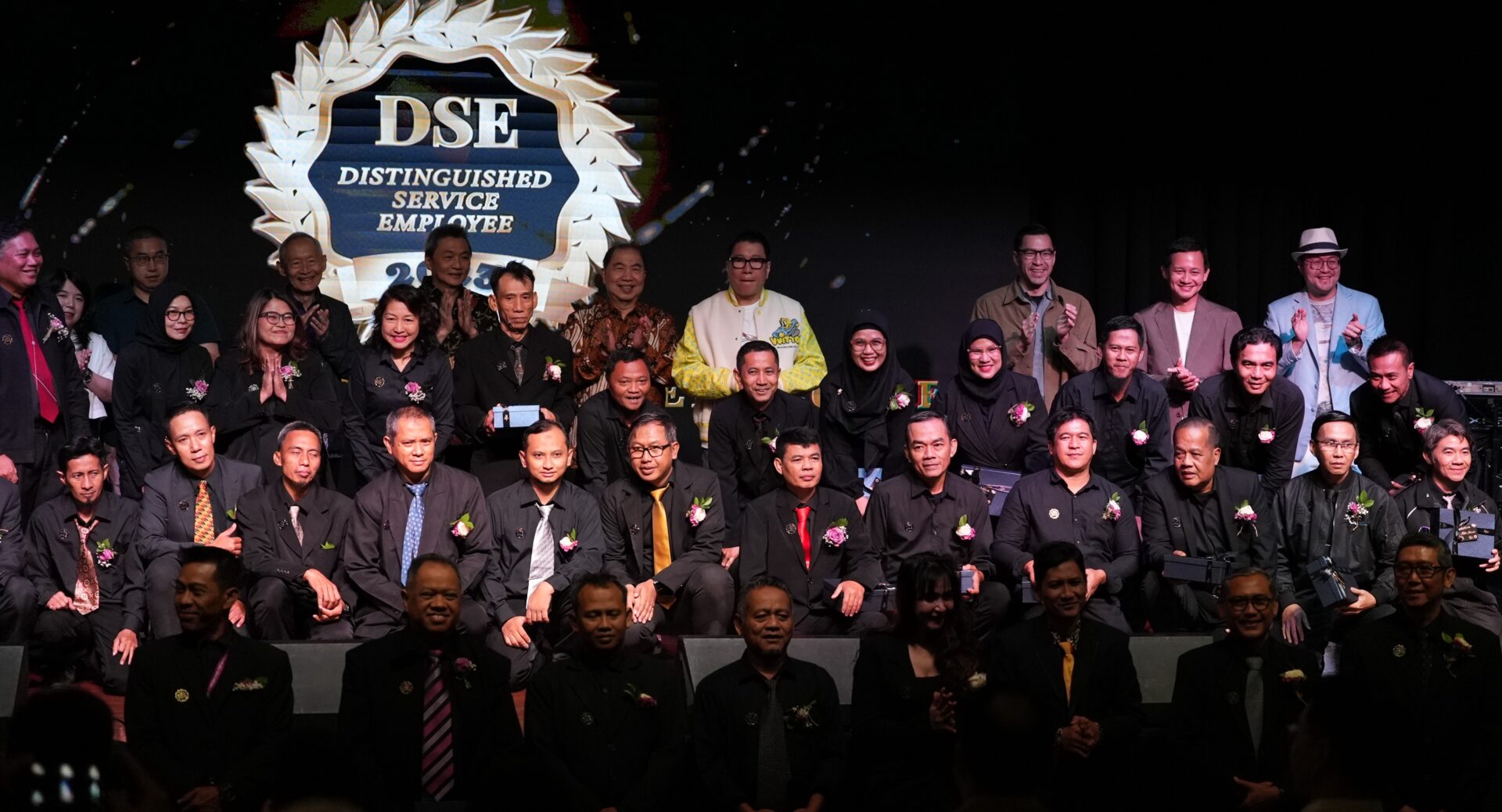
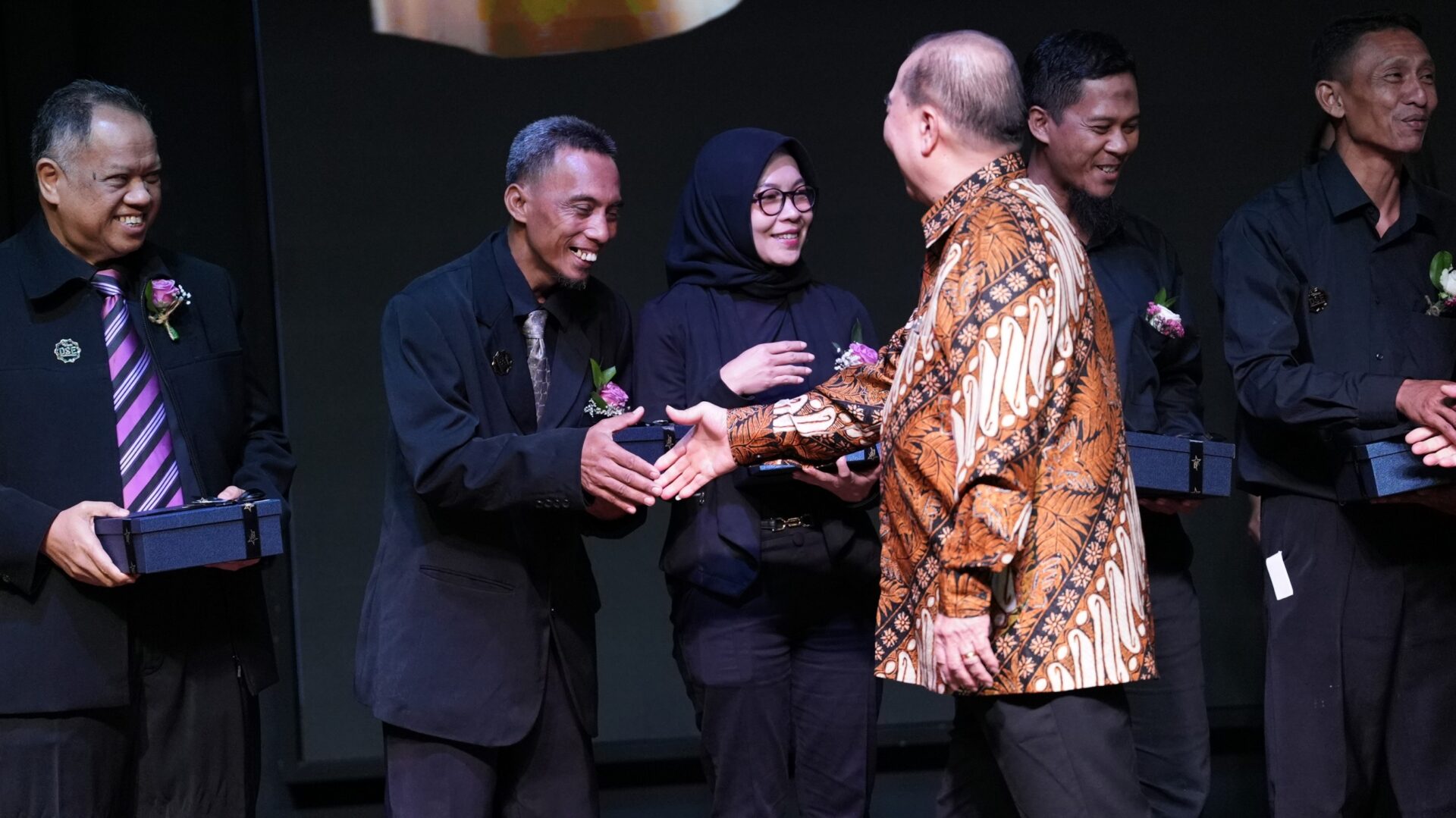
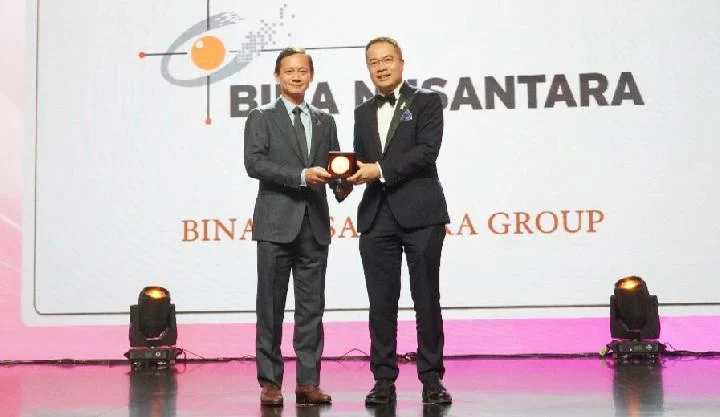
In recognition of its continuous efforts to promote employee well-being, BINUS University has been distinguished multiple times by HR Asia as one of the Best Companies to Work for in Asia and as a recipient of the Most Caring Company Award. These accolades underscore the university’s unwavering commitment to fostering a work environment that values respect, inclusivity, and personal growth.
The repeated recognitions serve as a testament to BINUS’s sustained commitment to people-centered policies that go beyond compliance with labor regulations. Employee welfare, professional development, and institutional empathy are deeply embedded within BINUS’s organizational philosophy, shaping its approach to human capital management across all campuses.
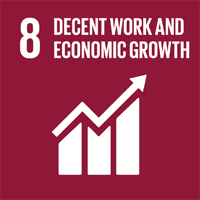
While these awards were granted in past years, they continue to reflect BINUS University’s enduring reputation as a caring and equitable workplace, where every faculty and staff member is valued, supported, and empowered to grow. This sustained commitment not only strengthens the university’s internal community but also exemplifies its broader contribution to advancing SDG 8: Decent Work and Economic Growth—ensuring that dignity, fairness, and opportunity remain at the heart of BINUS’s people-centered development.