


Waste tracking

BINUS University has implemented comprehensive waste management practices, with a focus on measuring waste generation and supporting recycling efforts, particularly at its Alam Sutera campus. A dedicated Building Management team monitors waste levels to support appropriate waste handling and recycling. According to BINUS University’s report, its organic waste management initiatives include producing nearly 200 kg of compost per month and processing 450 kg of organic waste into 1,500 liters of eco-enzyme during the reported period. These figures demonstrate the quantification of organic waste processed and the recovery of resources through sustainable waste management practices.
In addition to waste management, BINUS University has introduced water conservation programs, including encouraging responsible water use, maintaining plumbing systems, and treating wastewater for reuse in suitable applications, such as plant irrigation and toilet flushing. These initiatives aim to minimize the university’s environmental footprint while promoting sustainability in daily campus operations.
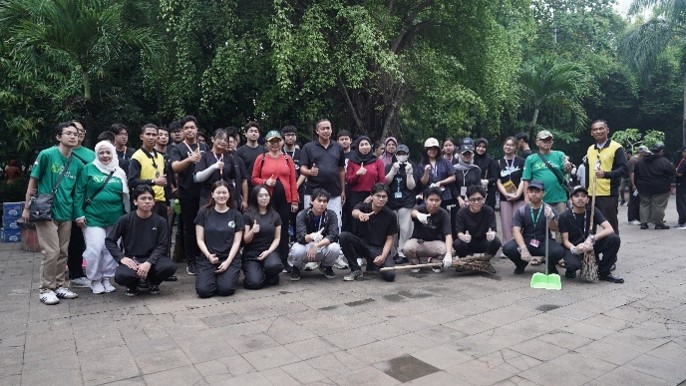
Furthermore, in September 2025, BINUS @Bekasi participated in World Cleanup Day, involving more than 100 students in a cleanup activity that collected approximately 300 kg of waste for sorting and further management. Although this figure represents waste collected during a specific cleanup event rather than the university’s total waste generation, it provides an additional example of quantitative waste collection and management.
Through waste monitoring, organic waste processing, recycling initiatives, and environmental campaigns, BINUS University demonstrates its commitment to responsible resource use and waste reduction. To establish the full extent of this commitment across the university, consolidated data on total waste generated, recycled, and sent to landfill across all campuses would further strengthen the evidence.