


Sustainable Practices Targets
BINUS University measures commuting patterns and sets sustainability targets to reduce the environmental impact of transportation. As part of its sustainability strategy, BINUS monitors vehicles entering campus and sets a 2.10% annual carbon-footprint reduction target for 2024 and 2025, while progressively promoting lower-emission mobility options.
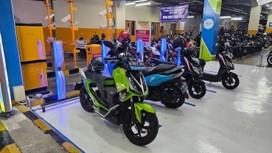
Monitoring Campus Vehicle Use
BINUS monitors the average number of motor vehicles entering campus as part of its transportation and emissions measurement. Between 2024 and 2025, the average number of vehicles recorded decreased:
| Vehicle Type | 2024 | 2025 | Change |
| Cars | 571/day | 476/day | ↓ 16.6% |
| Motorcycles | 647/day | 570/day | ↓ 11.9% |
| Total | 1,218/day | 1,046/day | ↓ 14.1% |
The reduction in recorded campus vehicle entries provides a measurable indicator of changes in campus mobility patterns and supports BINUS’s broader objective of reducing transportation-related emissions.
Promoting Lower-Emission Commuting
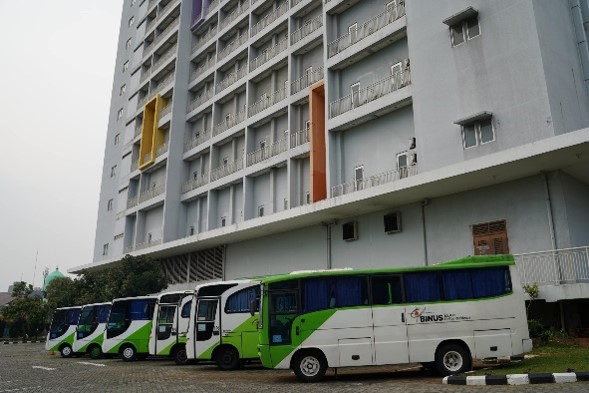
To support these targets, BINUS provides shuttle buses for students and employees, monitors shuttle users to determine appropriate capacity, and provides pedestrian infrastructure across its campuses. BINUS also promotes cycling through bicycle parking facilities and supports electric mobility through EV charging infrastructure.
At BINUS @Bandung, for example, the free shuttle service connects the Paskal and Dago campuses, providing an alternative to private vehicles for students, lecturers, and staff traveling between campuses.
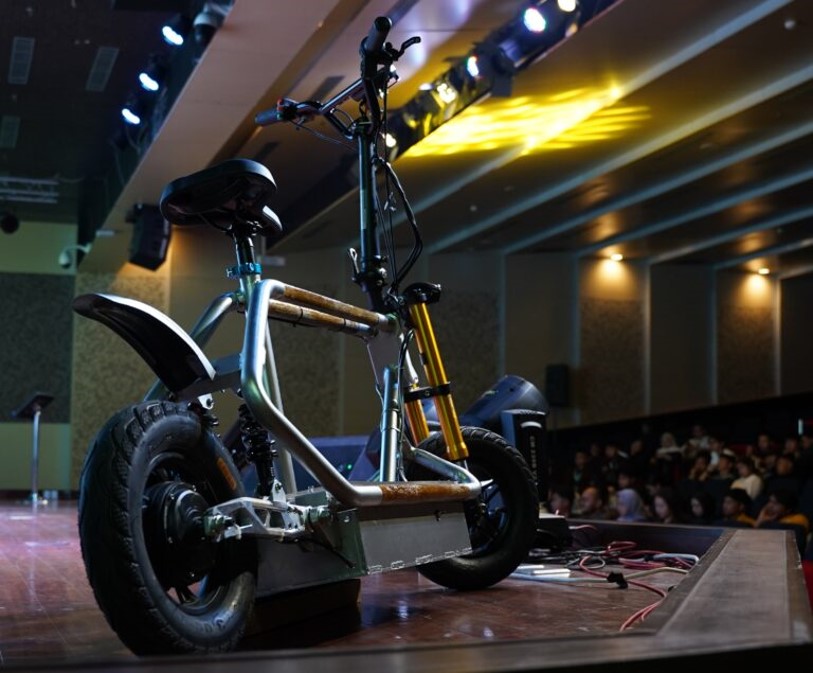
BINUS further supports the transition to electric mobility through initiatives such as SCOTERA, an electric vehicle developed by BINUS Industrial Engineering students as a sustainable urban mobility solution.
Through the combination of measured vehicle use, annual carbon-reduction targets, and alternative transportation initiatives, BINUS University demonstrates an institutional approach to measuring and progressively improving sustainable commuting across its campuses.