


Sustainable Practices Targets
BINUS University is committed to advancing sustainability through environmentally friendly and inclusive commuting initiatives. In line with its Sustainability Roadmap, Indonesia’s target of Net Zero Emissions by 2060, and the UN SDGs (11 and 13), the university measures commuting patterns and sets progressive targets to reduce private vehicle use and expand low-emission mobility options such as walking, cycling, shuttle buses, and electric vehicles.
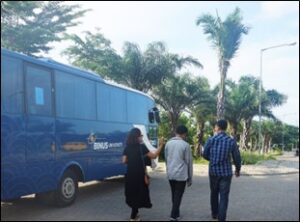
BINUS University provides shuttle bus for employees and students as an action to support sustainable commuting aspect from SDG. Total users of the shuttle is measured and counted to define which size of the bus that will be used for the transportation. Walking pavements are also provided as one of the mandatory facility in all BINUS University campus area.
One of the key initiatives is the provision of shuttle buses for employees and students. This service helps reduce the use of private vehicles and minimizes carbon emissions. The number of shuttle users is regularly monitored to determine the appropriate capacity and optimize routes, ensuring both efficiency and reduced environmental impact. In addition, pedestrian-friendly infrastructure, such as walking pavements and connecting bridges between buildings, is integrated into campus design to encourage walking as a primary mode of movement within campus areas.
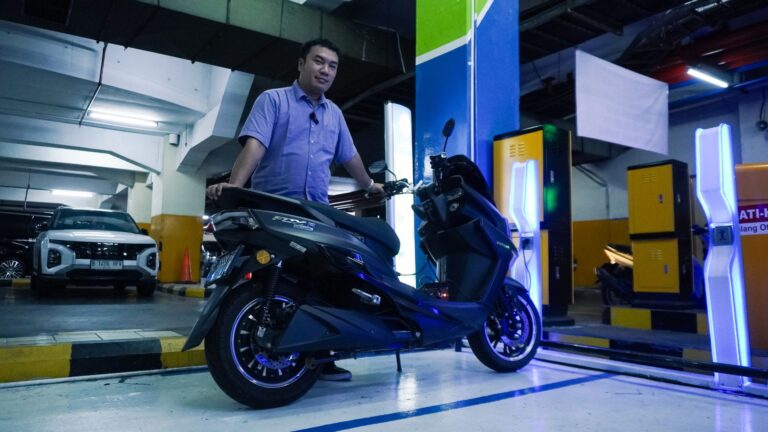
BINUS University has also taken significant steps toward supporting the adoption of electric vehicles (EVs) as part of its commitment to sustainable transportation. In December 2024, BINUS introduced a new charging station for electric vehicles at BINUS Anggrek Campus, providing facilities for both staff and students who use EVs. This initiative demonstrates the university’s proactive effort in reducing fossil fuel dependency and promoting cleaner mobility solutions.
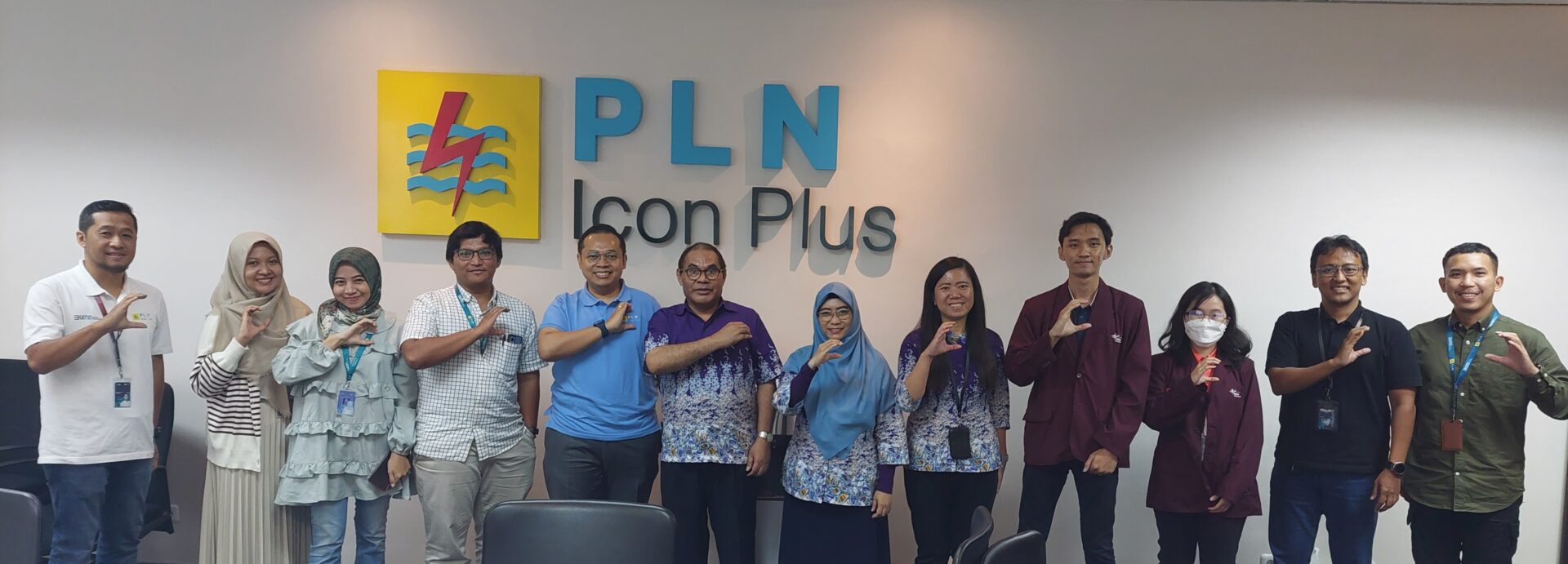
Further reinforcing this commitment, BINUS University has collaborated with PLN Icon Plus to conduct research on optimizing electric vehicle charging station (SPKLU) locations to accelerate EV adoption in Indonesia. This initiative not only supports sustainable transportation on campus but also contributes to national efforts toward achieving a greener mobility ecosystem.
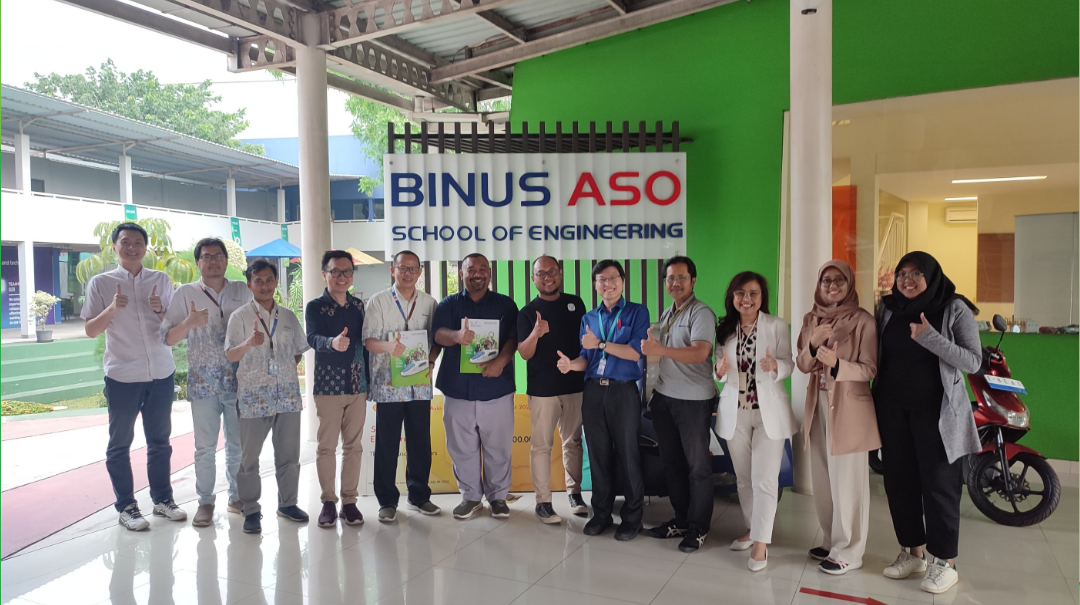
Additionally, through the BINUS ASO School of Engineering, the university signed a research collaboration agreement with PT Spora Cahaya Indonesia (Spora EV) in 2024 to enhance the development of electric vehicle technology in Indonesia. This partnership highlights BINUS’s dedication to research-driven innovation that supports the transition to low-emission transportation.
Through these efforts, BINUS aims to gradually decrease carbon emissions from transportation while increasing the proportion of green commuting modes such as shuttle use, walking, cycling, and electric mobility. These initiatives are integral to the university’s Sustainability Roadmap, supporting Indonesia’s pathway to Net Zero by 2060 and fostering a campus-wide culture of environmental responsibility.