



Sustainable Management of Land for Agriculture
BINUS University has implemented several educational programmes and outreach initiatives that support the sustainable management of land for agriculture. These initiatives combine community engagement, applied research, and technology development aimed at empowering local and national stakeholders.
Key examples include:
-
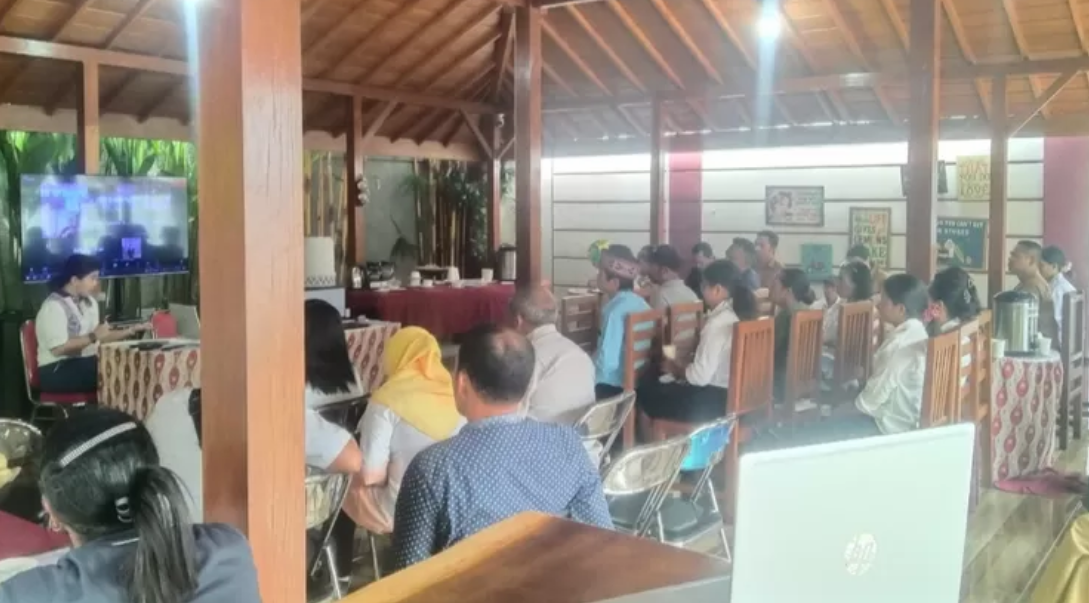
Community-Based Sustainable Agriculture in Labuan Bajo
BINUS collaborates with local farmers in East Nusa Tenggara to:-
Train communities in organic farming practices adapted to dry land conditions
-
Promote soil conservation, composting, and chemical-free cultivation
-
Integrate sustainable agriculture with agrotourism to preserve land while supporting rural economies
This programme includes direct outreach, workshops, and ongoing support for farmers.
-
-
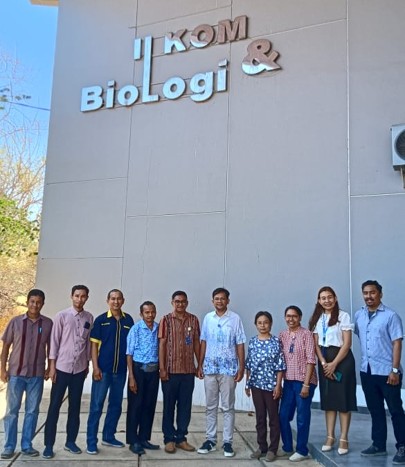
Dry Land Agricultural Research with Universitas Nusa Cendana
BINUS conducts joint research and community engagement focused on:-
Mapping dry land vegetation and soil characteristics
-
Using AI to support long-term agricultural planning in semi-arid regions
-
Sharing findings and strategies with local farming communities in Eastern Indonesia
This supports sustainable farming in ecologically vulnerable landscapes.
-
-
Innovation in Oil Palm Agriculture
BINUS develops tools that can be adopted by plantation workers and smallholders, such as:-
A mobile application to detect oil palm fruit ripeness using smartphone video, improving harvest timing and land productivity
-
A business intelligence system to analyze plantation logistics and reduce inefficiencies in land use
These technologies are designed for real-world use and potential community outreach.
-
-
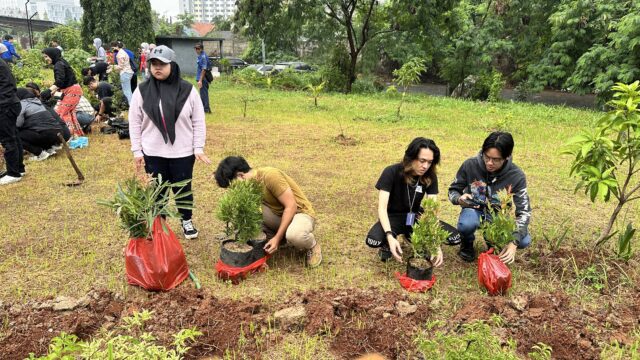
Environmental Education and Land Stewardship on Campus
BINUS also leads tree-planting campaigns and soil restoration awareness events for students and nearby communities to:-
Promote urban green space as part of sustainable land use
-
Encourage care for land and ecosystems beyond agricultural zones
-
Through direct community training, collaborative field research, and the development of agricultural technologies, BINUS University contributes meaningfully in 2024 to the sustainable management of land for agriculture—especially in dry land regions and plantation sectors.