


Policy on hazardous waste disposal
BINUS University is committed to responsible waste management and environmental protection through institutional policies and sustainable operational practices. The university’s environmental commitment is guided by Rector’s Decree No. 0136A (Part II, Points P, S, and T), which provides a framework for waste management, resource efficiency, and the prevention of environmental pollution. These principles support the responsible handling of waste generated through university activities, helping minimize potential impacts on water, air, soil, ecosystems, and human health.
A key component of this commitment is the management of hazardous waste and materials. Through Rector’s Circular Letter No. 1660A/REK/IX/2023, titled “Pengelolaan Sampah dan Limbah Berbahaya,” BINUS University establishes institutional guidance for managing waste and hazardous materials. This approach emphasizes the importance of separating hazardous waste from general waste and ensuring that hazardous materials are handled through appropriate procedures in accordance with applicable environmental regulations. Where required, hazardous waste should be managed by authorized waste management providers to ensure safe collection, transportation, treatment, and disposal.
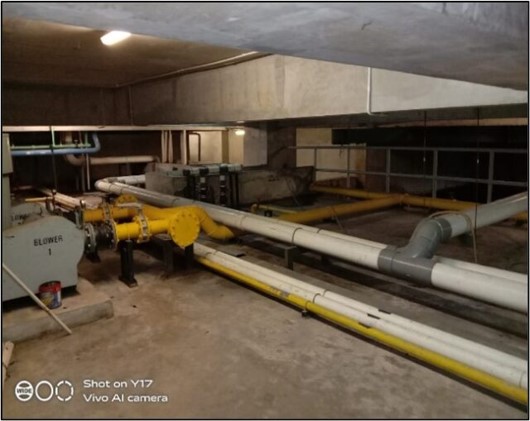
In addition to its hazardous waste management framework, BINUS University implements resource conservation practices that support its broader environmental sustainability objectives. One example is the wastewater recycling program, which involves treating and reusing wastewater for suitable non-potable purposes, such as landscape irrigation. This practice helps reduce freshwater consumption and supports more responsible water and waste management.
These institutional commitments are complemented by practical waste reduction and recycling initiatives. As reported in BINUS University’s Waste Management Practices Earn National Recognition, the university implements waste management practices that include organic waste processing into compost, eco-enzyme production, and plastic waste collection for recycling through PlasticPay. These initiatives demonstrate how waste generated through university activities can be diverted toward reuse and resource recovery, supporting a more circular approach to waste management.
Through the integration of institutional policies, operational waste management measures, and practical recycling initiatives, BINUS University demonstrates its commitment to reducing environmental impacts and promoting responsible waste handling across its operations.