



Participatory Bodies for Stakeholder Engagement
BINUS University ensures that local stakeholders—including industry representatives, local government, civil society, and partner institutions—have a meaningful mechanism to participate in university decision-making. This involvement is formalized through advisory boards, partnership programs, and collaborative forums that directly influence BINUS’s academic direction, research focus, and community initiatives.
The BINUS Advisory Board serves as a strategic governance platform that brings together representatives from industry, government agencies, academia, and professional associations. Each school and faculty—such as the BINUS Business School, School of Computer Science, and School of Civil Engineering—has its own Advisory Board responsible for providing guidance on academic relevance, curriculum design, graduate employability, and institutional reputation.
Through these advisory structures, BINUS institutionalizes stakeholder input into formal decision-making processes, ensuring that external perspectives are systematically integrated into academic and operational governance.
- Curriculum Development and Program Design Feedback
Local stakeholders play a crucial role in shaping academic programs through active participation in curriculum co-design. BINUS regularly invites industry professionals, policymakers, and academic experts to share insights during curriculum development discussions. For example, when designing the Master’s Program in Industrial Engineering, stakeholders emphasized the inclusion of system thinking frameworks, smart manufacturing, and sustainability-focused design. This collaborative approach ensures that graduates are equipped with competencies that meet both national and global industry demands. - BINUS Industry Partnership Program (BIPP)
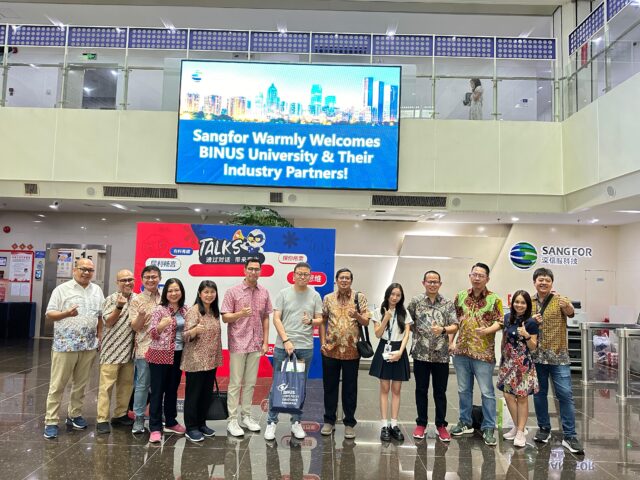
The BINUS Industry Partnership Program (BIPP) provides a structured platform for collaboration between BINUS University and local as well as international companies. This initiative aims to strengthen the relationship between academia and industry through joint discussions, curriculum alignment, and internship programs. During the BIPP Strategic Meeting 2024 in China and Hong Kong, stakeholders shared insights on digital transformation, workforce readiness, and innovative practices, which were later integrated into BINUS’s educational strategies. The program exemplifies BINUS’s commitment to fostering mutually beneficial partnerships that ensure graduates are industry-ready and capable of meeting future labor market challenges. - Multi-Sector Collaboration through BINUS Indo-Pacific Forum
BINUS University also functions as a neutral platform for dialogue among multiple stakeholders, exemplified by the BINUS Indo-Pacific Forum (2024). Under the Kuta Pledge Initiative, this event brought together local government representatives, civil society organizations, academics, and private sector leaders to collaborate on sustainability and policy innovation.
 The forum highlights BINUS’s role in facilitating open and constructive discussions that contribute to shaping inclusive strategies for regional and national development.
 - Local and International Academic Partnerships
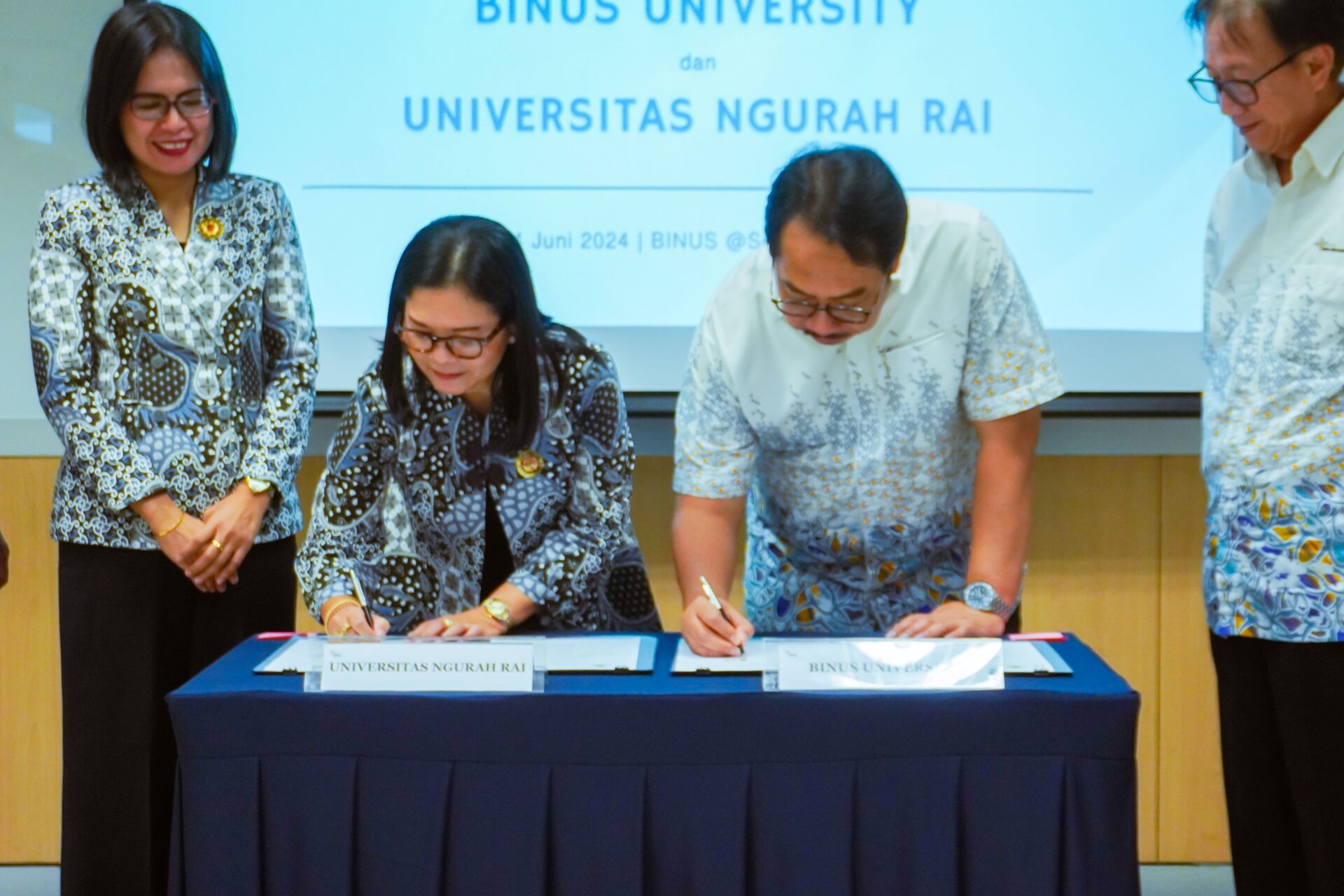
Beyond industry and policy partnerships, BINUS actively involves local educational institutions and communities in shared decision-making. The collaboration with Universitas Ngurah Rai (Bali) reflects BINUS’s approach to co-developing research and academic initiatives. These partnerships focus on local engagement, joint capacity building, and knowledge exchange that directly benefit local residents and institutions. - Research and Policy Collaboration
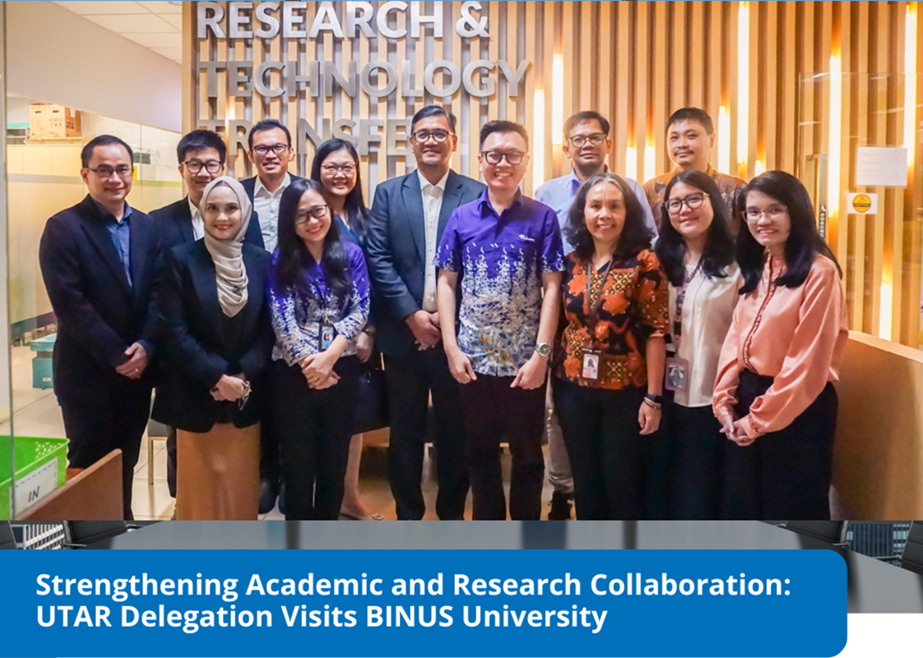
Through the Research and Technology Transfer Office (RTTO), BINUS engages with government agencies, NGOs, and civil society groups in conducting policy-relevant research. Collaborative studies address key social and economic issues such as sustainability, innovation, and urban development. This process ensures that external stakeholders contribute meaningfully to shaping BINUS’s research agenda and strategic priorities.