


Maintain and extend current ecosystems’ biodiversity
BINUS University actively supports ecosystem conservation and biodiversity protection through initiatives that help maintain and restore natural habitats, particularly mangrove ecosystems. These efforts involve students, volunteers, and local communities in practical activities to protect coastal environments and the biodiversity they support.
- Global Citizenship in Action: Tackling Coastal Waste
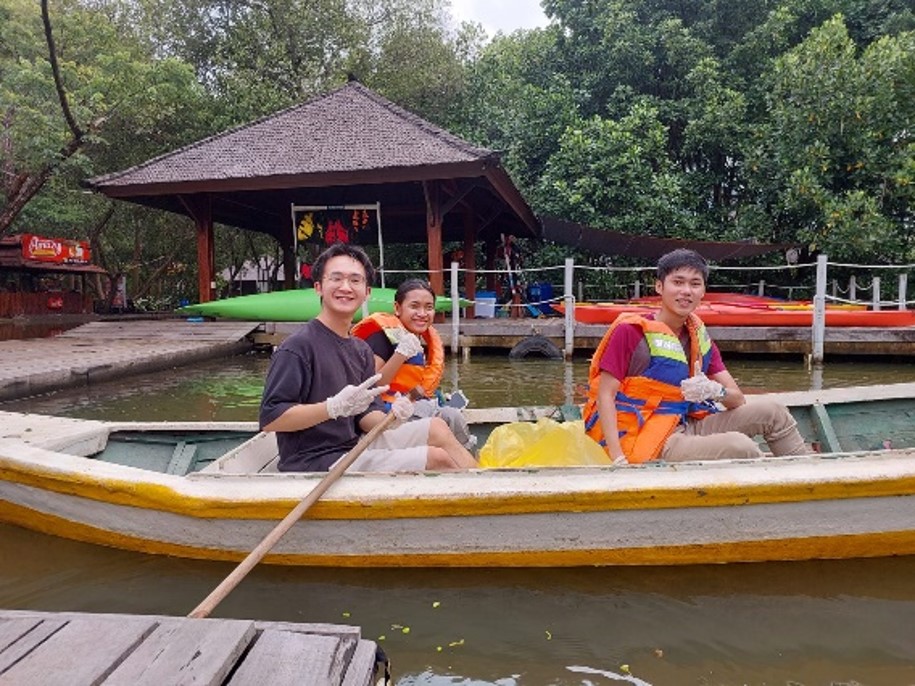
In January 2025, BINUS University organized a coastal clean-up activity at Taman Wisata Alam Mangrove, Pantai Indah Kapuk. The initiative engaged students and volunteers in removing waste from mangrove habitats, helping maintain environmental quality and protect ecosystems that support diverse plant and animal species.
- HIMA Green 2025 — Mangrove Planting
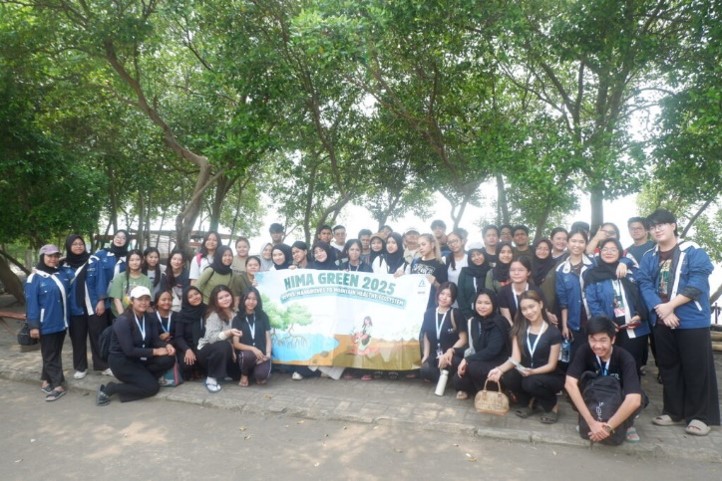
In July 2025, students participated in HIMA Green 2025, a mangrove-planting initiative at Pantai KSS, Tangerang, under the theme “Revive Mangroves to Maintain Healthy Ecosystem.” The activity highlighted the ecological importance of mangroves as coastal habitats and their role in supporting biodiversity and protecting shorelines. Through direct planting activities, participants contributed to local mangrove conservation efforts and promoted greater awareness of ecosystem protection.
- Planting 1,000 Mangroves — Satu Akar, Seribu Manfaat
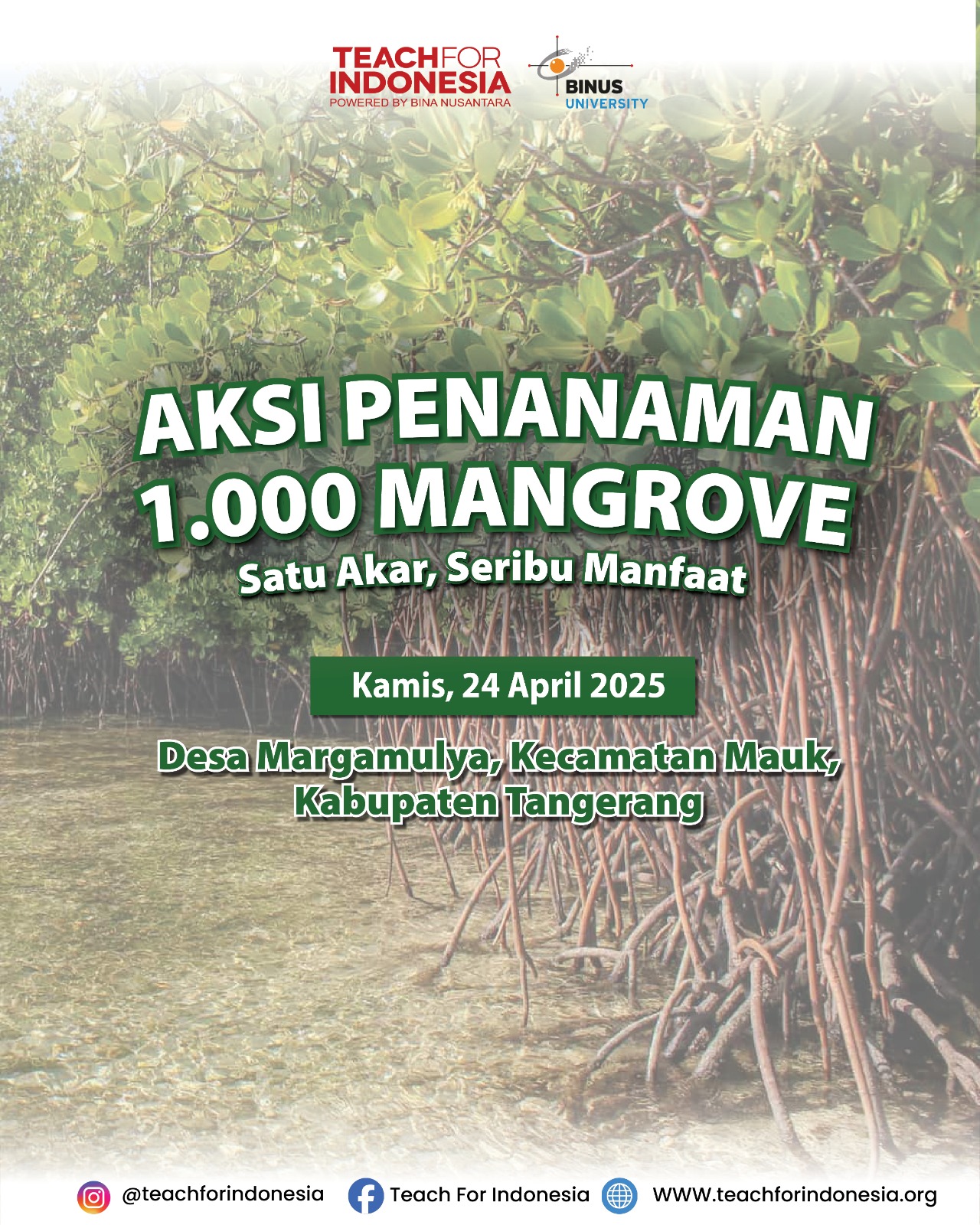
On 24 April 2025, BINUS University’s Teach For Indonesia and Student Support Office supported the initiative “Aksi Penanaman 1.000 Mangrove — Satu Akar, Seribu Manfaat” in Desa Margamulya, Kecamatan Mauk, Tangerang. The activity set a target of planting 1,000 mangrove trees, emphasizing the importance of restoring and maintaining coastal vegetation. Mangrove planting can help strengthen coastal ecosystems, provide habitat for wildlife, and support the long-term resilience of coastal environments. The stated planting target demonstrates the scale of the initiative, while evidence of the number of trees actually planted and their survival would further establish its conservation outcomes.
- Plogging in the TWA Mangrove Area
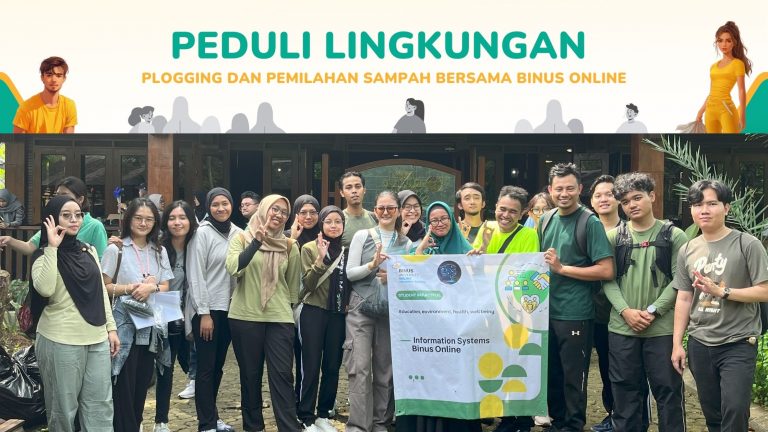
In June 2025, BINUS Online students participated in a plogging activity at Taman Wisata Alam Angke Kapuk, combining physical activity with waste collection in the mangrove area. By removing litter from the surrounding environment, participants helped maintain the cleanliness of a habitat that supports coastal biodiversity. The initiative also encouraged students to recognize the importance of responsible waste management in reducing human pressures on sensitive ecosystems.
5. Maintaining Aquatic Ecosystems and Biodiversity
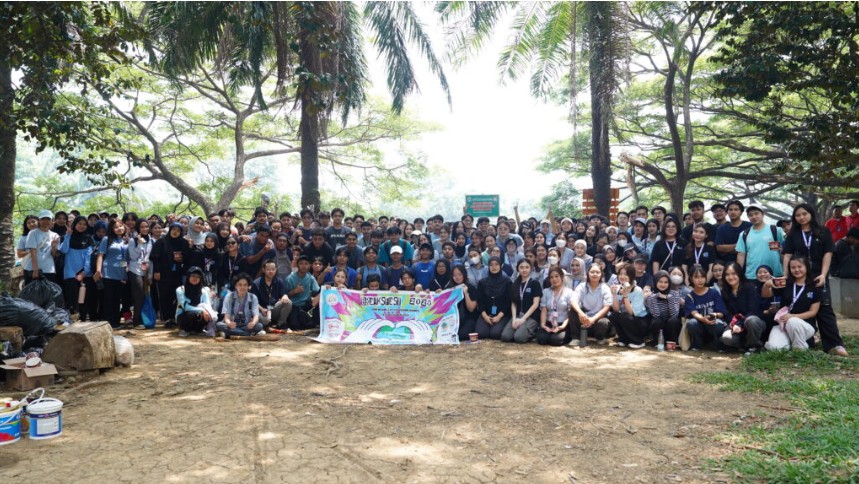
In October 2025, BINUS University @Bekasi organized an environmental initiative at Danau Duta Harapan as part of Breaksfest 2025, combining lake clean-up activities with fish release. The clean-up aimed to maintain environmental quality, while the fish-release activity symbolized the university community’s commitment to preserving the lake ecosystem.
Together, these activities reflect BINUS University’s efforts to maintain aquatic habitats and support biodiversity. By removing waste and promoting care for aquatic life, the initiative contributes to environmental stewardship and supports SDG 15.2.3, Maintain and Extend Current Ecosystems’ Biodiversity.
6. Greener Day 2025: Tree Planting Initiative
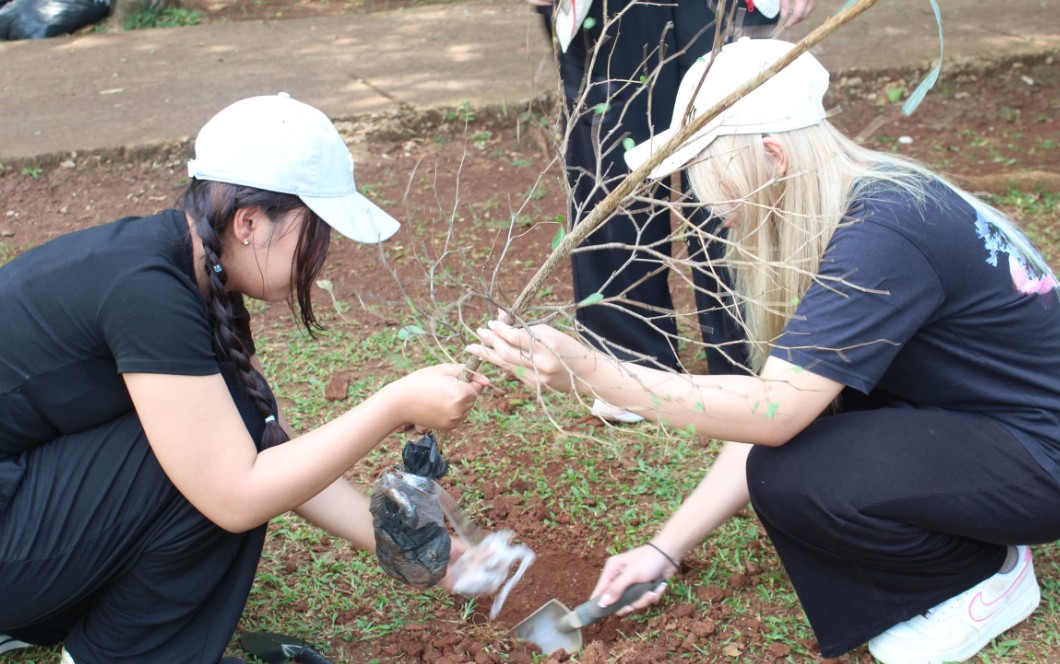
In August 2025, BINUS University participated in Greener Day 2025 at Ragunan, Jakarta, involving the planting of trembesi, pule, and ketapang kencana trees, alongside ornamental plants such as golden pothos and spider plants. The initiative promoted environmental awareness and contributed to urban greening efforts.
Among the species planted, pule (Alstonia scholaris) and trembesi (Samanea saman) have ecological functions that can support local biodiversity. Pule flowers provide nectar for insect pollinators, while the broad canopy of mature trembesi trees can provide shelter and potential nesting habitats for birds and other organisms. Through this initiative, BINUS University contributed to maintaining urban greenery and supporting vegetation that can provide ecological resources for local wildlife, aligning with SDG 15.2.3, Maintain and Extend Current Ecosystems’ Biodiversity.
7. Ecoprint for Sustainable Economic and Cultural Development in Wonokitri
In October 2025, BINUS University supported an ecoprint initiative in Wonokitri Village, East Java, involving local tourism stakeholders and small businesses. The initiative aimed to develop creative local products that could support the local economy while promoting the village’s cultural identity.
Located in the Bromo Tengger Semeru area, Wonokitri is known for its Tengger cultural traditions and the Javanese edelweiss (Anaphalis javanica), a protected mountain plant with cultural significance. By connecting creative products with local heritage and sustainable tourism, the initiative encourages a balance between economic opportunities, cultural preservation, and environmental awareness.
Through mangrove planting, coastal clean-up, plogging, lake clean-up and fish-release activities, tree planting, and community-based ecoprint development, BINUS University engaged its academic community and local stakeholders in initiatives related to environmental stewardship and sustainable development. These activities help maintain habitat quality, reduce waste pollution, promote vegetation that can provide ecological resources for wildlife, and encourage environmental awareness. The ecoprint initiative further connects cultural preservation and local economic development with environmental responsibility. Collectively, these initiatives demonstrate BINUS University’s commitment to maintaining ecosystems and supporting biodiversity, contributing to SDG 15.2.3, Maintain and Extend Current Ecosystems’ Biodiversity.