


Access to University Track Underrepresented Groups Applications
BINUS University’s Commitment to Measuring and Tracking Applications and Admissions from Underrepresented Groups
BINUS University demonstrates a strong commitment to diversity, inclusion, and equal access to education by systematically measuring, tracking, and improving the representation of underrepresented groups among its student applicants and admitted population. These groups include ethnic minorities, low-income students, women, students with disabilities, and students from remote and underdeveloped regions (3T areas, including Papua).
- Support for Students from Papua and 3T Regions
BINUS University takes proactive steps to support access for students from disadvantaged, frontier, and outermost regions (3T) — including Papua. Through partnerships with the Ministry of Education and the implementation of the ADik (Afirmasi Pendidikan Tinggi) Scholarship Program, BINUS ensures that students from these regions receive full financial and academic support throughout their studies.
 |
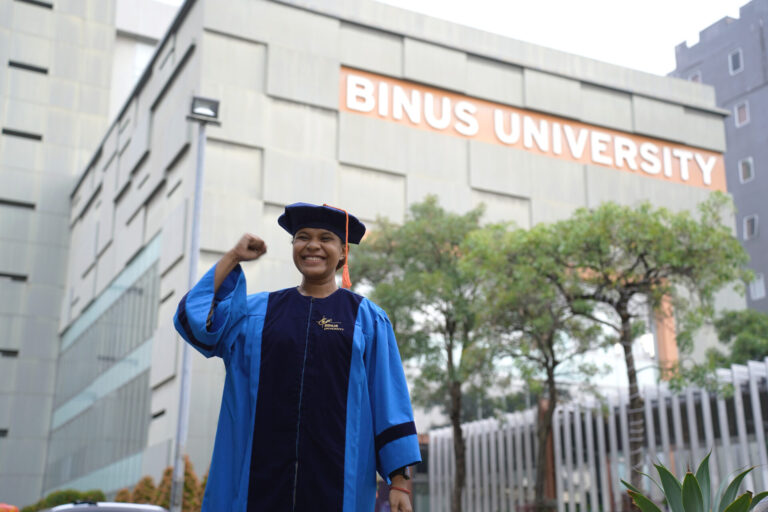 |
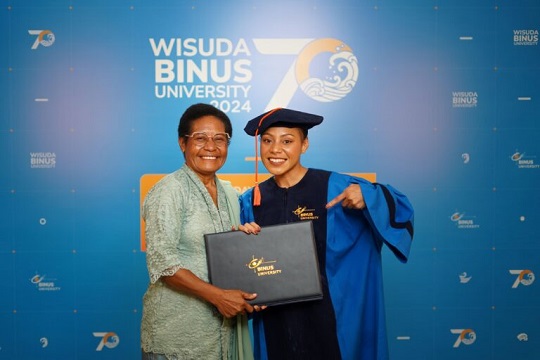
First story comes from Farida Putri from Nabire, Papua, achieved her dream of pursuing higher education through a BINUS scholarship. Her story highlights how the university’s inclusive approach transforms lives and broadens access to quality education. Other success story comes from Marchelin, a recipient of the Adik Papua Scholarship, successfully completed her degree while participating in internships at two major companies—an example of BINUS’s ongoing mentorship and employability programs for students from remote areas.
These success stories reflect the real outcomes of BINUS’s inclusion policies and tracking systems that ensure students from 3T areas not only gain access but also receive consistent academic and career support.
- Target Setting and Performance Measurement
Through our Affirmation Scholarship program, we set an annual goal to provide scholarships to 1,000 students from this income bracket. This initiative is designed to improve access to higher education for individuals facing financial challenges, ensuring that all deserving candidates can pursue their academic aspirations without being burdened by financial constraints. By meeting these annual intake targets, BINUS demonstrates its commitment to fostering a more inclusive and diverse academic environment, ensuring equal educational opportunities for students from various socioeconomic backgrounds
Each academic and administrative unit contributes to achieving these targets through outreach, scholarship distribution, and academic assistance programs.
The outcomes are integrated into BINUS’s Sustainable Development Goals (SDG) reporting framework, ensuring accountability and continuous improvement.
- Commitment to Gender Equality and Disability Inclusion
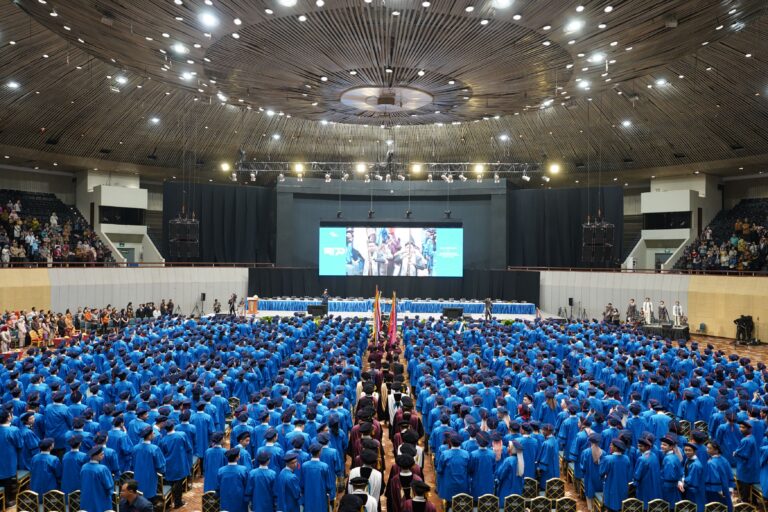
BINUS University maintains gender parity across programs, with women making up nearly half of the total student body. The institution promotes leadership opportunities for female students and staff through programs such as Women in Tech, Women Leadership Forums, and faculty mentorship schemes.
For students with disabilities, BINUS provides individualized learning support and ensures equal access to classroom resources, facilities, and online learning environments through BINUS Online Learning. This approach aligns with the university’s mission to provide accessible education for all learners.
- Empowering Non-Traditional Students and Career Pathways
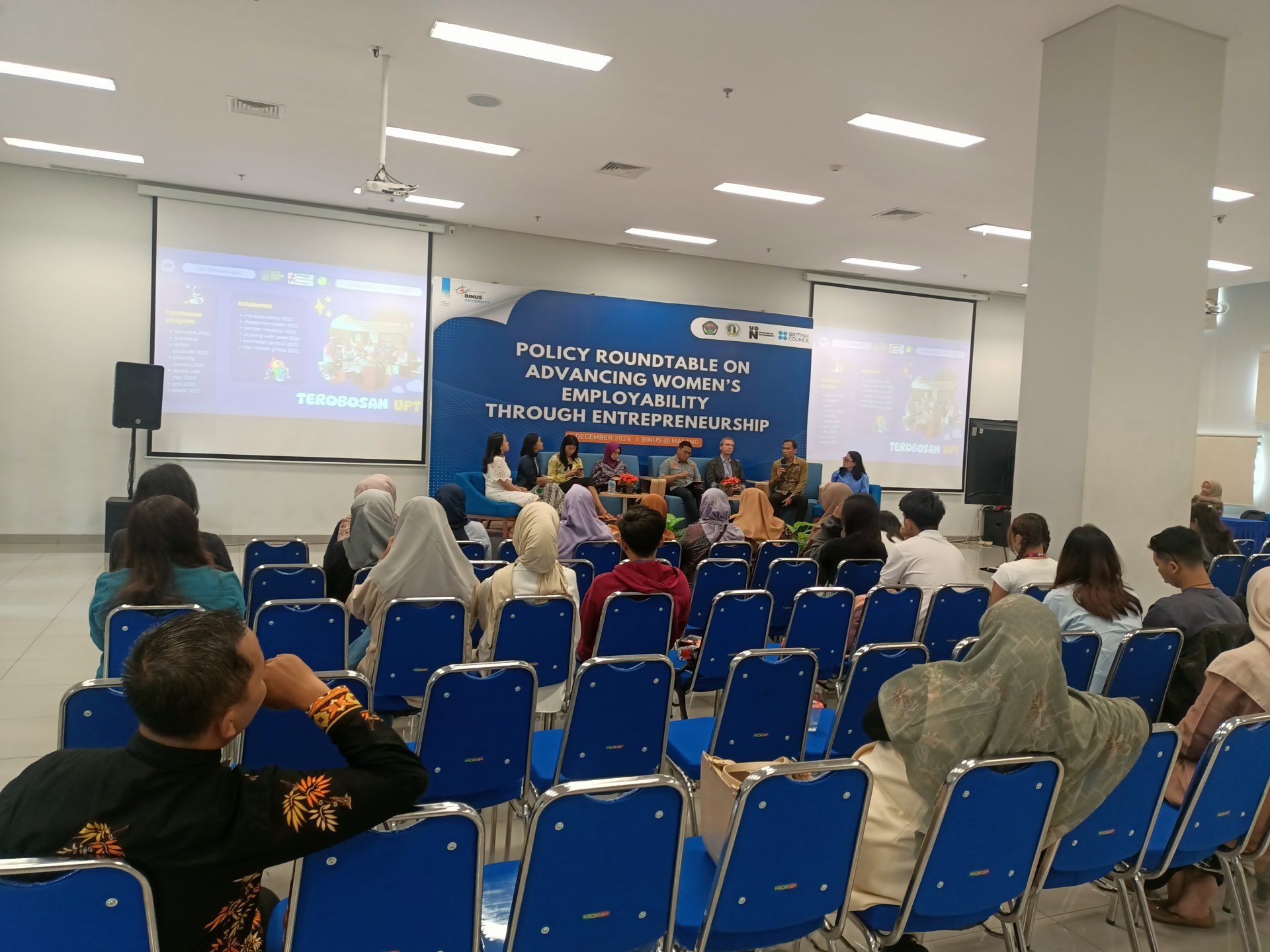
BINUS also supports non-traditional students, including those pursuing part-time or online degrees, through flexible learning systems such as BINUS Online Learning and blended study options. These programs allow students balancing work, family, or financial responsibilities to complete their education without barriers.
Moreover, BINUS’s commitment to employability ensures that students from all backgrounds receive opportunities to secure early career placements even before graduation