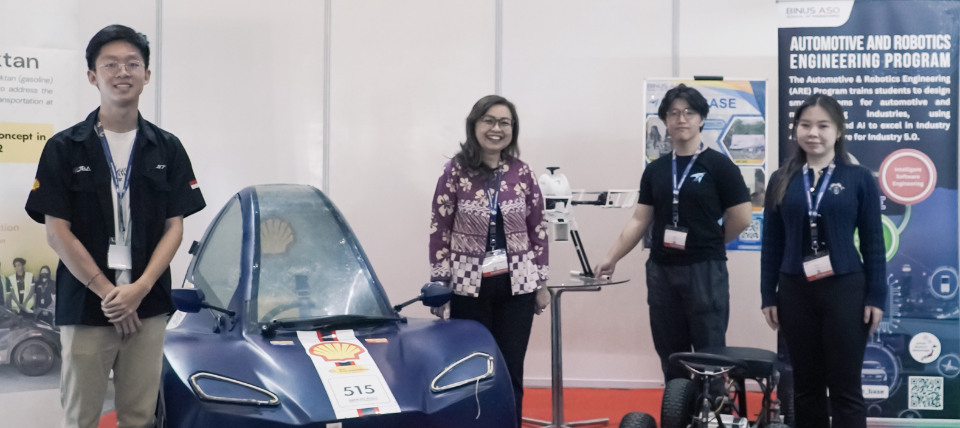
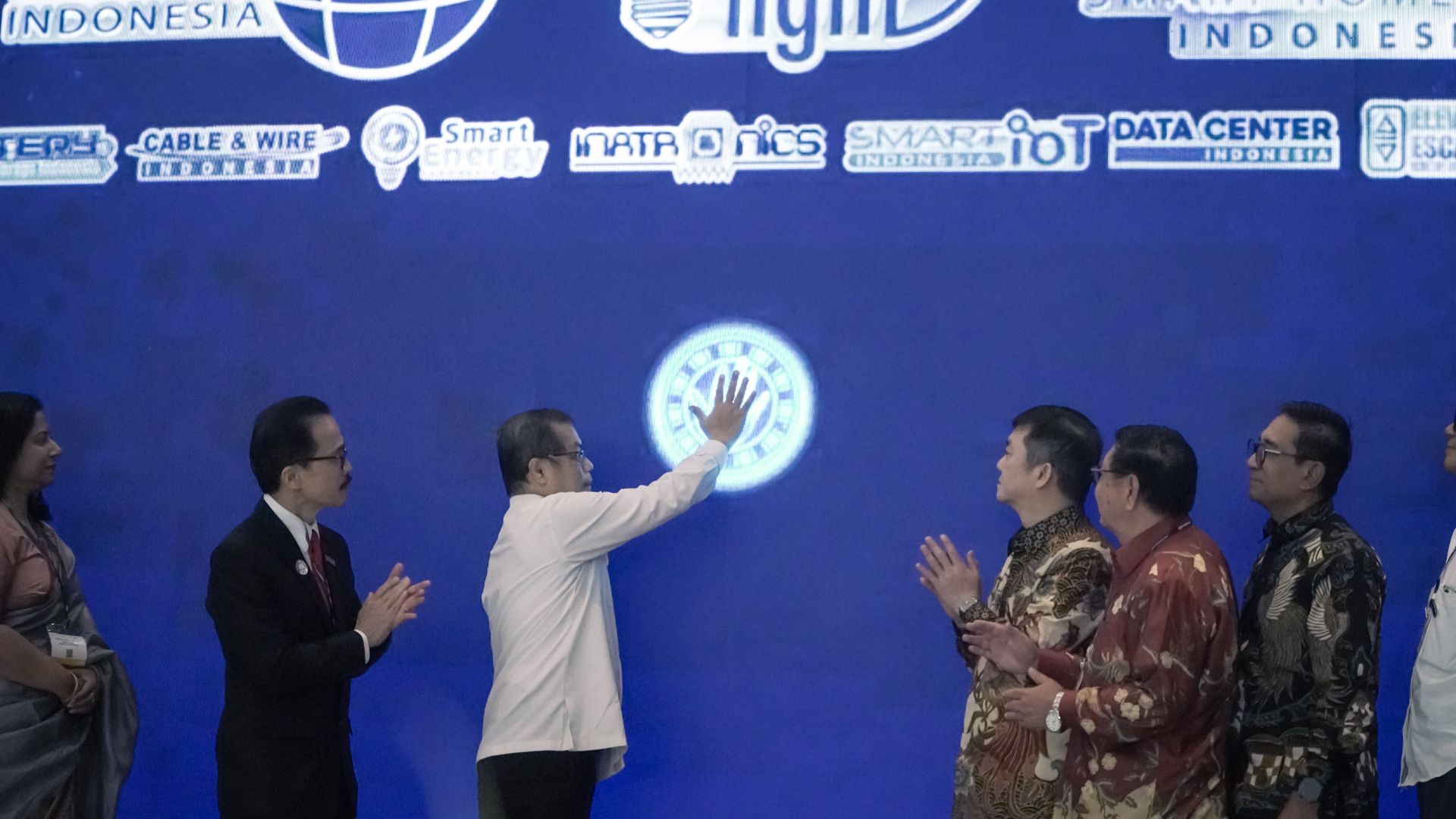
Jakarta, 25 April – Stepping onto ASEAN’s Largest Trade Show for Smart Green Energy & Technologies from 22-24 April at Jakarta International Expo, our faculty members and students from Faculty of Engineering and BINUS ASO School of Engineering (BASE) joined global exhibitors from more than 25 countries. Through this global platform, they presented their work and exchanged ideas to support Indonesia’s energy transition by contributing practical solutions to its ongoing challenges.
(Photo Credits: Mufti Warits & Andi D. Ahnafandra)
According to the Institute for Essential Services Reform (IESR), Indonesia has shown limited progress in renewable energy and decarbonization in recent years. Despite the government’s commitment in 2021 to shift away from fossil fuels by expanding energy capacity, renewable energy currently accounts for only around 14% of the national energy mix, far from the 23% target set for 2025 (IESR, 2025).
(Photo Credits: Mufti Warits & Andi D. Ahnafandra)
Responding to this need, BINUS University continues to play an active role in advancing the energy transition through a synergy of education, research, and collaboration. Our faculty members and students are engaged in interdisciplinary learning and applied research as we aim to contribute to a more sustainable and resilient energy future.
(Photo Credits: Mufti Warits & Andi D. Ahnafandra)
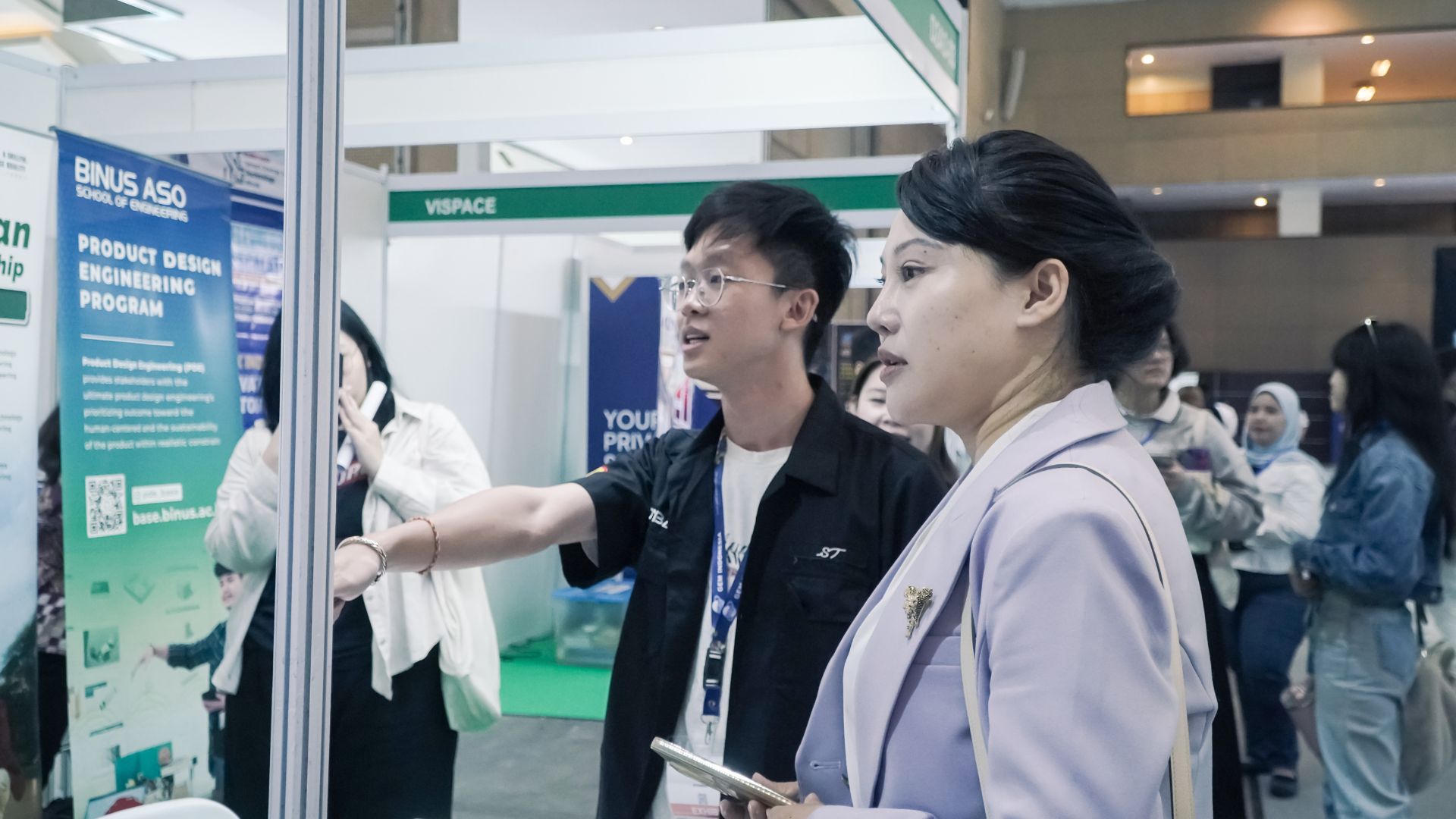
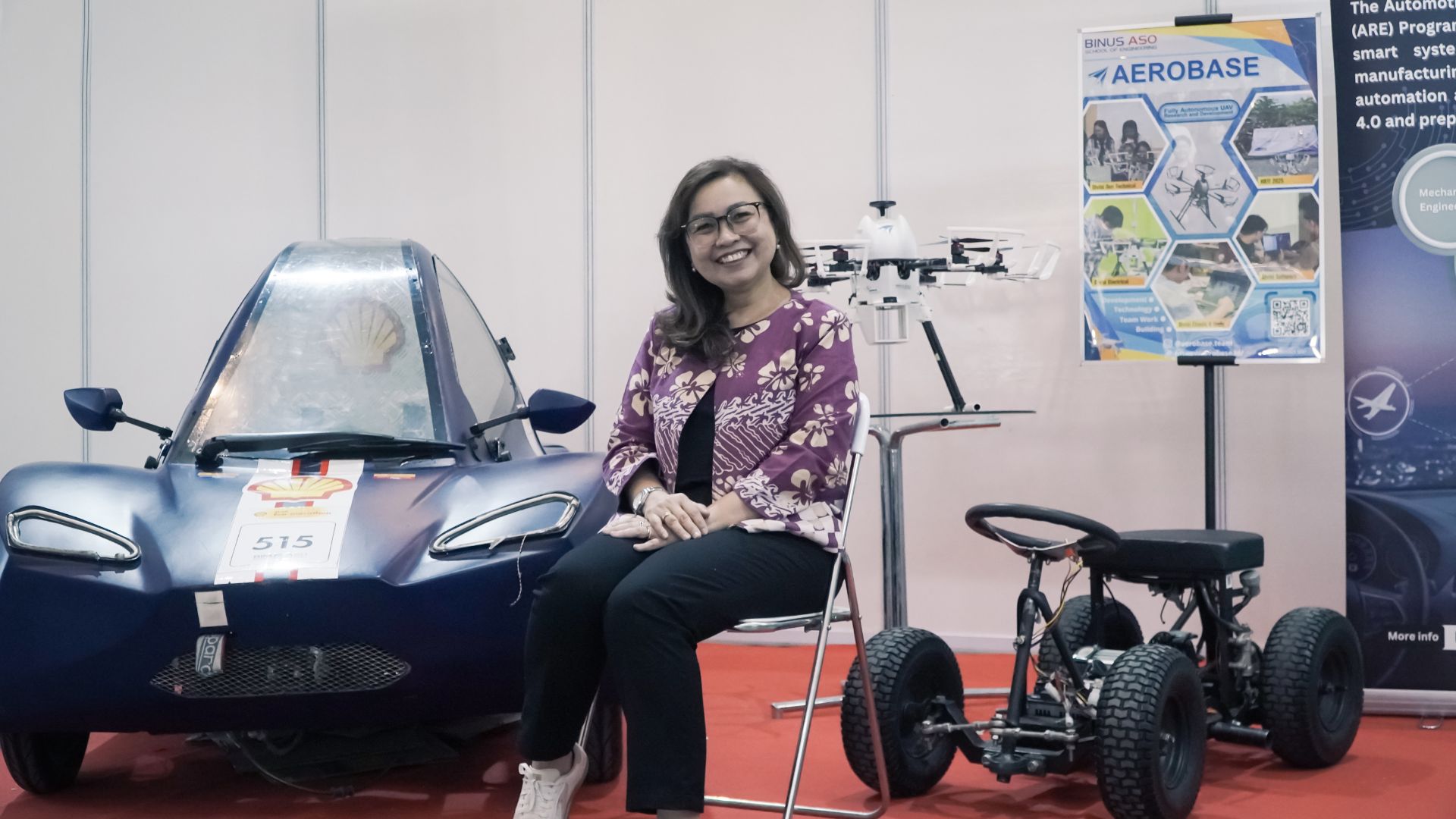
Our Lecturer Specialist in Product Design Engineering, Yosica Mariana, shared that student participation in this exhibition is aimed to enhance their international exposure, particularly through direct engagement with global industry players by showcasing the latest smart energy technologies.
(Photo Credits: Mufti Warits & Andi D. Ahnafandra)
“We hope this experience allows students to interact with industry and understand the latest technological developments, which they can use to expand their perspectives and connect with their academic learning,” she added.
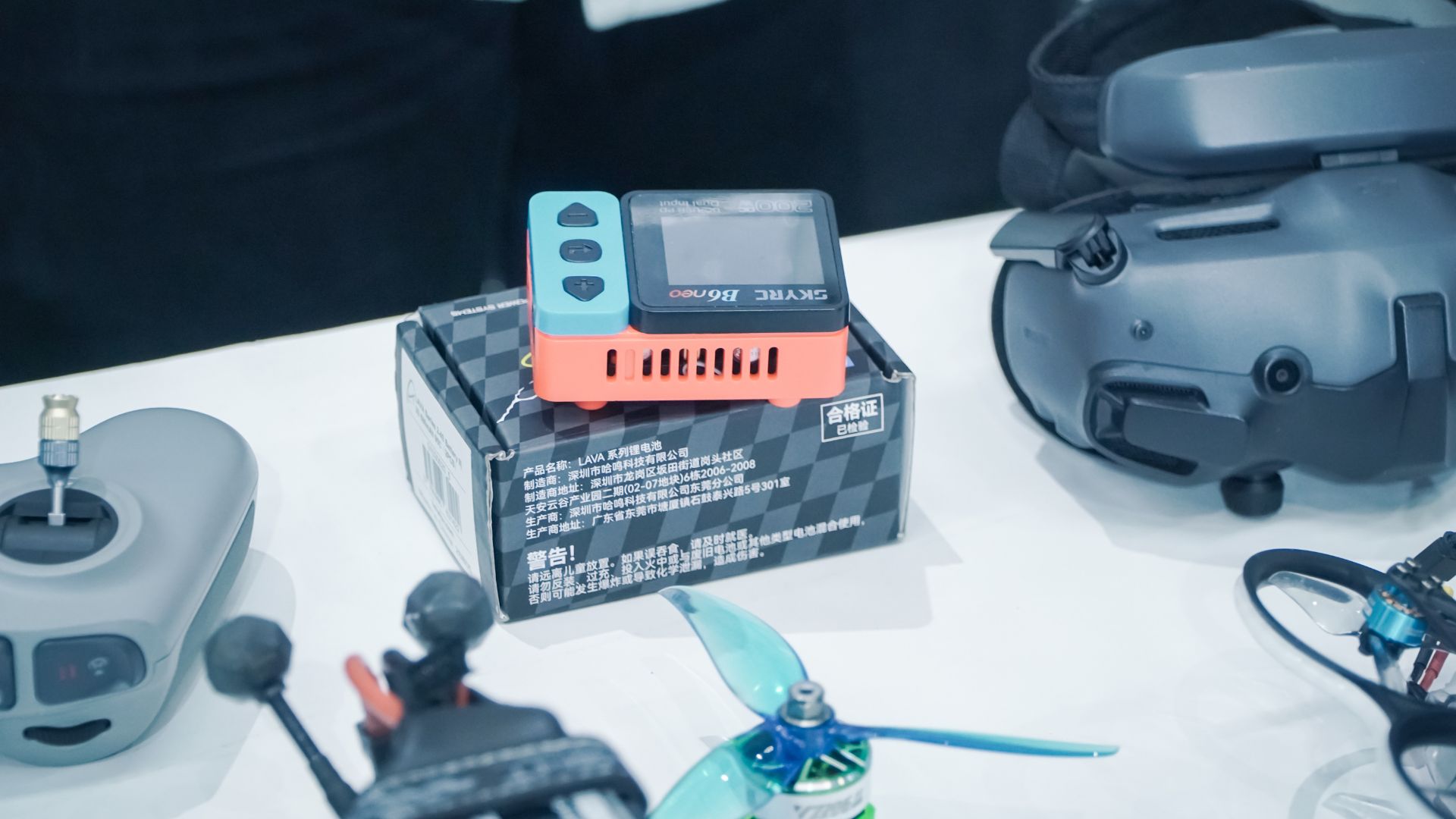
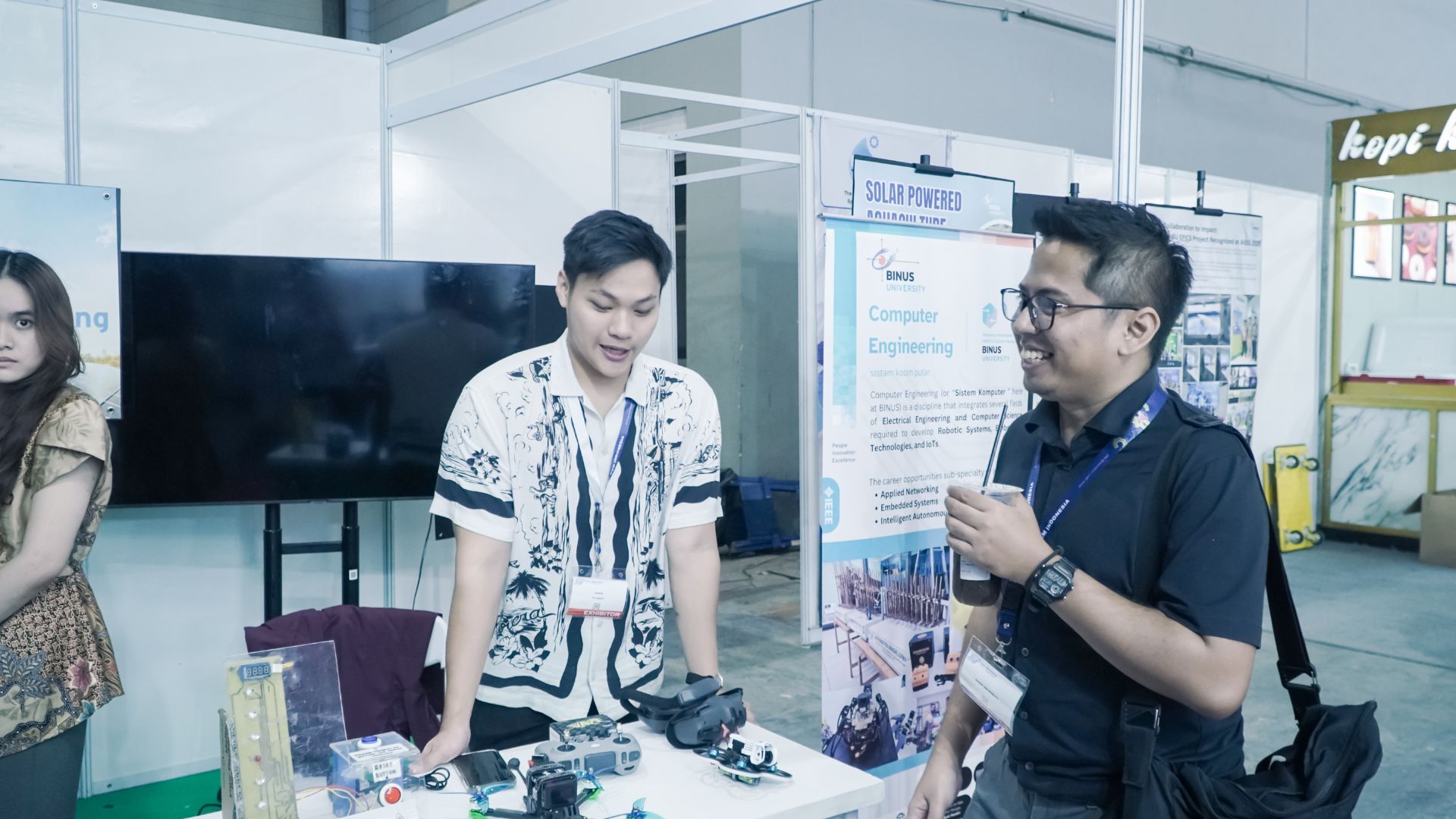
The energy at the booth also came alive as BASE students enthusiastically engaged with visitors curious about their work. One of the projects that drew attention was a prototype of small racing car powered by battery electric technology, which had recently competed in the Shell Eco-marathon Asia Pacific and the Middle East 2026 at Losail International Circuit, Qatar. Competing as the D’BASE Team, they placed 6th out of 33 teams in the Prototype Battery Electric category. Their vehicle reached an efficiency of 496 km/kWh, reflecting both technical capability and thoughtful design.
(Photo Credits: Mufti Warits & Andi D. Ahnafandra)
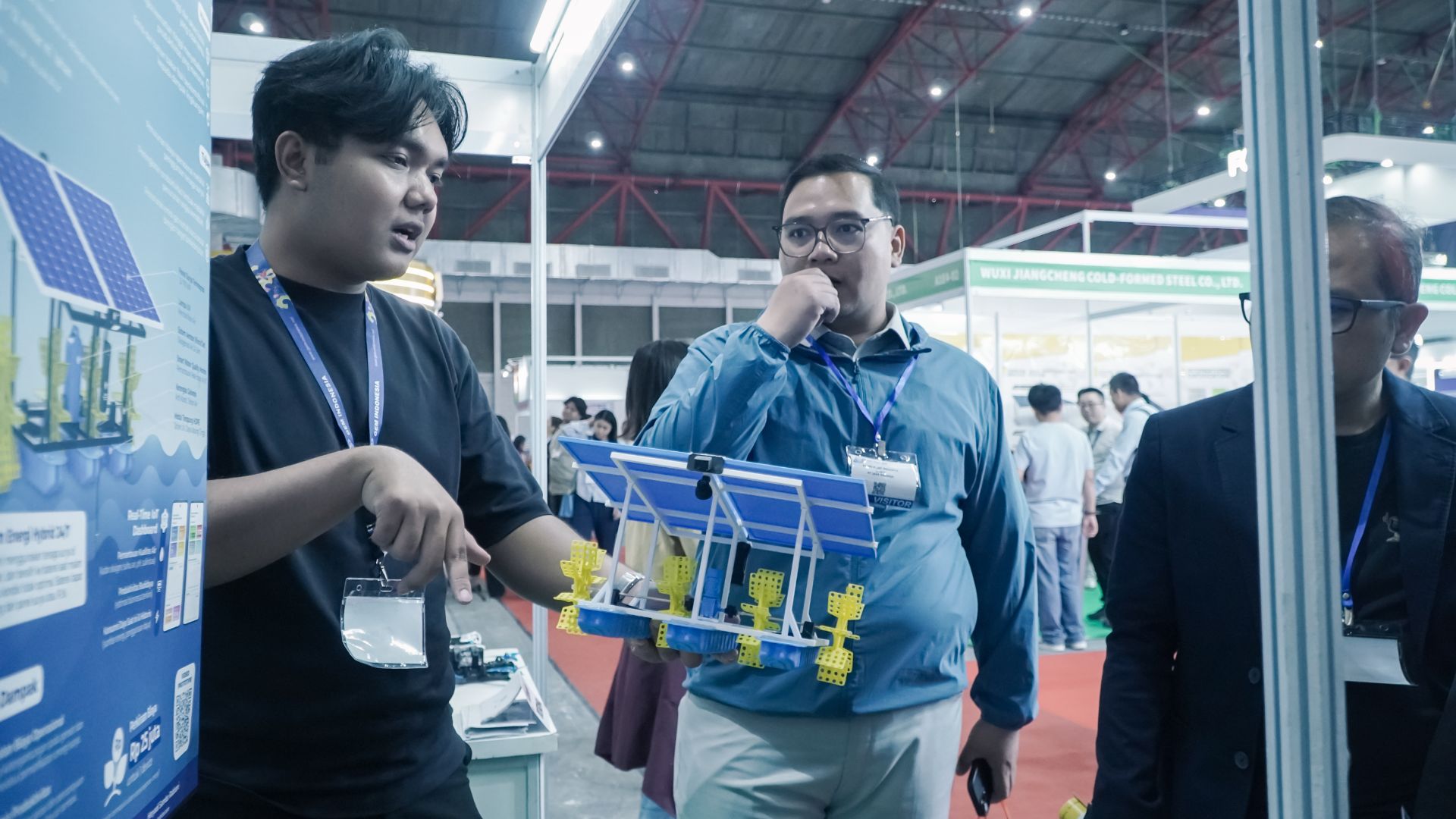
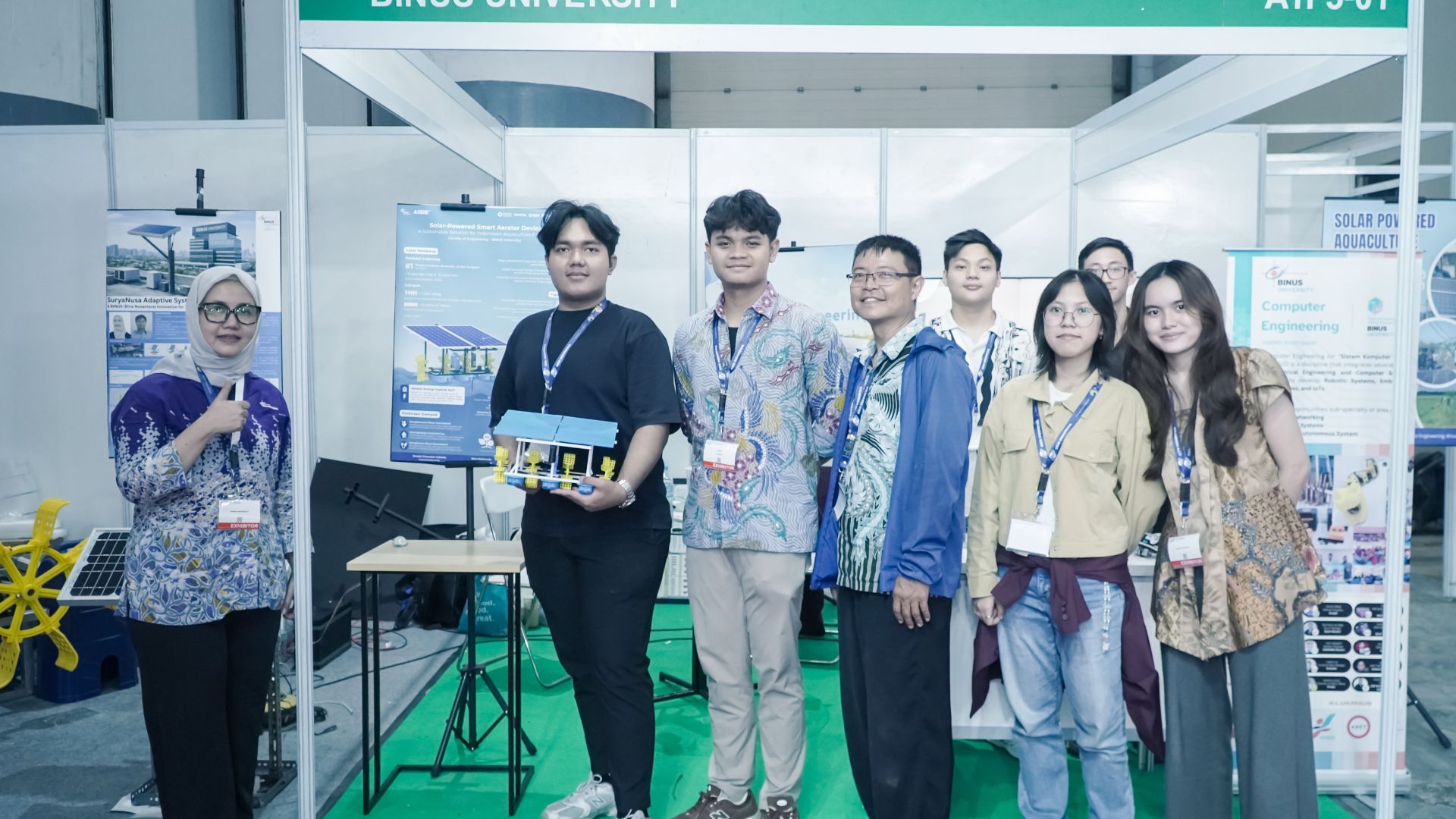
Innovative work was not only showcased at the BASE booth. Our team also explored other exhibition areas featuring projects by faculty members and students from the Faculty of Engineering. One that stood out is ‘BINA Surya Apung: Circular Aqua Solar System’, a floating solar energy designed to generate energy on water and support aquaculture communities. Developed by Dr. Religiana Hendarti, a lecturer in Architecture, together with Jimmy Linggarjati, a lecturer in Computer Engineering, the project integrates a floating structure design with an Internet of Things (IoT)-based system for monitoring and analyzing energy production remotely.
(Photo Credits: Mufti Warits & Andi D. Ahnafandra)
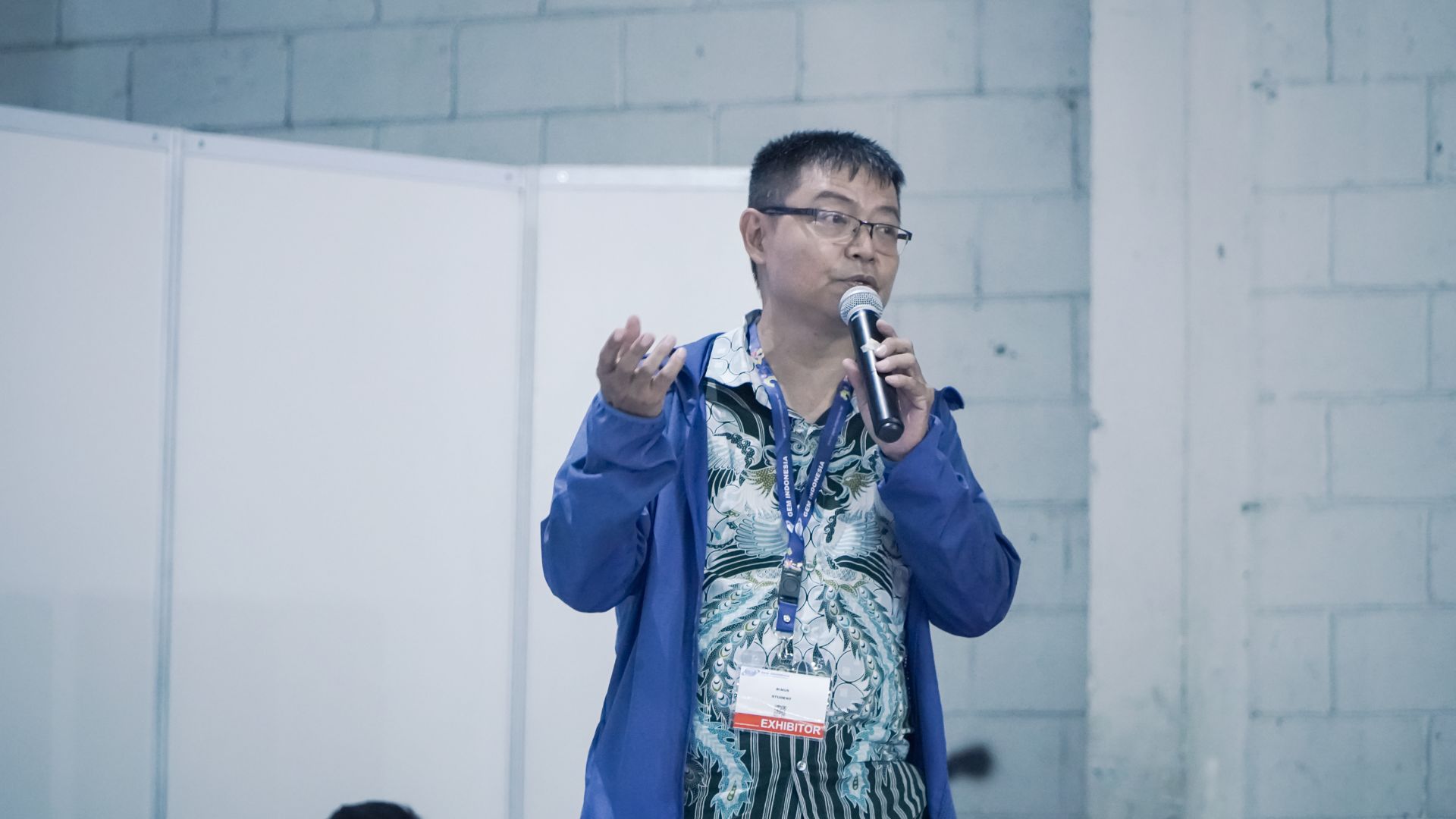
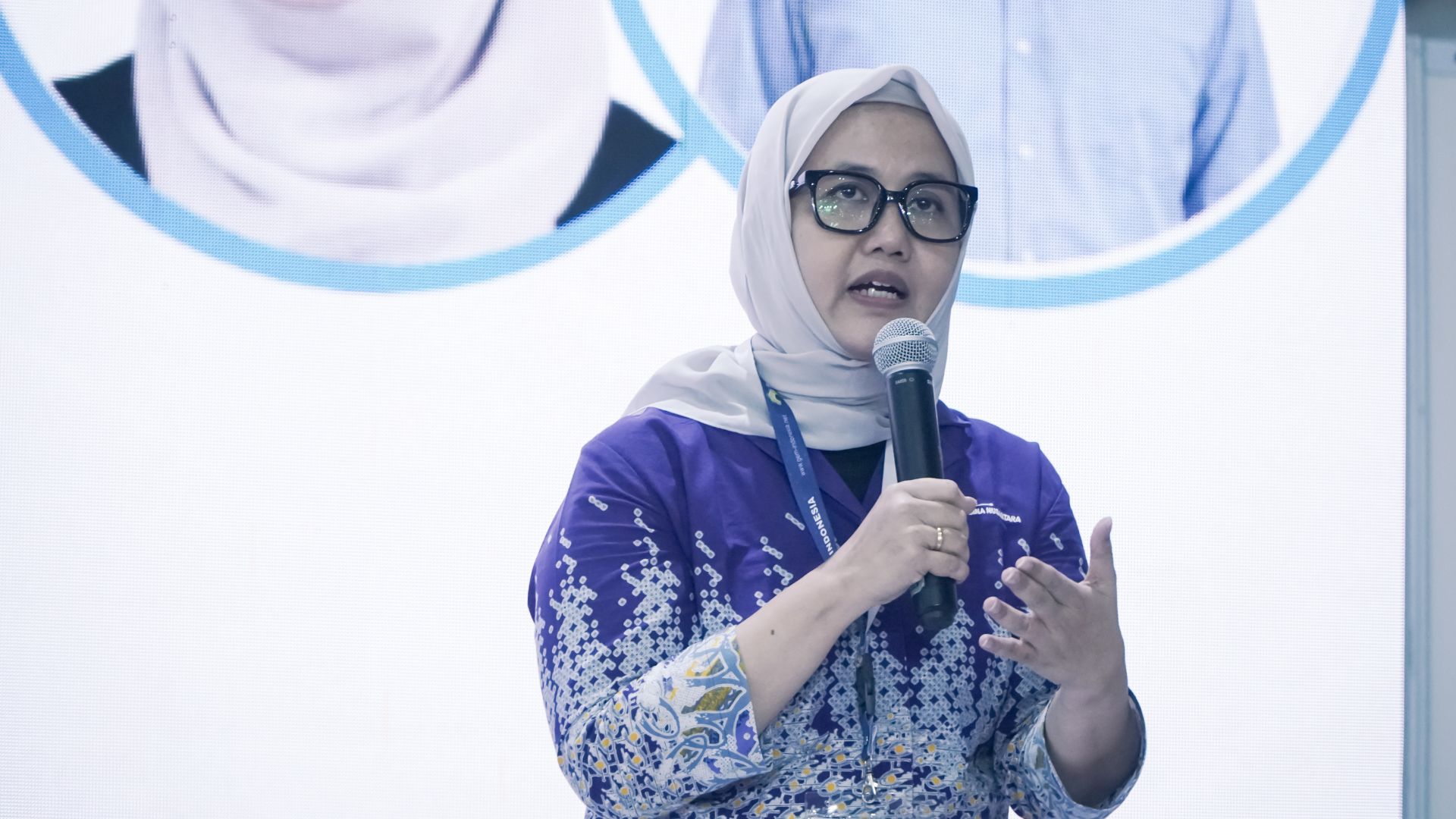
To promote this work to a wider global audience, they presented it during the seminar session held on the main stage of the exhibition. Dr. Religiana, who also serves as the Head of Internationalization & Partnership Program at Faculty of Engineering, explained how the system is built on a circular design concept, where photovoltaic (PV) panels are integrated with repurposed materials such as gallon jugs used as floating components. This design not only enables energy generation on water, but also supports aquaculture productivity, while simultaneously reducing waste and carbon emissions.
(Photo Credits: Mufti Warits & Andi D. Ahnafandra)
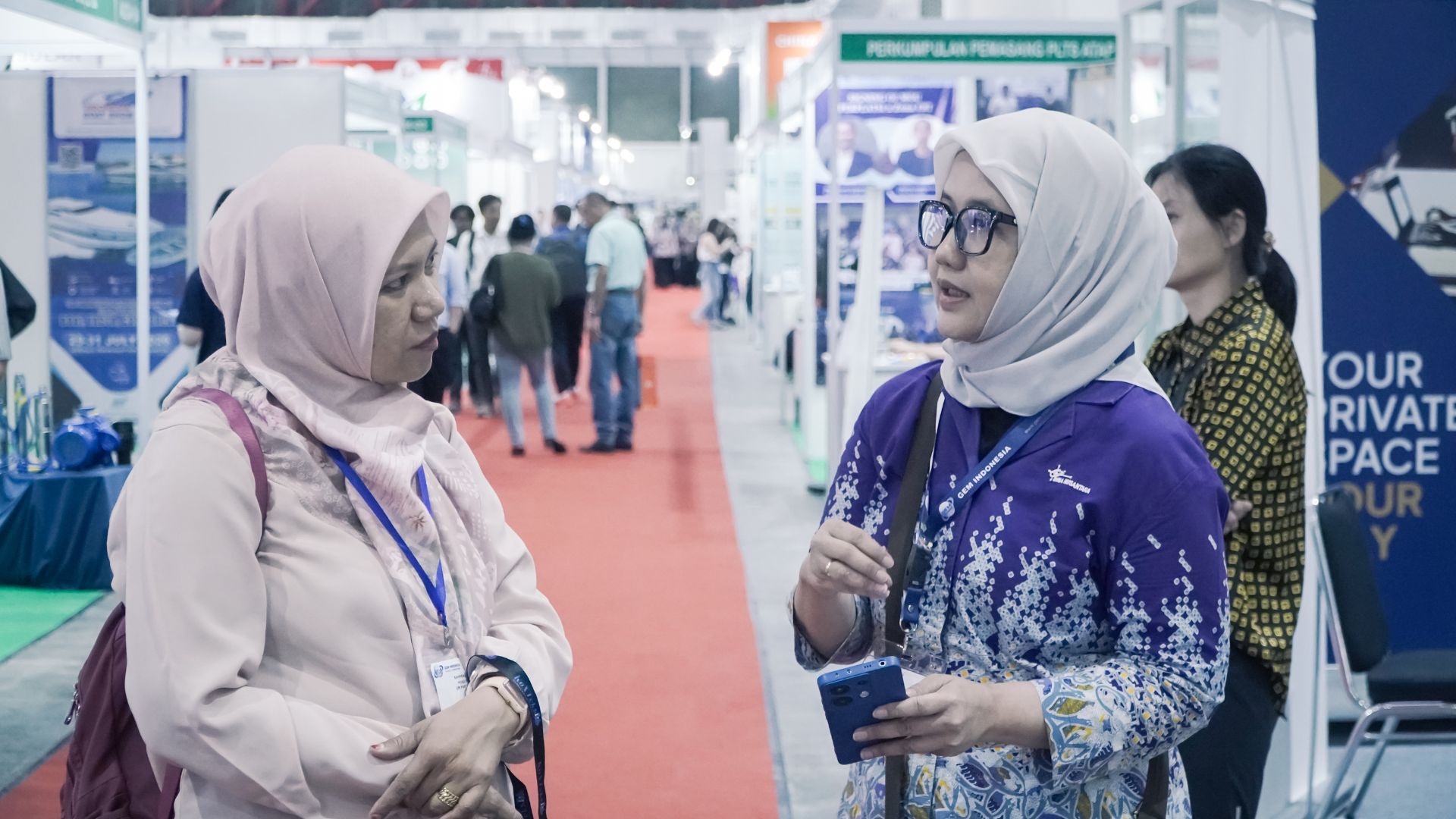
The presentation sparked growing interest among visitors, including representatives from industry and local government, who engaged directly with the team at the booth to explore the BINA Surya Apung prototype and its potential implementation. These interactions also opened pathways for future collaboration.
(Photo Credits: Mufti Warits & Andi D. Ahnafandra)
“We’re really grateful to BINUS Global for sharing this opportunity with us. The enthusiasm from visitors who came to our booth to see and understand BINA Surya Apung has opened up opportunities to collaborate with both industry and government, especially in bringing renewable energy solutions that are practical and affordable for local communities,” she added.
 (Photo Credits: Mufti Warits & Andi D. Ahnafandra)
The strong interest and collaboration opportunities that emerged from the exhibition highlight the growing relevance of innovations developed by our academic community. From BINA Surya Apung, a renewable energy solution developed by Faculty of Engineering lecturers, to the energy-efficient battery system created by the D’BASE Team for their prototype racing car, these works demonstrate how academic innovation can contribute to Indonesia’s energy transition.
(Photo Credits: Mufti Warits & Andi D. Ahnafandra)
Through interdisciplinary learning, applied research, and collaboration with industry and government, BINUS University continues to connect these innovations with real-world needs, supporting the development of practical and sustainable energy solutions for society.
Author:
Mita Adhisti
Editor:
Aninda Rahmasari
... ... ...