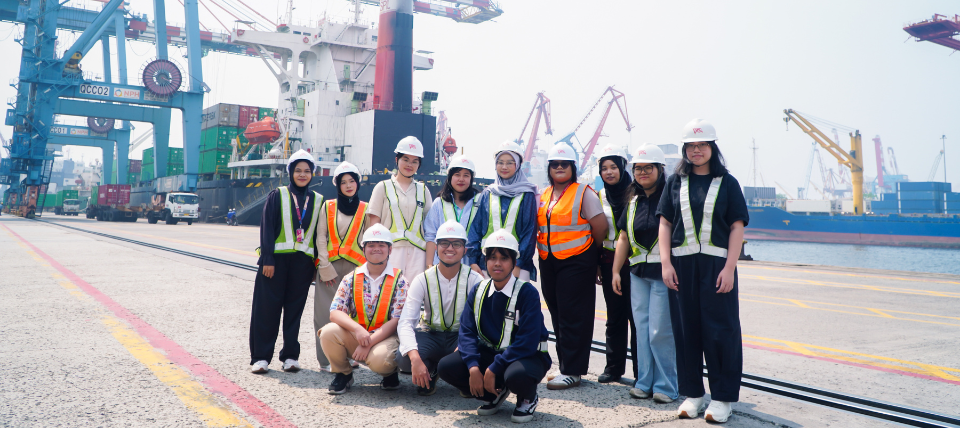
Jakarta, 12 June 2026 – To enrich our International Relations students’ learning experience and discover how classroom knowledge is connected with professional practice, the Faculty of Humanities and the Strategic Collaboration team organized a company visit to PT Salam Pacific Indonesia Lines (SPIL). Through this opportunity, students explored how international relations concepts are applied within the logistics and shipping industry.
(Photo Credit: Mufti Al-Warits | Photo Editor: Andi D. Ahnafandra)
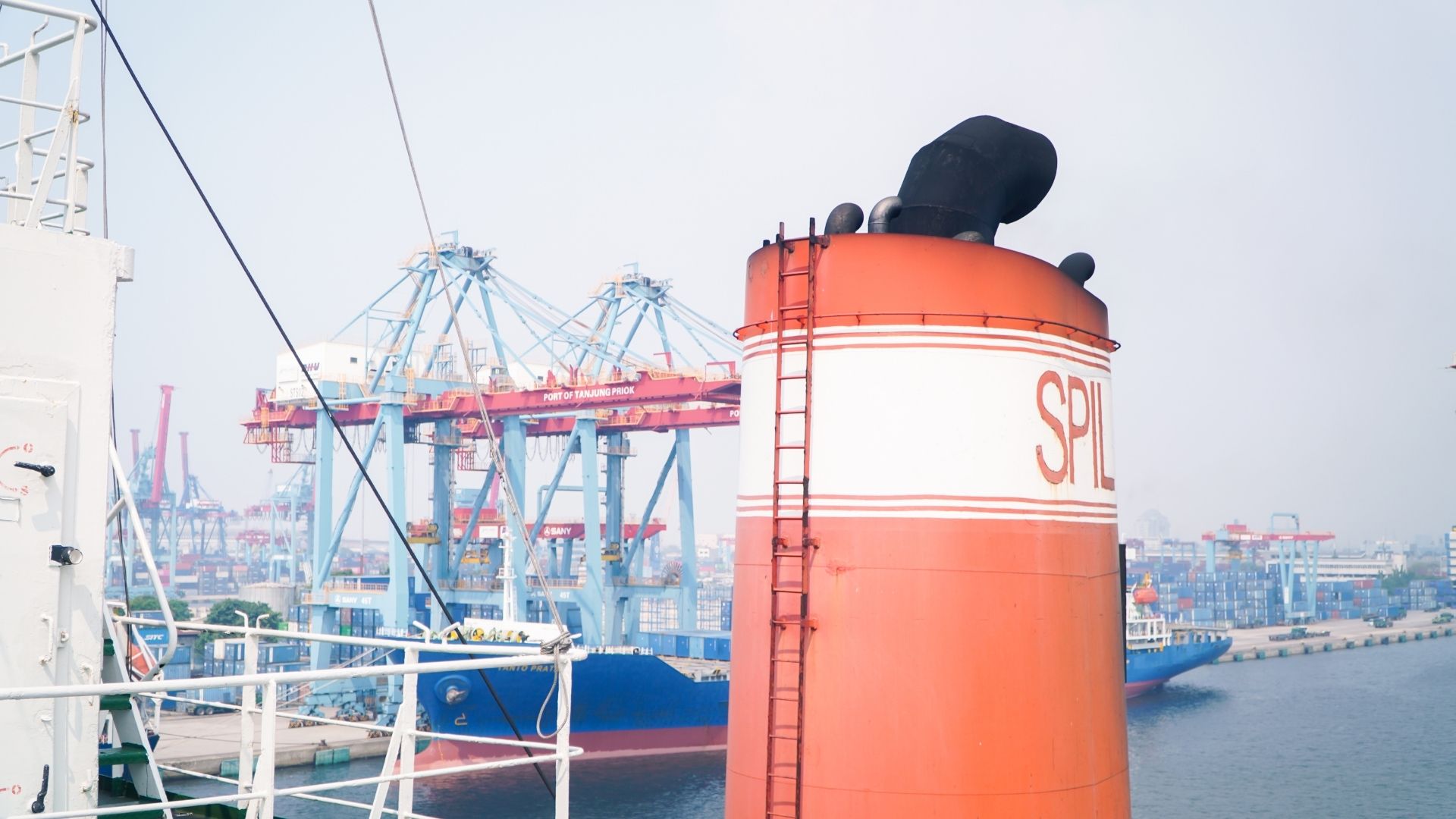
PT SPIL is Indonesia’s largest technology-driven container shipping company and operates across more than 40 ports throughout the country. Following the establishment of its partnership with BINUS University in 2025, the company visit became the first joint program implemented by both institutions.
(Photo Credit: Mufti Al-Warits | Photo Editor: Andi D. Ahnafandra)
“This company visit to PT SPIL is highly valuable for our International Relations students in enriching their understanding of foreign policy. While classroom learning provides them with theoretical foundations, meeting practitioners from SPIL enables students to see how Indonesian policies on international trade are applied in real business settings. By combining academic knowledge with industry experience, students can gain diverse perspectives on Indonesia’s foreign policy, particularly in relation to the maritime logistics sector,” said Arthanami Eka K. Panjaitan, Head of Internationalization and Partnership at the Faculty of Humanities, who is currently teaching the Foreign Policy course.
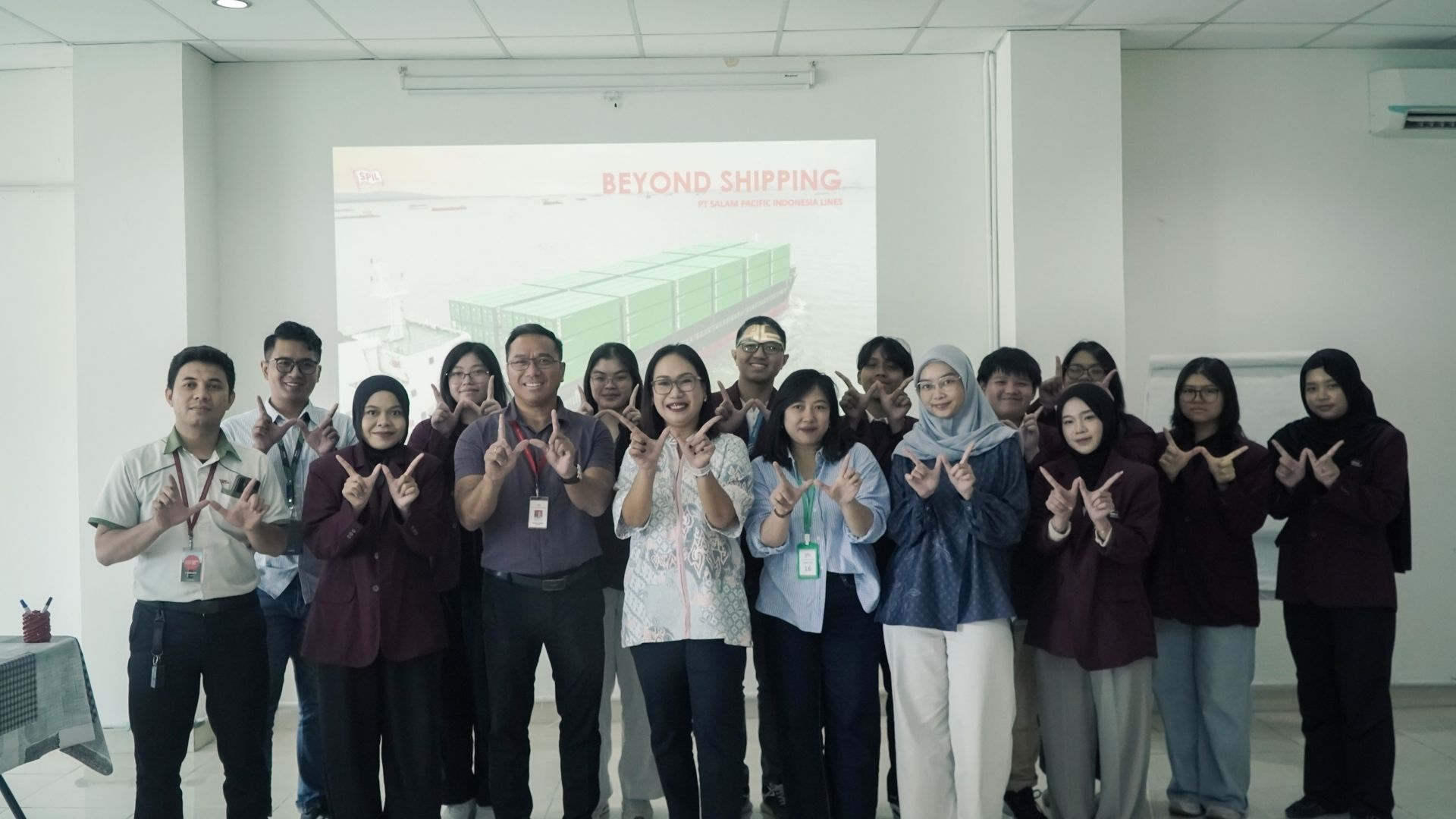
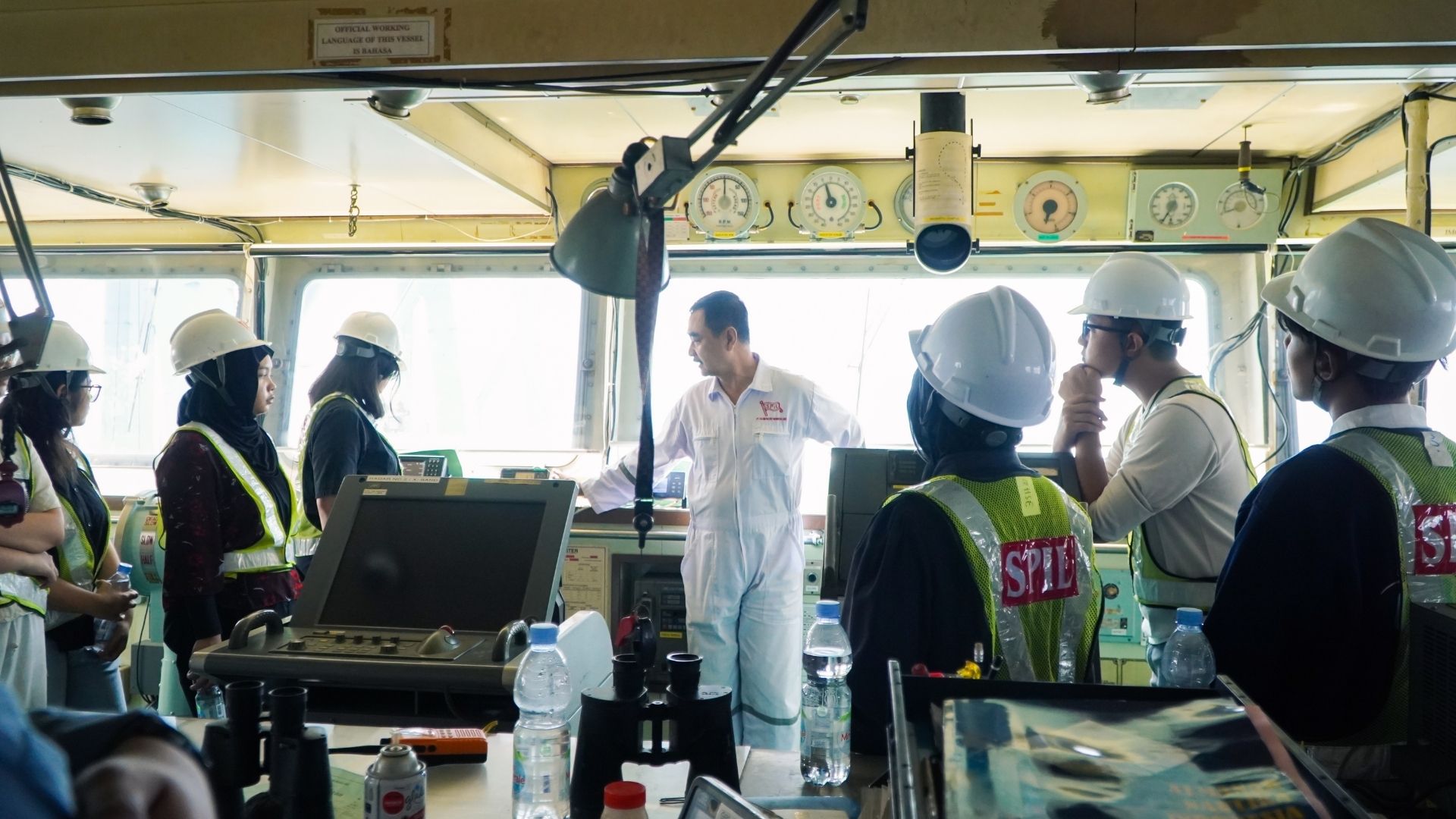
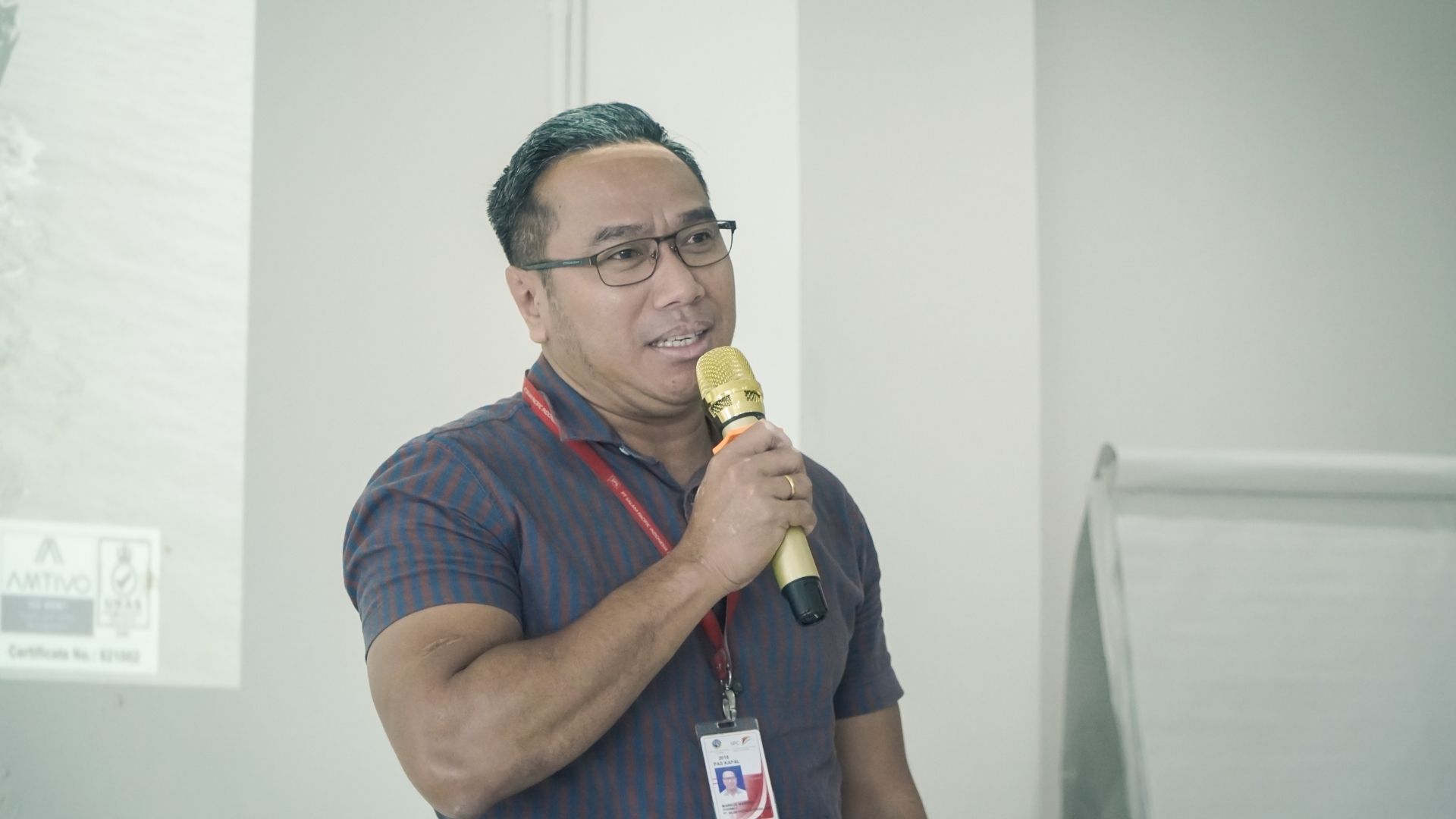
Upon arriving at SPIL’s office, the BINUS participants began the session with a company-profile presentation delivered by Markus Marsidi, SPIL’s Jakarta Branch Manager. The session introduced students to the company’s role in Indonesia’s maritime logistics industry, shipping regulations, and voyage scheduling. The experience came to life during their port visit, where they explored container ship operations up close.
(Photo Credit: Mufti Al-Warits | Photo Editor: Andi D. Ahnafandra)
Established in 1970, SPIL is now Indonesia’s largest container shipping company, serving domestic and international markets through Port-to-Port and Door-to-Door solutions. Port-to-Port services connect cargo between designated ports, while Door-to-Door services provide end-to-end delivery from the sender’s location to the consignee’s address.
(Photo Credit: Mufti Al-Warits | Photo Editor: Andi D. Ahnafandra)
“Although SPIL currently focuses on strengthening the domestic operations, we also support export and import activities through our integrated logistics services. With 37 branches across Indonesia, our network helps connect businesses to key ports and enables the efficient movement of goods throughout the archipelago. As the industry faces rising fuel costs and increasing operational demands, we need capable and adaptable talent. Through our talent-development programs and partnerships with universities, we hope to prepare young professionals who can contribute to the future of Indonesia’s maritime logistics sector,” added Markus.

(Photo Credit: Mufti Al-Warits | Photo Editor: Andi D. Ahnafandra)
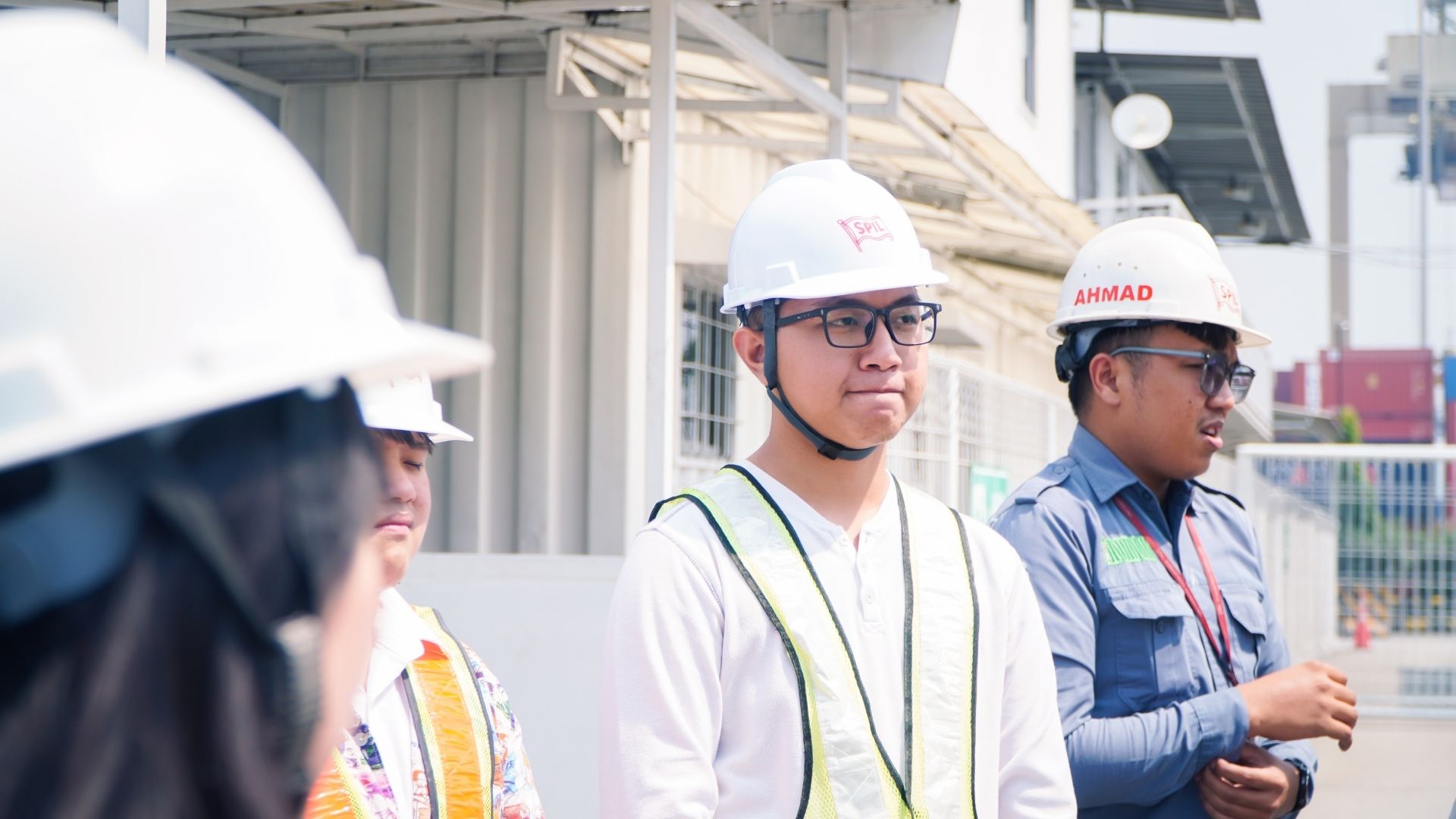
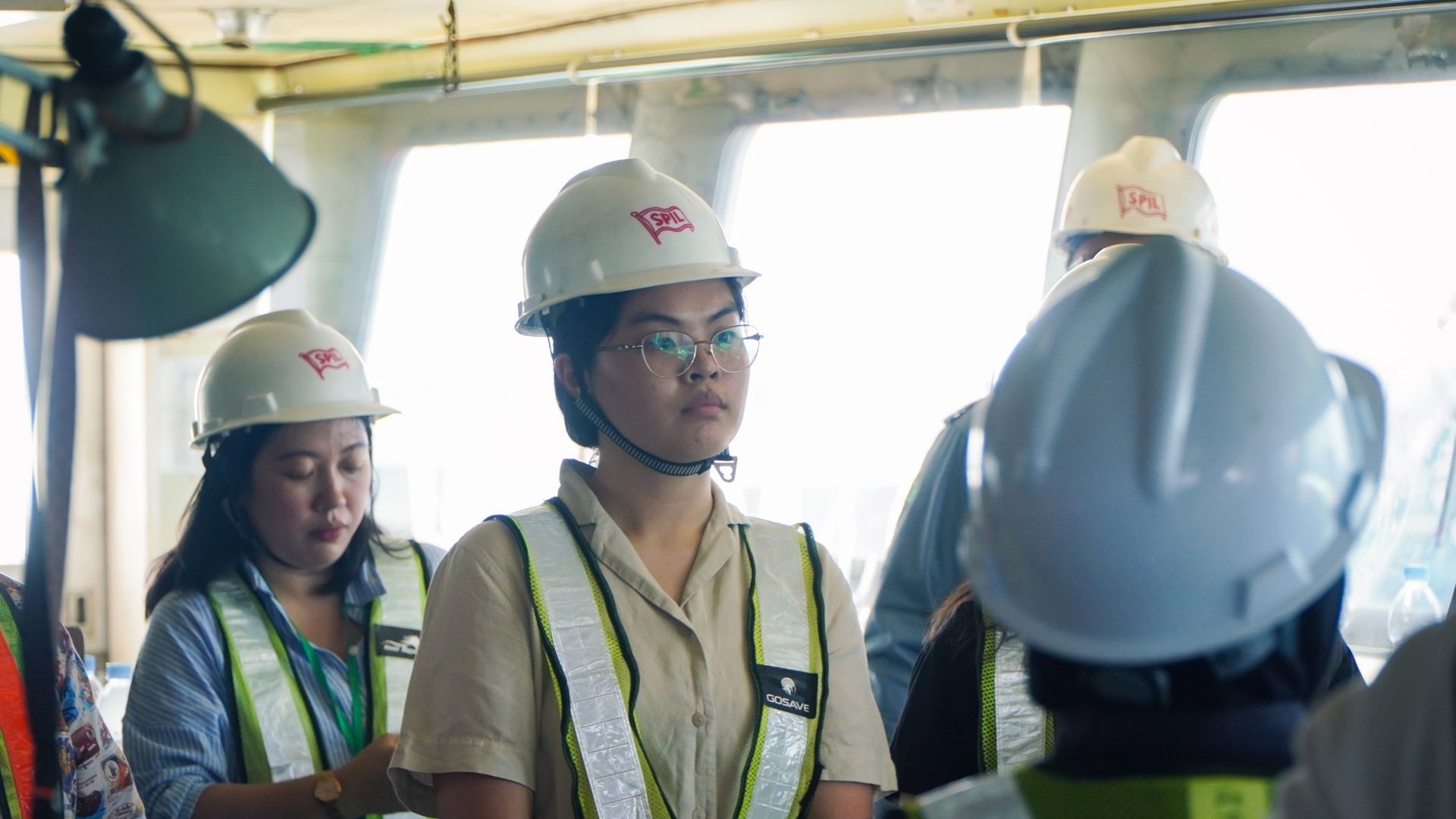
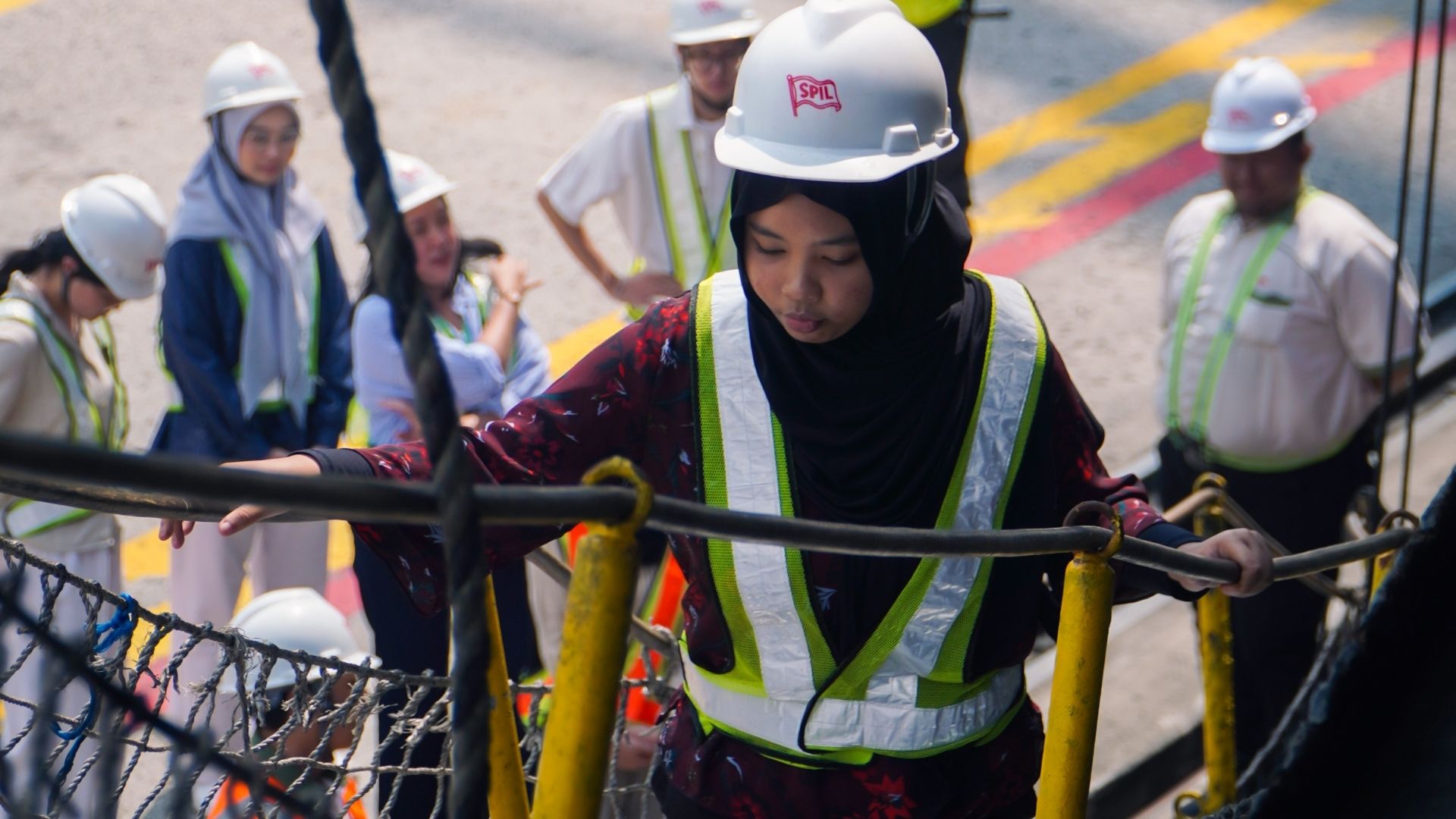
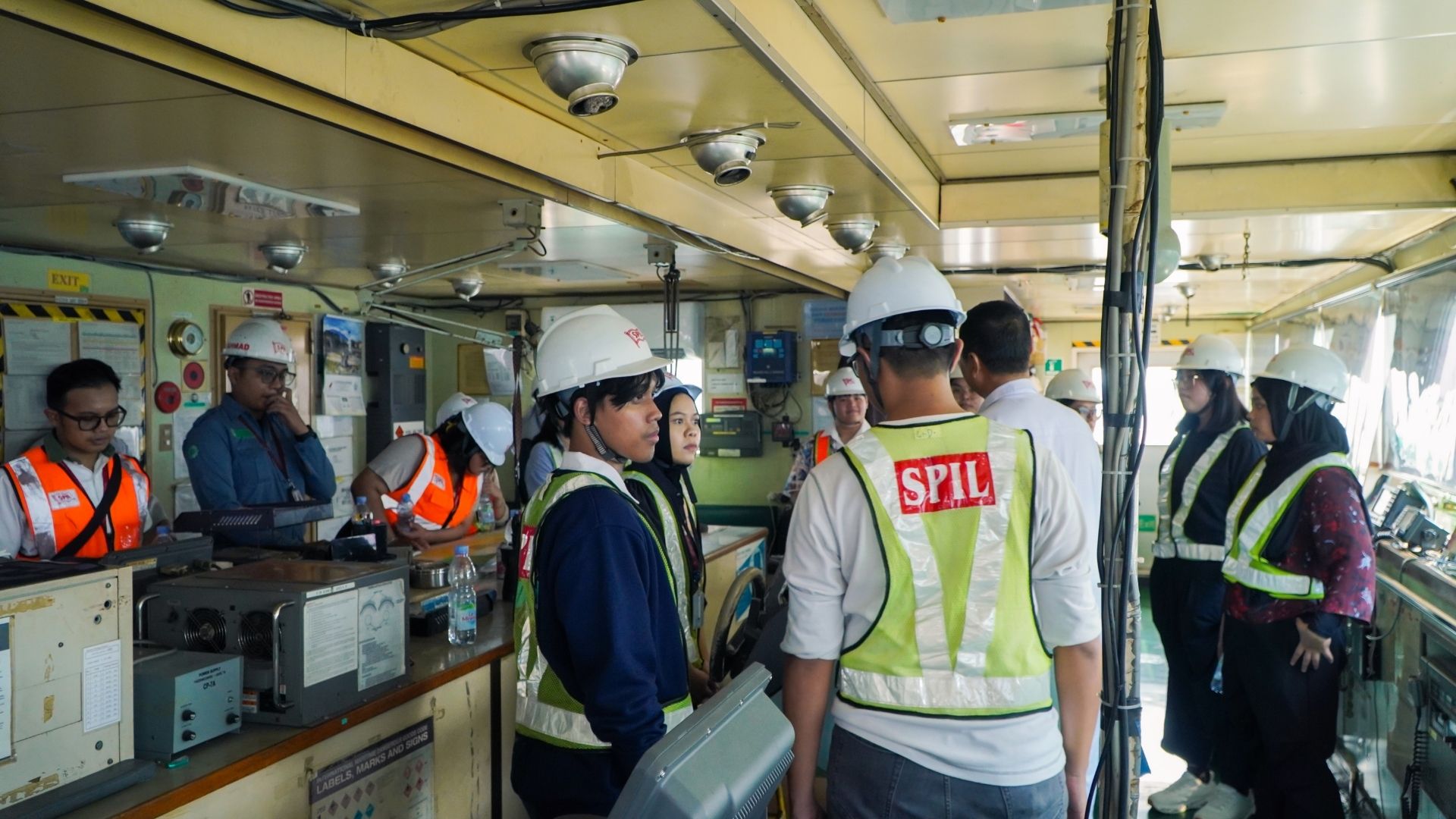
Meanwhile, for our students, the experience gave them direct exposure to a container shipping business by introducing them to SPIL’s operations, observing containers being loaded onto and unloaded from ships at the port, exploring a container vessel, and gaining insight into the functions of its different spaces and the specialized roles that support daily operations.
(Photo Credit: Mufti Al-Warits | Photo Editor: Andi D. Ahnafandra)
“Having the opportunity to observe shipping operations at the port gave me a new perspective on how many regulations must be followed in both domestic and international shipping,” said Keysha Carita Tania, expressing her enthusiasm after the field trip.
At the same time, she was particularly interested in how port authorities regulate vessel routes and departure schedules to keep operations safe and efficient.
(Photo Credit: Mufti Al-Warits | Photo Editor: Andi D. Ahnafandra)
“I was surprised by how detailed the planning is. Vessel schedules must be arranged precisely to prevent accidents and ensure that everything, from cargo handling to departures, runs according to schedule,” she added.
(Photo Credit: Mufti Al-Warits | Photo Editor: Andi D. Ahnafandra)
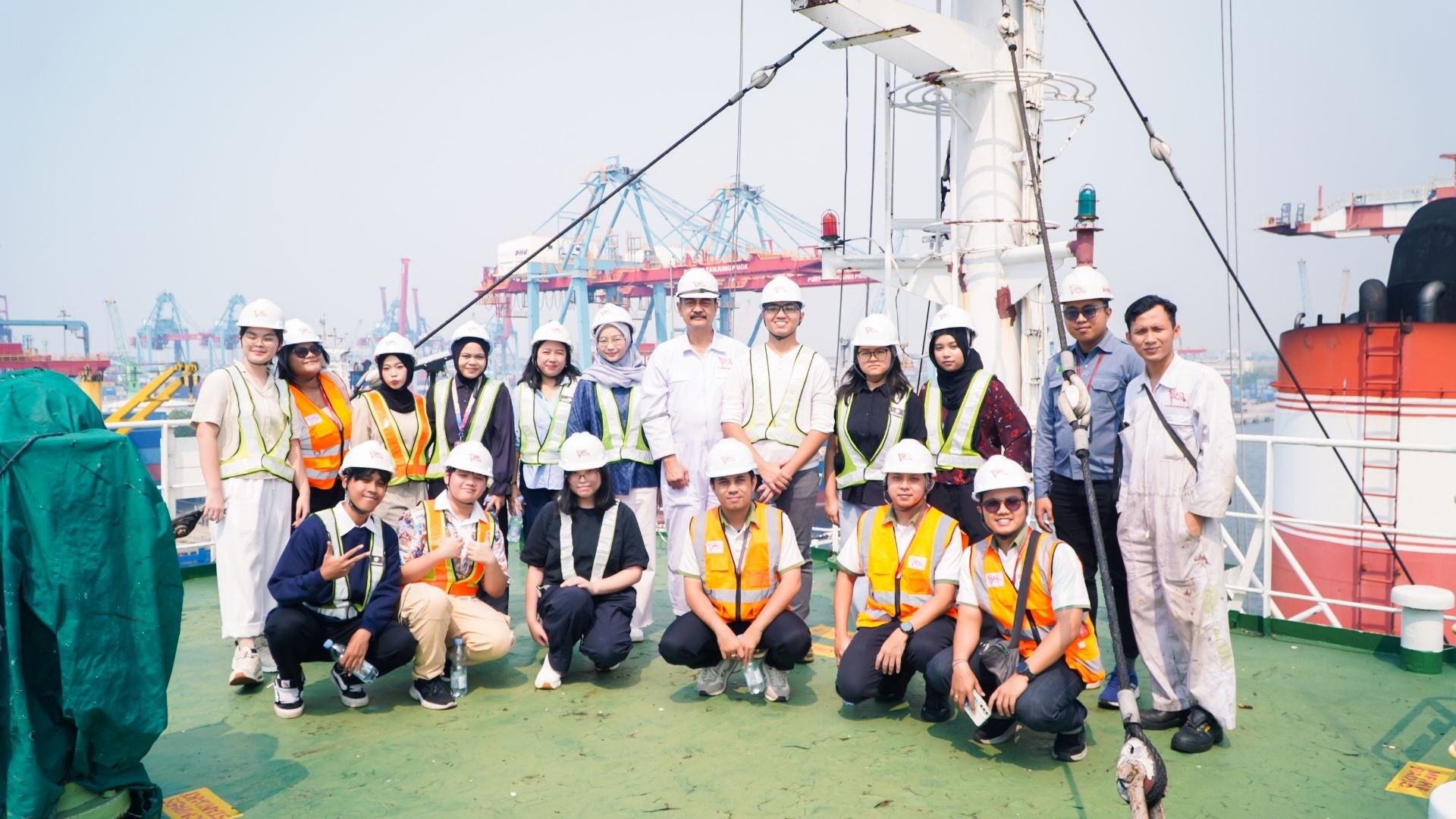
As the first step in a growing partnership between BINUS and SPIL, overall processes in this visit demonstrate the shared value of collaboration between academia and industry. For BINUS, the visit connected foreign policy theories with the realities of maritime trade, giving students a clearer understanding of how operational planning supports the movement of goods and the flow of trade. Meanwhile, for SPIL, it provided an opportunity to introduce the maritime logistics industry to a younger generation and help prepare future professionals for careers in this sector.
(Photo Credit: Mufti Al-Warits | Photo Editor: Andi D. Ahnafandra)
Looking ahead, we aim to create more collaborations that equip students with stronger industry insight, practical experience, and career preparation.
Author: Mita Adhisti
Editor: Aninda Rahmasari
... ... ...