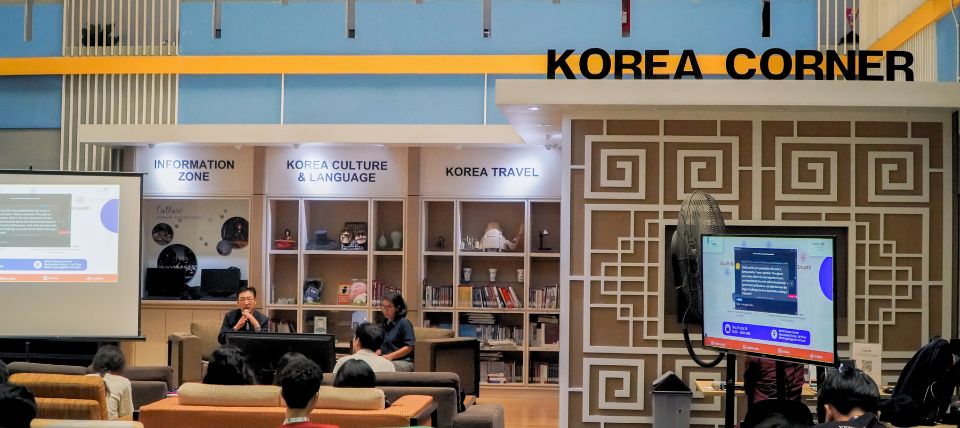
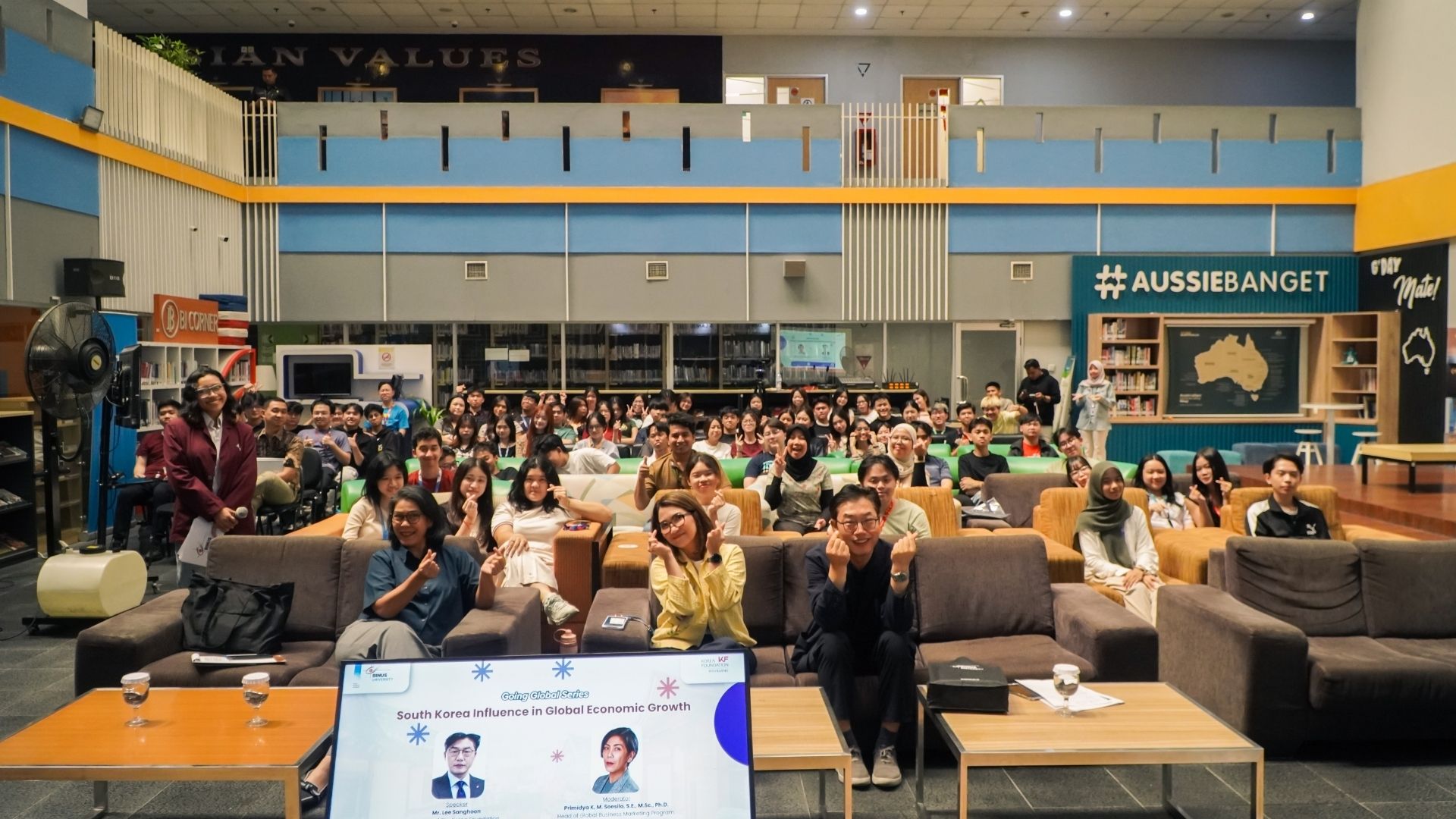
Jakarta, 15 October 2026 – The 1997-98 Asian Financial Crisis is a period of many of us in Asia remember well, as it greatly affected the economies of both Indonesia and South Korea (Basri, 2018). For Korea, the crisis became a turning point that accelerated industrial transformation and technological advancement, laying the foundation for its position as today\’s global economic powerhouse. To reflect on the country\’s journey and what it means for the shared future of Indonesia-Korea relations, Director Sanghoon Lee from the Korea Foundation Jakarta Office sat down with our Global Business Marketing students, at the Korea Corner, BINUS @Kemanggisan – Anggrek Campus.
(Photo Credit: Andi D. Ahnafandra)
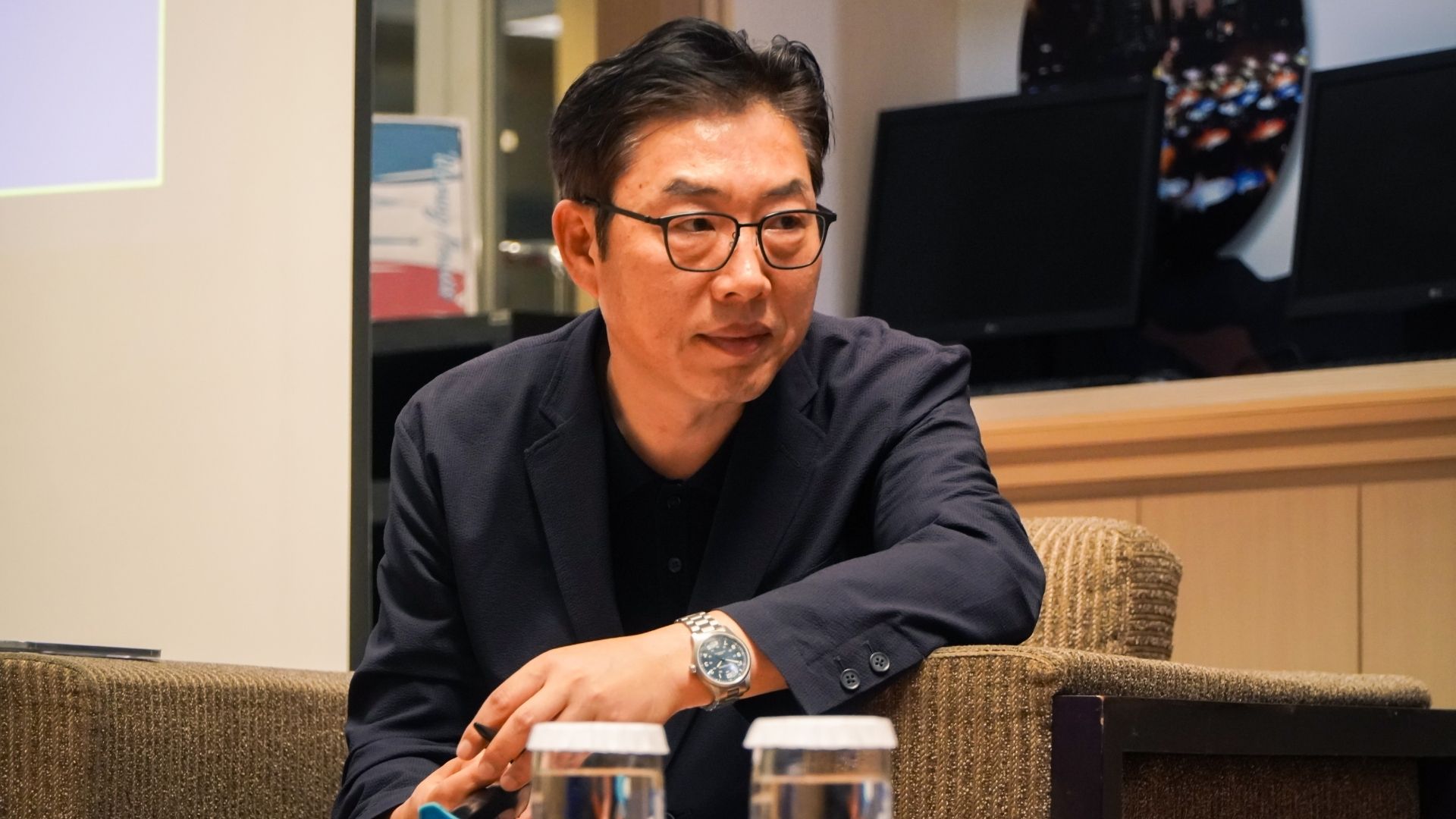
Looking back on Korea\’s industrial transformation journey, Director Lee reflected on his childhood in the Southeastern part of the country in the 1970s, the challenges brought by the financial crisis, the remarkable progress he sees today, and its prospects for the future.
“I grew up in Ulsan in the 1970s, when there was very little development around us. As Korea industrialized, petrochemical plants, steel mills, shipyards, and automobile factories became a familiar part of everyday life. The 1997-98 financial crisis then forced Korea to adapt and change. Since then, the country has undergone rapid transformation driven by manufacturing industries such as electronics that evolved into global brands, supported by financial reforms, restructuring, and digitalization,” he shared.
(Photo Credit: Andi D. Ahnafandra)
Today, one of the strongest examples of this transformation can be seen in semiconductor industry that has become one of the country’s key strengths, particularly in memory chips and advanced High Bandwidth Memory (HBM) technologies for AI applications and data centers. In 2025 alone, semiconductor exports reach approximately US$174.3 billion, making the sector one of its largest export contributors as industries around the world increasingly relying on these technologies to support AI and digital infrastructure.
(Photo Credit: Andi D. Ahnafandra)
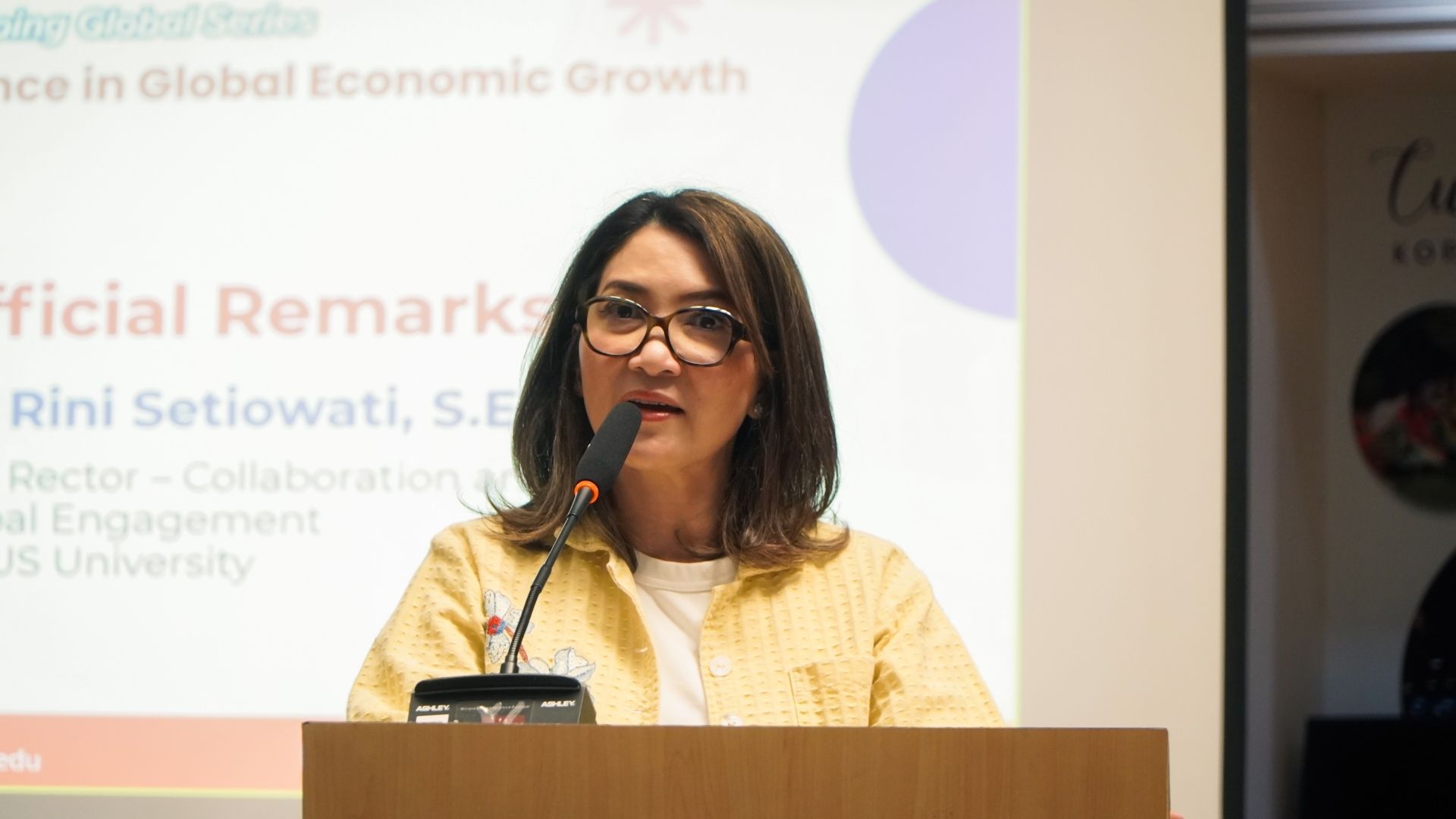
This growing global dependency also opens opportunities for closer cooperation between Korea and Indonesia. As both countries bring complementary strengths to the table, Vice-Rector Rini Setiowati in her opening speech also emphasized that the Indonesia-Korea Comprehensive Economic Partnership Agreement (IK-CEPA), which came into effect in January 2023 (KADI, 2024), continues to open new opportunities for bilateral trade, investment, technology transfer, and future economic cooperation.
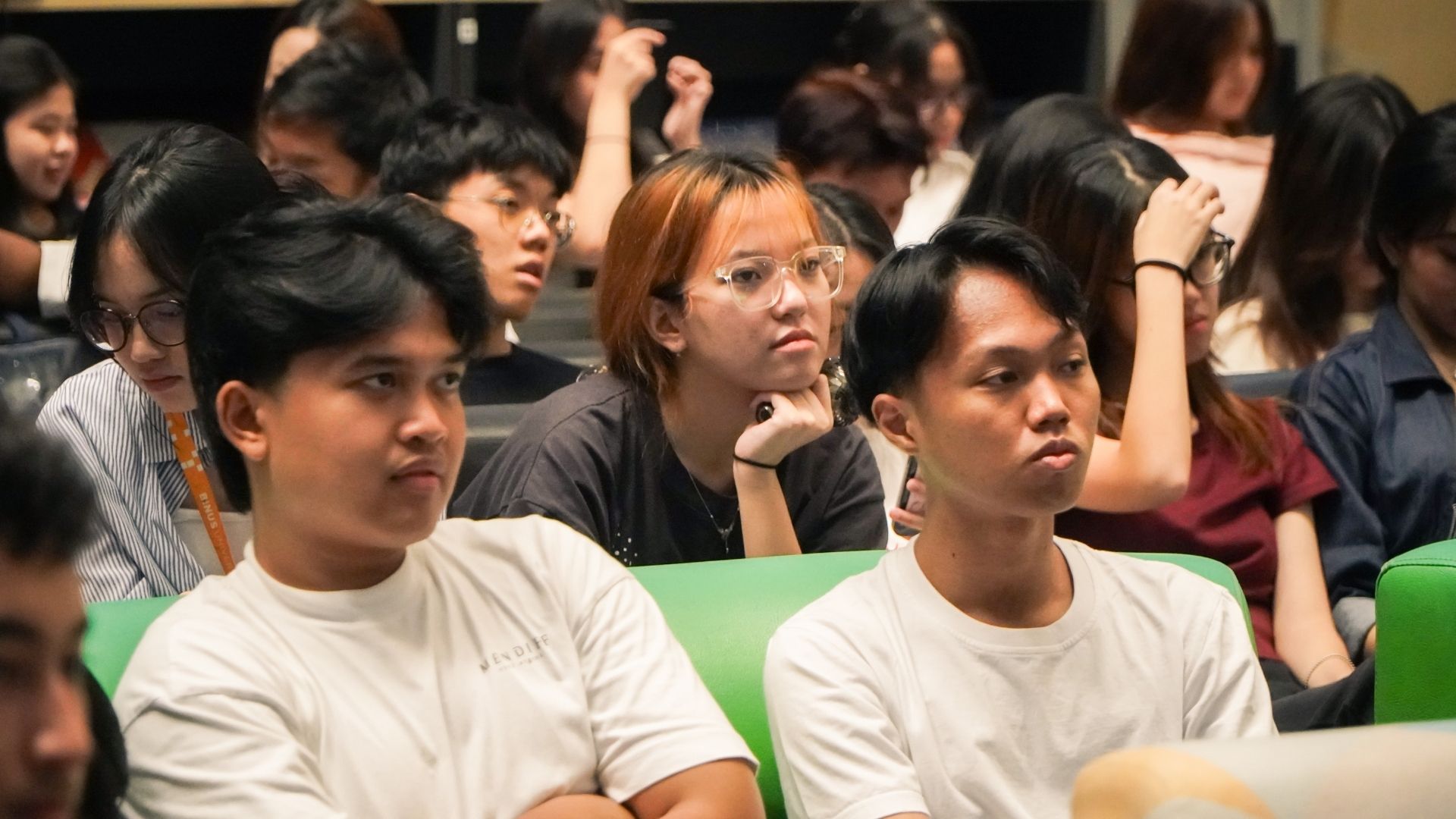
“Korea\’s strengths in technology, manufacturing, capital, and global networks complement Indonesia\’s abundant natural resources, large domestic market, skilled workforce, and strategic position in ASEAN. This complementarity continues to support dynamic trade between the two countries. In 2025, merchandise trade reached around US$18 billion,” added Director Lee.
(Photo Credit: Andi D. Ahnafandra)
The strong economic ties between the two countries were further reinforced on 1 April 2026, when President Prabowo Subianto and President Lee Jae Myung agreed to elevate bilateral relations to a Special Comprehensive Strategic Partnership, expanding cooperation across strategic sectors (Embassy of the Republic of Indonesia in Seoul, 2026).
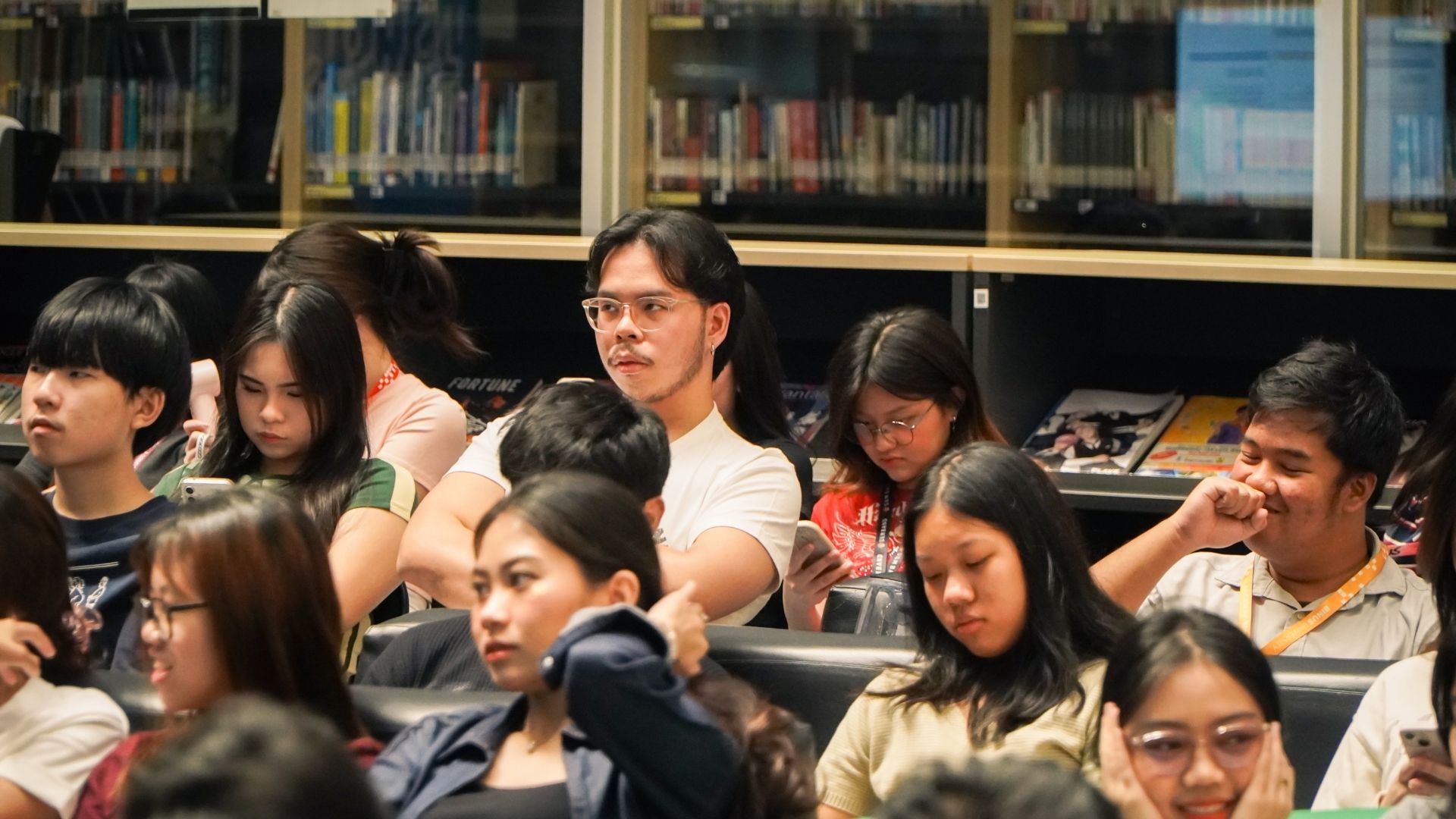
To bring these discussions into a practical context, students were challenged to develop, select, and defend strategic recommendations for Korean companies seeking to enter the Indonesian market. The exercise encouraged them to think critically about how the complementary strengths of both countries can be translated into real opportunities for business collaboration that will drive economic growth.
(Photo Credit: Andi D. Ahnafandra)
As Indonesia and Korea continue to strengthen their partnership, exchanges with global experts such as Director Lee offer valuable insights into the evolving relationship between the two countries. More importantly, they encourage our community, especially our students, to take an active role in shaping future collaborations and bringing the best of Indonesia to Korea and the global stage.
Author: Mita Adhisti | Editor: Yusuf Rifai
... ... ...