


Adaptive Reuse and Educational Integration
BINUS University integrates educational facilities into existing urban developments, utilizing established buildings and commercial environments to accommodate learning activities. Two examples are BINUS @Bandung at Paskal Hyper Square and the extension-class facility at Mall@Alam Sutera. Both initiatives demonstrate how educational functions can be integrated into existing commercial environments.
- BINUS @Bandung: Educational Integration within a Former Railway-Related Area
 |
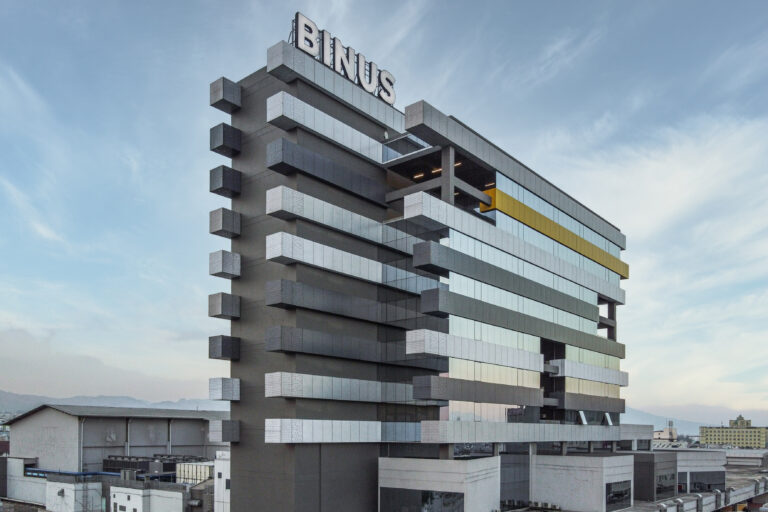 |
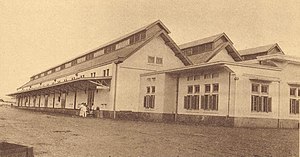
The Paskal area in Bandung has historical links to railway freight and warehouse activities around Bandung Gudang Station. Development of Paskal Hyper Square began in 2004, transforming the railway-related area into a commercial destination featuring retail, dining, and other urban activities.
In September 2017, BINUS University established its Bandung campus at Paskal Hyper Square, introducing an educational function into the revitalized area. By integrating higher education into this existing commercial development, BINUS contributes to the area’s continued use as a destination for learning, commerce, and social activities.
- BINUS @Alam Sutera: Reusing Existing Commercial Space for Education
 |
 |
In June 2023, detikFinance reported low visitor activity and several closed retail outlets at Mall@Alam Sutera. According to the mall’s management, occupancy was approximately 60%, alongside plans for renovation and tenant acquisition to improve the mall’s business performance.
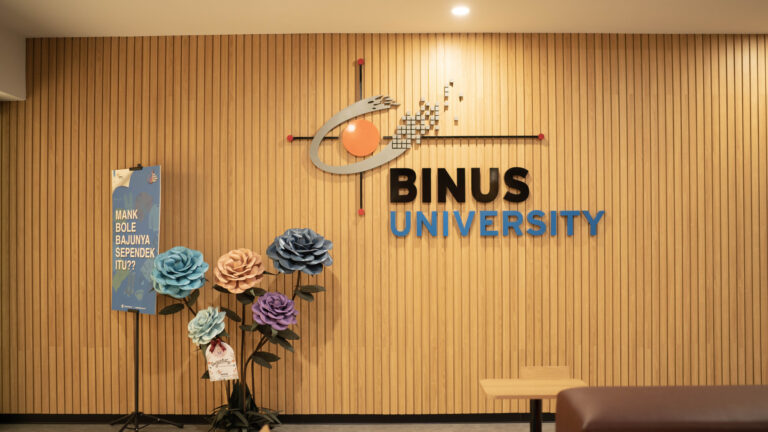
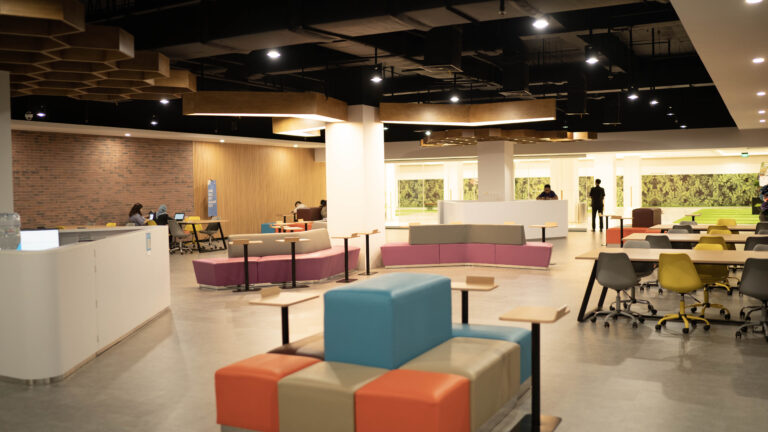
In September 2024, BINUS University opened an extension-class facility at Mall@Alam Sutera, introducing eight classrooms on the first floor, east side of the mall. Equipped with digital technology, lounge areas, discussion rooms, and collaborative learning spaces, the facility expands BINUS’s educational capacity within an existing commercial building without requiring a new standalone building.
The facility brings recurring student activity into the mall throughout the academic week. Students can access food and beverage outlets and other facilities before and after classes, creating opportunities for interaction between educational and commercial activities. This arrangement integrates learning into the mall’s existing retail, dining, and leisure environment.