


Local biodiversity included in planning and development
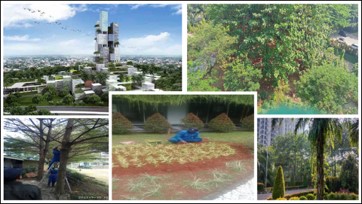
BINUS University integrates environmental sustainability considerations into campus planning and infrastructure development. As stated in Rector’s Decree No. 0136A (Part II, point O), the university promotes energy-saving measures and improved building energy efficiency. New buildings across its campuses incorporate design features such as wind tunnels to facilitate natural airflow, helping reduce reliance on air conditioning, alongside the provision of vertical gardens and green spaces.
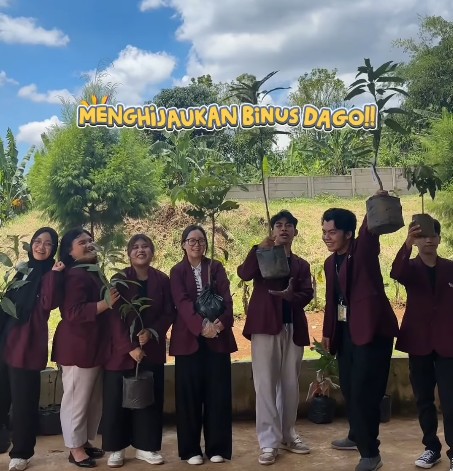
These principles are reflected in BINUS’s green campus initiatives, including Green Campus Alam Sutera and Green Campus Dago, which highlight environmentally conscious architectural design and the integration of vegetation into campus environments. The university also promotes tree planting through initiatives such as BINUS Green Legacy at the Dago Campus, involving lecturers and students in efforts to enhance campus greenery and environmental awareness.
At the Alam Sutera campus, mature trees, including a tree identified as teak (Tectona grandis), form part of the campus landscape. These trees provide structural features that can serve as perching sites and potential nesting habitats for birds, while offering shelter and resources for other organisms. The observed presence of additional vegetation growing on the teak tree may indicate interactions between different plant species, although the attached plant has not yet been identified. Such vegetation can contribute to the ecological complexity of the campus landscape. Retaining mature trees and green spaces within developed areas can therefore help create opportunities for local wildlife to coexist within the built environment.
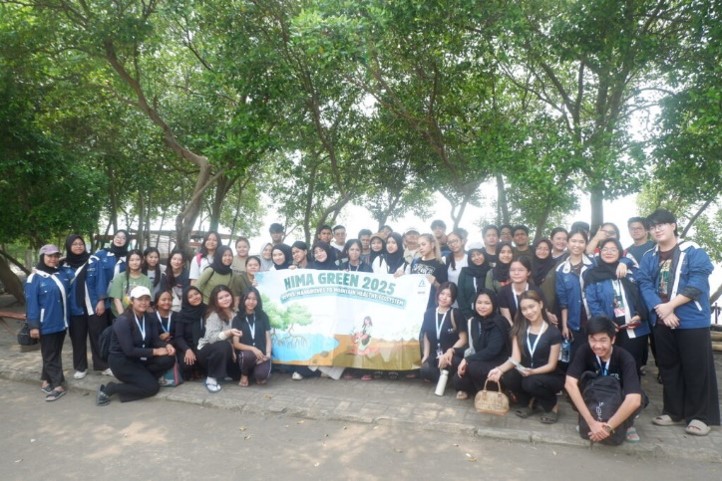
Beyond the campus environment, BINUS University also contributes to biodiversity conservation in broader ecosystems through initiatives such as HIMA Green 2025: “Revive Mangroves to Maintain Healthy Ecosystem,” organized in collaboration with the local Kelompok Tani Hutan (KTH) Kampung Bahari. The initiative involved mangrove planting and educational activities to promote understanding of mangrove ecosystems and the importance of protecting coastal biodiversity. This initiative complements the university’s campus greening efforts by extending environmental engagement to coastal ecosystem conservation.
BINUS University’s environmental policies and conservation initiatives provide a foundation for promoting sustainable institutional development. By incorporating environmental considerations into campus planning, infrastructure development, and green space management, the university can support the coexistence of the built environment and local biodiversity. Campus greening, tree planting, and mangrove conservation demonstrate the university’s broader environmental commitment. Further integration of biodiversity assessments, locally appropriate plant selection, and habitat protection into development planning would help ensure that local ecosystems are considered more systematically in institutional decisions and protected over the long term.