


Support for Under-Represented Groups
BINUS University demonstrates its commitment to supporting students from underrepresented groups through institutional counselling services, mental health awareness initiatives, and targeted assistance for students from financially disadvantaged backgrounds. These programmes help address emotional, personal, academic, and financial challenges that may affect students’ well-being and participation in higher education. Through these complementary forms of support, BINUS University seeks to foster an inclusive academic environment where students can access assistance according to their needs.
- Institutional Counselling and Student Support Services
The Student Advisory and Support Center (SASC) serves as an institutional resource for student guidance and support at BINUS University. Through its student support services, BINUS provides a channel for students seeking assistance with personal concerns, emotional well-being, and challenges encountered during their university experience.
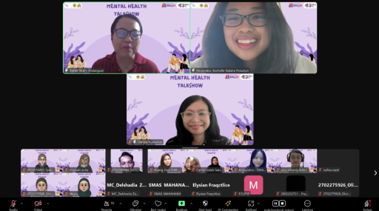
- Counselling and Personal Support: SASC provides a point of access for students who need guidance in addressing personal and student-life challenges.
- Student Well-being: Access to support services helps students navigate difficulties that may affect their well-being and engagement with university life.
- Inclusive Student Support: Institutional support services complement BINUS University’s broader commitment to an academic environment in which students can seek assistance when facing individual challenges.
These services provide an institutional foundation for student support and contribute to a more supportive university experience.
- Mental Health Awareness and Emotional Well-being Initiatives
BINUS University also promotes mental health awareness through campus activities that encourage students to reflect on their emotional well-being and recognize the importance of psychological health. In November 2025, BINUS published “Mosaic of Me: Pause and Find Your Pieces,” an activity associated with World Mental Health Day 2025.
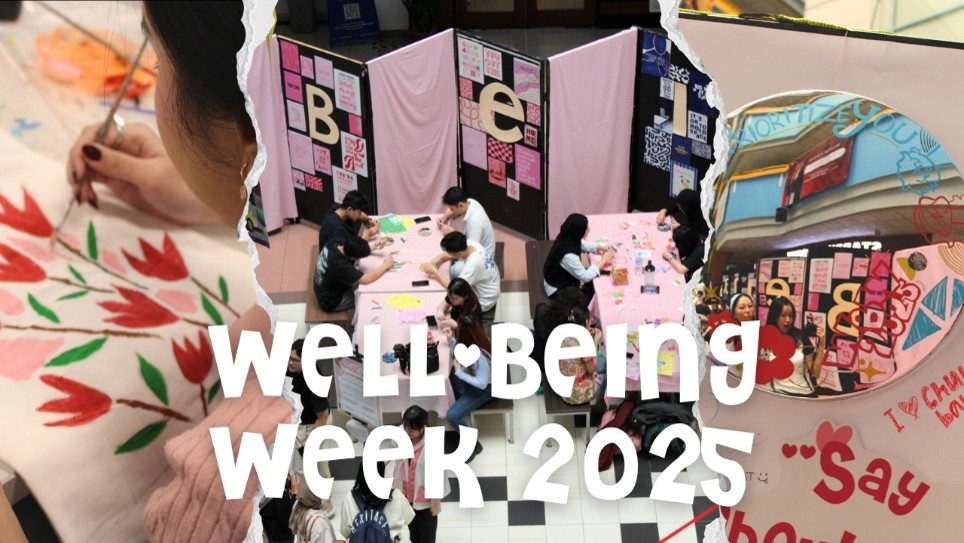
- Mental Health Awareness: The initiative provides a platform for engaging the university community in conversations and activities related to mental well-being.
- Self-reflection and Emotional Well-being: The theme encourages participants to pause, reflect on their experiences, and recognize the importance of caring for their mental health.
- A Supportive Campus Environment: Mental health awareness activities complement institutional counselling by encouraging openness around well-being and helping build a campus culture that recognizes the importance of psychological support.
Together, awareness initiatives and counselling services represent complementary approaches to student well-being: one encourages awareness and engagement, while the other provides an institutional channel for seeking assistance.
- Targeted Support for Students from Low-Income and Underrepresented Backgrounds
BINUS University provides targeted assistance to students from financially disadvantaged backgrounds through scholarship programmes developed with partners, foundations, and alumni. According to BINUS University’s Low-Income Student Support initiative, this assistance extends beyond tuition coverage to address additional needs that may affect students’ ability to continue their studies.
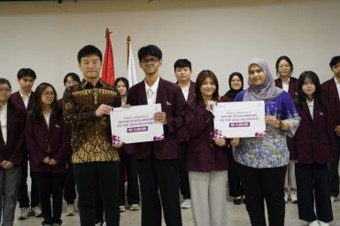
- Scholarships for Underrepresented Students: Programmes include the Affirmation Scholarship for students from regions requiring special attention, the Wibowo Scholarship for financially disadvantaged students, the ADIK Scholarship for students from specific regions including Papua and children of migrant workers, and other forms of educational assistance.
- Additional Educational Support: Depending on the scholarship programme, assistance may include monthly stipends, textbooks, laptops, internship opportunities, transportation, dormitory accommodation, and free meals.
- Reducing Barriers to Academic Participation: By addressing financial and practical challenges, these programmes help students from low-income backgrounds pursue and complete their education more effectively.
Although financial assistance differs from counselling or mentoring, it complements student support services by addressing economic barriers that may affect educational participation and well-being.