



ICOBAR – FIDI 2025 Highlight: Dr. Diena Calls for More Women in Leadership Roles
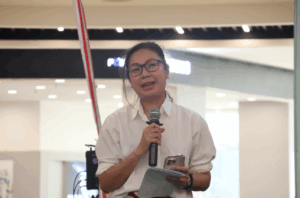
On the second day of ICOBAR – FIDI Joint Scientific Forum 2025, Dr. drh. Diena Dwidienawati, M.M. from BINUS University underscored the importance of advancing women into leadership roles as a strategic step for sustainability and competitiveness.
Drawing from her professional experience, Dr. Diena observed that many women often decline leadership opportunities despite having the capability and qualifications. Data from the World Economic Forum shows women currently hold just 26–32 percent of senior leadership positions worldwide, with Asia lagging even further behind. She emphasized that empowering women leaders is not merely about fairness but about ensuring resilience and competitive advantage for organizations.
Research findings support this point, showing that companies with gender-diverse leadership teams are more profitable, adopt more sustainable practices, and exercise stronger governance. To help organizations move forward, Dr. Diena presented her Sustainable Female Leadership Framework, developed from four years of research involving more than 1,000 Indonesian women. The framework rests on three pillars: psychological readiness, social and cultural enablers, and organizational and policy structures.
During the discussion session, Dr. Diena noted that cultural expectations and rigid social roles remain the biggest challenges for Indonesian women in pursuing leadership. She stressed that without equal family support or workplace flexibility, many women find it difficult to advance. She also highlighted that organizations can begin implementing change by reviewing their policies, starting with flexible working arrangements, gender-sensitive promotion systems, and structured mentorship opportunities.
She further pointed out the significant role universities can play in preparing future female leaders. Through leadership training, mentorship programs, and networking opportunities, higher education institutions can build the skills and confidence women need to succeed in senior roles.
Concluding her session, Dr. Diena reminded the audience that female leadership is not simply a moral obligation but a strategic decision for building inclusive, sustainable, and resilient organizations.
#FemaleLeadership #Sustainability #WomenEmpowerment #ICOBAR2025 #BINUSUniversity
Comments :