



International Research and Collaboration
International Collaboration: BIC-SUS and RMIT University
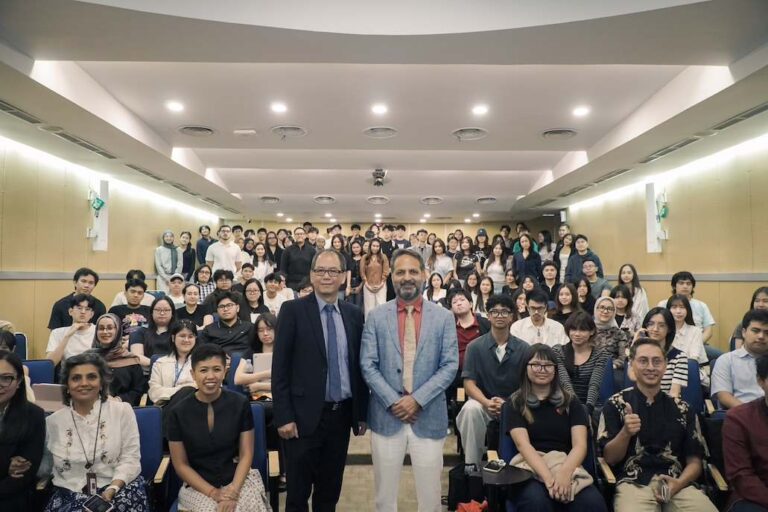
The collaboration between the BINUS Center for Sustainability (BIC-SUS) and RMIT University represents a strategic international partnership aimed at advancing research, policy development, and capacity building in sustainability and ESG, particularly within the Indonesian and Indo-Pacific context. This partnership integrates academic expertise, industry relevance, and policy engagement to address pressing sustainability challenges, with a strong focus on energy transition and ESG measurement.
A key milestone in this collaboration was the Roundtable Meeting held in October 2025, which brought together academics, industry representatives, and policy stakeholders. The roundtable served as a platform to critically discuss Indonesia’s readiness and challenges in transitioning toward a low-carbon economy. Key discussions centered on:
- The alignment of ESG frameworks with national energy transition targets
- The role of corporate disclosures in supporting sustainable procurement and clean energy adoption
- Barriers to implementation, including regulatory gaps, data availability, and institutional readiness
- Opportunities for integrating international standards (e.g., IFRS S1/S2, GRI) into local practices
The roundtable emphasized the importance of evidence-based policymaking, highlighting the need for measurable indicators and data-driven approaches—areas where initiatives such as SPDI and AI-driven ESG analytics can play a critical role.
Building on the outcomes of the discussion, the collaboration produced a Policy Brief on Energy Transition and ESG Integration. The policy brief provides:
- Strategic recommendations for policymakers to strengthen ESG governance in the energy sector
- Guidelines for improving transparency and disclosure, particularly in sustainable procurement and supply chains
- Insights for industry practitioners on aligning business strategies with Indonesia’s net-zero and energy transition goals
- Comparative perspectives drawing from international best practices, particularly from Australia and the broader Indo-Pacific region
Key Stakeholders Involved
The collaboration involved a multi-stakeholder ecosystem, including:
- Academic Partners:
- BIC-SUS and BINUS Business School faculty members
- RMIT University researchers, particularly in sustainability, urban planning, and ESG
- Key Academic Lead:
- Professor Prem Chhetri (RMIT University) – a leading expert in sustainability and urban systems, playing a central role in shaping the research direction and facilitating international collaboration
- BINUS Representatives:
- Faculty members and researchers from International Business Management and Accounting
- ESG and sustainability researchers involved in SPDI and related projects
- Industry and Policy Stakeholders:
- Representatives from energy, finance, and corporate sectors
- Government and regulatory stakeholders involved in sustainability and energy transition policies
Overall Impact
This collaboration has strengthened BIC-SUS’s position as a regional hub for sustainability research and policy engagement, while enabling knowledge transfer between Indonesia and global partners. It demonstrates a shift from academic discussion toward impact-driven collaboration, where research outputs—such as the policy brief—directly contribute to national sustainability agendas and industry transformation.