

Energy Transition Initiative
Energy Transition Initiative: Driving Sustainable Transformation through BIC-SUS
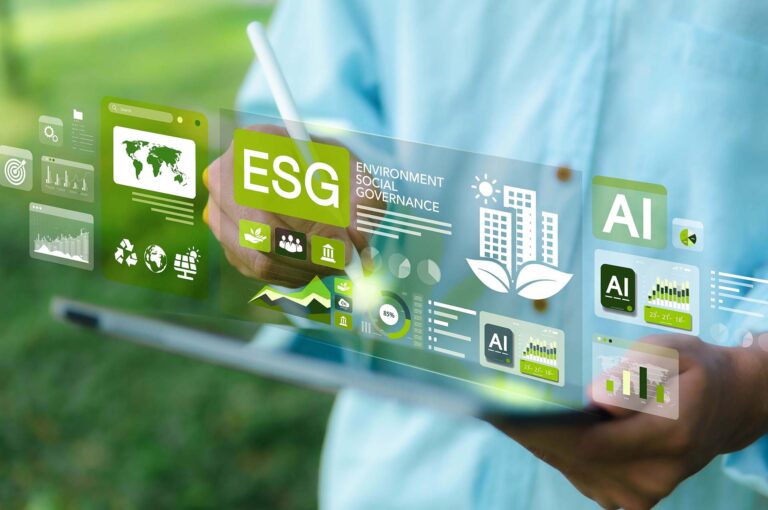
The energy transition project led by the BINUS Center for Sustainability (BIC-SUS) focuses on supporting Indonesia’s shift from a carbon-intensive energy system toward a low-carbon, renewable, and sustainable energy future. As illustrated, the transition reflects a movement away from dependence on fossil fuels—particularly coal—toward cleaner energy sources such as solar, wind, and other renewables.
This transformation is not only a technological shift but also a systemic change involving policy, business strategy, and societal behavior. Indonesia’s commitment to achieving net-zero emissions by 2060 requires coordinated efforts across multiple sectors, where ESG principles play a critical role in ensuring that the transition is both environmentally effective and socially inclusive.
BIC-SUS focuses on energy transition as a strategic priority for several key reasons. First, the energy sector is one of the largest contributors to carbon emissions, making it central to climate action and sustainability agendas. Second, the transition presents significant economic and business opportunities, particularly in renewable energy investment, green finance, and sustainable supply chains. Third, there is a pressing need for data-driven and measurable frameworks to guide decision-making—an area where BIC-SUS contributes through ESG measurement tools, including SPDI and AI-driven analytics.
The initiative also emphasizes the integration of academic research, policy engagement, and industry collaboration. BIC-SUS supports evidence-based policymaking, contributes to national and regional discussions on energy transition, and develops practical solutions through research and innovation. At the same time, it prepares future leaders by embedding energy transition topics into curriculum development across undergraduate, postgraduate, and doctoral programs.
Ultimately, the energy transition initiative positions BIC-SUS as a key enabler of sustainable transformation in Indonesia, bridging knowledge, policy, and practice to accelerate the country’s journey toward a resilient and low-carbon economy.