

Community Engagement
Community Engagement: Empowering Society through Sustainability Action
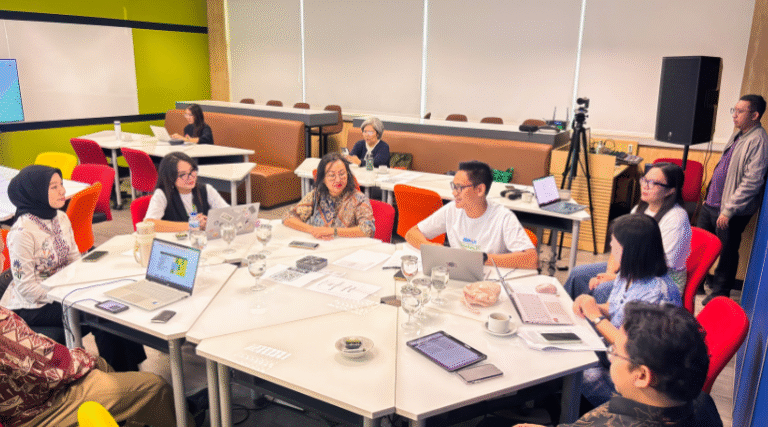
Community engagement is a core pillar of the BINUS Center for Sustainability (BIC-SUS), reflecting its commitment to translating sustainability knowledge into real-world impact. Through active involvement of students and faculty members, BIC-SUS fosters a culture of participation, responsibility, and social contribution, ensuring that sustainability is not only taught but also practiced within and beyond the university.
At the heart of this initiative is the integration of student and faculty engagement into sustainability-driven activities. Students are encouraged to participate in community-based projects, applying ESG concepts in practical settings such as environmental audits, sustainability assessments, and social impact initiatives. Faculty members play a dual role as mentors and facilitators, guiding students while also contributing their expertise to community development programs. This creates a living learning ecosystem, where academic knowledge is directly connected to societal needs.
One of the key areas of engagement is waste management and environmental awareness initiatives. BIC-SUS organizes and supports activities such as:
- Community clean-up programs and campus waste reduction campaigns
- Waste segregation and recycling education for local communities
- Collaborative projects with local stakeholders to improve waste management systems
- Awareness campaigns promoting circular economy practices and responsible consumption
These initiatives not only address pressing environmental issues but also serve as hands-on learning platforms for students to understand sustainability challenges at the grassroots level. Through such activities, participants develop practical skills, empathy, and a deeper awareness of environmental and social responsibility.
Moreover, community engagement initiatives are designed to be collaborative and inclusive, involving partnerships with local communities, NGOs, government bodies, and industry players. This multi-stakeholder approach ensures that solutions are context-relevant and sustainable in the long term.
Ultimately, BIC-SUS positions community engagement as a bridge between education, research, and societal impact, empowering individuals and communities to actively contribute to a more sustainable future.