

About Us
The establishment of the Binus Center of Excellence in Sustainability (BIC-SUS) emerged from BINUS University’s growing commitment to integrating sustainability principles into higher education, research, and industry engagement. The idea was initially developed throughout 2024 through a series of sustainability-oriented academic discussions, ESG research forums, and collaborative initiatives involving lecturers, researchers, and industry practitioners across BINUS campuses. Early activities such as the ESG Research Forum, the Indo Pacific Forum World Café Session, and sustainability-focused academic workshops highlighted the increasing importance of Environmental, Social, and Governance (ESG) issues within Indonesian higher education and business ecosystems.
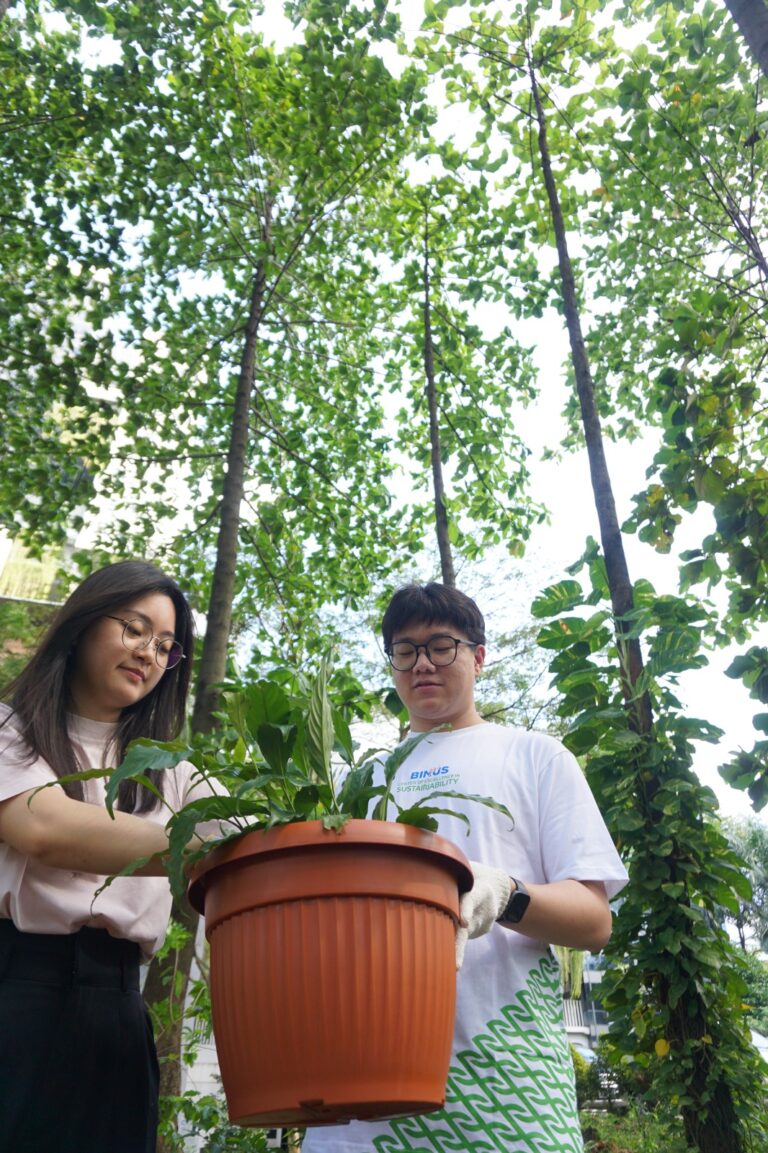
BIC-SUS was designed as a strategic platform to bridge academia, industry, government, and society in promoting sustainable development practices. The center was established to support BINUS University’s long-term vision of “Fostering and Empowering Society in Building the Nation,” while also strengthening the university’s contribution toward the Sustainable Development Goals (SDGs). From its inception, BIC-SUS focused on sustainability education, ESG research, policy discussions, professional certification, and collaborative innovation. The center also aimed to address the growing need for ESG capabilities among academics, students, corporations, SMEs, and public institutions in Indonesia.
The formal establishment of BIC-SUS was officially inaugurated on 1 July 2025 during the 44th Dies Natalis celebration of BINUS University. The inauguration ceremony was officiated by the Rector of BINUS University, Dr. Nelly, S.Kom., M.M., together with the Vice President of BINUS Higher Education, Prof. Dr. Ir. Harjanto Prabowo, M.M. This milestone represented BINUS University’s institutional commitment to sustainability leadership and interdisciplinary collaboration. Shortly after its establishment, BIC-SUS organized several flagship initiatives, including ESG Forums, stakeholder engagement discussions, sustainability training programs, and collaborative sessions with international partners such as RMIT University Australia.
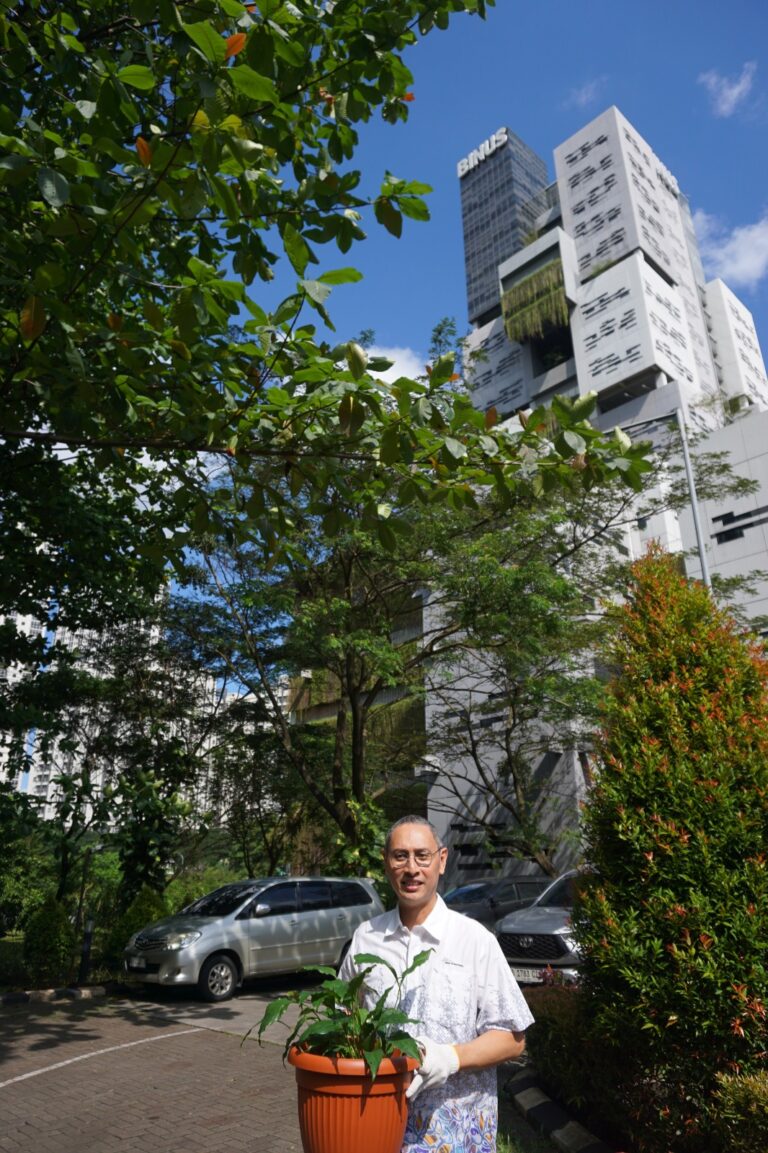
During its first year, BIC-SUS concentrated on building its institutional foundation through ESG forums, sustainability educational blueprints, collaborative research, and the development of ESG databases and professional training modules. The center also initiated partnerships with academics, regulators, industries, and international experts to strengthen sustainability discourse and implementation in Indonesia. Under the leadership of Prof. Yanthi Hutagaol and supported by multidisciplinary faculty members from various BINUS departments, BIC-SUS positioned itself as an emerging center for ESG knowledge production, training, and applied sustainability research.
Entering its second year, BIC-SUS expanded its strategic focus toward energy transition and sustainable finance, aligning its programs with Indonesia’s transition toward a low-carbon economy. The center introduced initiatives related to Sustainable Procurement Disclosure Index (SPDI), ESG for energy professionals, carbon accounting, AI-based ESG monitoring systems, and policy-oriented white papers on energy transition. Supported by international collaborations, particularly with RMIT University and Prof. Prem Chhetri, BIC-SUS evolved beyond a university-based center into a broader platform for sustainability transformation, policy engagement, and interdisciplinary innovation. Through these developments, BIC-SUS continues to strengthen BINUS University’s role as a leading institution in sustainability education, ESG implementation, and societal impact in Indonesia and the global academic community.