



BINUS Center of Excellence in Sustainability Launches White Paper Toward Indonesia’s Industrial Energy Transition
Jakarta, 19 November 2026 – With Indonesia moving toward its net-zero emissions target by 2060, BINUS University, through its BINUS Center of Excellence in Sustainability (Bic-Sus), has published a white paper Designing for Scale: Building an Energy Transition Ecosystem for Industry in Indonesia. This publication explores the gap between ambition and implementation in Indonesia’s industrial energy transition.
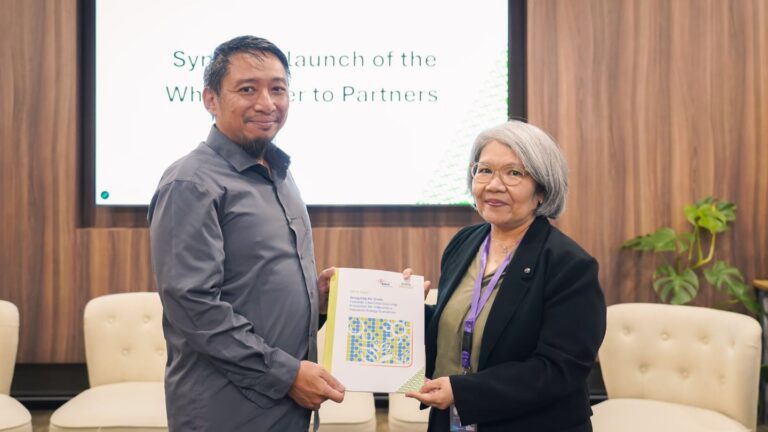
(Photo Credit: Kevin Lee | Photo Editor: Mufti Al-Warits)
The study draws on policy reviews, case studies, and focus group discussions (FGDs) with stakeholders involved in the energy transition to identify five major gaps hindering the implementation of industrial energy transition practices: information, knowledge, capabilities, financing, and partnership networks.
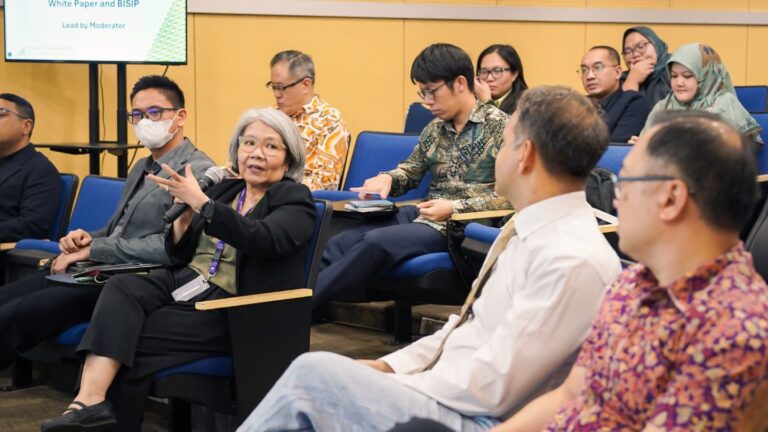
“This white paper introduces the ‘Designing for Scale’ framework, developed through research conducted by our team of experts in Environmental, Social, and Governance (ESG), to bridge the gaps between policy, technological innovation, and practical industry needs,” explained Prof. Yanthi R.I. Hutagaol, Chairwoman of Bic-Sus.
(Photo Credit: Kevin Lee | Photo Editor: Mufti Al-Warits)
The 2025 RMIT–BINUS policy brief laid the foundation for this study. It provided recommendations on strengthening electricity grids and transmission infrastructure, reforming coal pricing and subsidies, encouraging private sector investment, and accelerating the decarbonization of emissions-intensive industries.
Based on these findings, Designing for Scale introduces two interconnected approaches to building a scalable and sustainable energy transition ecosystem. Scale Up focuses on expanding adoption and impact, while Scale Deep focuses on strengthening capabilities, collaboration, and long-term sustainability practices.
(Photo Credit: Kevin Lee | Photo Editor: Mufti Al-Warits)
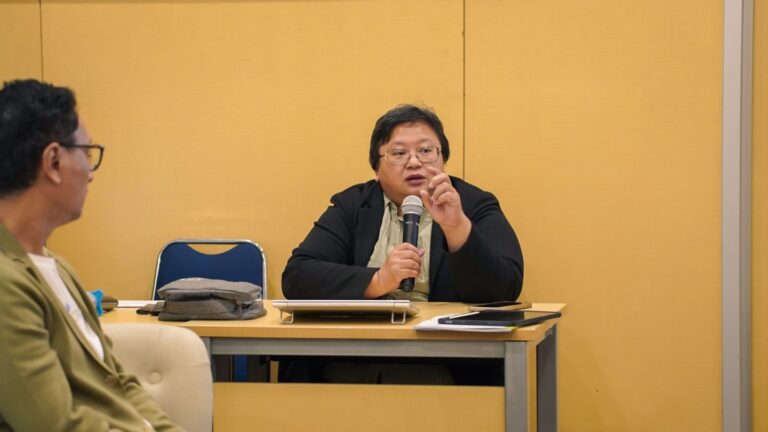
The framework is structured around five integrated areas of support: access to project information, policies and implementation evidence; implementation learning; applied technical support; project preparation; and partnership coordination. To put the framework into practice, Bic-Sus experts recommend an 18-month pilot program that engages selected industrial companies.
The program adopts a co-design method that encourages collaboration among government, industry, universities, financial institutions, and other relevant institutions. Through this multi-stakeholder engagement, a successful energy transition will extend beyond the adoption of low-carbon technologies to encompass stronger industrial capabilities and the wider implementation of sustainable practices across sectors.
The full publication is available at: https://binus.ac.id/coe-sustainability/post/white-paper
Author: Mita Adhisti