


BIC-Sus Industry Roundtable Discussion on Indonesia’s Just Energy Transition
October 23, 2025 – The BINUS Center of Excellence in Sustainability (Bic-Sus) successfully hosted the Industry Roundtable Discussion titled “Scoping Research Collaborations for Indonesia’s Just Energy Transition.” The discussion brought together representatives from academia, industry, government-related institutions, and sustainability stakeholders to exchange perspectives on the opportunities and challenges surrounding Indonesia’s transition toward a sustainable energy future.
The forum highlighted the growing urgency of climate change and the importance of collaborative action in accelerating Indonesia’s commitment toward Net Zero Emissions (NZE). Participants discussed how sustainability and Environmental, Social, and Governance (ESG) initiatives are increasingly becoming key considerations for companies and financial institutions, particularly in relation to investment readiness, international funding opportunities, and long-term business resilience.
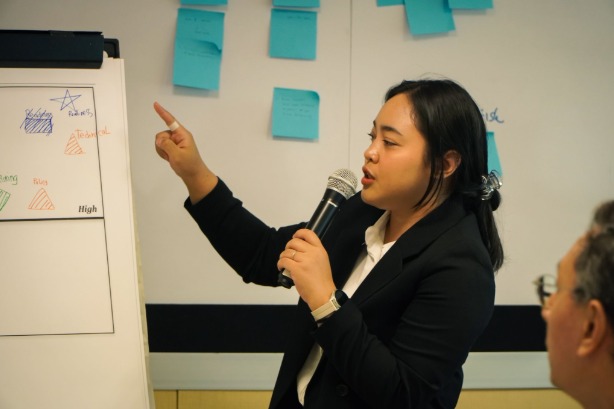
Throughout the discussion, participants explored several critical questions surrounding Indonesia’s energy transition, including policy consistency, infrastructure readiness, affordability of renewable energy, and institutional coordination between ministries and state-owned enterprises such as PLN.
(Photo Credit: Mufti Warits)
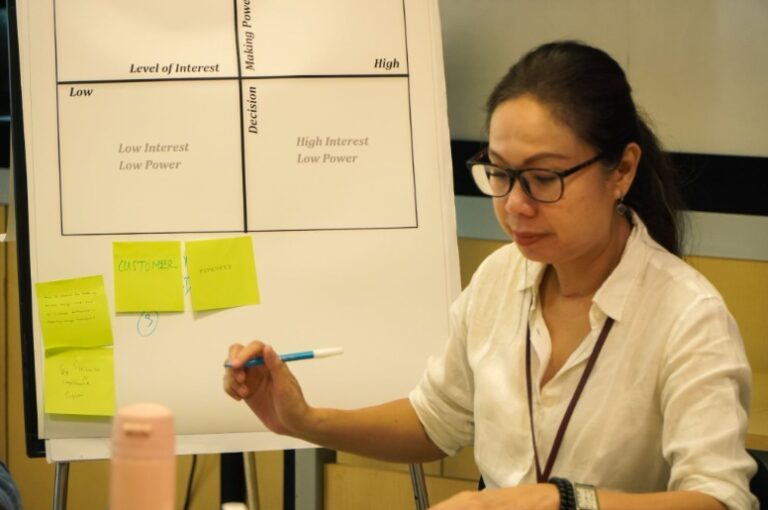
One of the main points discussed was the role of the Indonesian government in steering and enforcing the Just Energy Transition (JET) agenda. Participants emphasized the importance of having clear and stable policies to support long-term investments in renewable energy infrastructure and sustainable business transformation.
Representatives from the energy sector shared perspectives on the recently issued National Energy Policy and the latest PLN Electricity Supply Business Plan (RUPTL) 2025–2034, which places renewable energy as a major component of future power development. It was highlighted that nearly 70% of future power plant development is expected to come from renewable energy sources as part of Indonesia’s pathway toward achieving net zero emissions.
(Photo Credit: Mufti Warits)
The discussion also addressed the financial and operational challenges faced by PLN and other stakeholders in balancing reliability, affordability, and decarbonization. Participants noted that while renewable energy projects often involve higher investment costs, government support through regulations, subsidies, and compensation mechanisms plays a crucial role in creating a sustainable investment climate.
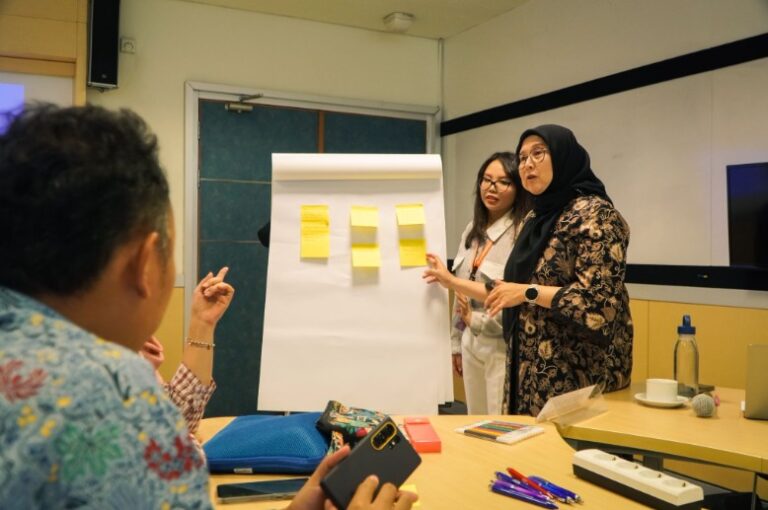
From the corporate perspective, industry representatives shared insights into the challenges of implementing sustainability commitments and electric vehicle (EV) adoption. One of the major concerns raised was the inconsistency of EV subsidy policies, which significantly affects business planning and market readiness. Companies also highlighted the importance of building a complete EV ecosystem, including charging infrastructure and supply chain adaptation.
Several participants also discussed how companies are currently developing their Net Zero Emission roadmaps by focusing on Scope 1, Scope 2, and Scope 3 emissions. While direct operational emissions remain relatively manageable, Scope 3 emissions continue to present significant challenges due to their dependence on suppliers, waste management systems, and broader business ecosystems.
The forum further emphasized the importance of ensuring that energy transition efforts remain inclusive and equitable. Participants highlighted that while Indonesia is progressing toward cleaner energy systems, there are still communities in remote and underdeveloped regions that only recently gained access to electricity. This perspective reinforced the importance of balancing sustainability ambitions with equitable access to energy and economic development.
(Photo Credit: Mufti Warits)
In addition to discussing policy and industry challenges, the roundtable also explored potential funding mechanisms for sustainability initiatives and collaborative research projects. Potential funding sources discussed included government funding through the national budget (APBN), international sustainability grants, self-funded initiatives, and support from international institutions such as the Just Energy Transition Partnership (JETP).
Through this Industry Roundtable Discussion, Bic-Sus aims to strengthen cross-sector collaboration and encourage the development of practical, research-driven solutions that can support Indonesia’s sustainable energy transition. The event reflects Bic-Sus’ ongoing commitment to fostering dialogue between academia, industry, and policymakers in creating a more sustainable and resilient future for Indonesia.