


BIC-SUS ESG Forum IV Calls for Sustainability Beyond Compliance
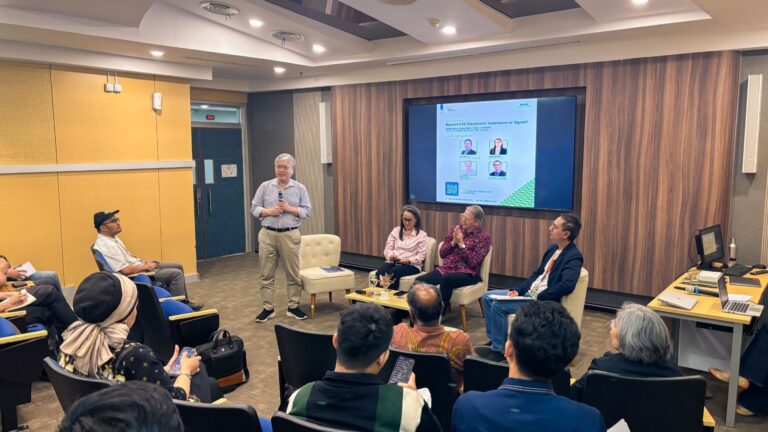
Jakarta, 17 July 2026 – Environmental, Social, and Governance (ESG) reporting has become a visible measure of corporate responsibility, but a well-produced report does not always reveal what is happening inside a company. This gap between what companies communicate and what they actually deliver shaped the discussion at the ESG Forum IV organized by the BINUS Center of Excellence in Sustainability (BIC-SUS) on 15 July at BINUS @Senayan – JWC Campus.
 (Photo Editor: Andi D. Ahnafandra)
Under the theme “Beyond ESG Disclosure: Substance or Signal?”, the forum brought together academics, business leaders, sustainability professionals, and students to find the answer: Do ESG disclosures genuinely reflect corporate sustainability performance, or have they become little more than a signaling mechanism?
 (Photo Editor: Andi D. Ahnafandra)
Since its establishment in July 2025, BIC-SUS has evolved into more than a center for academic exchange. Led by Prof. Yanthi Hutagaol, a distinguished academic in the Financial Accounting and Corporate Finance, the center serves as a meeting point for multi-stakeholders to exchange knowledge, challenge established practices, and develop practical responses to Indonesia’s sustainability priorities.
(Photo Editor: Andi D. Ahnafandra)
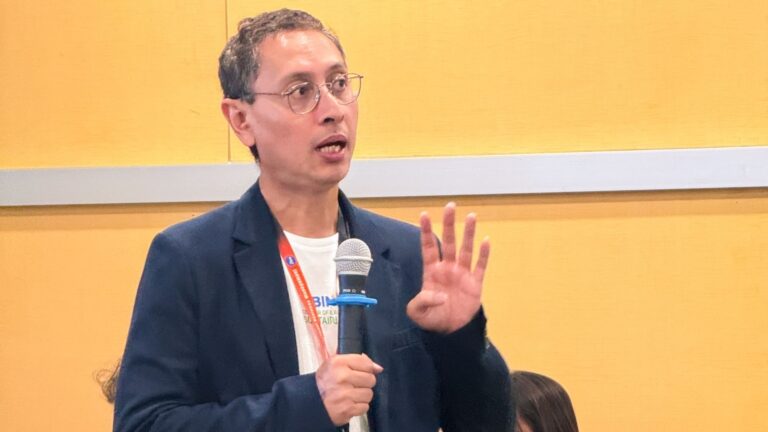
“BIC-SUS was established to become more than a research center. We want to connect academia, industry, government, and society to build collaboration, share knowledge, and develop solutions that create real impact,” said Dr. Marko S. Hermawan, BIC-SUS’s Coordinator of Operations and Management and moderator of the forum.
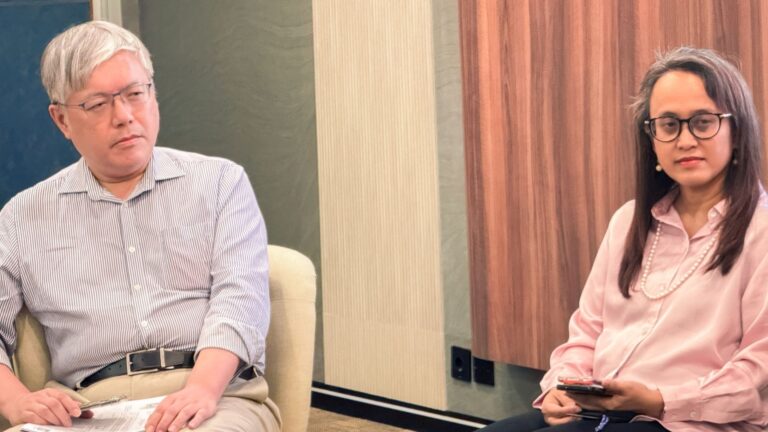
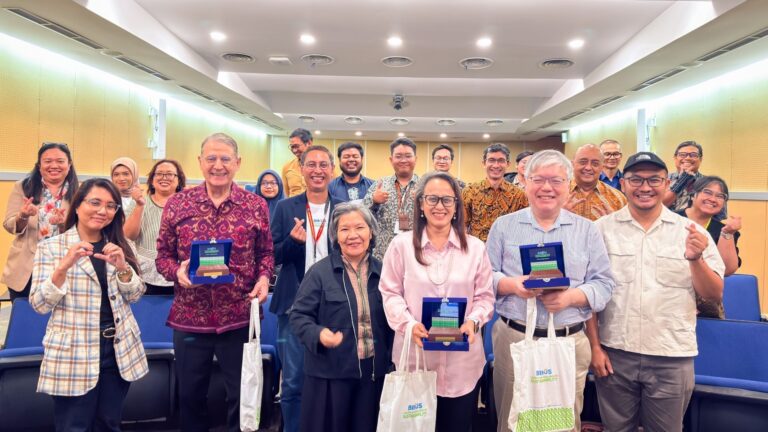
That collaborative spirit came to life in this ESG forum, which brought together Prof. Stan Ho from HKU Business School; Alistair Speirs, Chairman of Most Valued Business (MVB) Indonesia; and Prabandari Moerti, ESG Director at Deloitte Indonesia.
When Reporting Is No Longer Enough
As ESG disclosure becomes increasingly regulated around the world, organizations face growing pressure to demonstrate not only transparency but also credibility.
 (Photo Editor: Andi D. Ahnafandra)
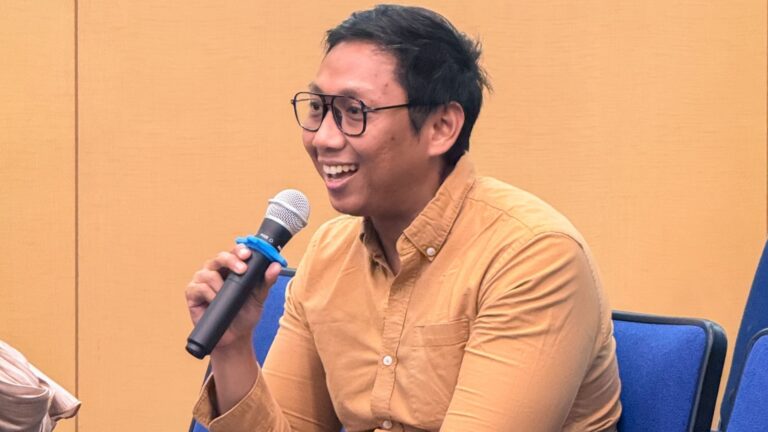
Drawing from Hong Kong’s experience, Prof. Stan Ho explained that mandatory ESG reporting has been in place for listed companies since 2016 and continues to evolve alongside international sustainability standards.
“Management may have its own views, but the reporting requirement remains mandatory. The key is to ensure that companies keep learning, adapting, and improving as the standards change,” he explained.
 (Photo Editor: Andi D. Ahnafandra)
Referring to Hong Kong’s regulatory approach, he encouraged participants to view Hong Kong’s journey as a learning opportunity, emphasizing that each country must develop its own pathway toward stronger sustainability governance.
Redefining ESG Success Beyond Compliance
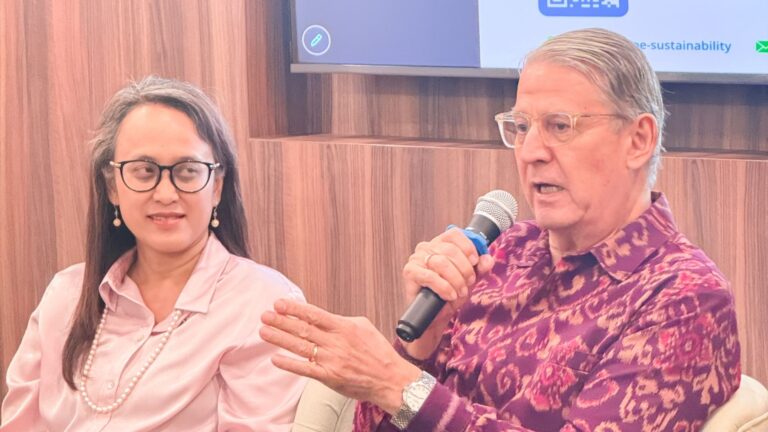
While regulations may encourage disclosure, Alistair Speirs argued that compliance alone cannot define successful ESG implementation.
 (Photo Editor: Andi D. Ahnafandra)
“If an organization is serious about ESG, it must demonstrate commitment and a complete change of focus. The question is no longer, how do we reduce risk for our company?, but how do we make the world a better place?”
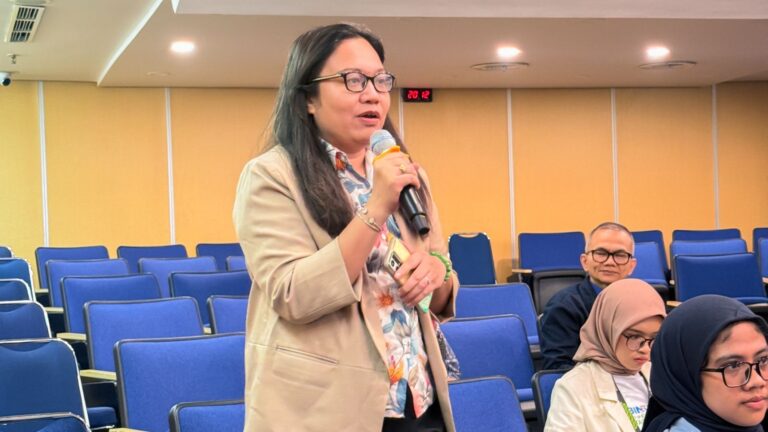
However, many organizations still approach ESG as a checklist designed to satisfy regulators, investors, or financial institutions. Reports become thicker, yet their real-world impact often remains unclear.
 (Photo Editor: Andi D. Ahnafandra)
“We need to move from marketing rhetoric to measurable social change. ESG should create change, not merely demonstrate compliance,” he added.
That shift also requires companies to look more closely at their supply chains, employee welfare, stakeholder engagement, and governance systems rather than relying on annual corporate social responsibility activities or sustainability messaging.
Can Companies Back Up Their Sustainability Claims?
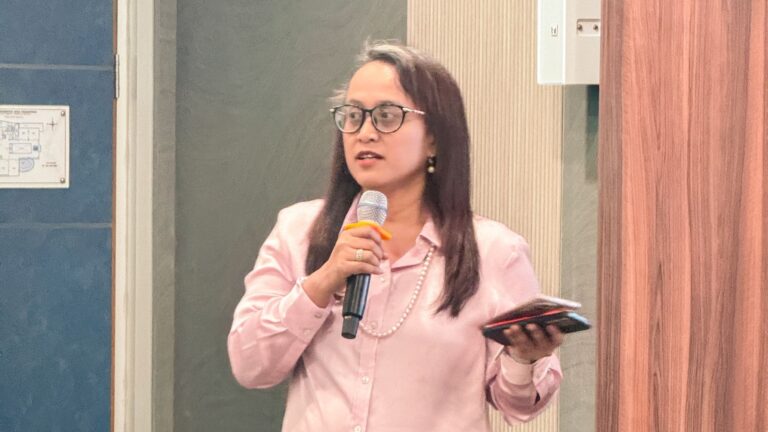
From the assurance perspective, Prabandari Moerti as the ESG Director argued that sustainability reporting should be understood much like financial reporting not as proof that everything is perfect, but as a reflection of how organizations manage risk, create value, and prepare for the future.
 (Photo Editor: Andi D. Ahnafandra)
“Sustainability disclosure is no longer only about reporting what happened. It must also communicate whether the business can remain resilient amid climate change and future uncertainty,” said Pranbandari.
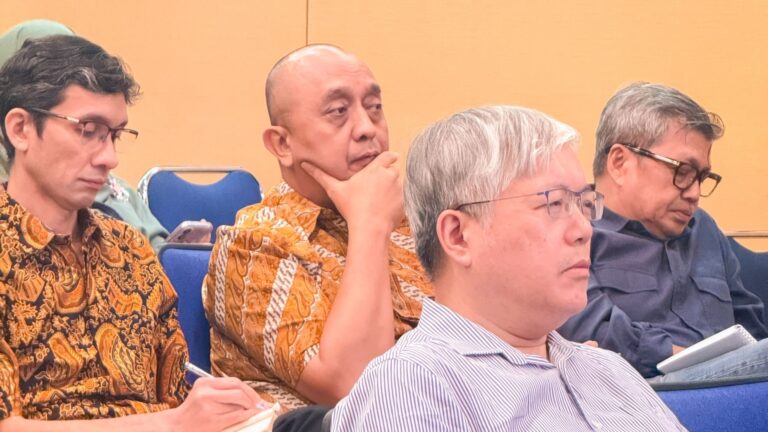
As Indonesia moves toward implementing sustainability disclosure standards aligned with the International Sustainability Standards Board (ISSB), she warned that companies can no longer rely on vague or unsubstantiated sustainability claims.
 (Photo Editor: Andi D. Ahnafandra)
Words such as commitment, net zero, or decarbonization may appear convincing, but without credible governance, evidence, and realistic assumptions, they can expose organizations to greenwashing risks and even legal consequences.
Higher Education as a Catalyst for Sustainability
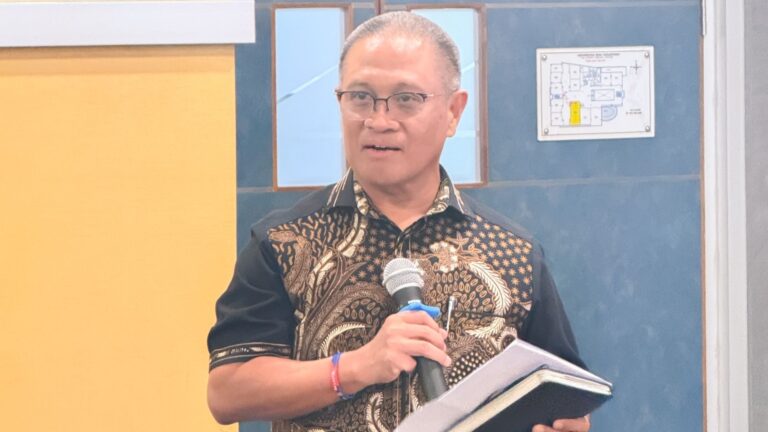
The discussion also underscored the evolving responsibility of higher education. From an industry perspective, Dr. Haskarlianus Pasang highlighted that sustainability transformation begins not with reports but with people because sustainability intelligence is essential, so we must practice it every day.
(Photo Editor: Andi D. Ahnafandra)
He challenged universities to rethink how future business leaders are educated, arguing that sustainability should no longer be treated as an optional business topic but as a fundamental way of thinking that balances economic growth with environmental stewardship and social responsibility.
 (Photo Editor: Andi D. Ahnafandra)
Rather than limiting sustainability discussions to academic research, BINUS University continues to position the Center of Excellence in Sustainability as a catalyst for interdisciplinary collaboration, connecting researchers, industry leaders, policymakers, and communities to co-create practical solutions for Indonesia’s sustainability transition.
Author: Mita Adhisti